Amir Mahmud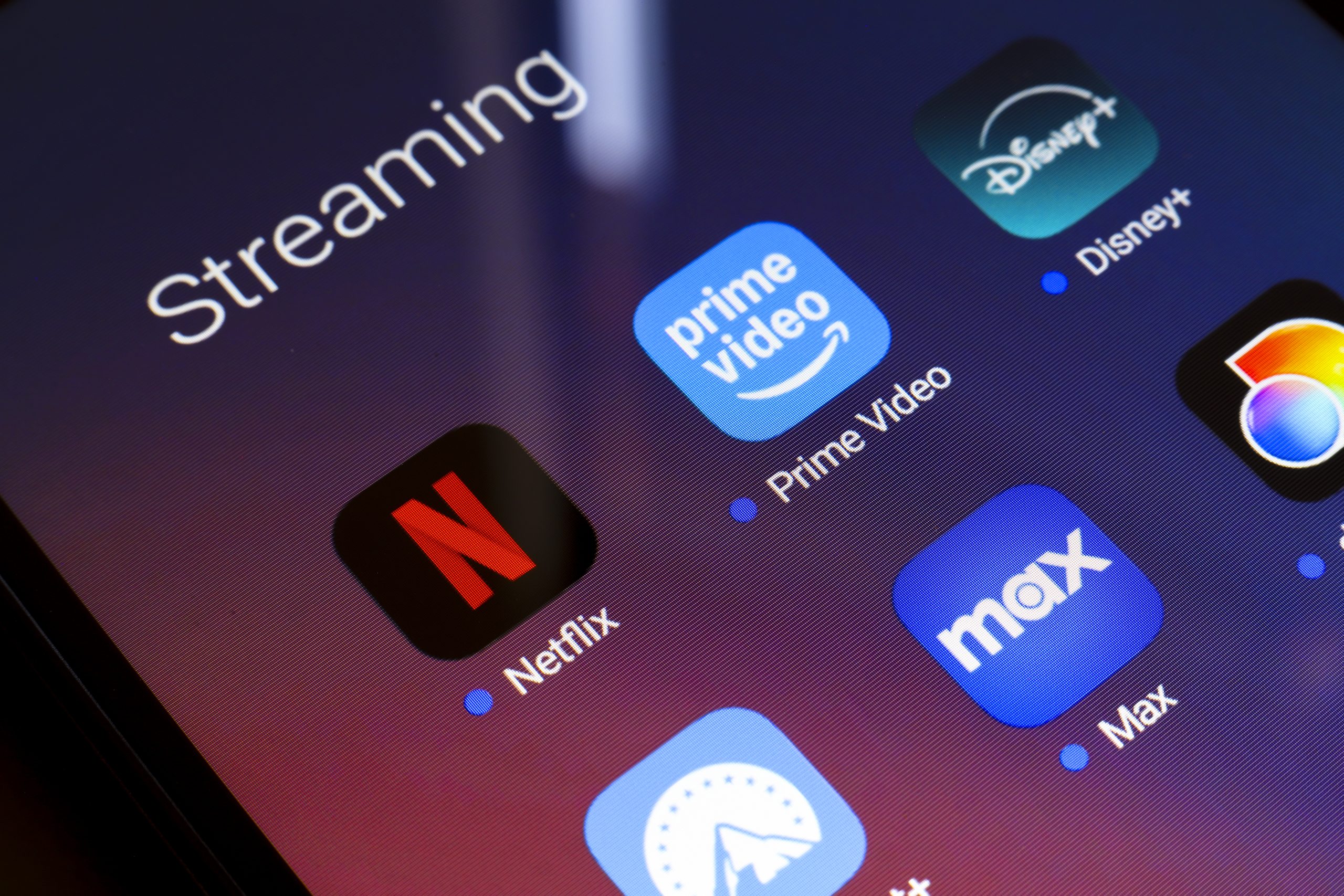
The global streaming leader, Netflix, has once again implemented a series of price increases across several of its subscription tiers, signaling a continued strategic shift in its approach to profitability and market positioning. This move, confirmed by the company, will see adjustments to both ad-supported and ad-free plans, alongside changes to fees for additional household members, reflecting an ongoing effort to balance content investment with shareholder expectations in a fiercely competitive digital entertainment landscape.
Detailed Changes to Subscription Tiers
The updated pricing structure introduces a notable rise for most subscribers. The most accessible, ad-supported tier, which previously stood at $7.99 per month, will now cost $8.99, representing a $1 increase. For viewers seeking an uninterrupted experience, the standard ad-free plan sees a $2 hike, moving from $17.99 to $19.99 monthly. Similarly, the premium ad-free plan, offering enhanced features like 4K streaming and multiple simultaneous streams, will also increase by $2, settling at $26.99 per month. These adjustments aim to reflect the company’s continuous investment in its diverse entertainment catalog and the overall quality of its service, according to Netflix.
Interestingly, the pricing for adding extra viewers outside a primary household presents a mixed picture. While the cost to add an additional user to an ad-free plan is rising from $8.99 to $9.99, the fee for an extra member on an ad-supported plan is surprisingly decreasing, moving from $7.99 to $6.99. This particular adjustment might indicate a strategic push to make the ad-supported tier more appealing or to fine-tune the economics of its relatively newer advertising model. New subscribers are already encountering these updated prices as of March 26, 2026, while existing members will be notified via email a month before the new rates are applied to their accounts, with the rollout occurring progressively over the coming months.
A History of Evolution and Price Adjustments
Netflix’s journey from a pioneering DVD-by-mail rental service to a global streaming behemoth is punctuated by a series of transformative decisions, including periodic price adjustments. Initially launched in 1997, Netflix revolutionized home entertainment by offering flat-rate DVD rentals without late fees. The pivotal shift to streaming began in 2007, a move that would fundamentally alter media consumption worldwide. In its early streaming days, Netflix maintained highly competitive, low prices, prioritizing rapid subscriber growth to establish market dominance. This strategy proved wildly successful, attracting tens of millions of users who embraced the convenience of on-demand content.
As Netflix matured, its business model evolved. The company transitioned from primarily licensing third-party content to investing billions in original programming, a strategy that began in earnest with "House of Cards" in 2013. This pivot necessitated increased revenue, leading to the first significant price hikes. These early increases were generally well-received by subscribers, who perceived a clear value exchange for an expanding library of critically acclaimed and popular original shows and movies. However, as the "streaming wars" intensified in the late 2010s with the entry of major players like Disney+, HBO Max (now Max), Apple TV+, and Paramount+, the landscape became significantly more complex. Content production costs skyrocketed, and competition for both content and subscribers intensified, placing immense pressure on all streaming services to find sustainable growth models. Netflix last raised its prices in January 2025, underscoring a pattern of regular adjustments to keep pace with these market dynamics.
The Shifting Sands of the Streaming Wars
The current era of streaming is defined by intense competition and a constant struggle for subscriber attention and retention. What began as a relatively uncluttered market, largely dominated by Netflix, has fragmented into a dizzying array of services, each vying for a slice of the consumer’s entertainment budget. This proliferation has led to what many consumers refer to as "subscription fatigue," a phenomenon where the cost and management of multiple streaming subscriptions become burdensome.
Netflix’s latest price hike occurs within this context. While the company maintains a dominant position in terms of global subscribers, its growth trajectory has matured, particularly in saturated markets. The focus has shifted from solely accumulating new subscribers to maximizing revenue per user and enhancing profitability. This strategic pivot is evident in several recent initiatives, including the successful crackdown on password sharing, which converted many freeloaders into paying subscribers, and the introduction of its ad-supported tier in late 2022. The ad-supported option was a significant departure from Netflix’s long-standing ad-free philosophy, designed to offer a lower-cost entry point and tap into a new revenue stream through advertising. These moves reflect a pragmatic response to market saturation and the escalating costs of producing high-quality content that can compete with rival offerings.
Content Investment and Platform Enhancements
Netflix’s justification for the price increases centers on its commitment to enhancing its "wide range of entertainment" and the "quality of its service." Indeed, the company has been actively expanding its platform’s capabilities and content offerings beyond traditional films and series. Recent additions include the rollout of video podcasts, notably through a deal with iHeartMedia, and an increase in livestreaming content. These ventures represent an effort to diversify engagement points and capture different facets of consumer media consumption.
Moreover, Netflix recently announced ambitious plans to revamp its mobile application and expand its short-form video features. This move could be interpreted as a strategy to compete more directly with social media platforms for daily user engagement, recognizing that consumers spend significant time on apps like TikTok and YouTube. By integrating elements that encourage more frequent, shorter interactions, Netflix aims to deepen its presence in users’ daily digital lives, making its service more indispensable. Such platform enhancements, alongside continuous content production, require substantial financial investment, which these price adjustments are intended to help offset.
Strategic Decisions and Market Impact
Beyond content and platform, Netflix’s corporate strategy also plays a role in these pricing decisions. The company’s recent withdrawal from a bid for Warner Bros. Discovery (WBD) provides further insight into its financial priorities. Netflix had submitted an $82.7 billion all-cash bid for the studio but ultimately declined to counter Paramount Skydance’s superior proposal. Walking away from such a massive acquisition, especially one that would have significantly expanded its content library and intellectual property, suggests a deliberate focus on organic growth and profitability over aggressive, potentially dilutive, M&A activity. This decision likely frees up capital that can be reinvested into internal content development, technological innovation, and direct platform enhancements, thereby reinforcing the rationale for the current price hikes.
The broader market impact of Netflix’s pricing strategy is multifaceted. For consumers, these recurring increases contribute to the growing pressure of managing multiple subscriptions. It may force some to re-evaluate their streaming bundles, potentially leading to increased churn as subscribers cycle through services to access specific content or seek more affordable alternatives. For competitors, Netflix’s moves often serve as a bellwether. If the market leader can successfully implement price hikes without significant subscriber exodus, it may embolden other services to follow suit, further normalizing higher subscription fees across the industry. Conversely, if Netflix experiences unexpected subscriber losses, rivals might become more cautious, potentially emphasizing value-driven pricing or differentiated offerings.
The Future of Streaming Economics
The current pricing adjustments from Netflix underscore a significant evolution in the economics of the streaming industry. The era of low-cost, all-you-can-eat content, largely subsidized by rapid growth and venture capital, appears to be drawing to a close. Instead, streaming services are increasingly behaving like mature media companies, seeking sustainable profitability through a combination of diverse revenue streams—subscriptions, advertising, and potentially even ancillary services—and disciplined cost management.
Neutral analytical commentary suggests that these price increases are not merely opportunistic but are a necessary response to the rising costs of content creation, global infrastructure maintenance, and the intense competition for talent and intellectual property. As streaming services mature, they are confronted with the same financial realities that have long shaped traditional media. The question for Netflix, and indeed for the entire industry, is how to continue delivering compelling value that justifies these increasing costs in the eyes of the consumer, without triggering widespread subscription fatigue or driving users back to more traditional, or even illicit, forms of content consumption. The ongoing balancing act between subscriber satisfaction, content investment, and financial performance will continue to define the streaming landscape for years to come.