Amir Mahmud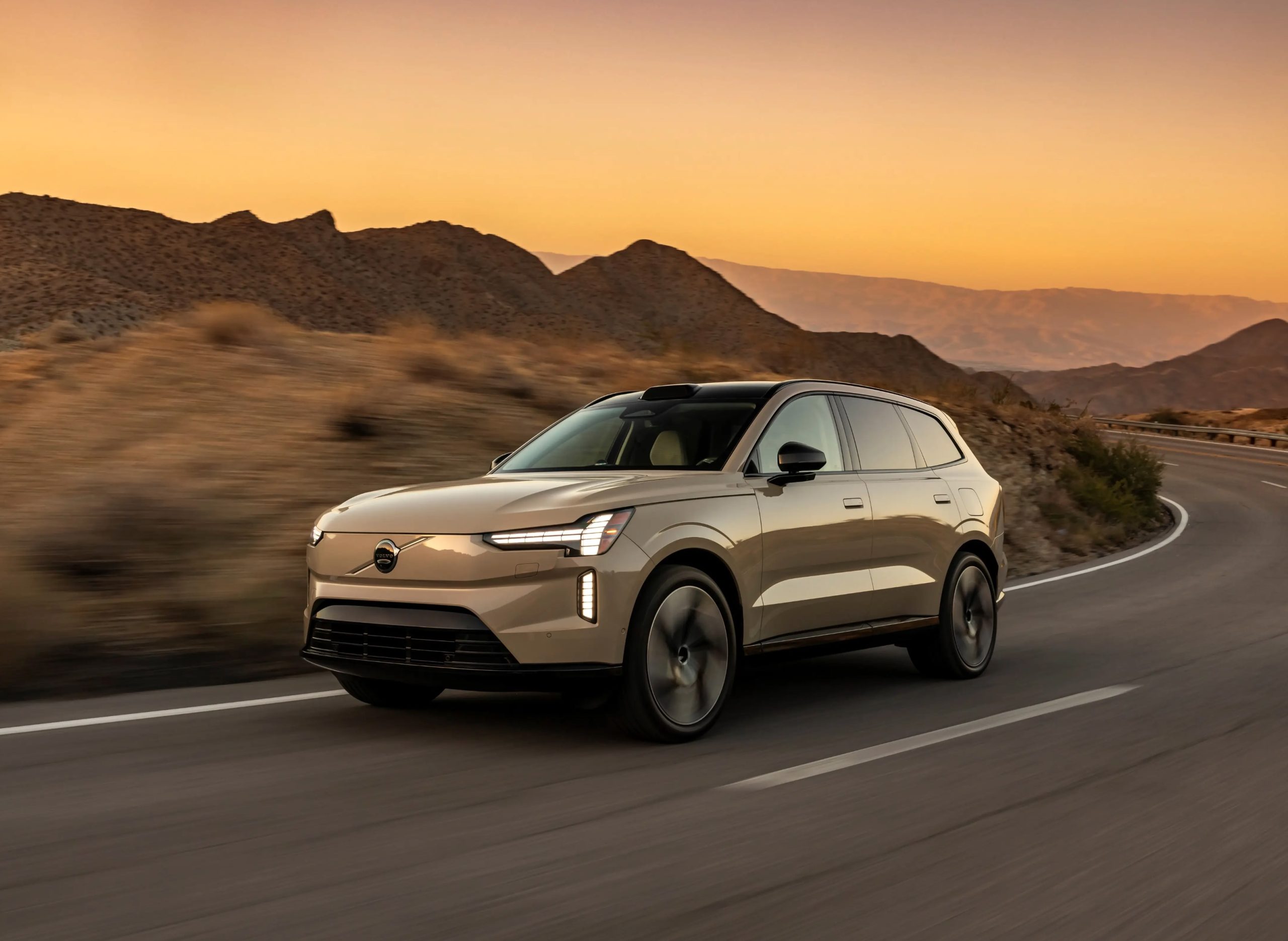
The past year has been a period of profound reevaluation and strategic realignment within the burgeoning mobility sector, bookended by significant corporate failures and dynamic shifts in industry direction. While some pioneering companies, like electric vehicle (EV) startups Canoo and Nikola, commenced the year grappling with financial distress, the closing months witnessed additional prominent players, Rad Power Bikes and Luminar, succumbing to bankruptcy pressures, underscoring a challenging economic climate for many innovators in transportation. These closures serve as stark reminders of the inherent volatility and intense competition characterizing the journey from innovative concept to sustainable commercial success in a rapidly evolving market.
The Fallout: Mobility Startups Face Bankruptcy
The narrative of the mobility sector in recent times has often been one of ambitious growth and disruptive potential. However, the realities of scaling production, managing supply chains, and achieving profitability have proven formidable for many. The recent bankruptcy filings by Rad Power Bikes and Luminar highlight these persistent challenges, reflecting a broader trend of consolidation and market correction following an era of significant venture capital influx.
Rad Power Bikes: The E-Bike Market’s Reality Check
Rad Power Bikes, once a darling of the direct-to-consumer electric bicycle market, has filed for Chapter 11 bankruptcy protection, signaling a critical juncture for the company. This development follows weeks of internal warnings to employees about potential shutdown without fresh capital infusion. A company spokesperson confirmed operations would continue during the bankruptcy proceedings, with an active search for a buyer expected to conclude within 45 to 60 days.
Rad Power Bikes emerged during a period of surging interest in electric bicycles, particularly during the early 2020s, as consumers sought alternative transportation options amidst pandemic-related shifts and a growing emphasis on outdoor recreation. The company distinguished itself with a direct-to-consumer model, offering relatively affordable and accessible e-bikes that quickly garnered a loyal following. Its success epitomized the broader e-bike boom, which saw significant investment and rapid market expansion.
However, the e-bike sector, like many consumer-facing segments, faced headwinds including supply chain disruptions, escalating logistics costs, and a gradual return to pre-pandemic consumer spending patterns. Increased competition from both established bicycle manufacturers and new entrants, coupled with rising interest rates impacting consumer financing and investor confidence, likely contributed to Rad Power Bikes’ financial strain. The company’s situation reflects a maturing market where initial rapid growth gives way to demands for operational efficiency and sustainable business models. For consumers, the bankruptcy raises questions about long-term product support, warranties, and the overall stability of the e-bike market, potentially leading to increased scrutiny of startup viability before purchase.
Luminar: Lidar’s Difficult Path to Commercialization
Adding to the industry’s woes, Luminar, a prominent developer of lidar technology crucial for autonomous vehicles, also sought bankruptcy protection. Unlike Rad Power Bikes, Luminar’s filing appears less focused on a potential turnaround and more on an orderly dissolution. This move follows months of internal turmoil, including significant layoffs, executive departures, and a high-profile legal dispute with its largest customer, Volvo.
Luminar’s journey underscores the formidable technical and commercial hurdles faced by companies at the forefront of autonomous driving technology. Lidar, or "light detection and ranging," is a sensing method that uses pulsed laser light to measure distances and create precise 3D maps of the environment. It is considered a cornerstone technology for achieving higher levels of vehicle autonomy, offering superior depth perception and object detection capabilities compared to cameras or radar alone. Luminar had positioned itself as a leader in this space, securing partnerships with major automakers.
The company’s financial distress, particularly its entanglement with Volvo, points to the complexities of integrating cutting-edge technology into mass-produced vehicles. Automakers often demand stringent performance, cost, and reliability metrics, along with long-term supply agreements that can be challenging for startups to meet. The legal battle with Volvo reportedly centered on contractual obligations and product delivery, highlighting the precarious balance between innovation and commercial viability. Luminar had already reached an agreement to sell its semiconductor subsidiary, and while it plans to maintain operations during bankruptcy to minimize disruptions for suppliers and customers, the company is ultimately expected to cease to exist. This outcome serves as a cautionary tale for the lidar industry, which has seen numerous players emerge with varying technological approaches, all striving to secure dominant positions in a market still finding its footing. The potential loss of a key player like Luminar could impact the competitive landscape, potentially consolidating power among remaining lidar providers or even prompting automakers to diversify their sensor strategies further.
Autonomous Vehicles: From Emergence to Scrutiny
Despite the setbacks faced by some, the broader mobility sector continues to witness significant advancements, particularly in the realm of autonomous vehicles (AVs). The year, despite its early and late bankruptcies, was marked by the undeniable emergence and expansion of robotaxi services, signaling a pivotal shift from experimental trials to commercial deployment.
Robotaxi Expansion and the Safety Imperative
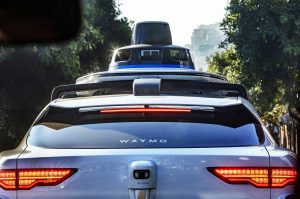
Companies like Waymo, a subsidiary of Alphabet, have driven much of this rapid scaling, demonstrating fast-paced growth in deploying fully driverless services in multiple cities. Competitors such as Amazon’s Zoox and Tesla have also intensified their efforts, establishing operational footprints and expanding testing protocols. This proliferation of robotaxis indicates a critical turning point where these companies are increasingly vying for market share in the same geographic areas.
The journey to widespread autonomous vehicle adoption has been long and complex. Originating from DARPA challenges in the early 2000s, the concept of self-driving cars captivated the tech industry, leading to massive investments in research and development throughout the 2010s. Early promises of fully autonomous vehicles by specific dates often proved overly optimistic, as the engineering, regulatory, and ethical challenges were far more intricate than initially perceived. However, advancements in artificial intelligence, sensor technology, and high-definition mapping have progressively brought the vision closer to reality.
As robotaxis become more prevalent, they are inevitably facing heightened scrutiny, particularly concerning safety and their seamless integration into daily urban life. Public perception remains a critical factor, with every incident, no matter how minor, attracting significant media attention and fueling debates about the reliability and safety of driverless technology. Regulatory bodies are also grappling with establishing comprehensive frameworks for AV operation, licensing, and accountability. The success of robotaxis hinges not only on technological prowess but also on building public trust and demonstrating a consistent, verifiable safety record that surpasses human-driven vehicles. This ongoing scrutiny will shape the pace and scope of future deployments and the competitive dynamics among leading AV developers.
Tesla’s Autonomy Ambitions Under Regulatory Fire
Tesla, a company that has long championed its "Autopilot" and "Full Self-Driving" (FSD) software as central to its future, finds itself navigating a particularly challenging regulatory landscape. While the company has made strides in deploying limited robotaxi services, notably pulling human safety monitors from its Austin-based fleet, these initiatives are proceeding under close observation. It is important to note that, as of recent reports, the California Department of Motor Vehicles (DMV) has confirmed that Tesla’s permits in the state still require a human safety operator behind the wheel for autonomous vehicle testing, indicating a divergence in operational freedom compared to some competitors.
The company’s marketing practices for its driver-assistance features have drawn significant attention and controversy. A recent administrative law judge’s ruling in California agreed with the state’s DMV, finding that Tesla engaged in deceptive marketing regarding the true capabilities of its Autopilot and FSD software. The initial penalty sought by the DMV was a 30-day suspension of Tesla’s sales and manufacturing licenses in California. While the judge concurred with the finding, the DMV subsequently stayed the order, granting Tesla a 60-day window to comply. This compliance could involve either dropping the "Autopilot" and "Full Self-Driving" names, which imply a level of autonomy not yet achieved, or delivering software that genuinely enables fully autonomous operation, a significantly more challenging feat.
This ruling carries substantial implications. It highlights the growing tension between tech companies’ ambitious product naming and the regulatory imperative to prevent consumer confusion and ensure safety. For Tesla, a company deeply intertwined with its CEO’s vision and direct communication style, this legal finding underscores the necessity of aligning marketing claims with actual technological capabilities, particularly in safety-critical applications. The outcome of this compliance period could set precedents for how autonomous driving features are marketed and regulated across the industry, influencing consumer expectations and the future development trajectory of advanced driver-assistance systems.
Electric Vehicle Evolution: A Strategic Rethink
The broader electric vehicle market, while undeniably a cornerstone of future mobility, has also experienced its share of struggles and strategic re-evaluations this past year. Automakers, both legacy and nascent, are adjusting their approaches in response to evolving consumer demand, infrastructure challenges, and profitability pressures.
Legacy Automakers Adjust Course: Ford’s Hybrid Pivot
A notable example of this strategic pivot comes from Ford, a major legacy automaker. The company announced it is ending the production of its fully electric F-150 Lightning, a significant shift in its EV strategy. This decision is part of a broader company-wide shake-up that places renewed emphasis on hybrid and traditional gas-powered vehicles. Ford’s next iteration of the F-150 Lightning will feature an "extended range electric vehicle" configuration, incorporating a gas generator to recharge the battery pack, thereby extending the truck’s range to over 700 miles.
This move reflects a pragmatic response to several market realities. While initial enthusiasm for EVs was high, consumer adoption rates for certain segments, particularly large electric trucks, have been slower than anticipated due to factors like higher upfront costs, charging infrastructure availability, and perceived range limitations. Hybrid vehicles, offering a bridge between conventional internal combustion engines and fully electric powertrains, have seen a resurgence in popularity as they mitigate range anxiety and charging concerns. Ford’s pivot demonstrates a flexible strategy aimed at meeting diverse customer needs and optimizing profitability in a still-developing EV market.
Furthermore, Ford is exploring new business avenues, including entering the energy storage sector. This initiative aims to leverage the company’s battery expertise and supply chains, potentially converting excess battery production or repurposing used EV batteries into grid-scale or data center energy storage solutions. Despite these adjustments, Ford maintains its commitment to electric propulsion, with plans to launch a mid-sized electric truck in 2027, signaling a more diversified and adaptive approach to its long-term electrification goals.
The Quest for Affordable EVs and Sustainable Solutions
Despite the market adjustments and the struggles of some early EV models, the underlying promise of electric vehicles remains strong. The industry is now focused on overcoming key barriers to mass adoption, primarily affordability and accessibility. The imminent launch of Rivian’s R2 and Slate Auto’s electric truck signals a critical shift towards smaller, more affordable electric options, aiming to broaden the EV market beyond luxury segments. Rivian, known for its premium R1T truck and R1S SUV, is positioning the R2 as a more mass-market offering, while Slate Auto, backed by prominent investors like Jeff Bezos, is specifically targeting the low-cost EV truck segment, already accumulating over 150,000 refundable reservations.
Alongside the push for affordability, the sustainability aspect of the EV ecosystem is also gaining traction. Companies like Redwood Materials are innovating in battery recycling, launching initiatives such as a newly patented Battery Collection Bin designed to encourage consumer participation in battery recycling programs. Piloted in San Francisco, this system safely stores, packages, and monitors various types of batteries and battery-containing devices. This focus on circular economy principles is vital for mitigating the environmental impact of battery production and ensuring a sustainable supply chain for critical raw materials, addressing concerns about resource depletion and waste management in the rapidly expanding EV market.
Investment and Innovation Amidst Volatility
Even as the mobility sector navigated bankruptcies and strategic realignments, the flow of capital and the pace of innovation did not entirely cease. Investment continued in segments deemed promising, reflecting a selective but persistent belief in the sector’s long-term potential.
Shifting Capital in a Dynamic Landscape
Mergers and acquisitions, along with significant funding rounds, underscore the ongoing evolution. The "Airbnb for boats" market saw consolidation with Boatsetter and GetMyBoat agreeing to merge, streamlining services in a niche sharing economy. In the e-bike sector, despite Cowboy’s previous challenges including a frame recall, the Brussels-based startup found a lifeline through acquisition by ReBirth Group Holding, indicating that strategic investors still see value in established e-bike brands. Furthermore, the insurtech space, crucial for supporting the logistics of a modernized transportation system, demonstrated robust growth, with Nirvana Insurance, focused on trucking, raising $100 million in Series D funding, valuing the company at $1.5 billion. In India, the online used car marketplace Spinny secured approximately $160 million, earmarked for the acquisition of car services startup GoMechanic, reflecting continued investor confidence in digital platforms for traditional automotive services in emerging markets. These diverse transactions illustrate a market that, while volatile, is still attracting capital to areas perceived as having clear business models or critical supporting roles within the broader mobility ecosystem.
The Future of Mobility: Beyond the Hype
As the year concludes, the mobility sector stands at a fascinating juncture. It’s a landscape marked by both the sobering realities of market consolidation and the enduring promise of transformative technologies. The past year served as a critical differentiator, separating companies with sustainable business models and adaptable strategies from those built on unsustainable hype or flawed execution.
The advancements in autonomous vehicles, the strategic recalibrations within the EV market, and continued investment in supporting technologies all point towards a future of transportation that is increasingly intelligent, diversified, and environmentally conscious. The path forward will undoubtedly involve further challenges, particularly around regulatory harmonization, infrastructure development, and consumer acceptance. However, the lessons learned from the recent turbulence are likely to forge a more resilient and strategically sound industry, moving beyond initial exuberance to a more grounded and impactful phase of innovation and deployment. The conversations around reindustrialization, driven by AI-powered robotics, as highlighted by industry experts, suggest a profound transformation not just in how we move, but also in how we manufacture and integrate technology into our daily lives, signaling an exciting, albeit complex, road ahead for mobility.