Amir Mahmud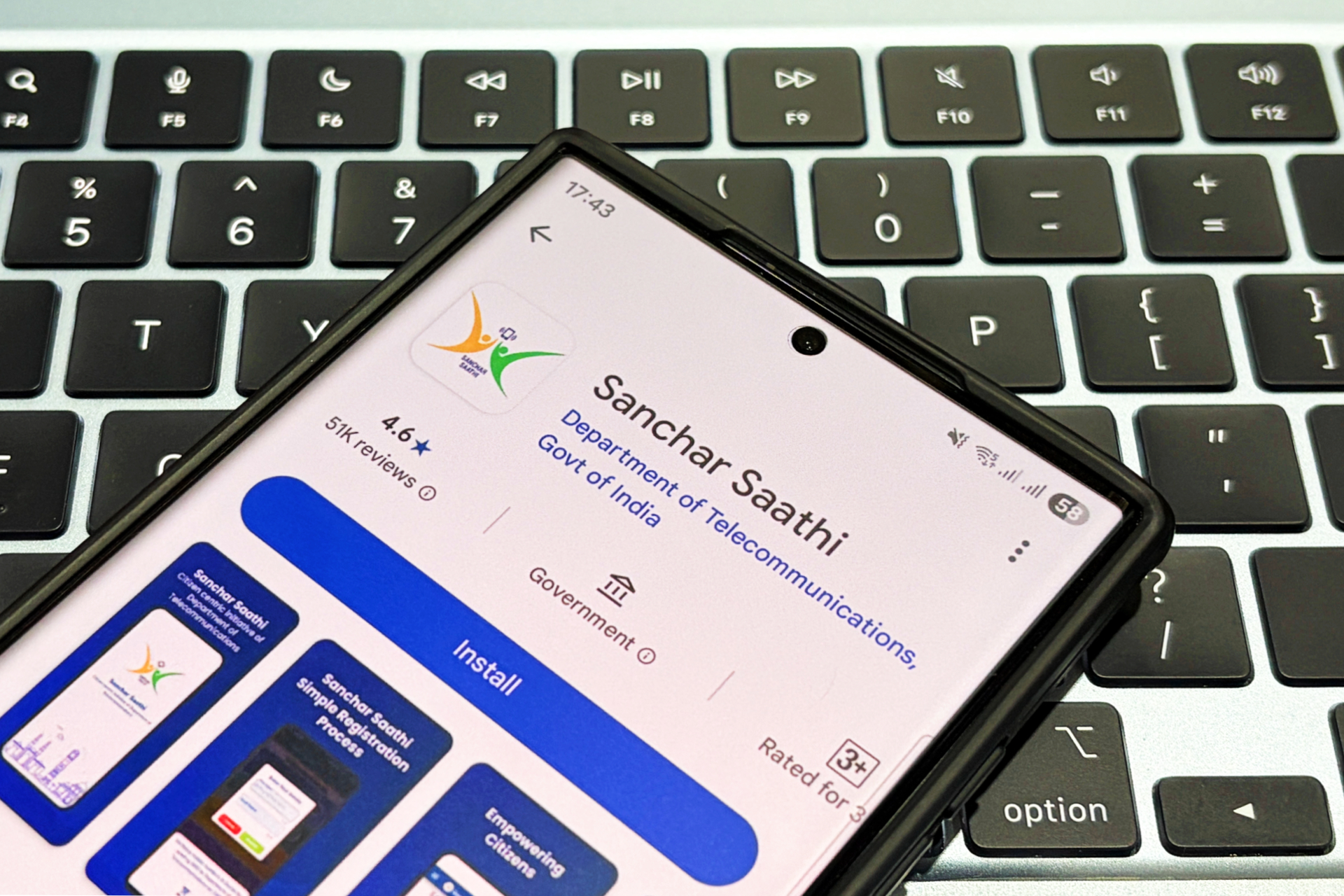
India’s government is embarking on an expansive initiative designed to register and verify every smartphone operating within its borders, encompassing both newly purchased and pre-owned devices. This comprehensive endeavor, spearheaded by the Indian telecom ministry, aims to significantly curtail device theft and online fraudulent activities that plague the rapidly expanding digital landscape of the nation. However, the sweeping nature of these new mandates has concurrently ignited fervent discussions and raised profound questions regarding individual privacy and the extent of state oversight in citizens’ digital lives.
Expanding the Digital Footprint: A Strategic Overview
At the core of this intensified regulatory framework is a directive requiring all businesses involved in the acquisition or resale of used mobile phones to meticulously verify each device against a centralized database of International Mobile Equipment Identity (IMEI) numbers. This mandate complements an earlier instruction for smartphone manufacturers to preinstall the government’s proprietary Sanchar Saathi application on all new handsets sold in India. Furthermore, manufacturers are expected to push this application onto existing devices through mandatory software updates, effectively broadening its reach across the vast ecosystem of Indian mobile users.
The news of this comprehensive expansion was initially reported by Reuters and subsequently officially confirmed by the ministry in a public statement, underscoring the government’s commitment to this ambitious program. This move represents a significant escalation in India’s efforts to formalize and secure its mobile communication infrastructure, positioning the nation at the forefront of large-scale digital governance experiments.
The Sanchar Saathi Ecosystem: Combating Cybercrime
The Sanchar Saathi portal, initially launched in 2023, has served as the foundational pillar of this cybersecurity initiative. Its primary function is to empower users to report, block, and trace lost or stolen mobile phones, providing a critical tool against the rampant issue of device theft. Official government data indicates the platform’s considerable impact since its inception, reporting over 4.2 million devices successfully blocked and an additional 2.6 million devices traced. The system’s capabilities were further enhanced in January with the introduction of a dedicated Sanchar Saathi mobile application. This app has reportedly facilitated the recovery of more than 700,000 phones, with a remarkable 50,000 recoveries recorded in a single month last October, illustrating its operational effectiveness.
The application has experienced a rapid ascent in adoption rates, reflecting a pressing need among the populace for such a utility. According to marketing intelligence firm Sensor Tower, the Sanchar Saathi app has accumulated nearly 15 million downloads and boasted over three million monthly active users by November, marking an astonishing increase of more than 600% since its launch month. Concurrently, web traffic to the Sanchar Saathi portal has surged, with monthly unique visitors climbing by over 49% year-over-year, as reported by Sensor Tower data. These figures underscore the widespread engagement and perceived utility of the platform among Indian citizens, even as its mandatory integration sparks broader debates.
India’s Digital Evolution and the Scale of the Challenge
India, a nation with a population exceeding 1.4 billion, stands as one of the world’s most rapidly digitizing economies. The "Digital India" initiative, launched in 2015, has been a driving force behind this transformation, aiming to make government services electronically available to citizens, improve online infrastructure, and enhance digital literacy. Smartphones are central to this vision, acting as the primary gateway for millions to access information, conduct financial transactions, and engage in social activities. With an estimated 700 million smartphone users, India’s mobile penetration is immense, creating both unprecedented opportunities and substantial challenges for digital security and governance.
The sheer volume of mobile devices in circulation makes the country a fertile ground for cybercriminals. Issues such as IMEI duplication, device cloning, fraud in the second-hand smartphone market, and identity theft scams are pervasive. These crimes not only result in significant financial losses for individuals but also erode public trust in digital platforms and services. The government’s stated rationale for the expanded Sanchar Saathi mandate is directly aimed at mitigating these growing threats, asserting that the initiative will enable "easy reporting of suspected misuse of telecom resources" and enhance overall cyber safety.
A Growing Market, New Regulations
The Indian market for used smartphones is experiencing explosive growth, propelled by the rising cost of new devices and consumers’ inclination towards longer replacement cycles. This trend has positioned India as the world’s third-largest market for second-hand smartphones in 2024, reflecting a significant shift in consumer behavior and market dynamics. This burgeoning sector, however, largely operates outside formal structures, with an estimated 85% of transactions occurring through informal channels and independent brick-and-mortar stores.
The government’s current regulatory push primarily targets formal recommerce and trade-in platforms, mandating their participation in the IMEI verification process. This includes piloting an application program interface (API) that would allow these platforms to directly upload customer identities and device specifics to the central government database. Such a move represents a pivotal step towards establishing a comprehensive, nationwide ledger of smartphones in circulation. While this aims to bring greater transparency and accountability to the formal segment, a significant portion of the broader used-device market remains beyond the direct scope of these immediate measures, posing a continued challenge for comprehensive oversight.
Privacy in the Digital Age: A Balancing Act
Despite the government’s emphasis on combating cybercrime, the directive to preinstall the Sanchar Saathi app and the expansion of device verification have drawn considerable criticism from privacy advocates, civil society organizations, and opposition parties. A central concern revolves around the potential for expanded state visibility into personal devices without robust, clearly defined safeguards for user data. Critics argue that such pervasive data collection could grant authorities unprecedented access to device ownership information, raising alarm bells about potential misuse or unwarranted surveillance.
Telecom Minister Jyotiraditya M. Scindia, in response to the controversy, has characterized Sanchar Saathi as a "completely voluntary and democratic system," assuring users of their ability to delete the application if they choose not to utilize it. However, the official directive circulated among manufacturers specifies that the pre-installed app must be "readily visible and accessible to end users at the time of first use or device setup" and that its "functionalities are not disabled or restricted." This particular phrasing has led to questions about the practical voluntariness of the app, suggesting that while deletion might be possible, its initial presence and functionality are mandated.
Experts in digital rights have voiced significant apprehension regarding the lack of transparency surrounding how the vast quantities of collected data will be stored, who will have access, and what specific safeguards will be implemented as the system scales. Prateek Waghre, a prominent voice from the Tech Global Institute, described the initiative as "troubling," highlighting the profound implications of potentially "databasing" every single device without clear guidelines on the future applications of such an extensive dataset. The sheer scale of India’s smartphone user base means that even seemingly minor administrative adjustments can have far-reaching consequences, potentially establishing precedents that other nations might consider emulating.
Meghna Bal, a director at the New Delhi-based technology think tank Esya Centre, articulated concerns that while the stated intent of a unified platform might be protection, mandating a single government-controlled application could inadvertently stifle innovation, particularly from private sector players and startups known for developing secure, scalable digital solutions. She stressed the critical need for any such governmental systems to be underpinned by independent audits, stringent data governance safeguards, and transparent accountability mechanisms. Without these foundational elements, Bal warned, the model risks not only compromising user privacy but also hindering fair opportunities for the broader ecosystem to contribute and innovate.
Industry Reactions and Operational Challenges
The implementation of these new mandates presents a complex operational challenge for various stakeholders. Deputy Telecom Minister Pemmasani Chandra Sekhar indicated that most major smartphone manufacturers were involved in the government’s working group for this initiative, though notable exceptions, such as Apple, did not participate. This suggests a varied degree of industry engagement and potentially different approaches to compliance.
For recommerce firms, the planned API integration, while aiming to streamline data flow, introduces new layers of complexity and potential liability. The prospect of directly uploading sensitive customer information and device details to a government database raises concerns about data security and the legal repercussions should such information be mishandled or compromised. These companies, operating at the interface of consumer transactions and regulatory compliance, face the dual task of adhering to new rules while safeguarding customer trust and data integrity. The Indian telecom ministry did not respond to TechCrunch’s request for comment on these specific industry concerns.
Moreover, the effectiveness of the initiative in addressing the largely unorganized second-hand phone market remains an open question. If a significant portion of transactions continues to occur through informal channels that fall outside the purview of formal verification processes, the overall impact on curbing theft and fraud might be limited, potentially driving illicit activities further underground rather than eradicating them.
The Road Ahead: Navigating a Digital Frontier
The Indian government’s ambitious plan to verify and record every smartphone marks a pivotal moment in the nation’s digital journey. It embodies a proactive approach to combating the pervasive threats of cybercrime and device theft, which pose genuine risks to national security and individual well-being in an increasingly connected world. However, the path forward is fraught with complexities, primarily revolving around the delicate balance between security imperatives and the fundamental right to privacy.
The success of this initiative will ultimately hinge on the government’s ability to implement the system with utmost transparency, establish robust data governance frameworks, and ensure rigorous accountability. Without clear communication regarding data storage protocols, access controls, and user safeguards, the legitimate concerns raised by privacy advocates will persist, potentially eroding public trust in governmental digital interventions. As India continues to expand its digital frontiers, the outcomes of this sweeping smartphone verification project will undoubtedly offer critical lessons for both its citizens and the global community on the intricate challenges of governing a truly digitized society. The world watches to see how India navigates this complex terrain, balancing the promises of enhanced security with the protection of individual liberties in the digital age.