Amir Mahmud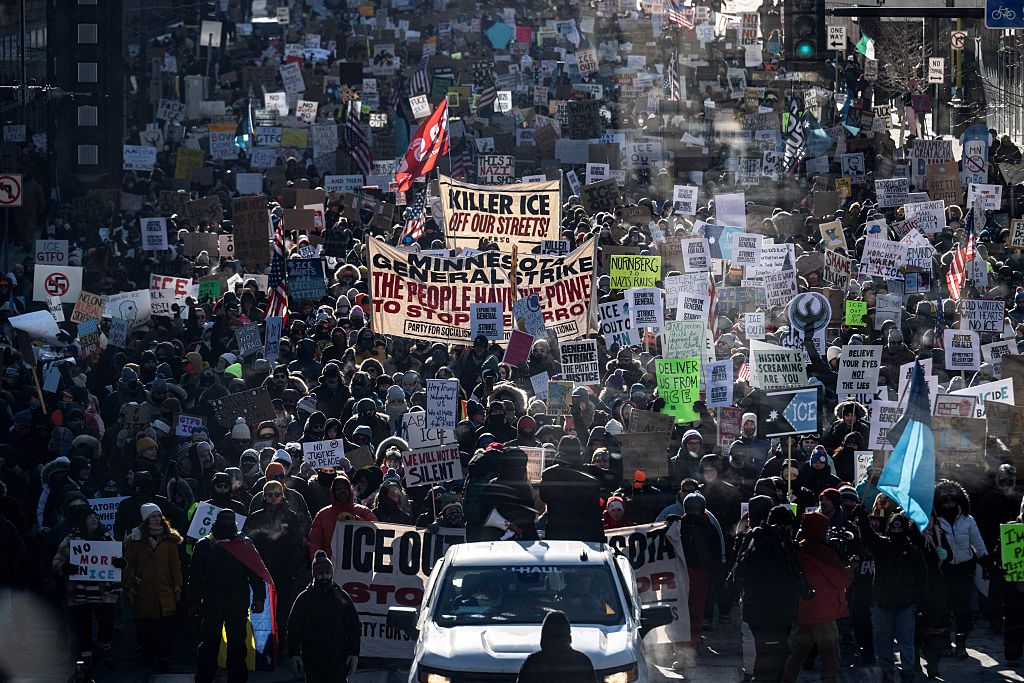
The vibrant technological landscape of Minneapolis, a city known for its innovative spirit and burgeoning startup ecosystem, finds itself deeply disrupted by an intensified campaign of immigration enforcement. Recent weeks have seen U.S. Immigration and Customs Enforcement (ICE) operations escalate dramatically across the metropolitan area, leading to widespread fear and profoundly altering daily life for residents, including those within the tech sector. This period of heightened tension has been marked by reports of fatal encounters involving federal agents, including incidents resulting in the deaths of individuals, among them at least two U.S. citizens, igniting profound concern and unified community response.
A City Under Siege: The Scale of Federal Presence
The presence of federal immigration agents has become an unavoidable reality in Minneapolis. Reports from residents and local officials paint a picture of an urban environment saturated with enforcement activities. Agents, often operating in plain clothes and equipped with what witnesses describe as military-grade weaponry, have been observed in an array of public and private spaces. Their patrols extend from public transportation hubs and workplaces to residential neighborhoods, parking facilities, and even areas surrounding schools, creating an atmosphere of constant vigilance and apprehension. This pervasive federal presence has transformed the city’s social fabric, compelling many to re-evaluate their routines and personal safety measures.
The current surge is part of a broader national initiative by the Trump administration, dubbed "Operation Metro Surge," which has deployed an extraordinary number of federal agents to Minnesota. Senator Amy Klobuchar of Minnesota has publicly stated that the number of ICE and Border Patrol agents now surpasses local police forces in Minneapolis by nearly three to one, with over 3,000 federal personnel operating within the state. This substantial deployment reflects a significant escalation in the federal government’s immigration enforcement strategy, particularly targeting cities and states perceived as uncooperative or those that did not align with the administration’s political agenda in previous elections.
Historical Context and Targeted Communities
Minnesota holds a unique demographic profile, notably hosting one of the largest populations of immigrants from Somalia in the United States. This community has previously been a focal point of rhetoric and policy from the Trump administration. The state is also home to prominent Democratic political figures, including U.S. Representative Ilhan Omar, who has been a frequent critic of the administration, as well as Democratic Governor Tim Walz and Minneapolis Mayor Jacob Frey, both of whom have found themselves at odds with federal directives. This political backdrop suggests that the intensified enforcement may also carry a punitive dimension, targeting regions that represent political opposition. Since the Trump administration took office, more than 2,000 individuals have been arrested by ICE across Minnesota, illustrating a sustained and aggressive approach to immigration enforcement.
The legal framework surrounding immigration enforcement has also seen shifts that contribute to the current climate. A Supreme Court ruling from the preceding year affirmed that immigration officials could conduct "citizen checks" based on subjective criteria such as an individual’s race or perceived accent. This judicial precedent has empowered agents to stop individuals engaged in routine activities, like snow-blowing a lawn, and demand proof of immigration status, further eroding trust and fostering a sense of vulnerability among diverse communities, including U.S. citizens who may be racially profiled.
The Human Toll: Fear and Disruption
The personal impact of these intensified operations is profound and far-reaching. Eight Minneapolis-based founders and investors interviewed by TechCrunch reported that their professional lives have largely been put on hold. Instead of focusing on business development and innovation, their days are now consumed by community support efforts: volunteering at local churches, assisting with food distribution for those too fearful to leave their homes, and offering emotional solace to neighbors. This shift underscores a widespread sentiment of solidarity and a grassroots response that transcends racial and socioeconomic lines.
Scott Burns, a local investor, described the pervasive feeling as "very fatigued," likening the community’s response to the aftermath of a natural disaster. He noted a striking commonality in how various professionals, from teachers to tech entrepreneurs, are reacting to the crisis. The disruption extends beyond mere inconvenience; it is a fundamental challenge to the sense of security and stability. A Black founder, who requested anonymity to protect his staff, revealed he now carries his passport everywhere, despite being a U.S. citizen. He shared a harrowing experience of a colleague suddenly falling silent during a phone call, witnessing an ICE detention in real-time, prompting him to immediately call his own mother to ensure she had her passport.
Efraín Torres, a Latino founder, described working from home amidst the audible signs of raids—car horns beeping, protesters whistling alerts, and neighbors posting signs lamenting, "My neighbor was taken by ICE." Torres himself has had multiple encounters with ICE, leading him to maintain a low profile. He articulated a chilling reality: "The line separating me from being a victim of assault is just a chance encounter," highlighting the arbitrary nature of the perceived threat and the psychological strain of constant vigilance. The anxiety is not confined to the city limits; another Black investor, also a U.S. citizen with deep American roots, carries his passport even when visiting gyms in rural Minnesota, indicating the far reach of federal operations.
Economic and Social Ripple Effects
The ongoing immigration crackdown has significant implications for Minneapolis’s economy and social fabric. Beyond the immediate disruption to individual lives, businesses—especially small enterprises and those reliant on a diverse workforce—face immense challenges. The fear of detention keeps people from public spaces, impacting consumer spending and local commerce. The tech industry, which thrives on talent and innovation, is particularly vulnerable. Companies risk losing valuable employees, including those on H-1B visas, who are reportedly being followed by immigration officials. Some companies have even implemented "no ride-sharing app" policies due to concerns about employee safety.
This environment fosters instability, making it difficult to attract and retain talent, and potentially deterring new investment. The emotional toll described by founders and investors translates directly into reduced productivity and increased operational risks. The incidents, characterized by Torres as involving "three to four armed men in tactical outfits," are not just arrests but "inflicting trauma everywhere they go," suggesting a broader public health crisis in the making.
Tech Sector Navigates Crisis: A Call to Action
Despite its relatively smaller scale compared to other major tech hubs, Minneapolis boasts a dynamic tech scene, having attracted over $1 billion in venture capital in recent years. Home to innovative companies like the fintech firm Sezzle, clean water technology company Rorra, and medtech innovator Reema, the city has a rich history of technological advancement. Reed Robinson, a local investor, affirmed the sector’s resilience, stating, "It’s not going to stop; we’re going to continue to do the work while we figure out this current situation."
However, the tech community’s response has largely manifested through direct, grassroots engagement rather than traditional business operations. Investors like Scott Burns and Mary Grove are actively involved in community support, from packing food for the homebound to providing financial aid. Reed Robinson noted how founders with children have established informal childcare networks, providing mutual support as daycare staff themselves face the risk of detention. These efforts highlight a profound pivot from purely economic pursuits to active civic participation and mutual aid.
Corporate Responses Under Scrutiny
The response from Minnesota’s corporate giants, headquartered in the Twin Cities—including Target, Optum, Best Buy, UnitedHealth Group, and General Mills—has drawn criticism from many within the startup and investment community. While 60 top executives did sign a statement calling for "immediate de-escalation of tensions" following the death of ICU nurse Alex Pretti in an encounter with ICE agents, and major companies have contributed millions in grants through the Minneapolis Foundation to aid impacted businesses, many believe these actions fall short.
Startup investors expressed disappointment over what they perceive as "vague responses" and a lack of decisive leadership from these powerful entities, especially given that many of their own employees might be directly affected. A CNBC poll revealed that a significant portion of executives remained silent due to concerns about the relevance to their business, fear of "backlash from the Trump administration," or simply uncertainty on how to respond. Tim Herby, a local investor, found the "failure of community institutions to demonstrate any kind of bravery" particularly disheartening during these "heart-wrenching" months.
In contrast, grassroots initiatives are flourishing. Mary Grove highlighted how her team maintains regular check-ins with portfolio companies and community members, facilitating support for rent payments and leveraging local restaurants to offer free meals. Minnestar, a local tech nonprofit, is organizing community events to foster dialogue and coordinate next steps. This stark contrast between the cautious, often indirect, responses of large corporations and the immediate, hands-on engagement of the tech startup community highlights a growing divergence in how different segments of the business world address sociopolitical crises.
Community Resilience and Future Outlook
Amidst the fear and disruption, a powerful sense of community resilience has emerged. The irony of the situation is not lost on residents; one Black investor noted that local police, often the subject of community protests in the wake of events like the murder of George Floyd just a few years prior, are now finding themselves aligned with residents in expressing concerns about federal overreach. This unexpected alliance underscores the unifying nature of the current crisis, forging new bonds and challenging existing perceptions of authority.
Daily life, however, remains profoundly altered. The constant threat necessitates vigilance and adaptation. White friends driving Black friends for safety, a simple act that speaks volumes about the pervasive fear of racial profiling. The pervasive nature of the crisis means that moments of normalcy can be shattered by breaking news of another shooting or detention, casting a pall over everyday interactions. For some, the psychological burden has been so heavy that they have retreated, with one individual reportedly not leaving their home since the New Year.
The situation in Minneapolis is a stark illustration of how federal policy can profoundly impact local communities, forcing businesses and individuals alike to confront existential questions beyond their immediate professional spheres. The tech community, traditionally focused on innovation and growth, has pivoted to a role of civic engagement and humanitarian aid, demonstrating a robust commitment to its city and its people during an exceptionally challenging period. The long-term effects on Minneapolis’s identity as a diverse, progressive, and innovative city remain to be seen, but the current crisis is undoubtedly reshaping its future.