Amir Mahmud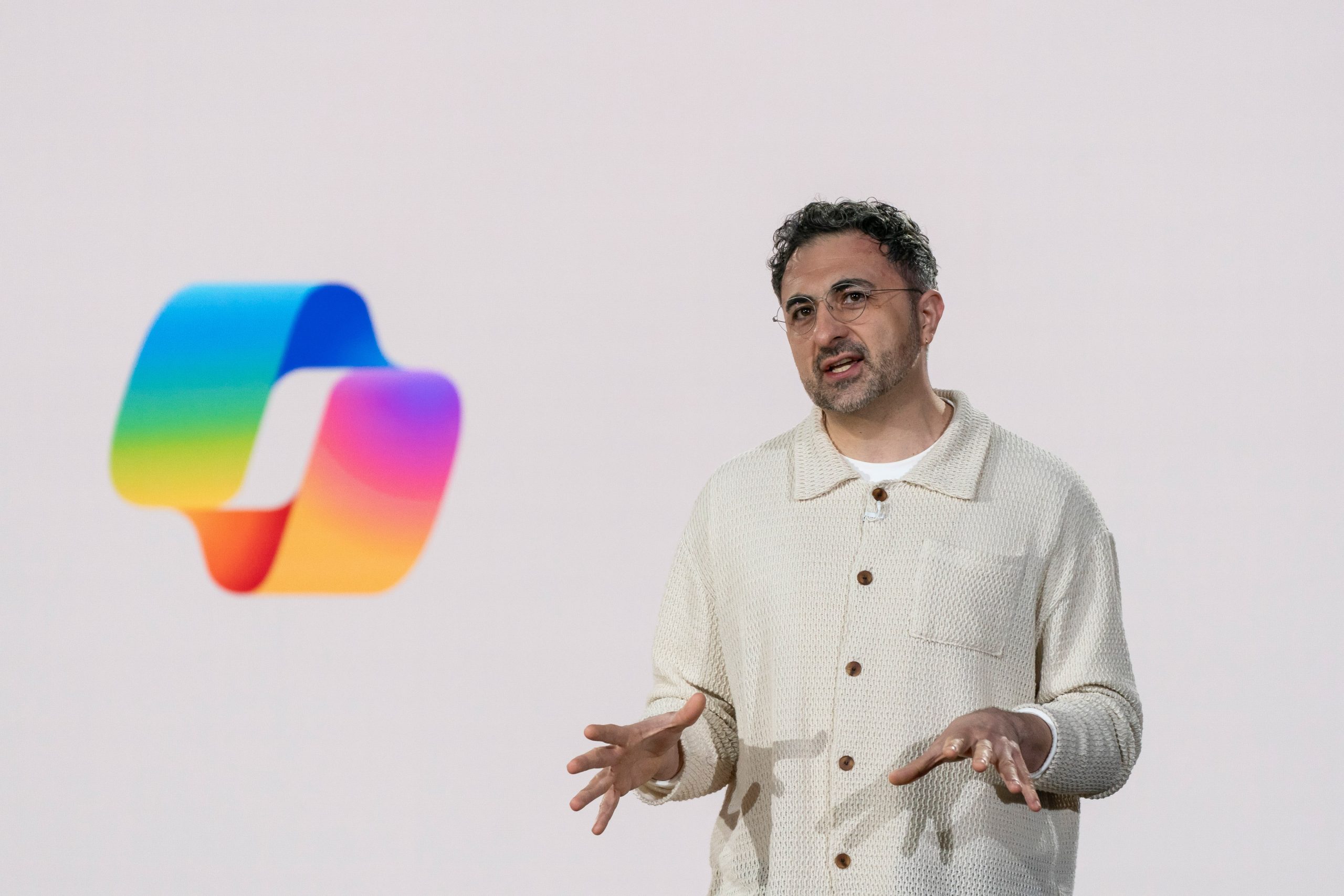
Redmond, Washington – In a significant move that underscores its deepening commitment to the artificial intelligence domain, Microsoft’s dedicated AI research division, Microsoft AI, has officially unveiled three new foundational AI models. The introduction of MAI-Transcribe-1, MAI-Voice-1, and MAI-Image-2 on April 2, 2026, marks a pivotal moment for the technology giant, signaling a vigorous push to solidify its independent multimodal AI capabilities amidst an intensely competitive landscape, even as its strategic alliance with OpenAI continues. These models, designed to generate text, audio, and video respectively, are set to broaden the accessibility and application of advanced AI technologies across various industries.
Unpacking Microsoft’s Latest AI Innovations
The newly released models represent a concerted effort by Microsoft to provide a comprehensive suite of generative AI tools. Each model is engineered to address specific needs within the burgeoning field of artificial intelligence, promising enhanced performance and efficiency for developers and enterprises.
MAI-Transcribe-1: Speed and Accuracy in Speech-to-Text
This model specializes in transcribing spoken language into text across 25 distinct languages. According to Microsoft, MAI-Transcribe-1 is engineered for exceptional speed, boasting an impressive 2.5 times faster performance compared to Microsoft’s existing Azure Fast offering. Such advancements hold significant implications for global communication, accessibility services, and business operations, where rapid and accurate transcription can streamline workflows, enhance customer service, and facilitate content localization. The ability to quickly process and convert vast amounts of audio data into searchable and editable text offers tangible benefits for sectors ranging from media and entertainment to legal and healthcare.
MAI-Voice-1: Custom Audio Generation at Scale
MAI-Voice-1 enters the market as a robust audio-generating model, capable of producing 60 seconds of high-quality audio in just one second. A key feature of this model is its capacity for custom voice creation, allowing users to develop unique vocal identities for various applications. This innovation opens new avenues for personalized digital assistants, immersive gaming experiences, synthetic media production, and content narration. The ability to generate bespoke voices could transform how brands interact with consumers and how creators produce auditory content, though it also necessitates careful consideration of ethical guidelines surrounding synthetic speech and identity.
MAI-Image-2: Pioneering Video Generation
Initially previewed on MAI Playground on March 19, MAI-Image-2 is Microsoft’s foray into the highly complex and rapidly evolving field of video generation. While specific technical details regarding its capabilities are still emerging, its inclusion underscores Microsoft’s ambition to compete directly with other major players in the multimodal AI space that are also investing heavily in video synthesis technologies. The potential applications for MAI-Image-2 are vast, spanning from automated content creation for marketing and advertising to aiding in film pre-visualization and enhancing digital storytelling.
All three models are now available on Microsoft Foundry, the company’s platform for deploying and managing AI models, with MAI-Transcribe-1 and MAI-Voice-1 also accessible through MAI Playground, a testing environment for large language models.
The Genesis of "Humanist AI": Mustafa Suleyman’s Vision
The development of these foundational models is attributed to the MAI Superintelligence team, a specialized AI research unit formed in November 2025 under the leadership of Mustafa Suleyman. As the CEO of Microsoft AI, Suleyman brings a wealth of experience from his co-founding role at DeepMind, a leading AI research company acquired by Google. His appointment and the subsequent formation of this team signaled a renewed, focused effort by Microsoft to advance its proprietary AI capabilities.
Suleyman articulated a distinct philosophy guiding the team’s work, emphasizing "Humanist AI." In a recent blog post, he elaborated on this approach: "At Microsoft AI, we’re building Humanist AI. We have a distinct view when creating our AI models – putting humans at the center, optimizing for how people actually communicate, training for practical use." This philosophy suggests a commitment to developing AI that is intuitive, user-centric, and designed to augment human capabilities rather than merely automate tasks. It also subtly addresses growing societal concerns around AI ethics, bias, and control, positioning Microsoft as a responsible innovator in the field. Suleyman’s promise of "more models from us soon in Foundry and directly in Microsoft products and experiences" hints at a continuous pipeline of innovation and deeper integration of these technologies into the company’s vast ecosystem.
Microsoft’s Dual Strategy in a Crowded AI Arena
Microsoft’s release of its own foundational models comes at a time when the generative AI market is witnessing explosive growth and intense competition. Major players like Google (with Gemini and its Search Generative Experience), OpenAI (with its GPT series, DALL-E, and Sora), Meta (with Llama), and Anthropic (with Claude) are all vying for dominance. In this context, Microsoft’s strategy appears multifaceted and highly calculated.
The OpenAI Partnership: For years, Microsoft has been a cornerstone investor in OpenAI, injecting over $13 billion into the AI research lab. This partnership has been instrumental in integrating OpenAI’s cutting-edge models into Microsoft’s products, notably through the Azure OpenAI Service and features like Copilot across Windows, Office, and other applications. This collaboration has provided Microsoft with a significant competitive edge, allowing it to rapidly deploy advanced AI capabilities to its vast customer base.
Forging an Independent Path: The introduction of MAI-Transcribe-1, MAI-Voice-1, and MAI-Image-2, however, signifies a deliberate effort by Microsoft to build out its own independent AI stack. This move suggests a strategic diversification, ensuring Microsoft is not solely reliant on a single partner for its foundational AI capabilities. While Suleyman has reaffirmed Microsoft’s commitment to OpenAI, reports indicate that a recent renegotiation of their partnership has provided Microsoft with greater autonomy to pursue its own "superintelligence" research. This dual approach allows Microsoft to leverage the strengths of OpenAI while simultaneously cultivating its proprietary technologies, potentially enabling greater control over customization, integration, and intellectual property.
This strategy mirrors Microsoft’s approach to hardware, where it both designs its own AI chips (like Maia and Cobalt) and continues to procure from external suppliers such as Nvidia and AMD. This hybrid model offers flexibility, reduces dependency, and allows for optimization across different layers of its technology stack.
Market Impact and Pricing Strategy
A critical aspect of Microsoft’s new offering is its aggressive pricing strategy. In a market where the cost of accessing and utilizing advanced AI models can be a significant barrier for many businesses, Microsoft aims to make its models more accessible. The company explicitly stated its intention for these models to be "cheaper than those from Google and OpenAI," a declaration that could disrupt current market dynamics.
- MAI-Transcribe-1: Priced at $0.36 per hour.
- MAI-Voice-1: Starts at $22 per 1 million characters.
- MAI-Image-2: Begins at $5 for 1 million tokens for text input and $33 for 1 million tokens for image output.
This competitive pricing could significantly lower the entry barrier for small and medium-sized enterprises (SMEs) and individual developers seeking to integrate advanced AI into their products and services. By offering more cost-effective alternatives, Microsoft could accelerate the broader adoption of generative AI, fostering innovation across a wider spectrum of industries. The economic implications are substantial: increased accessibility can lead to more diverse applications, drive down operational costs for businesses, and potentially spur the creation of entirely new services and markets.
The Broader Social and Cultural Implications
The rise of advanced multimodal AI models like those from Microsoft carries profound social and cultural implications. The ability to generate highly realistic synthetic speech and video, while offering immense creative potential, also raises concerns about misinformation, deepfakes, and the blurring lines between reality and artificiality. Microsoft’s "Humanist AI" philosophy suggests an awareness of these challenges, implying a focus on responsible AI development, including measures to ensure transparency, fairness, and safety. This might involve developing provenance tools for synthetic media, implementing watermarking, or investing in robust ethical AI frameworks.
On the positive side, these models can democratize content creation, enabling individuals and smaller organizations to produce high-quality media that was previously only accessible to those with significant resources. MAI-Voice-1, for instance, could revolutionize accessibility for people with speech impairments by offering highly customizable voice options. MAI-Image-2 could empower artists and creators to rapidly prototype and visualize complex ideas, fundamentally altering creative workflows.
Looking Ahead: Microsoft’s Vision for AI
Microsoft’s strategic release of these three foundational AI models is more than just a product launch; it’s a statement of intent. It solidifies the company’s position as a multifaceted leader in the AI revolution, capable of both fostering deep partnerships and driving independent innovation. The emphasis on "Humanist AI" positions Microsoft as a potentially responsible steward in the development of increasingly powerful technologies.
As the generative AI landscape continues to evolve at an unprecedented pace, Microsoft’s dual strategy of collaboration and proprietary development, coupled with an aggressive pricing model, is poised to exert significant influence. The ongoing competition among tech giants promises to accelerate innovation, making advanced AI tools more powerful, more accessible, and increasingly integrated into the fabric of daily life and global commerce. The future will reveal how these new models, and the "Humanist AI" philosophy behind them, reshape the digital world.