Amir Mahmud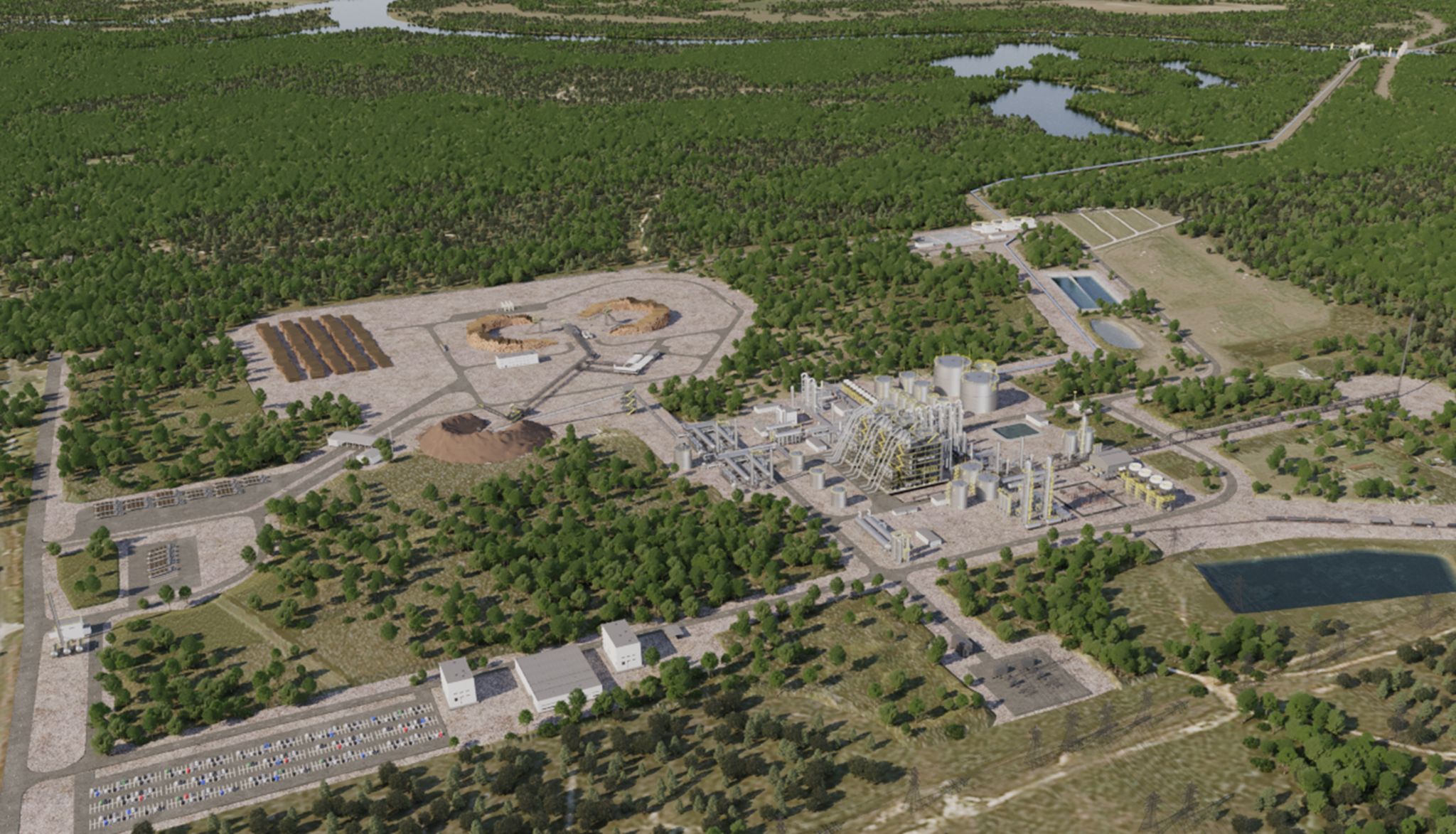
In a significant move poised to accelerate the nascent carbon removal market, Microsoft has announced a substantial purchase of 3.6 million metric tons of carbon removal credits from a new bioenergy plant in Louisiana. This long-term agreement, made with C2X, a company specializing in sustainable fuels, underscores the tech giant’s aggressive strategy to achieve its ambitious climate goals by investing in innovative, large-scale solutions for atmospheric carbon dioxide removal. The facility, slated for operation by 2029, represents a crucial step in transforming forestry waste into valuable products while simultaneously addressing the urgent need for greenhouse gas mitigation.
The Promise of Bioenergy with Carbon Capture and Storage (BECCS)
The C2X plant will utilize a process known as Bioenergy with Carbon Capture and Storage (BECCS), a technology widely recognized by climate scientists as vital for achieving net-zero emissions globally. BECCS fundamentally involves converting biomass, in this case, forestry waste, into energy or fuels. During this conversion, the biogenic carbon dioxide released is captured before it enters the atmosphere and then permanently stored, typically underground in geological formations. This process not only produces renewable energy or fuel but also results in "negative emissions," meaning it actively removes CO2 from the atmosphere that was absorbed by the plants during their growth cycle.
Specifically, the Louisiana plant will process over 1 million metric tons of forestry waste annually, converting it into more than 500,000 metric tons of methanol. Methanol serves as a versatile, lower-carbon fuel alternative for hard-to-decarbonize sectors like maritime shipping and aviation, and as a critical raw material in chemical manufacturing. Crucially, the facility is designed to capture approximately 1 million metric tons of carbon dioxide per year, which will then be sequestered, ensuring that the CO2 initially absorbed by the trees is not re-released into the atmosphere. The 3.6 million metric tons purchased by Microsoft represent a portion of the total captured carbon over the life of the agreement, highlighting a forward-looking commitment to this specific project. While BECCS holds immense potential, its deployment requires careful consideration of biomass sourcing sustainability to avoid competition with food crops, deforestation, or negative impacts on biodiversity. Rigorous lifecycle assessments are essential to confirm the net carbon benefit and ensure the entire process, from feedstock to storage, is environmentally sound.
Microsoft’s Aggressive Climate Targets and the Data Center Challenge
This latest procurement is not an isolated incident but rather a cornerstone of Microsoft’s broader, industry-leading climate commitments. In 2020, the company made a groundbreaking pledge to be carbon negative by 2030, meaning it aims to remove more carbon from the atmosphere than it emits. Furthermore, Microsoft committed to removing all of its historical operational carbon emissions since its founding in 1975 by 2050. These ambitious targets are driven by a combination of factors: increasing investor pressure for robust Environmental, Social, and Governance (ESG) performance, a desire to align with global climate goals, and a recognition of the growing risks associated with climate change.
However, achieving these goals presents a significant challenge, particularly given the rapid expansion of Microsoft’s cloud computing infrastructure and artificial intelligence capabilities. The burgeoning demand for AI and cloud services necessitates the construction and operation of an ever-growing network of data centers. These facilities are incredibly energy-intensive, requiring massive amounts of electricity for computing, cooling, and related operations. This escalating energy demand directly translates into increased greenhouse gas emissions, even as Microsoft works to power its operations with renewable energy. The company’s exponential growth in digital infrastructure has, in some analyses, imperiled its ability to meet its 2030 carbon-negative pledge through direct emissions reductions alone. Consequently, high-quality carbon removal purchases, like the one with C2X, become indispensable tools in balancing its operational footprint and bridging the gap towards its net-negative objectives. Alongside these removal credits, Microsoft continues to be a major investor in clean energy, anchoring significant deals in renewable power (solar and wind farms) and exploring advanced nuclear energy solutions to decarbonize its electricity supply.
A Growing Portfolio of Carbon Removal Investments
The C2X deal represents a continuation of Microsoft’s strategic investments across a diverse portfolio of carbon removal technologies, signaling a clear intent to drive the development and scaling of this nascent industry. Over the past year, the company has emerged as one of the largest corporate buyers of carbon removal credits globally, committing to tens of millions of metric tons across various innovative solutions.
Among its notable prior agreements, Microsoft secured a substantial 4.9 million metric ton deal with Vaulted Deep, a startup focused on geological carbon storage, which aims to sequester carbon deep within the Earth’s crust. Another significant purchase involved a 3.7 million metric ton agreement with CO280, a company developing novel approaches to carbon capture and utilization, often leveraging industrial sources or bio-based feedstocks. Furthermore, Microsoft committed to a massive 7 million metric ton buy from Chestnut Carbon, a reforestation startup dedicated to restoring forests and enhancing natural carbon sinks across North America. Each of these deals represents a distinct pathway to carbon removal, ranging from nature-based solutions to engineered approaches, reflecting Microsoft’s commitment to diversifying its portfolio and supporting a broad spectrum of technologies necessary for global decarbonization. These early, large-scale commitments from a major corporation like Microsoft are critical for de-risking new technologies, attracting further investment, and fostering the development of robust measurement, reporting, and verification (MRV) standards that are essential for the credibility of the carbon removal market. By acting as an anchor buyer, Microsoft helps provide the financial certainty that project developers need to scale up their operations.
The Broader Landscape: Market Dynamics and Societal Impact
Microsoft’s aggressive foray into carbon removal has significant implications for the broader market, societal perceptions, and the global fight against climate change. The company’s demand for high-quality, verifiable carbon removal credits is a powerful signal to innovators, investors, and policymakers that this market is maturing and offers substantial opportunities. This corporate leadership helps drive innovation and investment in technologies that are often capital-intensive and face long development timelines.
However, the increasing reliance on carbon offsets and removal technologies also sparks important debates within environmental circles and the public discourse. Critics often raise concerns about "additionality," questioning whether the carbon removal would have occurred without the credit purchase, and "permanence," scrutinizing how long the carbon will remain sequestered. While geological storage and BECCS are generally considered highly permanent solutions, natural climate solutions like reforestation require careful management to ensure long-term carbon retention in the face of climate change impacts like wildfires. There are also valid discussions around "greenwashing," where companies might be perceived as offsetting emissions rather than prioritizing direct emissions reductions. Microsoft attempts to mitigate this criticism by simultaneously investing heavily in renewable energy to power its operations, thereby pursuing a dual strategy of both reducing its direct emissions and removing historical and residual emissions. The social impact extends to the communities where these projects are located. The C2X plant in Louisiana, for instance, represents potential economic development and job creation in the region, while also introducing advanced climate technologies. Ensuring equitable benefits and addressing potential local environmental concerns remains paramount for the social license of such projects.
Looking Ahead: The Future of Corporate Climate Action
The scientific consensus is clear: to avert the most catastrophic impacts of climate change, the world needs not only aggressive reductions in greenhouse gas emissions but also the widespread deployment of carbon removal technologies. Companies like Microsoft are demonstrating that substantial private sector investment can play a pivotal role in accelerating this transition. Their commitments are helping to build the supply chain, de-risk technologies, and create the market infrastructure necessary for carbon removal to scale to the gigaton levels required by mid-century.
The trajectory set by these early movers will likely influence other corporations, encouraging them to integrate carbon removal into their own decarbonization strategies. This trend could further spur policy development, including government incentives, research and development funding, and robust regulatory frameworks for carbon capture and storage. As technology continues to advance and methodologies for measurement and verification become more sophisticated, the carbon removal market is poised for significant growth. Microsoft’s latest deal with C2X is more than just a transaction; it is a testament to the evolving landscape of corporate climate responsibility and a critical step toward realizing a carbon-negative future. Its success will depend on continued innovation, rigorous oversight, and a sustained commitment from both the private and public sectors to truly address the climate crisis at the necessary scale.