Amir Mahmud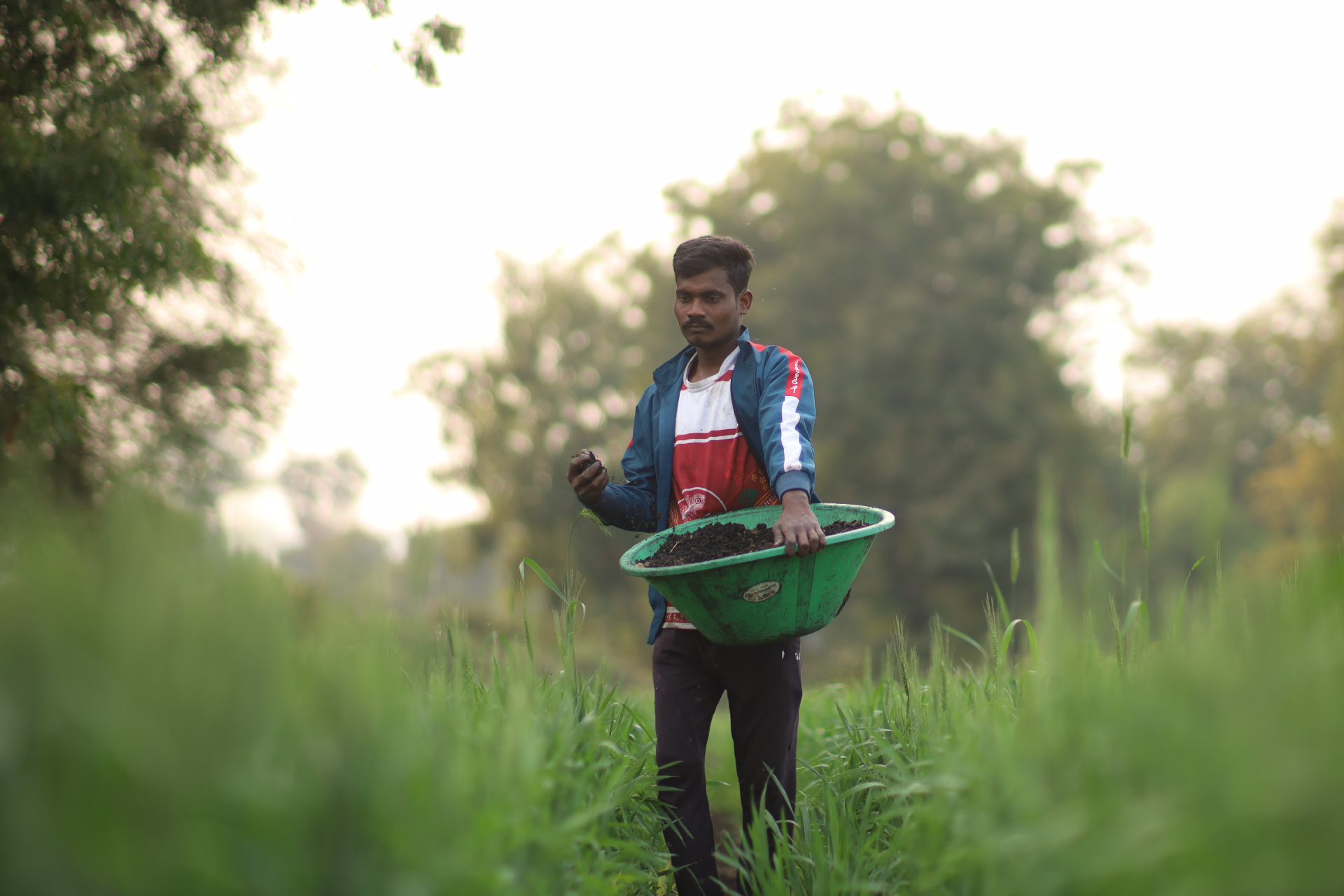
Technology giant Microsoft has forged an agreement with Indian climate tech innovator Varaha, signaling a significant expansion of its global carbon dioxide removal portfolio. The landmark deal commits Microsoft to purchasing over 100,000 tons of carbon removal credits from Varaha across a three-year timeframe, extending through 2029. This strategic investment underscores the growing urgency among leading corporations to address their environmental footprint, particularly as energy-intensive operations, such as artificial intelligence (AI) and cloud computing, continue their rapid ascent.
The Urgent Call for Carbon Removal
The global scientific consensus is unequivocal: achieving net-zero emissions by mid-century is critical to averting the most catastrophic impacts of climate change. While reducing emissions remains the primary goal, the Intergovernmental Panel on Climate Change (IPCC) and other scientific bodies increasingly emphasize that carbon dioxide removal (CDR) technologies are indispensable. These technologies actively pull existing CO2 from the atmosphere, providing a crucial tool alongside emissions reductions to stabilize the climate. The voluntary carbon market, where these credits are bought and sold, has seen an explosion of interest and investment, driving innovation in a sector vital for planetary health. However, the market faces scrutiny regarding the quality, permanence, and additionality of credits, making robust verification paramount.
Microsoft’s Ambitious Environmental Pledge and Evolving Challenges
For years, Microsoft has positioned itself as a leader in corporate sustainability. In 2020, the Redmond-based software behemoth made an ambitious commitment to become carbon-negative by 2030, meaning it would remove more carbon than it emits annually. Furthermore, it pledged to erase its entire historical carbon footprint since its founding in 1975 by 2050. This groundbreaking declaration set a high bar for the tech industry and beyond.
However, the path to carbon negativity has presented considerable challenges, particularly with the explosive growth of its cloud services and the burgeoning field of AI. These operations demand immense computational power, which translates directly into increased energy consumption and, consequently, higher greenhouse gas emissions. Microsoft’s environmental sustainability report for fiscal year 2024 revealed a 23.4% rise in total greenhouse gas emissions from its 2020 baseline, largely attributed to value-chain emissions linked to its expanding cloud and AI divisions. This underscores a critical dilemma for tech companies: how to reconcile rapid technological advancement with stringent environmental targets. As such, investments in high-quality, durable carbon removal projects become not just desirable, but essential components of their sustainability strategies.
Varaha’s Innovative Biochar Approach in Rural India
At the heart of the Microsoft-Varaha partnership lies an innovative biochar project designed to transform agricultural waste into a potent carbon sequestration tool. The initiative focuses on cotton crop waste, which in many parts of India is traditionally burned after harvest. This practice, known as stubble burning, contributes significantly to air pollution, respiratory illnesses, and the release of greenhouse gases into the atmosphere.
Varaha’s solution involves converting this crop waste into biochar – a charcoal-like substance produced through pyrolysis, a process of heating biomass in the absence of oxygen. When added to soil, biochar effectively sequesters carbon for extended periods, potentially hundreds to thousands of years, thus offering a highly durable form of carbon removal. Beyond its climate benefits, biochar enhances soil health, improves water retention, reduces the need for chemical fertilizers, and can boost crop yields, creating a virtuous cycle for farmers.
The project is initially concentrated in Maharashtra, a western Indian state known for its extensive cotton cultivation. It is projected to engage between 40,000 and 45,000 smallholder farmers, integrating them into the carbon economy and providing them with additional income streams for their crop residue. Varaha plans to establish 18 industrial reactors over the project’s 15-year operational lifetime, collectively anticipated to remove over 2 million tons of carbon dioxide. The first of these reactors is strategically located adjacent to Varaha’s 52-acre cotton research farm in Maharashtra, serving as a hub for testing and refining biochar application practices under real-world agricultural conditions.
India: A Crucial Frontier for Carbon Removal
India’s vast agricultural landscape and its substantial volumes of crop residue make it an increasingly attractive and critical market for carbon removal initiatives. The nation’s agrarian economy, characterized by millions of smallholder farmers, presents both unique challenges and immense opportunities for scaling nature-based climate solutions.
Historically, the burning of agricultural stubble, particularly in states like Punjab and Haryana, has been a persistent environmental and public health crisis. This seasonal practice creates thick blankets of smog that severely impact air quality in major urban centers, including Delhi, during winter months. Projects like Varaha’s offer a viable alternative to open-field burning, simultaneously addressing air pollution, improving soil fertility, and contributing to global carbon reduction efforts.
The engagement of tens of thousands of smallholder farmers in such projects has profound social and economic implications. It empowers rural communities by providing new revenue streams for what was once considered waste, fostering sustainable agricultural practices, and potentially reducing reliance on synthetic inputs. This community-centric model is a hallmark of effective climate action in developing economies, ensuring that environmental benefits are intertwined with socio-economic upliftment.
The Intricacies of Verification and Scalability
One of the most significant hurdles in the nascent carbon removal market is the reliable installation, operation, and rigorous verification of projects to ensure the integrity of issued credits. The process of monitoring, reporting, and verifying (MRV) carbon removal is complex, particularly when dealing with distributed networks of smallholder farmers across diverse geographies.
Varaha has distinguished itself in this challenging landscape. According to co-founder and CEO Madhur Jain, the startup’s ability to deliver high-quality, verifiable credits at scale has propelled it to become the world’s second-largest player in durable carbon deliveries. This capability was a key factor in attracting Microsoft’s attention. Microsoft’s stringent requirements for digital MRV necessitated Varaha to develop bespoke, in-house systems. Jain highlighted the inherent complexity of tracking and logistics involved in working with thousands of smallholder farmers in India, a stark contrast to biochar projects in Western economies that often concentrate biomass at a single industrial site. Varaha’s team, with over 30% having agricultural experience, has been instrumental in designing systems that function effectively on the ground, integrating local knowledge with technological innovation.
Accelerated Growth and Market Influence
Varaha has demonstrated impressive growth in its biochar operations. In 2025, the company processed approximately 240,000 tons of biomass, yielding between 55,000 and 56,000 tons of biochar and generating around 115,000 carbon credits. This represents a substantial increase from the 15,000-18,000 credits produced just a year prior. With new contracts coming online, Varaha aims to at least double its 2025 throughput in the current year, targeting around half a million tons of biomass processed and close to 250,000 tons of carbon sequestered.
Beyond biochar, Varaha’s broader portfolio encompasses 20 projects across India, Nepal, and Bangladesh, engaging approximately 150,000 farmers. These initiatives span various climate solutions, including regenerative agriculture, agroforestry, and enhanced rock weathering, collectively possessing the potential to sequester an estimated 1 billion tons of carbon dioxide over their lifetimes, ranging from 15 to 40 years.
The Microsoft deal is part of a larger trend of significant corporate investment in Varaha. Since its establishment in 2022, the startup has secured approximately $50 million in funding from prominent investors such as RTP Global, Omnivore, Orios Venture Partners, IMC Pan Asia Alliance Group’s Octave Wellbeing Economy Fund, and Japan’s Norinchukin Bank. Notably, in November, Mirova, a French climate-focused investment firm backed by Kering and other corporate entities, injected $30.5 million into Varaha to bolster its regenerative farming programs.
Broader Market Context and Future Outlook
While the Varaha agreement is a significant step, it represents a fraction of Microsoft’s overall carbon footprint. In FY2024, the company reported total greenhouse gas emissions of 15.5 million metric tons of carbon dioxide equivalent. To put this in perspective, Microsoft contracted for roughly 22 million metric tons of carbon removals in FY2024 as part of its overarching carbon-negative strategy. The company has recently entered into several other large-scale carbon removal agreements, including backing AtmosClear’s Louisiana project to remove 6.75 million metric tons of CO2 over 15 years, and purchasing 3.6 million carbon removal credits from C2X, a biofuels plant in Louisiana.
Microsoft is not alone in its pursuit of robust carbon removal solutions. Other tech giants, like Google, are also actively investing in this space, driven by similar pressures from their expanding AI operations. In January 2025, Google inked its largest biochar carbon removal deal to date, also with Varaha, for 100,000 tons of credits. This parallel investment from two of the world’s largest tech companies underscores the growing confidence in Varaha’s capabilities and the biochar methodology.
The long-term impact of these corporate partnerships extends beyond mere credit transactions. They play a crucial role in de-risking nascent carbon removal technologies, attracting further investment, and accelerating the development of a scalable and transparent global carbon market. By investing in solutions that also deliver co-benefits—such as improved air quality, enhanced soil health, and economic empowerment for farmers—these initiatives pave the way for a more holistic and equitable approach to climate action, demonstrating how technological innovation and nature-based solutions can converge to address humanity’s most pressing environmental challenges.