Amir Mahmud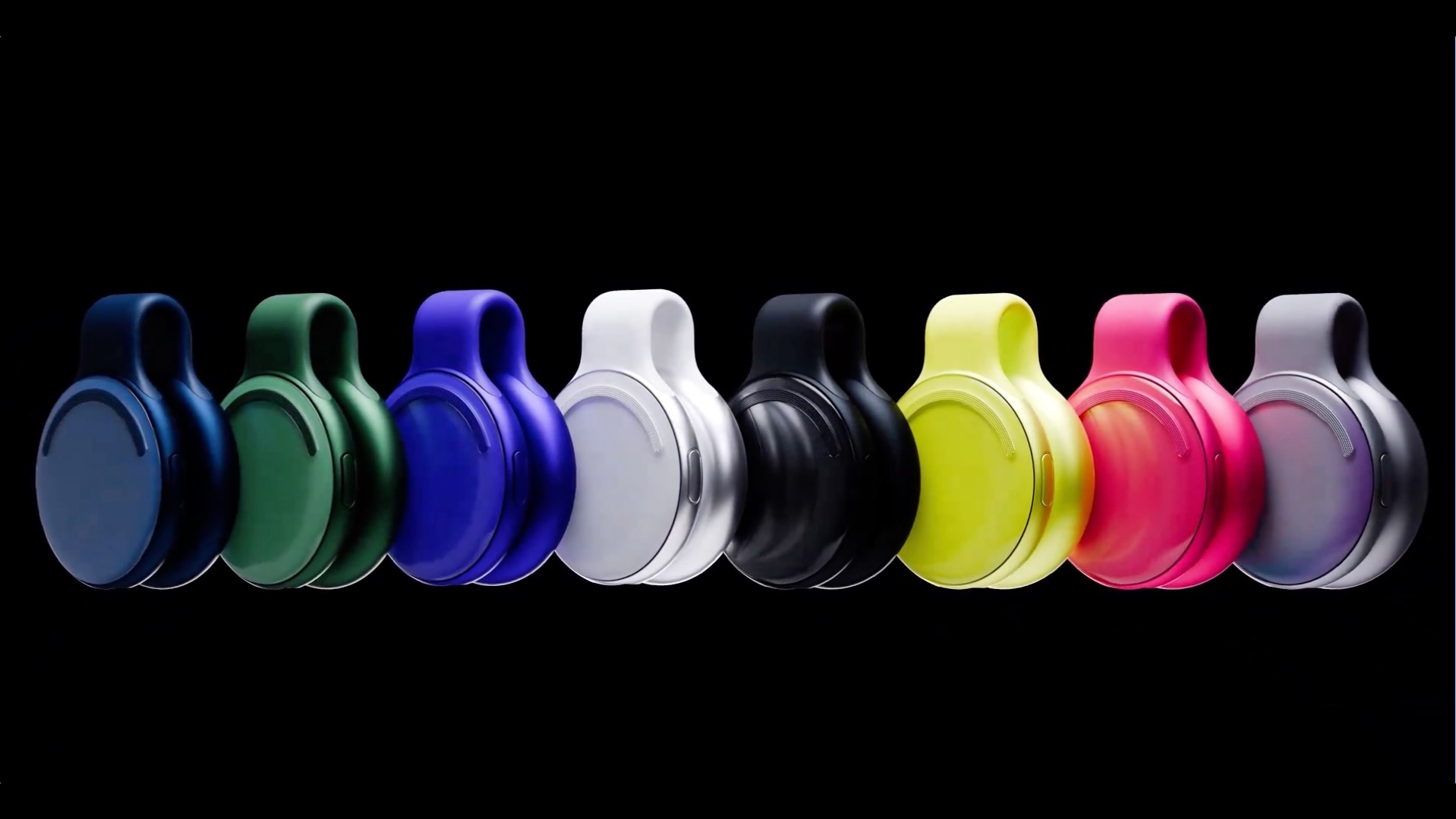
Meta Platforms, Inc. has moved to significantly bolster its ambitions in the rapidly evolving field of AI-enabled wearables, announcing the acquisition of Limitless, a startup renowned for its conversational AI pendant. This strategic move, confirmed by Limitless on its official website, underscores Meta’s accelerated commitment to developing "personal superintelligence" and integrating advanced artificial intelligence into everyday physical devices. The acquisition signals a critical inflection point for Limitless, which will cease selling its hardware devices and maintain support for its existing customer base for a transitional year, offering current subscribers an immediate upgrade to an "Unlimited Plan" without further subscription fees.
From Software Innovation to Wearable Hardware Pioneer
The journey of Limitless, originally known as Rewind AI, illustrates a dynamic pivot in response to the fast-changing technological landscape. Initially launched with a focus on desktop software that recorded users’ digital activity to create a searchable, personal memory archive, the company was founded by Brett Bejcek and Dan Siroker, the latter a co-founder and former chief executive of Optimizely, a prominent A/B testing and web optimization platform. Their initial venture aimed to solve the problem of information overload and human memory limitations by creating a comprehensive digital record of interactions.
However, recognizing the burgeoning potential and challenges within the hardware space, the company strategically transitioned last year. This pivot saw Rewind AI rebrand as Limitless and launch its flagship product: a $99 AI-powered pendant. Designed to attach discreetly to clothing or be worn as a necklace, the device promised to record real-world conversations, offering users an ambient, context-aware memory assistant. This shift from pure software to a tangible, wearable gadget positioned Limitless at the forefront of a nascent but fiercely competitive market for personal AI companions. The startup had garnered significant investor confidence, raising over $33 million from prominent venture capital firms including a16z, First Round Capital, and NEA, a testament to the perceived potential of its innovative approach.
Meta’s Expanding AI Ecosystem and Wearables Vision
This acquisition fits seamlessly into Meta’s broader, aggressive strategy to lead in the development and deployment of artificial intelligence, particularly as it intersects with hardware and immersive technologies. For years, Meta has been a significant investor in AI research, primarily leveraging it to enhance its core social media platforms like Facebook and Instagram through advanced algorithms for content ranking, personalization, and moderation. More recently, the company has intensified its focus on generative AI, developing sophisticated large language models such as the Llama series, which are openly accessible to researchers and developers.
Central to Meta’s long-term vision is Reality Labs, its division dedicated to the metaverse and augmented/virtual reality technologies. Within Reality Labs, the company has been developing a range of AI-enabled wearables, most notably its smart glasses produced in collaboration with Ray-Ban and Oakley. These devices, like the Meta Ray-Ban Display, aim to seamlessly integrate digital information and AI assistance into users’ daily lives without the need for traditional screens. The acquisition of Limitless, with its expertise in miniaturized AI hardware and conversational processing, is a direct acceleration of this ambition. Limitless’s explicit alignment with Meta’s goal of "bringing personal superintelligence to everyone" strongly suggests that its team and technology will be instrumental in enhancing Meta’s existing and future wearable offerings, rather than introducing a standalone pendant into Meta’s product lineup. This includes potential applications in improving the audio capabilities, contextual awareness, and real-time transcription features of Meta’s smart glasses, moving closer to a truly ambient computing experience.
The Broader Landscape of Personal AI Devices
The acquisition unfolds against a backdrop of intensifying competition and innovation in the personal AI hardware sector. The market for AI-powered wearables, while still in its infancy, has seen a flurry of activity and significant investment. Devices like the Humane Ai Pin and the Rabbit R1 have captured public attention, albeit with mixed reviews regarding their utility, performance, and overall user experience. The "Friend" AI pendant, mentioned in earlier reports, also highlighted the challenges of bringing such devices to market successfully. These early entrants signify a collective industry push towards moving AI beyond smartphones and computers, embedding it directly into our physical environments and personal accessories.
The inherent promise of these devices lies in their ability to offer proactive assistance, contextually aware information, and seamless interaction through natural language, reducing reliance on screen-based interfaces. However, they also face considerable hurdles, including battery life, processing power, network connectivity, and crucially, user adoption and trust. Large tech players like OpenAI, following its foundational work in generative AI, have also hinted at their own hardware ambitions, further signaling a major industry shift. Apple, with its deep integration of hardware and software and its established ecosystem of AirPods and Apple Watch, remains a formidable, if currently unannounced, potential entrant into this specific category of AI-first wearables. This competitive pressure from both startups and established giants likely played a role in Limitless’s decision to seek acquisition, as acknowledged by its co-founder Dan Siroker.
Navigating Privacy and User Trust in an Always-On World
The core technology behind Limitless’s pendant—the ability to record and process personal conversations—raises significant privacy and ethical considerations. In an era where data breaches and surveillance concerns are paramount, the concept of an always-on recording device, even for personal benefit, invites scrutiny. Users must grapple with questions of data storage, security protocols, and who has access to potentially sensitive personal information. Limitless has proactively addressed some of these concerns by providing customers with options to export or delete their data, a crucial step in maintaining user autonomy.
For Meta, a company with its own well-documented history of privacy challenges and data controversies, integrating a technology that inherently captures highly personal audio data presents both an opportunity and a significant risk. The successful integration of Limitless’s capabilities will heavily depend on Meta’s ability to demonstrate robust privacy safeguards, transparent data handling policies, and clear user controls. Building and maintaining user trust will be paramount for widespread adoption of such "personal superintelligence" devices. Public perception, regulatory scrutiny, and user acceptance will largely hinge on how Meta communicates and implements its approach to data privacy and security with this new technology. The cultural impact of such devices also bears consideration; the normalization of constant recording, even for personal use, could subtly shift societal norms around privacy in public and private spaces.
Strategic Rationale and Future Outlook
The acquisition of Limitless by Meta is a multifaceted strategic play. Firstly, it’s a talent acquisition. The Limitless team, with its specialized expertise in AI, miniaturized hardware design, and ambient computing interfaces, represents a valuable asset for Meta’s Reality Labs. Their experience in bringing a novel AI hardware product to market, despite its eventual cessation, offers invaluable lessons and capabilities. Secondly, it’s a technology acquisition. While the pendant itself may not be Meta’s future product, the underlying AI models for real-time transcription, contextual understanding of conversations, and the architecture for personal data indexing are highly valuable. These could be integrated into existing products like Ray-Ban Meta glasses to provide more intelligent, proactive assistance, or form the basis for entirely new functionalities in future AR devices.
As Dan Siroker eloquently stated in Limitless’s announcement, the world has shifted dramatically in just five years. What once seemed a "weird fringe idea" combining AI and hardware is now seen as an "inevitable" future. This sentiment captures the current zeitgeist in tech: the convergence of powerful AI and sophisticated hardware is no longer speculative, but a tangible direction for innovation. By acquiring Limitless, Meta aims to accelerate its position in this inevitable future, ensuring it has the necessary talent and foundational technology to build the next generation of personal computing interfaces. The challenge now lies in seamlessly integrating Limitless’s capabilities into Meta’s vast ecosystem, navigating the complex ethical landscape, and ultimately, delivering on the promise of truly intelligent, helpful, and trustworthy AI companions that resonate with a global audience. The road ahead for integrated AI, particularly in wearables, promises to be one of profound transformation, with Meta now possessing an even stronger hand in shaping its trajectory.