Amir Mahmud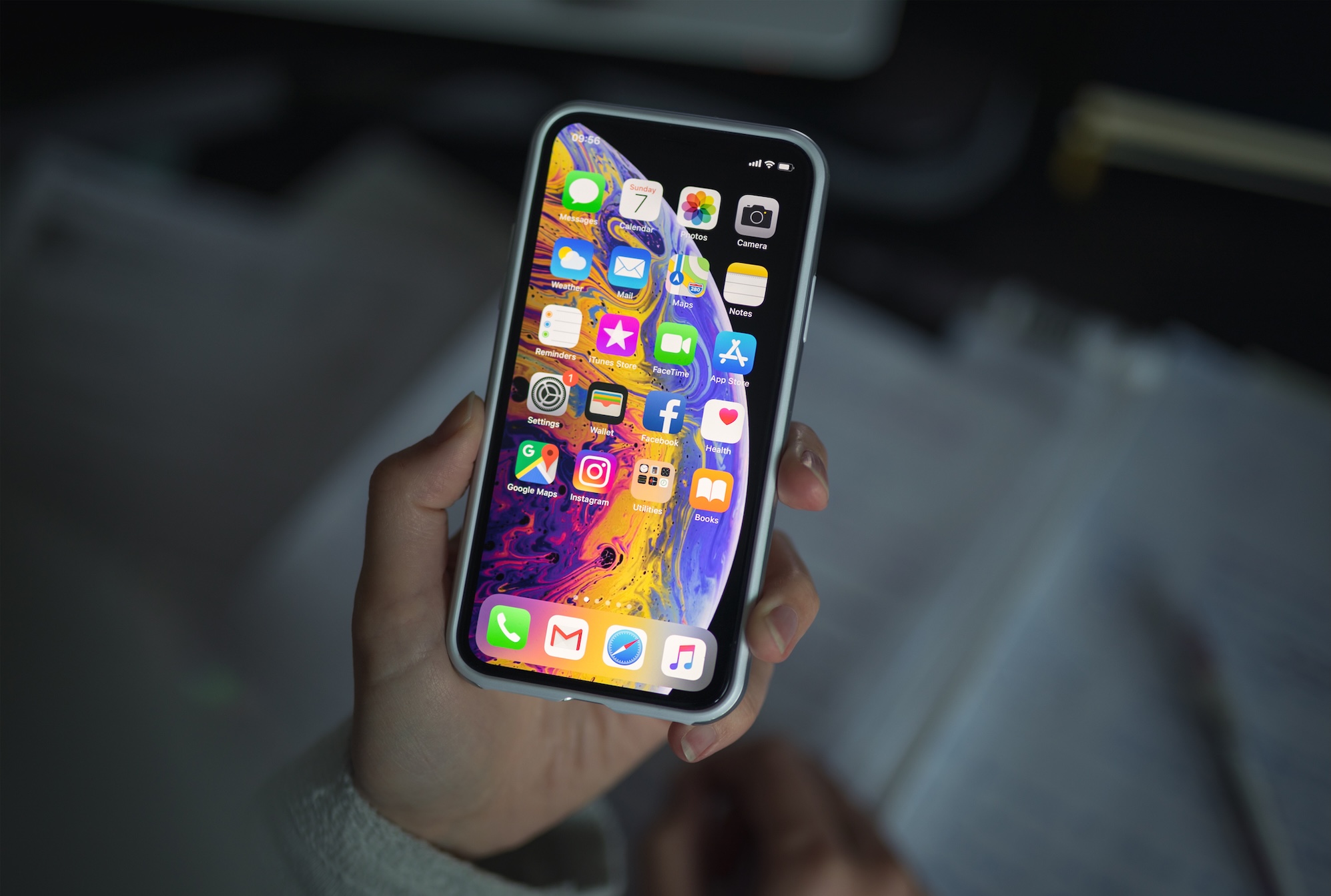
In a swift and coordinated response to emergent cyber threats, two of the world’s leading technology companies, Google and Apple, have disseminated critical software updates across their vast ecosystems. These urgent patches address sophisticated zero-day vulnerabilities that have been actively exploited in the wild, prompting a widespread call for users to update their devices immediately. The revelation underscores the persistent and evolving challenges faced by tech giants in safeguarding digital infrastructure against highly advanced hacking campaigns, often linked to state-sponsored actors or private mercenary spyware firms.
The incident unfolded with Google’s initial announcement on a Wednesday, detailing patches for several security flaws within its ubiquitous Chrome web browser. While the initial disclosure was notably sparse on specifics, it did confirm that at least one of these vulnerabilities was already being leveraged by attackers before the company could develop and deploy a fix. This "zero-day" status signifies a critical window of opportunity for malicious actors, as the software vendor is unaware of the flaw and thus unable to protect its users.
The Immediate Response and Unveiling the Threat
Days later, Google updated its advisory, shedding more light on the origins and nature of the discovered exploit. The critical vulnerability, it was revealed, had been jointly identified by Apple’s dedicated security engineering team and Google’s elite Threat Analysis Group (TAG). This collaborative discovery by two of the industry’s foremost cybersecurity entities is a testament to the complex, interconnected landscape of modern digital security. Google’s TAG is particularly renowned for its expertise in tracking advanced persistent threat (APT) groups, primarily those associated with government-backed operations and the burgeoning industry of commercial spyware vendors. This joint attribution strongly implied that the exploitation campaign was not merely the work of common cybercriminals but rather the product of highly resourced and sophisticated adversaries.
Concurrently, Apple rolled out a comprehensive suite of security updates targeting its entire product line. This included patches for iPhones, iPads, Mac computers, the innovative Vision Pro headset, Apple TV, Apple Watches, and the Safari web browser. In its security advisory for iOS and iPadOS, Apple disclosed that it had addressed two distinct vulnerabilities. The company’s language in describing the threat was particularly telling, stating awareness "that this issue may have been exploited in an extremely sophisticated attack against specific targeted individuals" on devices running versions prior to iOS 26. This phrasing is characteristic of Apple’s disclosures concerning attacks that leverage zero-day flaws, typically indicating that the targets are high-value individuals such as journalists, human rights defenders, dissidents, or political figures, rather than the general user base. Such attacks often utilize powerful, custom-built spyware, frequently developed and sold by private companies to government clients.
Understanding Zero-Day Exploits
A zero-day vulnerability refers to a software flaw that is unknown to the vendor (the "zero days" refer to the number of days the vendor has had to fix it). Because the vendor is unaware, no patch exists, making these vulnerabilities incredibly valuable to attackers. Once discovered by malicious actors, they can be exploited to gain unauthorized access to systems, steal data, or deploy malware without any prior defense mechanisms in place. The window of opportunity for attackers closes only once the vendor identifies the flaw, develops a patch, and distributes it to users.
The lifecycle of a zero-day exploit is often shrouded in secrecy and illicit markets. Security researchers, ethical hackers, and intelligence agencies might discover these flaws, sometimes reporting them responsibly to vendors. However, a darker market exists where zero-days are bought and sold for substantial sums, often reaching millions of dollars, by brokers who then sell them to government agencies, intelligence services, or cyber mercenary groups. These buyers value zero-days for their ability to facilitate covert surveillance, espionage, and offensive cyber operations, bypassing conventional security measures. The recent incidents highlight the premium placed on these vulnerabilities and the resources allocated by various entities to acquire and weaponize them.
A History of Targeted Attacks and the Surveillance Industry
The pattern of "extremely sophisticated attacks against specific targeted individuals" is not new. Over the past decade, a growing number of such incidents have come to light, revealing a disturbing trend in the digital surveillance landscape. Companies like Israel’s NSO Group, with its infamous Pegasus spyware, and Italy’s Hacking Team (now Memento Labs), have repeatedly been implicated in developing and selling powerful surveillance tools that leverage zero-day vulnerabilities. These tools allow clients, often national governments, to remotely and silently infiltrate target devices, extracting messages, photos, and even activating microphones and cameras without the user’s knowledge.
Google’s Threat Analysis Group, in particular, has a long track record of exposing these campaigns. Their investigations have frequently linked these zero-day exploits to government-backed entities targeting political dissidents, journalists, lawyers, and human rights activists in various countries. Similarly, Apple has taken a more aggressive stance against such abuses, filing lawsuits against spyware makers and enhancing its security features. The ongoing cat-and-mouse game between these tech giants and the developers of mercenary spyware underscores the continuous need for vigilance and innovation in cybersecurity. Past incidents involving zero-days have often led to major security updates and public discourse on the ethics of surveillance technology, solidifying the understanding that these aren’t just technical issues but deeply rooted human rights concerns.
The Collaborative Defense and Its Implications
The joint discovery by Apple and Google’s TAG is a significant development. While these companies are fierce competitors in the consumer market, their collaboration on critical security issues demonstrates a shared commitment to protecting their users from the most potent threats. It suggests an increasing realization that defending the digital ecosystem requires collective effort, especially when facing adversaries with state-level resources. This collaborative approach enhances the speed and accuracy of threat intelligence, allowing for faster patching and more robust defenses.
Such cooperation is crucial because the digital supply chain is deeply intertwined. A vulnerability in one component, like a widely used browser engine (which both Chrome and Safari rely on to some extent), can have cascading effects across multiple platforms. The disclosure itself, though initially vague, reflects a delicate balance companies must strike between informing users and preventing attackers from gaining further insight into the vulnerabilities before patches are widely adopted. The subsequent update by Google to credit Apple’s team indicates a commitment to transparency within the security community, even if full technical details remain undisclosed to the public for strategic reasons.
Broader Market, Social, and Cultural Impact
The persistent threat of zero-day attacks has profound implications beyond the immediate security patches. For consumers, these incidents can erode trust in the security of their devices and the digital platforms they rely upon daily. While "targeted individuals" are the primary focus of these sophisticated attacks, the existence of such powerful tools raises concerns for everyone’s digital privacy and safety. The knowledge that a flaw could exist, unbeknownst to even the most vigilant tech companies, underscores the inherent fragility of digital security.
Culturally, these events contribute to a heightened awareness of cybersecurity risks, pushing users to adopt better practices like regular software updates. However, it also highlights a growing divide between the security capabilities of average users and the advanced tactics of nation-state actors. The "arms race" in cybersecurity has escalated, with significant financial and human resources being poured into both offensive and defensive capabilities.
Economically, the zero-day market itself is a multi-million dollar industry, driven by demand from governments and intelligence agencies. This market creates perverse incentives, as highly skilled researchers might be tempted to sell vulnerabilities to the highest bidder rather than report them responsibly. Furthermore, the cost of responding to and mitigating zero-day exploits for tech companies is substantial, encompassing research, development, deployment, and potential reputational damage.
Looking Ahead: The Perpetual Race
The recent emergency updates from Google and Apple serve as a stark reminder of the continuous, high-stakes battle being waged in the cybersecurity domain. As technology becomes more integrated into every aspect of life, the incentives for malicious actors, particularly those backed by states, to find and exploit vulnerabilities only grow stronger. The collaborative efforts seen in this incident represent a positive step towards a more unified defense, but the fundamental challenge remains: how to secure increasingly complex software and hardware against adversaries who are constantly innovating.
For users, the message is clear: regular software updates are not merely optional convenience but a critical line of defense. These updates often contain vital security patches that protect against the latest threats, including those that have already been exploited. The digital landscape will continue to evolve, and with it, the methods of attack and defense. The perpetual race between those who seek to exploit vulnerabilities and those who strive to protect against them will undoubtedly define the future of digital security.