Amir Mahmud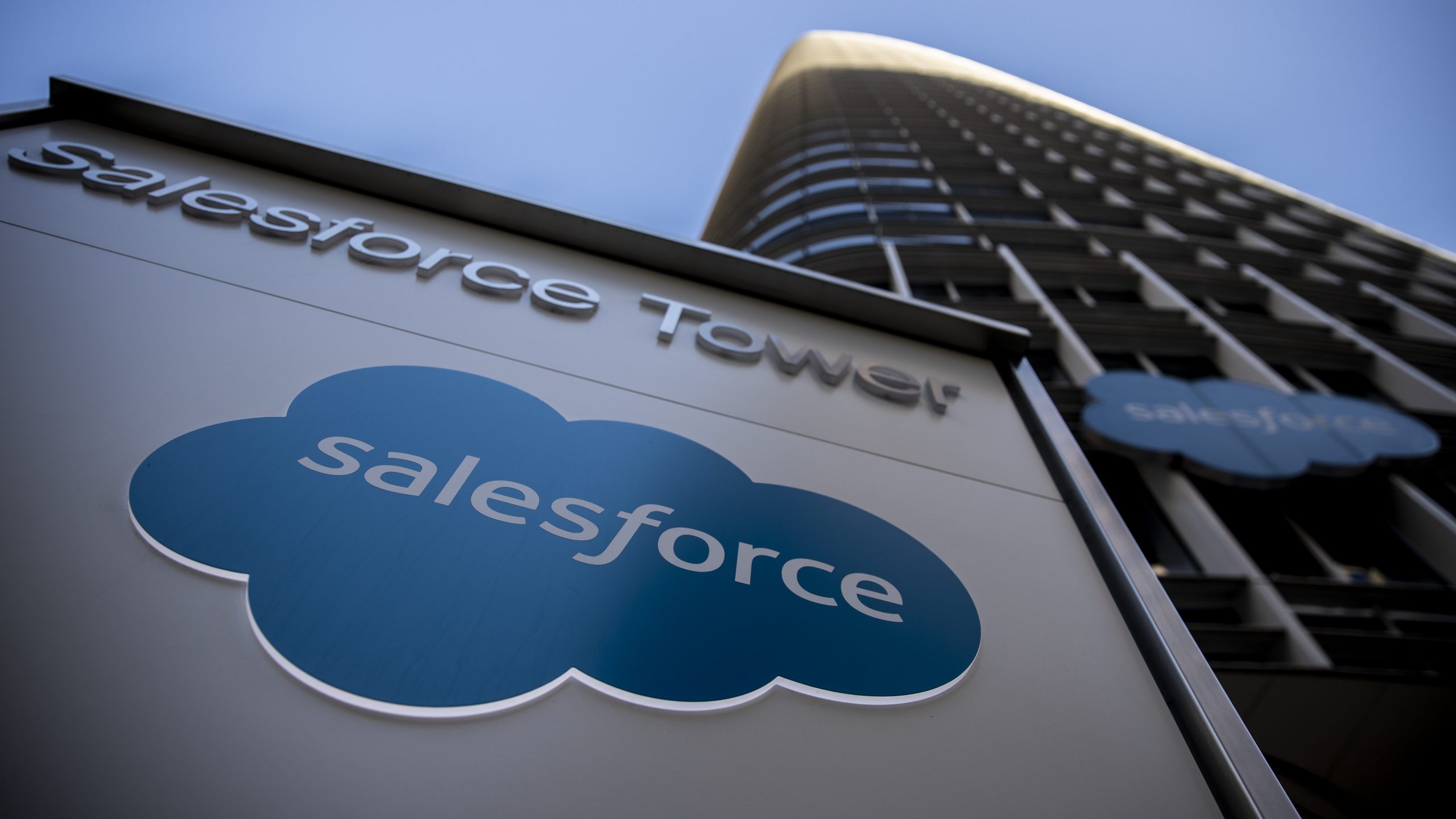
Salesforce, a global leader in customer relationship management (CRM) software, announced on Wednesday that it is actively investigating a security incident that resulted in unauthorized access to specific customer data. The breach reportedly occurred through applications published by Gainsight, a company specializing in customer success platforms, highlighting the persistent vulnerabilities inherent in complex digital supply chains.
The Unfolding Incident
The investigation began after Salesforce detected suspicious activity linked to its ecosystem. In a public notice issued late Wednesday, the company clarified that the compromise affected "certain customers’ Salesforce data" through "Gainsight-published applications connected to Salesforce, which are installed and managed directly by customers." This distinction is critical, as Salesforce explicitly stated there was "no indication that this issue resulted from any vulnerability in the Salesforce platform." Instead, the activity appears to stem from Gainsight’s "external connection to Salesforce," pointing to a potential compromise originating outside of Salesforce’s core infrastructure but impacting its customer data through integrated third-party applications.
Initially, Gainsight’s public status page referenced a "Salesforce connection issue" without directly acknowledging a data breach. The company stated its "internal investigation is ongoing." This discrepancy in public messaging often occurs in the early stages of a cyber incident, as companies work to understand the full scope and impact before making definitive statements. As the situation evolved, the full gravity of the situation became clearer, revealing a more extensive compromise than initially indicated.
Understanding the Interconnected Cloud Ecosystem
To fully grasp the implications of this incident, it’s essential to understand the intricate architecture of modern cloud services. Salesforce stands as a foundational pillar for millions of businesses worldwide, offering a comprehensive suite of cloud-based applications for sales, service, marketing, analytics, and more. Its strength lies not only in its core offerings but also in its vast AppExchange marketplace, which hosts thousands of third-party applications designed to extend and enhance Salesforce functionalities. These applications, like those offered by Gainsight, integrate deeply with Salesforce, often requiring significant access permissions to customer data to perform their intended functions.
Gainsight, as a prominent player in the customer success space, provides a platform that helps businesses reduce churn, increase upsells, and foster stronger customer relationships. Its software analyzes customer data, often pulled directly from CRM systems like Salesforce, to provide insights and automate engagement. For Gainsight’s applications to function, they must establish a secure, programmatic connection to a customer’s Salesforce instance, granting them access to various data points, including potentially sensitive customer information. This interconnectedness, while enabling powerful business solutions, simultaneously creates potential vectors for cyberattacks. When a third-party vendor with extensive access to a core platform is compromised, it can have cascading effects across the entire ecosystem, impacting numerous shared customers.
The Shadowy World of Financially Motivated Cybercrime
Adding a critical layer to this developing story, the notorious hacking collective ShinyHunters has claimed responsibility for the breach. Speaking to cybersecurity news outlets, the group asserted its involvement, further indicating a pattern of financially motivated cybercrime. ShinyHunters is known for its strategy of exfiltrating large volumes of data and then attempting to extort the affected companies, threatening to publish the stolen information on dedicated leak sites if their demands are not met. This tactic is a common hallmark of modern ransomware and data extortion groups, shifting the focus from system disruption to data confidentiality.
The hackers explicitly mentioned that "The next [data leak site] will contain the data of the Salesloft and Gainsight campaigns," suggesting a coordinated or sequential attack strategy. They further claimed to have stolen data from nearly a thousand companies, underscoring the potential breadth of this compromise and the significant financial incentive driving such operations. These groups operate with a high degree of sophistication, constantly seeking out vulnerabilities in interconnected systems to maximize their illicit gains. Their activities highlight the evolving landscape of cyber threats, where attackers increasingly target the weakest link in a complex digital supply chain rather than attempting to directly penetrate hardened core systems.
A Troubling Precedent: The Salesloft Connection
This incident bears striking similarities to an earlier, significant breach that occurred in August, involving AI marketing chatbot maker Salesloft. In that case, hackers exploited vulnerabilities within Salesloft’s systems, gaining unauthorized access to a number of their customers’ connected Salesforce instances. This allowed the attackers to steal sensitive data, including critical access tokens for other services, effectively using Salesloft as a pivot point to compromise its clients’ data held within Salesforce.
The list of victims from the Salesloft-linked breaches was extensive and high-profile, featuring a diverse array of major corporations across various sectors. These included insurance giant Allianz Life, cybersecurity firms Bugcrowd and Proofpoint, cloud infrastructure provider Cloudflare, tech behemoth Google, luxury fashion conglomerate Kering, airline Qantas, automotive giant Stellantis, credit bureau TransUnion, and human resources platform Workday, among others. The sheer scale and diversity of these previous victims underscore the profound impact that a single compromised third-party vendor can have across the entire digital economy.
In the Salesloft incidents, the hacking group "Scattered Lapsus$ Hunters," which reportedly includes members of the ShinyHunters gang, claimed responsibility. This connection further solidifies the emerging pattern and suggests a targeted campaign against companies that integrate deeply with major cloud platforms. Last month, these same hackers escalated their extortion efforts by launching a dedicated website specifically to pressure victims of the Salesloft-linked breaches, threatening to release a staggering one billion records if their demands were not met. Gainsight itself had previously confirmed it was among the victims of the Salesloft-linked breaches, although it remained unclear at the time if this new wave of attacks originated from that earlier compromise or represented a distinct, but related, security event. The current incident suggests a continued, if not renewed, focus by these threat actors on the Salesforce ecosystem via third-party integrations.
Broader Implications and the Shared Responsibility Model
These successive breaches underscore a critical challenge in cloud computing: the "shared responsibility model" for security. In this model, the cloud provider (like Salesforce) is responsible for the security of the cloud (i.e., its infrastructure, underlying services, and platform), while the customer (and by extension, its third-party application providers like Gainsight and Salesloft) is responsible for security in the cloud (i.e., data, applications, configurations, access management, and network controls). While Salesforce asserts its platform itself was not compromised, the fact that customer data was accessed through a third-party application connected to its platform highlights the complexities and potential blind spots in this shared model.
The market impact of such incidents is significant. Businesses rely heavily on the integrity and security of their cloud providers and their extensive networks of integrated applications. Each breach erodes trust, not only in the directly affected vendors but potentially in the broader cloud ecosystem. Companies using these platforms are now compelled to conduct deeper due diligence on every third-party application they integrate, scrutinizing their security postures, access permissions, and data handling practices. This heightened scrutiny could lead to a re-evaluation of digital supply chain risks and potentially influence procurement decisions, favoring vendors with demonstrably robust security frameworks.
From a social and cultural perspective, these breaches contribute to a growing sense of unease among consumers and businesses about data privacy. With personal and corporate information routinely exposed, the expectation of digital privacy diminishes, and the burden of protection often falls back on individuals to mitigate risks like identity theft or targeted phishing. Regulatory bodies globally, such as those overseeing GDPR in Europe or CCPA in California, are increasingly imposing stricter requirements and heavier penalties for data breaches, pushing companies to invest more heavily in cybersecurity. The cumulative effect of these incidents is a systemic re-evaluation of how data is stored, accessed, and protected in an increasingly interconnected digital world.
Moving Forward: Enhancing Ecosystem Security
As investigations continue, both Salesforce and Gainsight face the immediate task of understanding the full extent of the compromise, identifying all affected customers, and implementing robust remediation measures. For customers, the immediate priority is to assess their exposure, review access logs for suspicious activity, and potentially revoke or rotate credentials for any Gainsight-connected applications.
The recurring nature of these supply chain attacks against major cloud platforms signals a critical need for enhanced security across the entire digital ecosystem. This includes more rigorous vetting of third-party applications, continuous monitoring of integration points, and the adoption of "zero-trust" principles where every access request is verified, regardless of origin. For cloud providers, this may mean offering more granular control over third-party app permissions and better tools for customers to monitor data access. For third-party vendors, it necessitates an unwavering commitment to cybersecurity best practices, recognizing their pivotal role as gatekeepers to sensitive customer data. The ongoing saga underscores that in the interconnected cloud era, the security of one is inextricably linked to the security of all.