Amir Mahmud
The iconic streets of London are poised to become a critical battleground for the future of urban mobility, with major global ride-sharing platforms Uber and Lyft announcing plans to commence testing of Baidu’s Apollo Go robotaxis in the city by 2026. This move signals a significant acceleration in the race to deploy autonomous vehicle (AV) technology in one of the world’s most complex and densely populated urban environments, placing the British capital at the forefront of this technological transformation alongside existing initiatives by Waymo and local innovator Wayve.
The Global Race for Autonomous Dominance
The deployment of self-driving vehicles represents a pivotal shift in the transportation landscape, promising enhanced safety, operational efficiency, and potentially lower costs compared to human-driven alternatives. Companies worldwide, ranging from established automotive manufacturers to technology giants and nimble startups, have invested billions into developing sophisticated AI and sensor systems capable of navigating the unpredictable intricacies of real-world driving. The vision is clear: a future where fleets of autonomous vehicles provide on-demand, reliable transportation, reducing traffic congestion, accidents, and the environmental footprint of personal vehicles.
The journey towards widespread autonomous adoption has been a long and challenging one. Early pioneers like DARPA’s Grand Challenge in the mid-2000s demonstrated the nascent capabilities of self-driving cars, paving the way for corporate ventures. Google’s self-driving car project, later spun out as Waymo in 2009, was among the first to log millions of miles on public roads, gradually moving from testing to limited commercial operations in cities like Phoenix, Arizona, and later San Francisco. Similarly, numerous Chinese tech firms, notably Baidu with its Apollo platform, have made significant strides, operating extensive robotaxi services in multiple cities across China. These early deployments have provided invaluable data and insights, but scaling the technology globally presents a new set of hurdles, from diverse regulatory frameworks to varied infrastructure and public acceptance levels.
London: A Formidable Testing Ground
The choice of London as a key testing ground underscores its strategic importance and unique challenges. As a mega-city with a rich historical tapestry, its infrastructure presents a formidable test for autonomous systems. The city features a labyrinthine network of narrow, winding streets, numerous roundabouts, complex intersections, varying speed limits, and a dynamic mix of traffic, including buses, taxis, cyclists, and pedestrians. Furthermore, London’s notoriously unpredictable weather, from persistent drizzle to occasional fog, adds another layer of complexity for sensor-based navigation systems.
The city’s robust public transport system, including the Tube, buses, and rail networks, means that any new mobility solution must demonstrate a clear value proposition to complement existing services rather than simply replace them. For autonomous vehicles, navigating London’s diverse urban landscape will require exceptionally advanced perception, prediction, and planning capabilities. Success here would serve as a powerful validation of the technology’s maturity and adaptability, signaling its readiness for deployment in other major global cities.
Regulatory Landscape and Local Players
Before any autonomous vehicle can ferry passengers on London’s roads, it must secure stringent local regulatory approvals. The United Kingdom has been proactive in developing a framework for autonomous vehicles, culminating in the recent passage of the Automated Vehicles Act. This landmark legislation, considered one of the most comprehensive globally, establishes a clear legal basis for self-driving cars, defining liability in the event of an accident and setting high safety standards. This regulatory clarity is a crucial factor attracting AV developers, as it provides a predictable environment for testing and eventual commercialization.
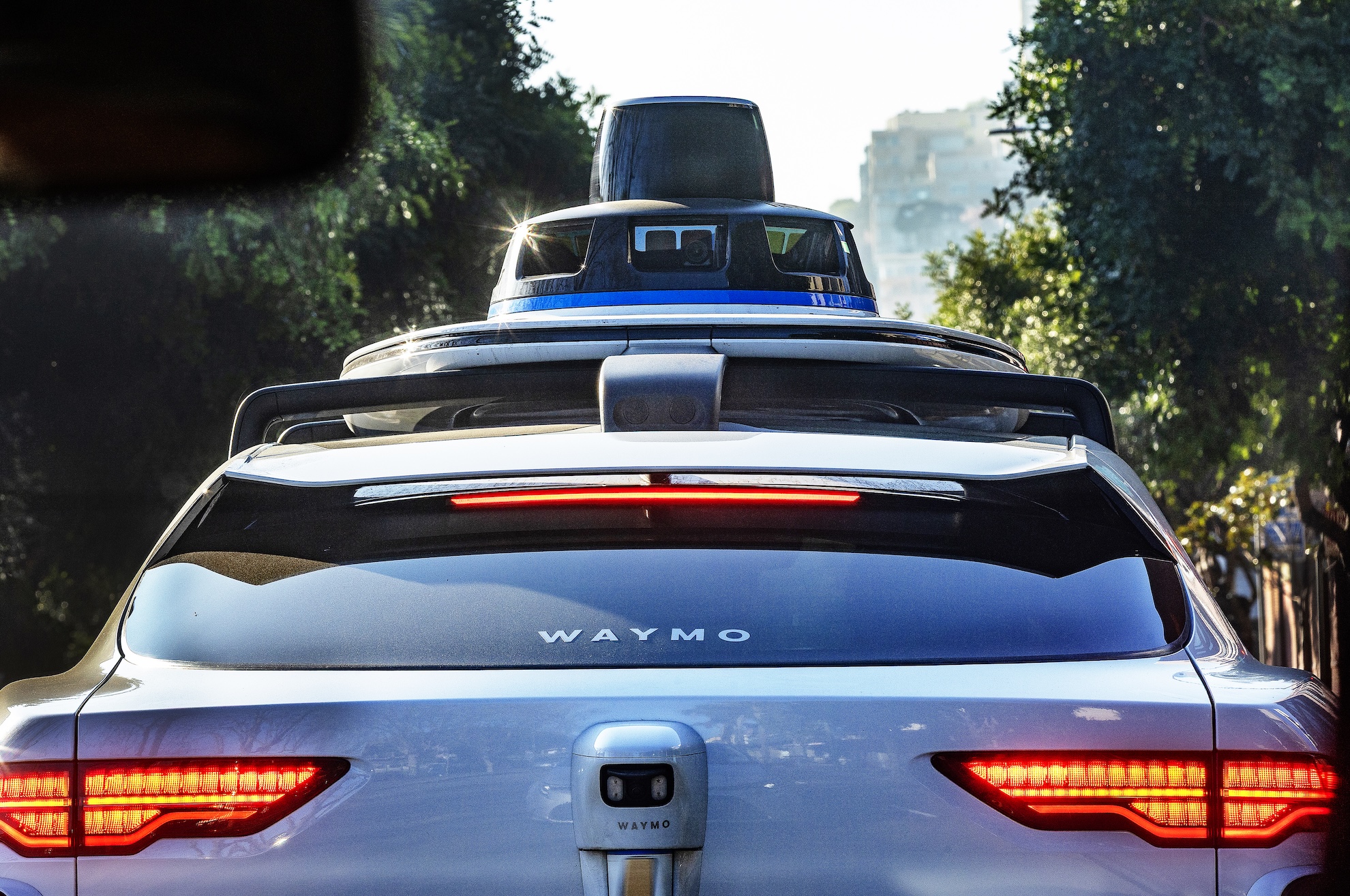
Uber and Lyft’s entry follows in the tire tracks of other autonomous pioneers already making inroads. Waymo, Google’s autonomous driving unit, has publicly expressed interest and initiated preliminary mapping and data collection efforts in London, leveraging its extensive experience from its operations in the U.S. Their methodical approach suggests a careful evaluation of the city’s unique complexities. Crucially, a homegrown innovator, Wayve, has been developing its AV technology in London for several years. Wayve’s distinctive approach focuses on "end-to-end deep learning," where a single AI model learns to drive directly from raw sensor data, potentially offering a more generalizable and scalable solution compared to rule-based or modular systems. Their local presence provides them with an inherent advantage in understanding London’s specific driving nuances and navigating its regulatory pathways. The collective presence of these diverse players highlights London’s growing significance as a global hub for autonomous vehicle research and deployment.
Strategic Alliances: Uber, Lyft, and Baidu’s Apollo Go
The announcements from Lyft CEO David Risher and Uber confirm their respective partnerships with Baidu’s Apollo Go platform. Lyft, through Risher’s posts on X and LinkedIn, detailed plans to commence testing of Baidu’s electric RT6 SUVs upon receiving local regulatory approval, with an ambition to scale to "hundreds" of vehicles thereafter. While no specific timeline for a full commercial launch was provided, the intent to rapidly expand reflects a strategic imperative. Uber, having previously announced its deal with Baidu in July, expects its London testing phase to begin in the first half of 2026.
These partnerships signify a strategic evolution for both Uber and Lyft. Both companies initially pursued in-house autonomous vehicle development, with Uber investing heavily in its Advanced Technologies Group (ATG) before selling it to Aurora in 2020. Lyft similarly divested its self-driving division to Toyota’s Woven Planet (now Woven by Toyota) in 2021. This pivot away from proprietary R&D towards strategic collaborations with dedicated AV technology providers like Baidu, Waymo, and Motional (a joint venture between Hyundai and Aptiv) is a pragmatic response to the immense capital expenditure and technical complexity involved in developing full self-driving capabilities. By partnering, Uber and Lyft can leverage proven technology and accelerate deployment without bearing the full burden of R&D, thereby focusing on their core strengths: market penetration, logistics, and customer experience.
For Baidu, a Chinese technology giant often dubbed "China’s Google," the international expansion of its Apollo Go platform is a critical step in establishing its global leadership in autonomous driving. Apollo Go is already a dominant force in China, operating extensive robotaxi services in dozens of cities, including Beijing, Shanghai, Guangzhou, and Shenzhen. The RT6, Baidu’s purpose-built, production-ready autonomous electric SUV, represents the culmination of years of development, designed from the ground up for driverless operation. Its deployment in London would provide Baidu with invaluable data from a new, highly complex urban environment, further refining its algorithms and expanding its operational domain. This cross-continental collaboration allows Baidu to tap into established ride-sharing networks and gain access to international markets that might otherwise be difficult to penetrate independently due to regulatory and cultural barriers.
Market, Social, and Cultural Impacts
The introduction of robotaxis promises to have far-reaching impacts across various societal dimensions. Economically, widespread autonomous fleets could significantly alter the labor market, potentially displacing human drivers while creating new jobs in areas such as remote vehicle monitoring, maintenance, data analysis, and software development. The operational cost savings associated with removing human drivers (wages, benefits) could lead to lower fares, making ride-sharing more accessible and competitive with public transport or personal car ownership. This, in turn, could influence urban planning, reducing the demand for parking spaces and potentially reshaping cityscapes.
Socially, autonomous vehicles could offer enhanced mobility options for demographics currently underserved by traditional transport, such as the elderly or individuals with disabilities. A future with fewer privately owned cars, enabled by ubiquitous ride-sharing services, might also lead to less traffic congestion and a reduction in road accidents, given the promise of AVs to eliminate human error. Environmentally, the predominant use of electric autonomous vehicles could significantly reduce urban air pollution and carbon emissions, contributing to cleaner, greener cities.
However, cultural acceptance remains a critical hurdle. Public trust in autonomous technology is still evolving, often shaped by media reports of accidents or technological glitches. Londoners, known for their pragmatic approach and strong opinions on public services, will likely scrutinize the safety and reliability of robotaxis closely. Ethical considerations surrounding accident liability, the decision-making algorithms embedded in AVs, and data privacy will also require careful public discourse and robust legal frameworks. The transition will necessitate clear communication, transparent testing, and a gradual integration process to build confidence among the populace.
Analytical Commentary: Challenges and the Road Ahead
While the planned London trials represent an exciting leap forward, numerous challenges persist on the path to widespread autonomous adoption. Regulatory harmonization across different jurisdictions remains a complex issue, as each city and country may impose unique requirements. Scaling operations from a few dozen test vehicles to hundreds or thousands requires robust infrastructure, sophisticated fleet management systems, and a highly reliable support network. Competition in the AV space is fierce, with ongoing technological advancements necessitating continuous investment and innovation. Cybersecurity concerns are also paramount, as autonomous vehicles are essentially computers on wheels, vulnerable to hacking or system failures.
The "last mile" problem – efficiently transporting people from transit hubs to their final destinations – is one area where robotaxis could offer significant value, seamlessly integrating with London’s existing public transport network. However, true integration requires collaborative planning between AV operators, city authorities, and public transport providers.
Looking ahead, the long-term vision for autonomous vehicles involves their seamless integration into broader smart city initiatives, optimizing traffic flow, energy consumption, and urban services. The initial trials in London in 2026 will provide crucial insights into the real-world performance of Baidu’s Apollo Go technology within a challenging European urban environment, as well as test the efficacy of the UK’s regulatory framework. The speed at which these trials transition from limited testing to widespread commercial deployment will depend not only on technological maturity but also on public policy, infrastructure readiness, and, crucially, public confidence.
In conclusion, the convergence of global ride-sharing giants Uber and Lyft with China’s autonomous driving leader Baidu, set against the backdrop of London’s unique urban landscape, marks a pivotal moment in the global quest for autonomous mobility. As Waymo and Wayve also push forward with their initiatives, London is set to become a vibrant crucible for the future of transportation, where cutting-edge technology will be rigorously tested against the demands of one of the world’s most dynamic cities. The coming years will undoubtedly shape the trajectory of driverless vehicles, offering a glimpse into a potentially transformative era for urban travel.