Amir Mahmud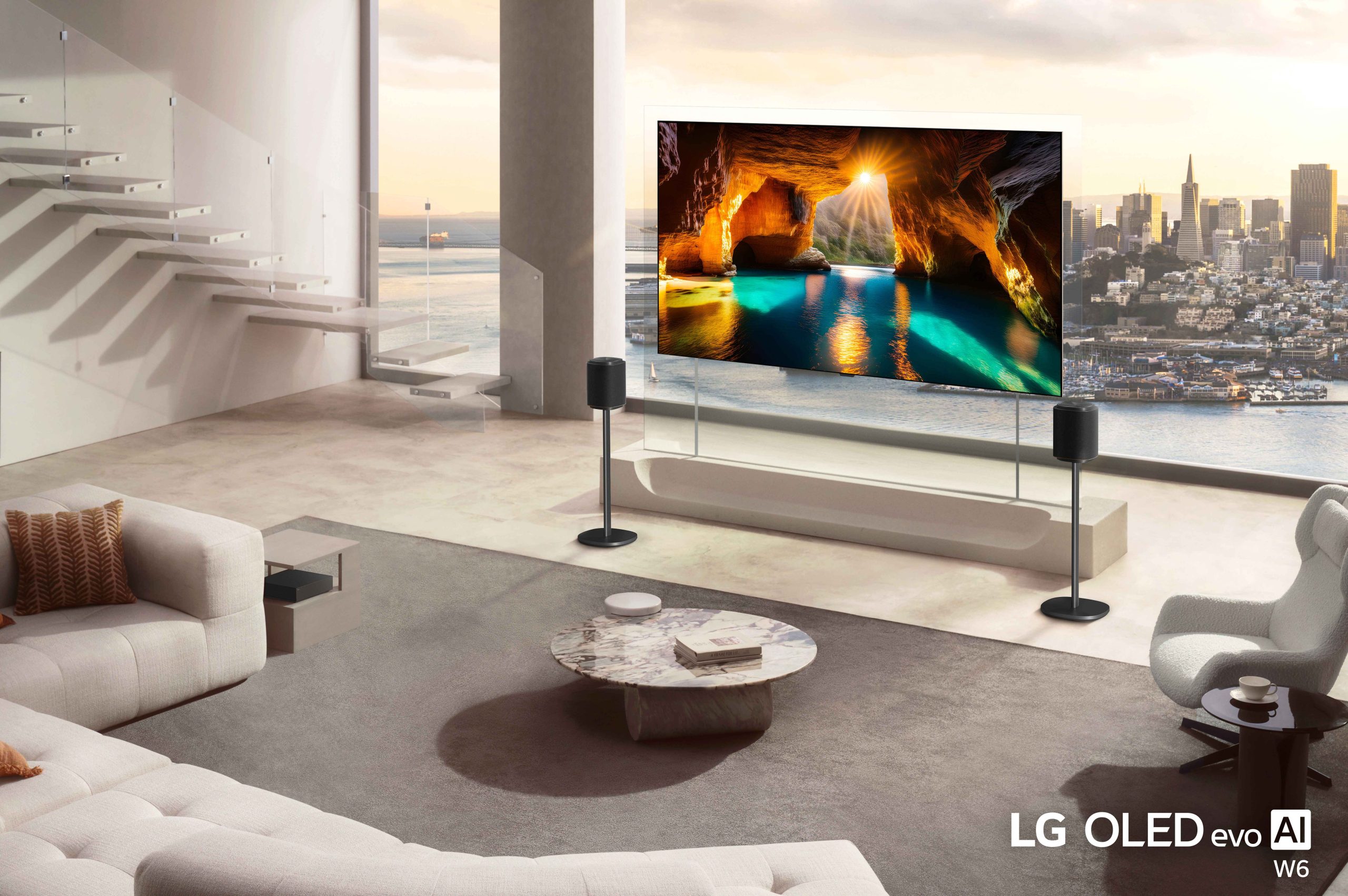
The annual Consumer Electronics Show (CES), a global stage for technological innovation, once again saw display technology take center stage, with LG Electronics captivating audiences by unveiling its latest engineering marvel: an ultra-thin Wallpaper OLED TV that measures an astonishing 9 millimeters in thickness. This groundbreaking model, dubbed the OLED evo W6, not only pushes the boundaries of sleek design but also integrates a revolutionary wireless connectivity solution, signaling a significant leap forward in home entertainment aesthetics and functionality.
A Legacy Forged in Display Innovation
LG’s journey to this moment is rooted in a decades-long commitment to display technology, particularly its pioneering efforts in Organic Light-Emitting Diode (OLED) screens. Unlike traditional Liquid Crystal Display (LCD) panels, which rely on a backlight to illuminate pixels, OLED technology allows each individual pixel to emit its own light and turn completely off. This fundamental difference is the bedrock of OLED’s superior image quality, offering perfect blacks, infinite contrast ratios, and vibrant, lifelike colors that are unparalleled by conventional display methods. The absence of a backlight also enables the creation of incredibly thin and flexible displays, a characteristic LG has masterfully exploited.
The company began its significant investment in OLED research and development in the early 2000s, facing initial skepticism regarding production costs, yield rates, and concerns like "burn-in." However, LG Display, the panel manufacturing arm, persevered, eventually achieving mass production of large-sized OLED panels by the early 2010s. This commitment transformed the premium TV market, establishing OLED as the gold standard for picture quality and ushering in an era where consumers could experience cinema-grade visuals in their living rooms. While competitors initially focused on refining LCD technologies or exploring alternative self-emissive technologies like plasma and later MicroLED, LG’s unwavering focus on OLED allowed it to secure a dominant position in the high-end television segment. This strategic foresight has consistently placed LG at the forefront of display innovation, from flexible prototypes to the rollable TVs that have graced previous CES shows.
The Evolution of the Wallpaper TV Concept
The concept of a "Wallpaper TV" is not entirely new to LG’s portfolio, with the company first introducing the groundbreaking idea in 2017. That initial iteration, often referred to as the W7, was celebrated for its unbelievably thin profile, which allowed it to adhere almost flush to a wall, much like a piece of art. The secret to its extreme thinness was an ingenious design decision: relocating all the necessary electronics, including the processor, speakers, and input ports, into a separate soundbar unit. This division of components allowed the display panel itself to achieve unprecedented slenderness, creating an aesthetic that was both minimalist and futuristic.
The reception to the original Wallpaper TV was overwhelmingly positive among critics and design enthusiasts, who lauded its ability to seamlessly blend into sophisticated interiors, effectively transforming the television from a bulky appliance into a decorative element. However, the initial models still required a single, albeit thin, cable to connect the display to its separate electronics box/soundbar. While an improvement over the typical tangle of wires, this still presented a minor hurdle for achieving a truly clean, cable-free aesthetic. The OLED evo W6 directly addresses this lingering challenge, marking a significant evolutionary step by integrating advanced wireless communication. This advancement leverages cutting-edge technology to transmit high-bandwidth video and audio signals, freeing the main display from the last remaining physical connection to its processing unit and cementing the "wallpaper" ideal in its most uncompromised form. It represents a maturation of the original vision, moving from merely thin to truly untethered.
Unpacking the OLED evo W6’s Core Technologies
The OLED evo W6 is a testament to LG’s relentless pursuit of perfection in display engineering, packing an array of advanced features into its ultra-slim chassis.
At the heart of its design is the astonishing 9-millimeter thickness. To put this into perspective, many modern smartphones are thicker, and conventional televisions, even high-end ones, typically measure several centimeters in depth. Achieving this level of thinness in a large-format display requires not only sophisticated panel manufacturing techniques but also innovative approaches to heat dissipation and structural integrity. It speaks to advancements in material science and component miniaturization that allow such a delicate yet robust structure to exist. This design minimizes the TV’s physical presence, making it less of an intrusive electronic device and more of an integrated part of the room’s architecture.
The most revolutionary feature, however, is the Zero Connect Box. This external unit wirelessly streams lossless 4K video and audio to the OLED evo W6 display, provided it is within 10 meters of the TV. This eliminates the need for any cables running directly to the display panel itself, a major breakthrough for installation flexibility and interior design. Traditionally, even wall-mounted TVs require meticulous cable management to hide power cords, HDMI cables, and other connections. The Zero Connect Box liberates users from this constraint, allowing the display to truly float on the wall. While LG has not detailed the specific wireless protocol employed, such high-bandwidth, low-latency transmission typically relies on technologies like WiGig (Wireless Gigabit Alliance) or proprietary solutions optimized for demanding multimedia content. This wireless bridge is crucial for maintaining the integrity of the 4K signal, ensuring no visual or auditory degradation, a common concern with lesser wireless display solutions.
Beyond its physical attributes and connectivity, the OLED evo W6 promises significant enhancements in picture quality. LG claims improvements in brightness, color accuracy, and black levels compared to its predecessors. The "OLED evo" designation itself typically refers to LG’s latest generation of OLED panels that incorporate advanced materials, such as deuterium compounds, and sophisticated processing algorithms to achieve higher peak brightness levels without compromising the perfect blacks inherent to OLED technology. This results in more impactful HDR (High Dynamic Range) content, where bright highlights pop with greater intensity against truly dark backgrounds. Furthermore, the display has been certified "reflection-free" by Intertek, a respected product testing group. This certification is crucial for a premium viewing experience, as screen reflections from ambient light sources can significantly detract from image clarity and contrast. Achieved through specialized anti-glare coatings and panel treatments, this feature ensures that viewers can enjoy pristine visuals even in brightly lit environments, enhancing immersion and reducing eye strain.
For the growing segment of consumers who are also avid gamers, the OLED evo W6 is equipped with a 165Hz refresh rate and support for AMD FreeSync Premium technology. A high refresh rate is paramount for smooth motion in fast-paced games, reducing blur and ghosting. FreeSync Premium, a variable refresh rate (VRR) technology, synchronizes the display’s refresh rate with the graphics card’s output, eliminating screen tearing and stuttering for an incredibly fluid gaming experience. These features underscore the TV’s versatility, positioning it not just as a cinematic display but also as a formidable gaming monitor, catering to the increasingly converged worlds of home entertainment and interactive gaming.
Market Dynamics and Consumer Appeal
While LG did not provide specific pricing details for the OLED evo W6, its advanced features and premium positioning suggest it will target the high-end segment of the consumer electronics market. The initial availability in 77-inch and 83-inch sizes further reinforces this, appealing to affluent consumers, home theater enthusiasts, and those undertaking bespoke interior design projects where aesthetics and technological sophistication are paramount.
The introduction of a truly wireless, ultra-thin display has significant market and social implications. From a market perspective, it solidifies LG’s leadership in the premium TV category and sets a new benchmark for competitors. It pushes the boundaries of what consumers expect from a television, moving beyond mere picture quality to encompass seamless integration into the living space. Socially and culturally, the OLED evo W6 taps into a broader trend towards minimalist design and decluttering. As homes become smarter and more connected, there’s a growing desire for technology that is powerful yet discreet, blending into the environment rather than dominating it. The "wallpaper" concept aligns perfectly with this ethos, turning the television from a focal point of electronics into a dynamic piece of digital art or an unobtrusive window to digital content. Interior designers will appreciate the unprecedented freedom in placement and the elimination of visible cables, allowing for cleaner lines and more fluid spatial arrangements. The convenience of a truly wireless setup also simplifies installation, reducing the need for extensive in-wall wiring or unsightly cable raceways.
The competitive landscape in the premium display market remains robust, with rivals like Samsung pushing QD-OLED technology (combining quantum dots with OLED’s self-emissive properties) and Sony offering its own highly regarded OLED panels with advanced processing. However, LG’s unique focus on the physical form factor and wireless connectivity with the W6 provides a distinct differentiator, appealing to a segment of the market that prioritizes design integration alongside ultimate picture performance.
The Future of Home Entertainment Displays
The OLED evo W6 is more than just a new television; it is a powerful indicator of the future trajectory of home entertainment displays. This kind of innovation suggests a future where screens are not just portals to content but integral, dynamic surfaces within our living environments. Industry analysts frequently point to a continuous drive towards larger, thinner, higher-resolution, and more integrated displays. The advancements seen in the W6 – particularly the wireless power and data transmission for high-bandwidth content – lay foundational groundwork for truly invisible technology.
One can envision a future where displays are not just mounted but are genuinely embedded into walls, furniture, or even windows, becoming indistinguishable from their surroundings when not in use. The concept of rollable or transparent OLEDs, which LG has also showcased in various prototypes, further illustrates this vision of adaptable and pervasive display technology. As artificial intelligence and smart home ecosystems become more sophisticated, these integrated displays will likely serve as intelligent interfaces, capable of presenting information, entertainment, and environmental controls in context-aware ways.
Challenges, however, remain. The cost of such cutting-edge technology will likely keep it a premium offering for some time. Further advancements in wireless power and data efficiency will be necessary to reduce latency and increase range without significant energy draw. Nevertheless, the OLED evo W6 represents a bold step forward, pushing the boundaries of what consumers can expect from their home entertainment systems and cementing LG’s reputation as a vanguard in the display industry.
In conclusion, LG’s OLED evo W6 is a remarkable engineering achievement that marries cutting-edge display technology with revolutionary wireless connectivity and an ultra-minimalist design. By offering a truly untethered, impossibly thin screen, LG is not just selling a television; it is selling a vision of seamless integration, aesthetic purity, and uncompromised performance, setting a new standard for the immersive home cinema experience.