Amir Mahmud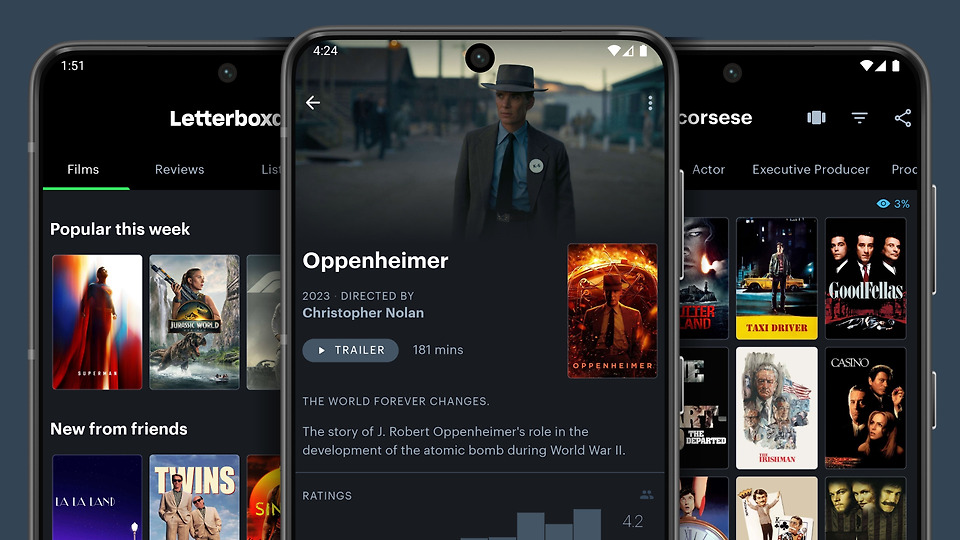
The renowned social platform for film enthusiasts, Letterboxd, is poised to inaugurate a pioneering digital video store this December, enabling its expansive user base to rent movies directly within its ecosystem. This strategic expansion, initially teased during the prestigious Cannes Film Festival in March, marks a significant evolution for the platform, transforming it from a mere discovery and logging tool into a comprehensive hub for cinematic engagement and consumption. The move positions Letterboxd to capitalize on its unique community-driven model, offering a curated selection that promises to stand apart in a saturated video-on-demand (VOD) market.
A New Chapter for Film Discovery
Founded in 2011 by Matthew Buchanan and Karl von Randow, Letterboxd emerged as a minimalist yet powerful online service dedicated to cataloging films, sharing reviews, and fostering discussions among movie lovers worldwide. Over the past decade, it has cultivated a loyal following, growing into an indispensable resource for cinephiles to track their viewing habits, discover new titles through friends’ activities and meticulously crafted lists, and delve into critical discourse. Its strength lies in its passionate community and the vast, user-generated data it accumulates, reflecting genuine interest and taste rather than purely algorithmic recommendations.
The announcement of the "Video Store," detailed in a recent company blog post, underscores Letterboxd’s ambition to deepen user engagement. Unlike traditional VOD services that often present a broad, sometimes overwhelming, catalog, Letterboxd’s offering is designed to be highly selective and responsive to its community’s preferences. The selection will notably feature "festival standouts" that have yet to achieve widespread distribution, films that have been largely inaccessible but frequently populate user watchlists, recent cinematic restorations, and exclusive, limited-time releases. This approach signals a clear commitment to serving its niche audience of discerning film buffs, who often seek out less mainstream or historically significant titles.
Leveraging Community and Curation
The integration of a rental feature represents a natural progression for Letterboxd, bridging the gap between discovery and immediate access. Traditionally, when a user encountered an intriguing film on the platform—perhaps through a friend’s glowing review or a meticulously curated list—they would need to navigate to an external service, such as Apple TV, Amazon Prime Video, or Google Play, to find a rental option. This additional step, while minor, introduced friction. By embedding the rental service directly, Letterboxd streamlines the user journey, allowing for spontaneous rentals born from real-time social discovery. Imagine seeing a friend log a compelling foreign film, reading their insightful review, and being able to rent it instantly, all within the same application. This seamless transition is a core advantage Letterboxd aims to leverage.
Crucially, the curation philosophy behind the "Video Store" is deeply rooted in the platform’s data. Rather than relying on a generic mix of popular titles or a scattershot approach seen on some larger streaming platforms, Letterboxd intends to use its extensive trove of user watchlists and activity data to inform its film selection. This data-driven curation promises a more personalized and relevant experience, ensuring that the available titles resonate with the collective desires of its community. For many film enthusiasts, who often express frustration with the ever-changing and often diluted catalogs of subscription streaming services, this focused, community-centric approach could be a significant draw. It harks back to the specialized knowledge and personal recommendations found in independent video stores of yesteryear, albeit translated into a digital, global context.
The Evolving Landscape of Film Consumption
The launch of Letterboxd’s rental service unfolds against a backdrop of significant shifts in how audiences consume cinema. The digital revolution, beginning with the rise of DVDs in the late 1990s and accelerating with digital downloads and streaming in the 2000s, has profoundly reshaped the industry. Early digital rental services, such as Apple’s iTunes Store and Amazon Video, emerged as convenient alternatives to physical media, offering transactional video-on-demand (TVOD) for individual movie rentals or purchases.
However, the 2010s saw the explosive growth of subscription video-on-demand (SVOD) platforms like Netflix, Hulu, and later Disney+, HBO Max (now Max), and Paramount+. These services, offering vast libraries for a recurring monthly fee, temporarily overshadowed the TVOD model, leading many to question the viability of individual rentals. Yet, recent trends suggest a resurgence in TVOD, particularly for new releases, niche content, and films that aren’t tied to a specific streaming service. Consumers are increasingly experiencing "streaming fatigue," overwhelmed by too many subscriptions and the transient nature of content libraries. In this environment, a curated rental service focused on quality and availability, especially for hard-to-find titles, could find a receptive audience.
The cultural impact of Letterboxd’s move also deserves attention. In an era dominated by algorithmic recommendations that often funnel users towards mainstream or similar content, Letterboxd’s emphasis on human curation and social discovery stands out. It reinforces the idea that film appreciation is a communal activity, one enriched by shared experiences and diverse perspectives. The "Video Store" could become a digital nexus for preserving and promoting cinematic history and independent voices, fulfilling a role that traditional distributors sometimes struggle with in the face of mass-market demands.
Strategic Positioning in a Crowded Market
Letterboxd’s decision to enter the VOD space is not without its challenges, given the entrenched positions of tech giants like Apple, Amazon, and Google. These platforms boast massive user bases, sophisticated infrastructure, and deep pockets. However, Letterboxd’s strategy appears to hinge on differentiation rather than direct competition on scale. Its distinct advantages include:
- Niche Appeal: Targeting dedicated cinephiles who value specific types of content (festival films, restorations, rare titles) that might be overlooked or harder to find on mainstream platforms.
- Built-in Audience: Leveraging an existing, highly engaged user base of millions who are already actively logging, reviewing, and discovering films.
- Social Integration: Uniquely positioned to convert social discovery directly into consumption, a feature largely absent from other VOD services.
- Curatorial Expertise: The ability to use its unique data on user watchlists and interests to offer a highly relevant and appealing selection, positioning itself as a trusted guide rather than just a storefront.
Letterboxd has not yet disclosed the initial lineup of films or the specific rental prices. However, the company has indicated that both availability and costs will vary by geographical location, reflecting the complexities of international content licensing. A key aspect of its business model is the absence of a subscription requirement, meaning users will only pay for the films they choose to rent, and there will be no late fees—a welcome throwback to simpler times, but updated for the digital age. This transactional model aligns with the current trend of consumers being more selective about their entertainment spending and avoiding unnecessary subscriptions.
Technical Reach and User Experience
To ensure broad accessibility, the new rental feature will launch with support across a range of popular devices and platforms. Initial compatibility will extend to iOS and Android mobile devices, along with major smart TV ecosystems and casting technologies, including Apple TV, Android TV, Chromecast, and AirPlay. The company has also announced plans to roll out support for additional smart TV applications in the future, indicating a commitment to reaching users wherever they prefer to watch films. This multi-platform approach is crucial for any digital content service looking to compete in today’s fragmented viewing landscape, ensuring a smooth and consistent user experience regardless of the device.
Beyond the Rental: Letterboxd’s Broader Vision
This expansion into rentals is part of a broader strategic initiative following Letterboxd’s acquisition by Canadian firm Tiny for approximately $50 million in 2023. Tiny, a holding company that invests in internet businesses, has a track record of fostering growth in its portfolio companies while maintaining their core values. Under Tiny’s ownership, Letterboxd has been actively enhancing its platform to further improve film discovery and user engagement.
Recent updates prior to the rental announcement include the introduction of "Featured Lists," a curated section designed to help users explore movie collections organized by genre, studio, themes (such as films by female directors), or even specific eras. This feature, much like the upcoming "Video Store," emphasizes human curation and thematic exploration, moving beyond simple keyword searches. Last year also saw a significant upgrade to Letterboxd’s search functionality, making it more robust and intelligent, capable of understanding acronyms, correcting misspellings, and delivering more precise results—all enhancements aimed at making film discovery more intuitive and rewarding for its community. These continuous improvements signal a clear trajectory for Letterboxd: to become the definitive platform for film lovers, not just for tracking and reviewing, but for comprehensive discovery and direct access.
Challenges and Future Outlook
While the "Video Store" presents an exciting new chapter for Letterboxd, the path ahead will likely involve navigating several challenges. Securing a consistent and appealing catalog of films, especially niche or exclusive titles, will require ongoing negotiations with distributors and rights holders. Pricing strategy will also be critical to balance profitability with user value in a competitive market. Furthermore, maintaining the platform’s independent, community-driven ethos while expanding commercial offerings will be a delicate balance.
However, the potential rewards are substantial. By leveraging its unique position as a trusted social hub for film, Letterboxd has the opportunity to carve out a significant niche in the VOD market, offering a distinct alternative to mainstream options. Its success could not only provide a new revenue stream for the platform but also offer a vital distribution channel for independent filmmakers and a renewed focus on cinematic history and artistic expression. As the digital film landscape continues to evolve, Letterboxd’s integrated rental service could indeed represent a pivotal moment, redefining how passionate audiences discover, discuss, and ultimately consume the films they love.