Amir Mahmud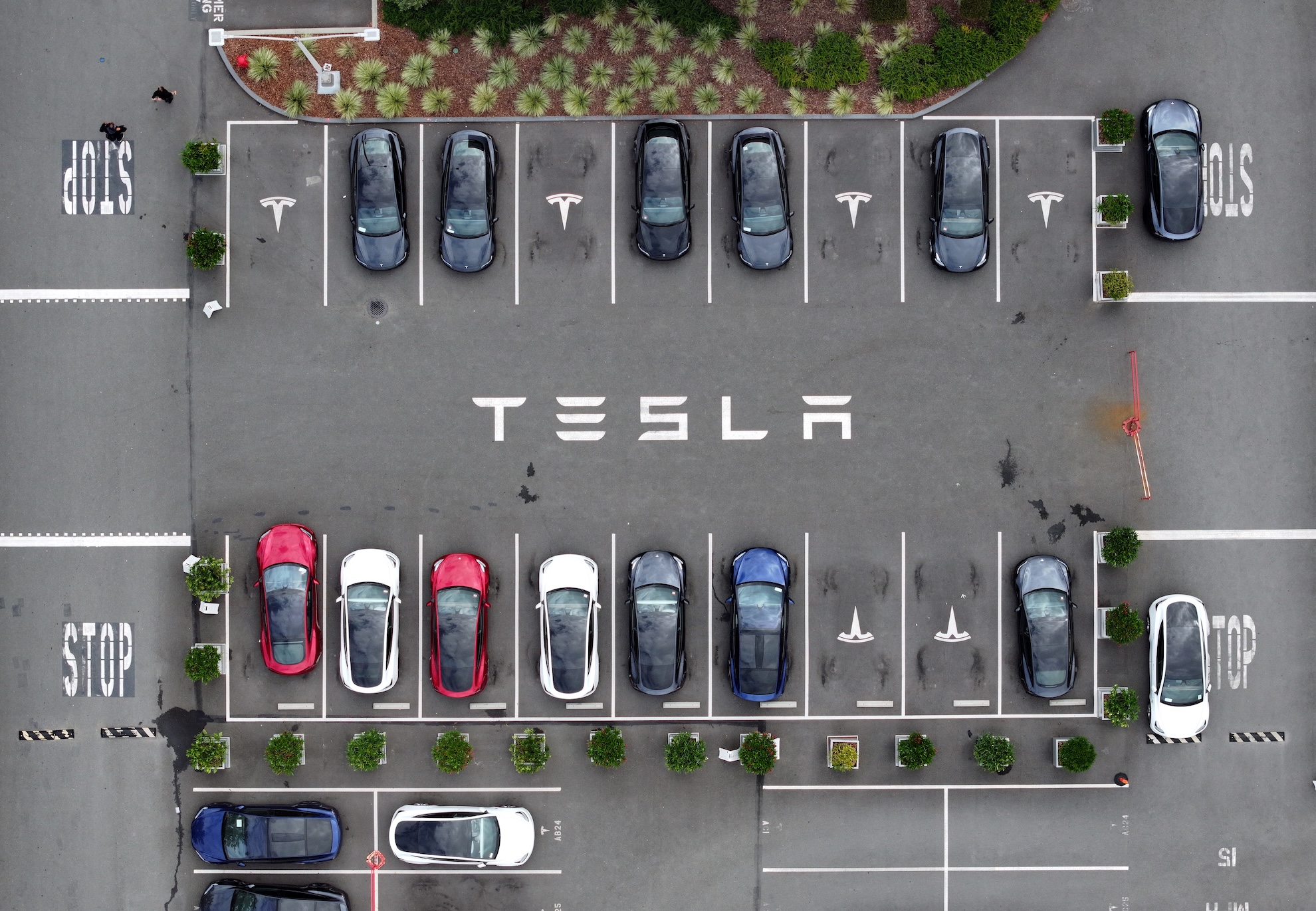
Automaker Tesla has initiated legal proceedings against the California Department of Motor Vehicles (DMV), seeking to overturn an agency determination that found its marketing practices misleading regarding the capabilities of its advanced driver-assistance systems. This legal action reopens a contentious issue that many believed had been settled only recently, when the DMV had indicated it would not impose a 30-day suspension of Tesla’s sales and manufacturing licenses within the state. The core of the dispute revolves around the state regulator’s assertion that Tesla employed deceptive advertising to exaggerate the autonomous driving functionalities of its vehicles, thereby violating California consumer protection statutes.
The Regulatory Stance: A History of Scrutiny
The California DMV’s initial administrative ruling stemmed from a comprehensive review of Tesla’s marketing materials and vehicle features, specifically focusing on the terms "Autopilot" and "Full Self-Driving." Regulators argued that these designations could mislead consumers into believing the vehicles possessed a higher degree of autonomy than they actually did. In reality, while sophisticated, Tesla’s systems, like most on the market today, are classified under Level 2 of the Society of Automotive Engineers (SAE) J3016 standard for driving automation. This classification means the vehicle can provide both steering and acceleration/deceleration support, but the human driver must remain actively engaged, monitor the driving environment, and be prepared to intervene at all times.
The DMV’s concerns were not isolated. Various consumer advocacy groups, safety organizations, and even federal agencies have, at different times, voiced apprehension over the potentially misleading nature of ADAS nomenclature across the industry. The National Highway Traffic Safety Administration (NHTSA) and the National Transportation Safety Board (NTSB) have, on multiple occasions, investigated incidents involving Tesla vehicles where driver inattention or overreliance on the system was cited as a contributing factor, further fueling the debate over marketing clarity. These investigations often highlighted the critical gap between public perception, influenced by marketing, and the actual operational limitations of current ADAS technologies.
An Apparent Resolution Derailed
Last month, the situation appeared to reach a resolution. An administrative law judge had previously concurred with the DMV’s request for a 30-day suspension of Tesla’s operational licenses as a punitive measure. However, instead of proceeding with the suspension, the state regulatory body granted Tesla a 60-day window to achieve compliance. The DMV’s decision to forgo the immediate suspension was based on Tesla’s commitment to adjust its marketing.
Tesla’s response to this mandate was significant, if not extreme. The company did not merely cease using the term "Autopilot" in its California-specific promotional content. Instead, in a broader strategic move, it discontinued the "Autopilot" feature entirely across its vehicle lineup in both the United States and Canada earlier this year. This move was widely interpreted as an attempt to streamline its offerings and perhaps push consumers towards its more advanced, albeit still Level 2, "Full Self-Driving" (FSD) beta software, which comes at a significant premium. This comprehensive removal of a long-standing and recognizable feature underscored the pressure Tesla faced from regulators, and perhaps the company’s own desire to simplify its product narrative. The subsequent filing of this lawsuit, however, suggests that Tesla may now be re-evaluating that decision or challenging the underlying premise of the DMV’s ruling itself.
The Evolution of Driver-Assist Terminology and Consumer Confusion
The struggle over how to accurately name and market advanced driver-assistance systems is not new. From the earliest adaptive cruise control systems to modern lane-keeping assist, automakers have sought catchy, memorable names for their innovations. However, as these systems grew more sophisticated, terms began to emerge that blurred the lines between assistance and autonomy. "Autopilot," a term borrowed from aviation, and "Full Self-Driving," are prime examples. While aviation autopilots manage specific flight phases, human pilots remain in command. Similarly, automotive ADAS features assist, but do not replace, the driver.
The SAE J3016 standard, established in 2014 and periodically updated, was designed to bring clarity to this complex landscape by defining six levels of driving automation (Level 0 to Level 5). Level 0 signifies no automation, while Level 5 represents full automation under all conditions. Critically, Level 2 systems, like Tesla’s Autopilot and FSD, are characterized by "partial automation," where the driver must constantly supervise the system and be ready to take over. This distinction is paramount, as misinterpretation can lead to dangerous situations, including drivers disengaging from the task of driving.
Other major automakers have navigated this naming challenge with varying degrees of success. General Motors’ "Super Cruise," Ford’s "BlueCruise," and Nissan’s "ProPILOT Assist" generally include "assist" or "cruise" in their names, often attempting to convey a sense of driver aid rather than complete autonomy. Yet, consumer surveys consistently reveal widespread confusion regarding the capabilities and limitations of ADAS features across all brands, highlighting a systemic industry-wide challenge in communicating complex technology effectively. This confusion represents a significant hurdle for the broader adoption of autonomous vehicle technology, as public trust is paramount.
California’s Outsized Influence on Automotive Regulation
California holds a unique and powerful position in the U.S. automotive market. As the largest state economy and a trendsetter in environmental and safety regulations, its decisions frequently ripple across the nation. The California DMV, beyond its traditional role in vehicle registration and driver licensing, possesses substantial authority over vehicle sales, manufacturing, and even the testing of autonomous vehicles within its borders. Its aggressive stance on Tesla’s marketing is consistent with California’s history of proactive consumer protection and its dedication to public safety.
The state’s regulatory framework for autonomous vehicle testing, for instance, is among the most stringent in the world, requiring permits, reporting, and adherence to specific operational design domains. This regulatory environment reflects California’s commitment to fostering innovation responsibly. The ongoing legal battle underscores the inherent tension between technological advancement and the imperative to protect consumers from potentially misleading claims, a balance that regulators continually strive to strike. This situation also highlights the intricate interplay between state-level consumer protection laws and federal oversight provided by agencies like NHTSA, which focuses on vehicle safety standards and defect investigations.
Market Implications and Consumer Trust
The protracted dispute between Tesla and the California DMV carries significant implications for the broader automotive market and consumer perception of advanced driving technologies. Such public disagreements can erode consumer trust, not just in Tesla’s specific systems, but in ADAS and future autonomous vehicles across the industry. When headlines consistently feature regulatory challenges and safety concerns related to automated driving, it can foster skepticism and hesitancy among potential buyers.
In a highly competitive landscape, where every major automaker is investing heavily in developing and deploying advanced driver-assistance features, clear and accurate communication is paramount. If consumers are confused about what a system can or cannot do, it can lead to misuse, accidents, and a general reluctance to adopt new technologies. This directly impacts adoption rates and the long-term viability of the autonomous vehicle industry. Moreover, the cultural impact of terms like "Autopilot" is profound; it conjures images of hands-off, worry-free travel, which is far from the reality of current Level 2 systems. Realigning this perception is crucial for safety and for the industry’s future.
Legal Strategy and Precedent-Setting Potential
Tesla’s lawsuit likely hinges on arguments challenging the DMV’s interpretation of "deceptive marketing" and possibly asserting that its naming conventions fall within acceptable commercial speech. The company may argue that its disclaimers, user manuals, and in-vehicle instructions sufficiently clarify the limitations of its systems, and that sophisticated consumers understand the context of the terms "Autopilot" and "Full Self-Driving" within the realm of driver-assist features. They might contend that the DMV’s ruling is an overreach or an attempt to unduly restrict innovation and communication.
Conversely, the DMV will likely defend its position by emphasizing its mandate to protect the public from misleading advertising and ensure vehicle safety. Its legal team will probably highlight instances where the public has demonstrated confusion or misused the systems, underscoring the necessity of clear, unambiguous marketing. The outcome of this case could establish significant legal precedent, not only for how Tesla markets its ADAS features but also for how other automakers are permitted to advertise similar technologies in California and potentially across the nation. A ruling in favor of the DMV could lead to stricter guidelines for ADAS nomenclature, potentially forcing a broader industry shift towards more conservative and literal terminology.
The Road Ahead for Autonomous Vehicles
This legal skirmish is a microcosm of the larger challenges facing the autonomous vehicle industry. The race to develop fully self-driving cars is characterized by rapid technological advancements, but also by a complex interplay of regulatory hurdles, ethical considerations, and the critical need for public acceptance. Clear, honest communication about the capabilities and limitations of these technologies is not merely a marketing concern; it is a fundamental pillar for building trust and ensuring safety as society transitions towards a more automated future.
The dispute highlights the ongoing tension between a technology company’s desire to innovate and market its products aggressively, and a regulator’s responsibility to protect consumers and ensure public safety. As the legal process unfolds, all eyes will be on California, whose verdict in this case could significantly shape the narrative and regulatory landscape for advanced driver-assistance systems and autonomous vehicles for years to come. The resolution of this lawsuit will undoubtedly have lasting repercussions for how innovation is communicated and regulated in the rapidly evolving world of automotive technology.