Amir Mahmud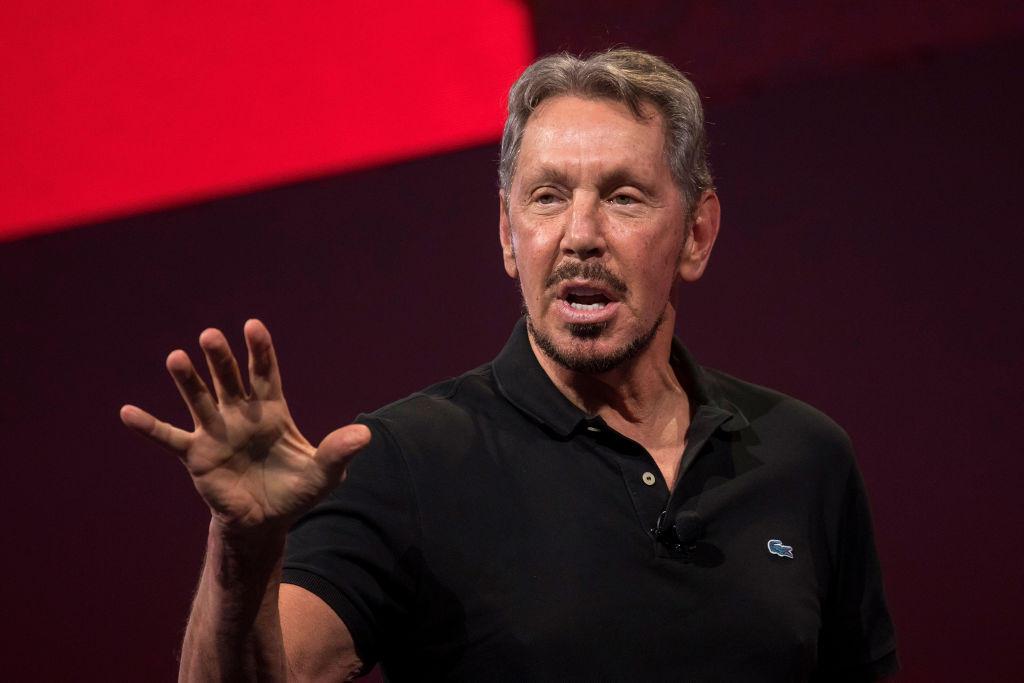
The high-stakes battle for the future of Warner Bros. Discovery (WBD) has reached a new crescendo, with Paramount Skydance escalating its pursuit through an amended all-cash offer. This renewed bid is underscored by an "irrevocable personal guarantee" of $40.4 billion in equity financing from Oracle co-founder Larry Ellison, injecting significant financial weight and certainty into the proposal. This move by David Ellison, CEO of Skydance Media and son of the tech magnate, aims to firmly position his consortium against streaming titan Netflix in the fiercely contested acquisition of one of Hollywood’s most storied studios.
The Battle for Warner Bros. Discovery Heats Up
The media industry, already in a state of flux, is keenly observing this unfolding drama. At its core, the contest revolves around Warner Bros. Discovery, a media conglomerate born from the 2022 merger of WarnerMedia and Discovery, Inc. This entity boasts an unparalleled collection of intellectual property, including the Warner Bros. film and television studio, HBO, CNN, the DC Extended Universe, and a vast library of classic movies and TV shows. However, WBD has also grappled with significant debt incurred during its formation, alongside the broader challenges of navigating a rapidly evolving streaming landscape marked by intense competition and evolving consumer habits.
Paramount Skydance, a partnership between Paramount Global (the parent company of Paramount Pictures) and David Ellison’s Skydance Media, has been a persistent suitor for WBD. Skydance Media itself is a prominent production company known for co-financing and producing major studio films, often in collaboration with Paramount Pictures, such as the Mission: Impossible and Top Gun franchises. David Ellison’s ambition to expand his media footprint and secure a larger share of the entertainment ecosystem has been a driving force behind these persistent overtures.
A Deep Dive into the Amended Offer
The latest development saw Paramount Skydance formally announce its amended proposal on a recent Monday, specifically designed to address previously stated concerns by the WBD board regarding the financing of its earlier bids. According to a press release issued by Paramount, Larry Ellison has committed to "an irrevocable personal guarantee of $40.4 billion of the equity financing for the offer and any damages claims against Paramount." This personal pledge from a billionaire of Ellison’s stature marks a significant shift, transforming a previously generalized financing commitment into a concrete, legally binding assurance.
This crucial amendment follows the WBD board’s recent rejection of Paramount’s initial all-cash offer. That prior bid, a "hostile" proposal launched just three days after Netflix announced its own deal, valued WBD at an impressive $108.4 billion, offering $30 per share. The WBD board had dismissed this offer as "illusory," expressing skepticism about its financing mechanisms and reaffirming its preference for Netflix’s "binding agreement with enforceable commitments, with no need for any equity financing and robust debt commitments." The inclusion of Larry Ellison’s personal guarantee directly targets these concerns, aiming to remove any lingering doubts about the availability and certainty of capital.
David Ellison underscored the group’s unwavering commitment in his statement accompanying the press release. He reiterated that their "$30 per share, fully financed all-cash offer was on December 4th, and continues to be, the superior option to maximize value for WBD shareholders." Ellison further articulated a vision for a combined entity that would be "superior for all WBD stakeholders, as a catalyst for greater content production, greater theatrical output, and more consumer choice," urging the WBD board to "take the necessary steps to secure this value-enhancing transaction and preserve and strengthen an iconic Hollywood treasure for the future."
Context: The Shifting Sands of Media
The current bidding war is a microcosm of the broader transformations sweeping through the global media landscape. For decades, traditional media conglomerates thrived on linear television and theatrical distribution. However, the rise of digital platforms and direct-to-consumer streaming services has fundamentally reshaped consumption patterns, leading to phenomena like "cord-cutting" and heightened competition for audience attention.
This shift has driven an intense period of consolidation, as companies seek scale, intellectual property, and diversified revenue streams to remain competitive. The formation of Warner Bros. Discovery itself was a direct response to these pressures, aiming to create a media powerhouse with the content breadth and financial muscle to compete with tech-driven giants. However, the integration process has been complex, and the company has been under immense pressure to reduce its debt load, optimize its streaming strategy, and demonstrate consistent profitability.
The involvement of a tech titan like Larry Ellison, whose primary business is enterprise software, highlights the blurring lines between technology and entertainment. Wealthy individuals and investment firms are increasingly viewing media assets as strategic long-term plays, driven by the enduring value of intellectual property and the global reach of digital distribution. Ellison’s foray into this bid is not just a financial investment; it signals a recognition of the media industry’s critical role in the digital economy.
The Contenders: Paramount Skydance and Netflix
The motivations behind each suitor’s interest in WBD are distinct, yet converge on the common goal of securing valuable content and market share.
Paramount Skydance: For David Ellison, acquiring WBD represents a generational opportunity to create a truly diversified, vertically integrated media empire. Skydance Media, while successful, primarily operates as a production house. Merging with WBD would grant Skydance direct ownership of a vast studio, an extensive content library, and global distribution channels, significantly elevating its standing in Hollywood. From Paramount Global’s perspective, this deal could strengthen its content pipeline, enhance its streaming offerings, and create a more formidable competitor against Disney, Universal, and the tech giants. The "all-cash" nature of their bid also offers immediate liquidity and certainty to WBD shareholders, which can be particularly attractive in volatile markets.
Netflix: The streaming giant’s interest in WBD stems from its ongoing evolution. Having built its empire on licensed content and later investing heavily in original programming, Netflix is now increasingly focused on owning its intellectual property outright. Acquiring a legacy studio like Warner Bros. would provide Netflix with an instant infusion of iconic franchises (like DC Comics, Harry Potter, Looney Tunes), established production infrastructure, and a deep catalog that could significantly reduce its reliance on third-party licensing deals. Netflix’s initial offer, a combination of cash and stock, reflected a desire to integrate WBD into its existing corporate structure while offering WBD shareholders a stake in Netflix’s future growth. For Netflix, this would be a strategic move to solidify its market dominance and diversify its content portfolio beyond its traditional streaming model.
Market Implications and Future Outlook
The outcome of this bidding war carries significant implications for the broader entertainment industry. A merger, regardless of which bidder prevails, would likely lead to further consolidation. Fewer, larger players could reshape content creation, distribution strategies, and even talent negotiations. For consumers, such a deal could mean changes in streaming bundles, content availability, and potentially the types of stories that get greenlit, as the merged entity prioritizes synergies and strategic alignment.
Should Paramount Skydance succeed, the resulting entity would create a powerful new force in Hollywood, potentially reviving the traditional studio model with a modern, digitally-focused approach. David Ellison’s stated commitment to "greater content production" and "theatrical output" suggests a possible emphasis on big-screen experiences alongside streaming. The combination of Paramount’s existing IP with WBD’s vast library could lead to exciting new franchise developments and cross-pollination opportunities.
If Netflix’s bid ultimately triumphs, it would mark a watershed moment, symbolizing the complete integration of a legacy Hollywood studio into a tech-first streaming company. This could accelerate Netflix’s transition from a pure-play streamer to a comprehensive media conglomerate, potentially altering how traditional film and television content is produced and monetized globally.
The WBD board now faces a critical decision. Their fiduciary duty is to maximize shareholder value while considering the long-term strategic health of the company. The "irrevocable personal guarantee" from Larry Ellison has undeniably altered the landscape, addressing key concerns about the financial solidity of Paramount Skydance’s offer. The board must carefully evaluate the revised terms, weigh the strategic advantages of each suitor, and navigate potential regulatory hurdles that any major media consolidation could trigger. The next few weeks will undoubtedly be pivotal for Warner Bros. Discovery and could set a new course for the future of entertainment.