Amir Mahmud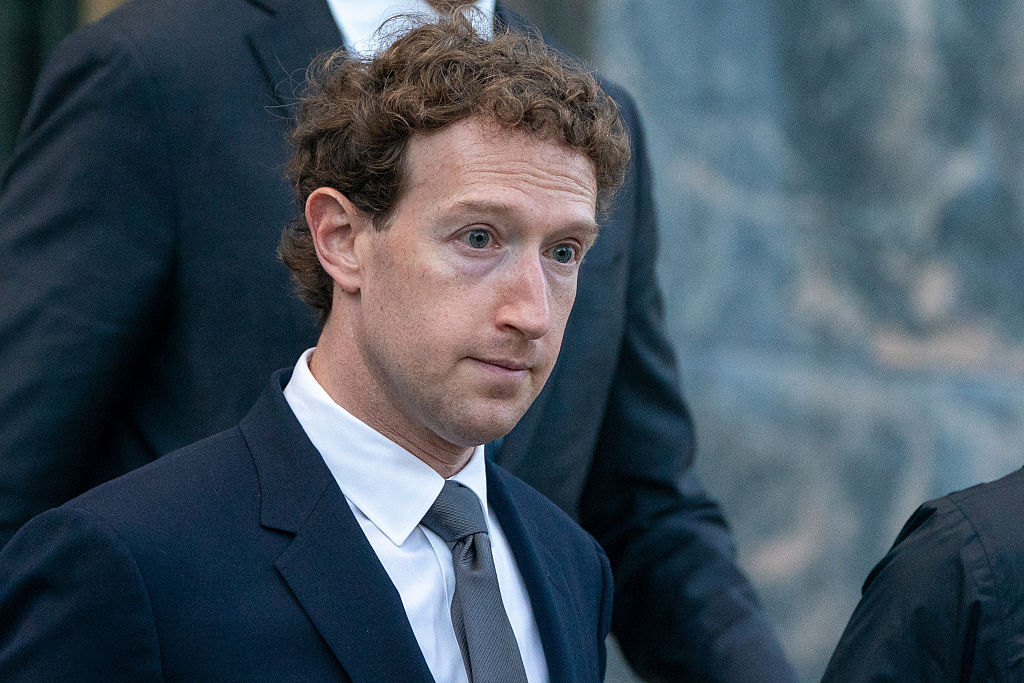
A New Mexico jury delivered a groundbreaking verdict on Tuesday, ordering Meta Platforms Inc. to pay $375 million in civil penalties. This decision marks a pivotal moment, representing the first time a jury has found the tech behemoth liable for misleading consumers about the safety of its platforms and, critically, for endangering children. The ruling from Santa Fe is poised to reverberate across the United States, signaling an escalating legal challenge to the practices of social media companies.
The Genesis of Accountability: A Watershed Moment
The verdict, reached after an intensive six-week trial, held Meta responsible on two distinct claims under New Mexico’s Unfair Practices Act. While the $375 million penalty, calculated at the maximum $5,000 per violation, may appear modest for a company valued at over $1.5 trillion by public market investors, its true significance lies in its precedent-setting nature. This is not merely about a monetary fine; it is the first jury verdict of its kind to squarely address and affirm the harm inflicted upon young individuals by Meta’s platforms.
New Mexico Attorney General Raúl Torrez’s office lauded the outcome as a "watershed moment for every parent concerned about what could happen to their kids when they go online." This sentiment encapsulates the growing public anxiety surrounding children’s exposure to potentially harmful content and interactions on digital platforms. Torrez further stated that the jury’s decision affirmed what many families, educators, and child safety experts have long asserted: "Meta executives knew their products harmed children, disregarded warnings from their own employees, and lied to the public about what they knew. Today the jury joined families, educators, and child safety experts in saying enough is enough."
A Pattern of Neglect: Internal Warnings and Executive Disregard
The New Mexico case did not emerge in a vacuum. It draws from a long-simmering tension between the stated intentions of social media platforms and the documented realities of their impact, particularly on younger users. For years, critics have raised concerns about the addictive nature of these platforms, their potential to foster mental health issues, and their vulnerabilities to exploitation. This verdict brings these concerns into sharp legal focus, demonstrating that the judiciary is increasingly willing to hold companies accountable for the consequences of their design choices.
A crucial component of the state’s case stemmed from a 2023 undercover investigation. State investigators established decoy accounts on Facebook and Instagram, deliberately posing as users under the age of 14. These accounts quickly became targets, receiving sexually explicit material and solicitations for sex. The operation directly led to the arrest of several New Mexico men in May 2024, two of whom were apprehended at a motel, believing they were about to meet a 12-year-old girl based on their online interactions with the decoy accounts. This stark evidence underscored the tangible dangers lurking on Meta’s platforms.
Beyond the undercover sting, the prosecution presented internal Meta documents and compelling testimony from former employees, painting a picture of a company where internal alarms about child safety were repeatedly sounded but largely ignored. This echoes a broader historical narrative where whistleblowers and leaked documents, such as the "Facebook Files," have consistently revealed Meta’s awareness of its platforms’ negative impacts on mental health and safety, particularly among teenagers. These disclosures have fueled public and political pressure for greater transparency and accountability.
Voices from Within: Damning Testimonies
Some of the most impactful evidence presented during the trial came directly from individuals who had worked within Meta’s ecosystem. Arturo Béjar, who served as an engineering and product leader at Meta for six years starting in 2009, provided powerful testimony. He recounted his personal efforts to warn Meta executives after his own 14-year-old daughter received unwanted sexual advances on Instagram. Béjar emphasized how the very personalized algorithms that make Meta’s platforms highly effective for targeted advertising could be equally, if not more, efficient in connecting predators with vulnerable individuals. His chilling statement, "The product is very good at connecting people with interests, and if your interest is little girls, it will be really good at connecting you with little girls," laid bare a fundamental design flaw with profound ethical implications.
Similarly, Brian Boland, a former vice president of partnerships product marketing at Meta with nearly a dozen years at the company, testified about his disillusionment. Upon his departure in 2020, he stated he "absolutely did not believe that safety was a priority" for CEO Mark Zuckerberg and then-COO Sheryl Sandberg. This collective testimony from former insiders suggested a systemic prioritization of growth and engagement over user safety, particularly for younger demographics.
The CEO’s Perspective: Unpacking Responsibility
Mark Zuckerberg himself was deposed as part of the case, with a recording of his testimony, taken a year prior, played for the jurors. During the deposition, Zuckerberg characterized research on the addictive potential of Meta’s platforms as "inconclusive." The state vehemently challenged this characterization, highlighting Meta’s own internal research that indicated several product features were specifically designed to elicit dopamine responses and increase time spent on the applications – a hallmark of addictive design.
When pressed on whether he, as a parent, had a right to know if a product his own child was using was addictive, Zuckerberg responded that there was "a lot to unpack in that." He then detailed his and his wife’s personal vetting process for products given to their children, noting they "also oversee how they’re used." He added that his children are "younger," implicitly suggesting they might not yet be exposed to the full range of platform features in question. These responses, while offering a glimpse into a prominent tech leader’s personal approach to digital parenting, also underscored a perceived disconnect between the company’s public stance and the internal realities presented by the prosecution.
Broader Societal and Market Ramifications
The New Mexico verdict arrives at a time of heightened global scrutiny on social media’s impact. Governments, advocacy groups, and parents worldwide are grappling with how to mitigate the risks associated with digital platforms while preserving their benefits. This ruling is expected to intensify calls for stricter regulations, including more robust age verification mechanisms, enhanced privacy protections for minors, and greater transparency from tech companies regarding their algorithms and content moderation practices.
For the market, while a $375 million penalty is unlikely to significantly impact Meta’s bottom line, the legal precedent could have far-reaching consequences. It signals an increased risk of future litigation, potentially leading to much larger payouts or, more significantly, court-mandated changes to product design and operational practices. Such interventions could fundamentally alter how social media companies operate, potentially impacting user engagement models and advertising revenue streams. The verdict also serves as a blow to public trust, further fueling a narrative that tech giants prioritize profit over the well-being of their users.
A Shifting Legal Landscape: The Road Ahead
Unsurprisingly, Meta has indicated its intent to appeal the New Mexico verdict. A company spokesperson stated, "We respectfully disagree with the verdict," and reiterated Meta’s commitment to "work hard to keep people safe" on its platforms. This appeal process will likely be a protracted legal battle, testing the boundaries of corporate liability in the digital age.
The New Mexico case is, however, just one front in Meta’s multifaceted legal challenges. The company, alongside YouTube, is currently embroiled in another significant trial in Los Angeles. This case centers on claims that their platforms are addictive and have caused harm to young users. The plaintiff, identified only as K.G.M., a 20-year-old Californian, alleges that she developed a social media addiction as a child, leading to anxiety, depression, and body-image issues. Notably, TikTok and Snap, initially co-defendants, settled before the trial commenced, suggesting an industry-wide recognition of the potential liabilities. The Los Angeles jury is currently deliberating, with the presiding judge recently urging them to continue after they indicated difficulty reaching a verdict on one of the defendants, raising the possibility of a partial retrial.
Furthermore, the New Mexico legal battle is set to enter a second phase. A bench trial, meaning without a jury, is scheduled to commence on May 4 to address public nuisance claims. This phase could result in additional penalties and, crucially, court-mandated structural changes to Meta’s platforms. Such changes could include stringent age verification requirements and new, robust protections specifically designed for minors. Unlike the previous claims under the Unfair Practices Act, the public nuisance argument posits that Meta’s platforms have broadly detrimental effects on the health and safety of New Mexico residents, a broader claim that could compel more sweeping systemic reforms.
This verdict from Santa Fe marks a significant inflection point in the ongoing dialogue about digital responsibility. It underscores a growing judicial willingness to scrutinize the power and influence of social media companies, moving beyond mere regulatory oversight to direct legal accountability. As other states and jurisdictions monitor these proceedings, the New Mexico verdict may well inspire a wave of similar actions, potentially reshaping the future landscape of online interaction and setting new standards for how tech companies design, operate, and safeguard their platforms for the youngest generations.







 Azin Asro