Azin Asro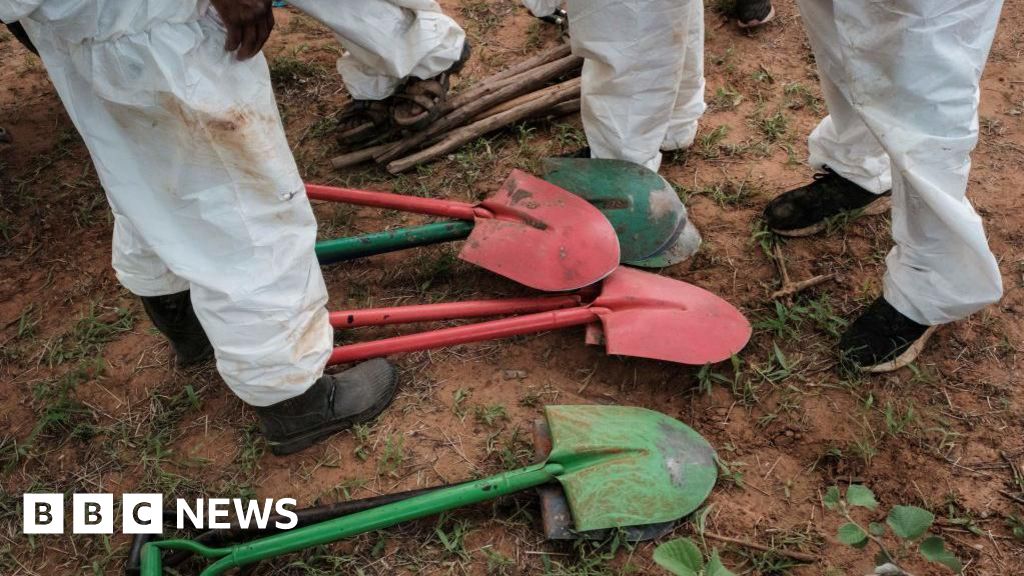
A chilling discovery in Kenya’s western highlands has ignited national concern, as dozens of human remains, predominantly those of infants, were exhumed from an unmarked mass grave in Kericho. The revelation, following a police investigation and court order, has exposed a deeply troubling situation, prompting urgent calls for accountability and a thorough probe into the circumstances surrounding these clandestine burials. This incident casts a long shadow over existing public health and administrative protocols, drawing unsettling parallels with other recent, high-profile tragedies involving mass graves in the East African nation.
The Unsettling Discovery in Kericho
The exhumation process, undertaken by forensic experts, unearthed approximately 32 bodies from the site within the town of Kericho. What began as an investigation into 14 believed burials escalated dramatically as investigators delved deeper. Government pathologist Dr. Richard Njoroge, leading the forensic team, characterized the scene as "quite unusual." He noted that the remains, which included seven adults and 25 children, many of whom were infants or fetuses, were found stacked in gunny bags, a stark departure from standard burial practices. The operation, spanning a day and briefly interrupted by heavy rains, brought to light a grim tableau of neglect and potential impropriety. Dr. Njoroge further observed varying degrees of decomposition, suggesting that the deaths occurred at different times, complicating the identification process. The presence of numerous body parts alongside more complete remains added another layer of complexity to the unfolding mystery.
Unraveling the Mystery: Initial Investigations and Arrests
The meticulous work of exhumation was a direct result of preliminary findings by the Directorate of Criminal Investigations (DCI), which had secured a court order to access the site. Initial inquiries indicated that 13 unclaimed bodies had been officially released just days prior, last Friday, from a hospital in the neighboring Nyamira county, destined for burial in Kericho. However, the significantly higher number of bodies discovered at the site immediately raised red flags and sparked a cascade of questions regarding the additional remains and the highly irregular manner of their interment.
The land where the mass grave was found belongs to the National Council of Churches of Kenya (NCCK). Officials from the organization swiftly distanced themselves from the incident, informing local media that the burials were conducted without their knowledge or approval, catching them completely by surprise. This denial by the NCCK underscores the clandestine nature of the burials and points to a potential breach of established protocols for managing deceased individuals. In response to these grave irregularities, law enforcement swiftly moved to apprehend individuals suspected of involvement. Two suspects, identified as a public health officer from Nyamira county and a cemetery caretaker, have reportedly been taken into custody. Several other individuals are also undergoing questioning as part of the expanding investigation, which aims to ascertain whether the discovered irregularities in the burial process point to more severe criminal activities.
The Context of Unclaimed Remains in Kenya
The issue of unclaimed bodies and their management represents a persistent challenge within Kenya’s public health system. Public mortuaries, particularly in urban and peri-urban centers, frequently grapple with overcrowding, often holding bodies for extended periods due to various factors. These include families’ inability to afford burial costs, prolonged identification processes, or a lack of communication regarding deceased individuals. Standard procedures typically involve a public notice period, after which unclaimed bodies may be buried in public cemeteries, sometimes in common graves, but always under strict regulatory oversight and with meticulous record-keeping. The discovery in Kericho, with bodies haphazardly stacked and seemingly from various origins, dramatically deviates from these established norms, suggesting a systemic breakdown or deliberate evasion of protocol.
Culturally, burial rites hold immense significance in Kenyan communities. The proper interment of the deceased is considered a sacred duty, essential for the dignity of the individual and the spiritual peace of the family. The idea of bodies, especially those of infants, being unceremoniously dumped in a mass grave, without proper identification or cultural rites, is profoundly distressing and offensive to the collective social fabric. This cultural dimension amplifies the public outrage and demand for answers.
Echoes of Shakahola: A Recent Precedent
The Kericho discovery unfolds against the backdrop of a far larger and more horrific incident that shocked Kenya and the world in 2023: the Shakahola Forest massacre. In a remote coastal area near Malindi, investigators unearthed hundreds of bodies from mass graves associated with the Good News International Church, led by self-proclaimed pastor Paul Mackenzie. Over 429 bodies, many of them children, were recovered from the Shakahola forest. Mackenzie is accused of instructing his followers to starve themselves to death in order to "meet Jesus," charges he vehemently denies.
The Shakahola tragedy exposed severe gaps in state surveillance of religious organizations and public safety, prompting a national reckoning and intense scrutiny of cultic practices. While the Kericho incident currently appears to stem from potential institutional malpractice or criminal negligence rather than cultic extremism, the sheer scale of unidentified human remains in both cases triggers a collective memory of profound loss and systemic failure. The Shakahola events highlighted the vulnerability of certain segments of the population and the potential for abuse when oversight mechanisms are weak. The Kericho discovery, though different in its immediate context, reignites public fear and underscores the urgent need for robust accountability across all public institutions handling life and death matters.
Forensic Challenges and the Quest for Identification
Identifying the victims from the Kericho mass grave presents significant forensic challenges. The varying states of decomposition, particularly among the adult remains, will make traditional identification methods difficult. For infants and fetuses, the task is even more arduous, as distinguishing features are often less developed, and records might be scarce or nonexistent. Forensic pathologists will rely on a combination of techniques, including DNA profiling, dental records (where applicable), and anthropological analysis. However, DNA analysis is resource-intensive and time-consuming, requiring comparison samples from potential relatives—a process complicated by the potential lack of family awareness or the sheer number of victims.
The emotional toll of this process on potential families cannot be overstated. For parents who may have lost an infant and never received clear answers, or for those whose loved ones simply vanished, the news of a mass grave brings a fresh wave of agony and a desperate hope for closure. Human rights groups, including Vocal Africa, have stressed the paramount importance of prompt and transparent identification. Faith Odhiambo, the outgoing president of the Law Society of Kenya, echoed this sentiment, emphasizing that identifying these victims must be a top priority. This imperative extends beyond forensic science; it is a matter of restoring dignity to the deceased and providing solace to grieving families.
Societal and Ethical Implications
The Kericho mass grave transcends a mere criminal investigation; it delves into profound societal and ethical implications. At its core, the discovery raises critical questions about the value placed on human life, particularly the lives of the most vulnerable—infants and the economically marginalized—who may not have strong advocates or resources. The alleged involvement of public health officials and cemetery caretakers points to a breakdown of public trust in institutions mandated to serve and protect citizens. If bodies are being handled with such blatant disregard for established protocols, it erodes confidence in the entire public health infrastructure, from hospitals to local government administration.
The incident also highlights systemic issues such as inadequate funding for public mortuaries, poor record-keeping, and potentially, corruption within the system that could allow such clandestine activities to occur. The human rights implications are severe: every individual has a right to a dignified burial, and families have a right to know the fate of their loved ones. The alleged "mutilation and dismemberment" mentioned by Vocal Africa, if confirmed, would signify a level of violence and disrespect that demands national introspection and a vigorous pursuit of justice.
Calls for Justice and Systemic Reform
The immediate aftermath of the Kericho discovery has seen a unified outcry from civil society, legal professionals, and the general public, all demanding swift justice and comprehensive systemic reforms. Vocal Africa described the discovery as a "staggering and horrific escalation that exposes the true scale of this tragedy," calling for immediate, transparent investigation and national accountability. The Law Society of Kenya has reinforced the need for transparent processes and the identification of all victims.
Beyond the arrests of specific individuals, there is a growing consensus that the incident necessitates a broader review of existing regulations governing public health facilities, mortuary management, and burial practices across Kenya. This includes strengthening oversight mechanisms, implementing more robust digital record-keeping systems for unclaimed bodies, and ensuring that public officials adhere strictly to ethical and legal standards. There is a clear need for increased funding and resources for forensic investigations and public mortuaries to prevent such a tragedy from recurring. The Kericho mass grave serves as a painful reminder that a society’s true measure often lies in how it treats its most vulnerable, even in death.
As investigations continue, the people of Kenya await answers, not just about who is responsible for these horrific burials, but also about the systemic failures that allowed such a travesty to occur. The Kericho discovery is more than a local incident; it is a critical moment for national reflection on public health integrity, human dignity, and the urgent need for reforms that ensure every life, regardless of circumstance, is accorded the respect it deserves.




 Amir Mahmud