Amir Mahmud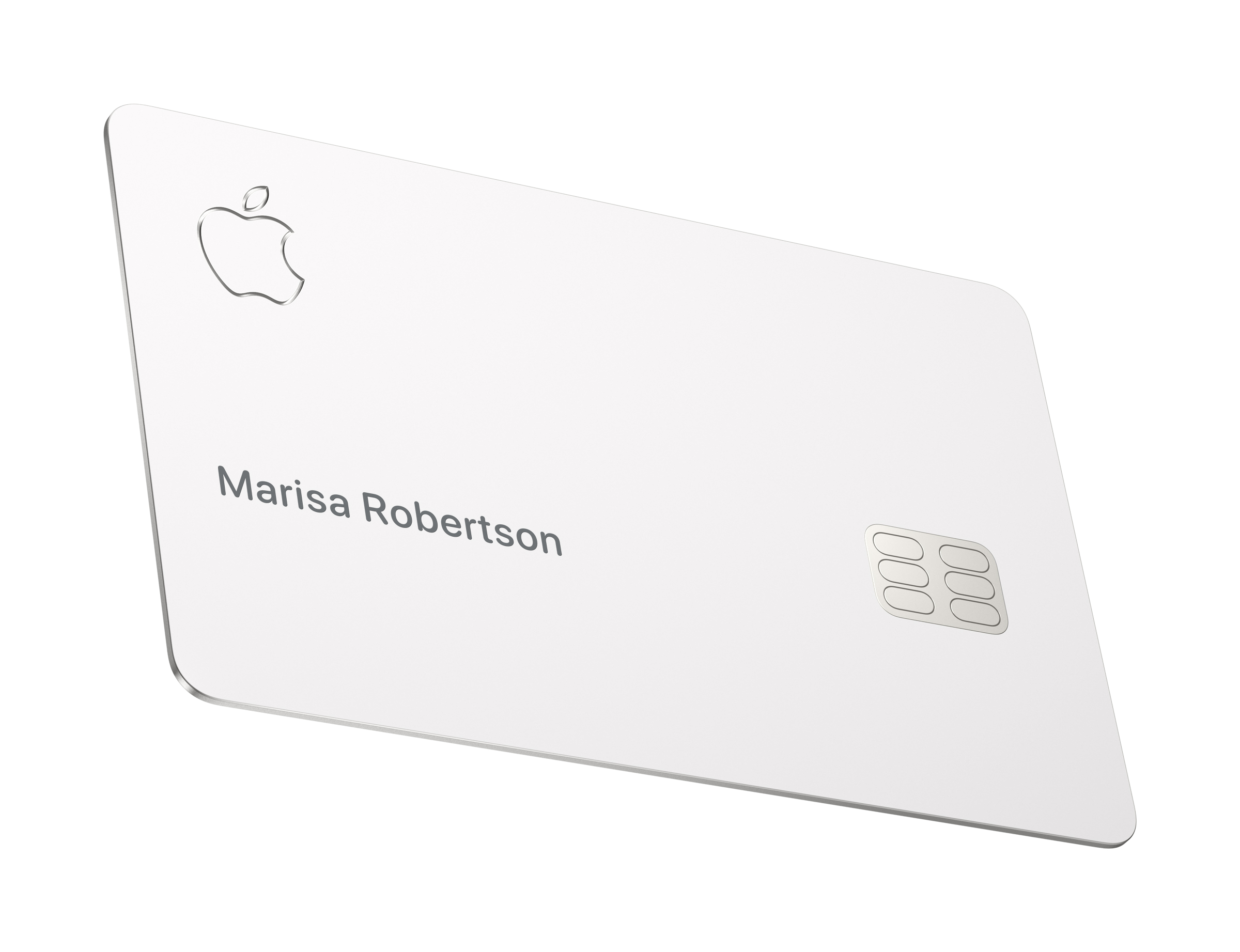
In a significant realignment within the financial technology sector, Apple announced on Wednesday, January 7, 2026, that JPMorgan Chase will assume the role of the primary issuer for its popular Apple Card credit product, effectively replacing Goldman Sachs. This strategic pivot signals a substantial change in the landscape of tech-banking collaborations and underscores the complexities inherent in integrating innovative digital services with traditional financial infrastructure. The transition, a monumental undertaking involving millions of cardholders and billions in balances, is anticipated to unfold over an estimated period of up to 24 months.
The Genesis of Apple Card and its Bold Vision
Apple’s foray into the credit card market began in March 2019, when the tech giant unveiled the Apple Card in partnership with Goldman Sachs. At its launch, the product was heralded as a revolutionary step, designed to integrate seamlessly with the iPhone’s Wallet app and leverage Apple Pay’s robust ecosystem. The core philosophy behind the Apple Card was to simplify credit card usage, enhance transparency, and offer a superior user experience, aligning with Apple’s renowned design principles.
For Apple, the card was more than just a payment tool; it was an extension of its burgeoning services division, aimed at deepening customer engagement and monetizing its vast user base beyond hardware sales. The company sought to create a credit card that felt intuitive and deeply integrated into the digital lives of its users, offering features like daily cashback, color-coded spending categories, and a strong emphasis on privacy and security, with transaction data stored directly on the device and not shared with third parties.
The selection of Goldman Sachs as the inaugural banking partner was, at the time, viewed as an unconventional yet strategically sound choice. Goldman Sachs, historically an investment banking powerhouse, had embarked on an ambitious journey to diversify its revenue streams by expanding into consumer banking through its Marcus by Goldman Sachs brand. Partnering with Apple presented an unparalleled opportunity for Goldman to rapidly scale its consumer lending operations, gain brand recognition among a broad retail audience, and shed its exclusive "Wall Street" image. The bank’s willingness to embrace a digital-first, fee-light model—offering no late fees, no annual fees, and no foreign transaction fees—aligned with Apple’s vision for disrupting the traditional credit card market. This collaborative spirit initially promised a symbiotic relationship, where Apple’s design prowess met Goldman’s financial backing.
The Unraveling of an Ambitious Partnership
Despite the initial optimism and the Apple Card’s innovative features, the partnership between Apple and Goldman Sachs began to show signs of strain within a few years of its launch. Reports of dissatisfaction and financial challenges for Goldman Sachs started to surface, casting a shadow over what was once considered a landmark collaboration.
The primary hurdle for Goldman Sachs proved to be the significant credit losses associated with the Apple Card portfolio. While the bank aimed to build a diversified lending business, its lack of extensive experience in managing a large-scale consumer credit card operation became a critical vulnerability. Unlike traditional retail banks with decades of consumer credit data and risk modeling expertise, Goldman Sachs found itself navigating a new terrain with a relatively untested customer base for its lending products. The bank reportedly took on a broader range of credit profiles than typical prime lenders, potentially driven by Apple’s desire for wider accessibility for its users, leading to higher-than-anticipated defaults and delinquencies.
Financial disclosures from Goldman Sachs underscored these difficulties. The Wall Street Journal, citing sources, reported that Goldman Sachs was offloading the Apple Card portfolio at a substantial $1 billion discount, indicating the bank’s eagerness to exit the venture. Furthermore, Goldman Sachs itself projected a hefty $2.2 billion provision for credit losses related to its forward purchase commitment for the fourth quarter of 2025. These figures painted a clear picture of the financial burden the Apple Card had become for the investment bank, contrasting sharply with its initial strategic ambitions.
Beyond the financial metrics, industry analysts pointed to potential cultural and operational clashes between the two entities. Apple, known for its meticulous attention to user experience and brand control, likely maintained stringent requirements that may have been challenging for Goldman Sachs to integrate within its existing financial compliance and operational frameworks. The inherent differences in risk appetite between a tech company focused on user growth and a financial institution bound by regulatory capital requirements also contributed to the friction, ultimately making the partnership unsustainable in the long run. News of the impending separation had been circulating within financial circles for several years, creating an air of inevitability around the recent announcement.
JPMorgan Chase: A New Chapter with a Financial Giant
The entry of JPMorgan Chase as the new issuer for the Apple Card marks a decisive shift towards a more established and experienced player in the consumer credit market. JPMorgan Chase brings to the table an unparalleled depth of expertise in managing vast credit card portfolios, serving millions of customers across diverse segments with a robust infrastructure built over decades.
For JPMorgan Chase, this deal represents a significant strategic win. The acquisition of over $20 billion in card balances instantly boosts its already formidable credit card division, which includes popular offerings like Chase Freedom and Chase Sapphire. More importantly, it provides direct access to Apple’s highly engaged and loyal customer base, many of whom are tech-savvy and accustomed to premium digital experiences. Partnering with Apple also adds considerable prestige and reinforces Chase’s position at the forefront of digital banking innovation, even as it leverages its traditional strengths. This collaboration could attract new customers to Chase’s broader suite of financial products and services, creating a powerful synergy between two market leaders.
Crucially, the Apple Card will continue to operate on the Mastercard network for payments, ensuring a seamless transition for existing cardholders and maintaining global acceptance. This continuity minimizes disruption and allows for a smoother integration process for JPMorgan Chase, which already has extensive experience working with major payment networks. For consumers, the immediate impact is expected to be minimal, with the core features and benefits of the Apple Card, including its daily cashback rewards (3% on Apple and select partners, 2% on Apple Pay, 1% on the physical card), remaining unchanged during the transition period.
Market, Social, and Cultural Implications
This significant issuer change for the Apple Card carries wide-ranging implications for the broader fintech landscape, consumer banking, and the evolving dynamics of corporate partnerships.
From a market perspective, the shift highlights the inherent challenges faced by non-traditional lenders attempting to enter the competitive and highly regulated consumer credit space. Goldman Sachs’s experience serves as a cautionary tale, demonstrating that even with the backing of a tech giant like Apple, success in consumer lending requires deep operational expertise, sophisticated risk management capabilities, and a consistent appetite for high-volume, lower-margin business. Conversely, it validates the strength and resilience of established financial institutions like JPMorgan Chase, whose foundational infrastructure and risk frameworks are well-suited to managing such large-scale operations.
For consumers, the transition, while designed to be seamless, could potentially lead to future enhancements. JPMorgan Chase’s extensive rewards ecosystem and customer service infrastructure might, over time, influence the Apple Card’s offerings. While Apple is known for its strict control over user experience, Chase’s expertise in loyalty programs and customer engagement could introduce new dimensions or complementary benefits to the Apple Card. However, questions may arise regarding potential changes in credit policies, underwriting standards, or customer support nuances once Chase fully assumes control.
Socially and culturally, this move reinforces the trend of embedded finance, where financial services are increasingly integrated into non-financial platforms. Apple’s commitment to the Apple Card, despite the change in banking partners, signals its continued belief in the value of owning and controlling a piece of the financial transaction ecosystem. It underscores the tech industry’s ambition to move beyond hardware and software, directly into the financial lives of its users, offering convenience and integration that traditional banks are now striving to emulate. This partnership also illustrates the continued convergence of technology and finance, demanding strategic agility from both sectors.
Analytical Commentary and Future Outlook
The 24-month transition period is a testament to the sheer complexity involved in moving a credit card portfolio of this magnitude. It will entail intricate data migration, system integrations, regulatory approvals across multiple jurisdictions, and careful communication strategies to millions of cardholders. JPMorgan Chase will need to meticulously integrate the Apple Card into its existing technological infrastructure while preserving the distinct user experience and brand identity that Apple has cultivated.
For Goldman Sachs, this exit represents a definitive step back from its ambitious consumer banking experiment. The bank has increasingly signaled a pivot away from broad consumer lending, focusing instead on its core strengths in investment banking, asset management, and wealth management. The Apple Card divestiture allows Goldman Sachs to streamline its operations, reduce exposure to consumer credit risk, and concentrate resources on more profitable ventures.
Looking ahead, the partnership between Apple and JPMorgan Chase holds significant promise. Apple gains a partner with robust financial health, vast operational scale, and extensive experience in consumer credit, ensuring the long-term stability and growth of the Apple Card program. JPMorgan Chase, in turn, strengthens its market leadership and aligns itself with one of the world’s most valuable brands.
The success of this new era for the Apple Card will depend on a delicate balance: JPMorgan Chase’s ability to seamlessly integrate the product and manage its financial aspects, and Apple’s continued commitment to innovating the user experience and maintaining its brand integrity. This partnership could serve as a blueprint for future collaborations between tech giants and financial incumbents, demonstrating how combining digital innovation with established financial expertise can create compelling and sustainable consumer products in a rapidly evolving financial landscape. The Apple Card, under the stewardship of JPMorgan Chase, is poised to continue its journey as a significant player in the digital credit market, albeit with a new financial engine driving its operations.