Amir Mahmud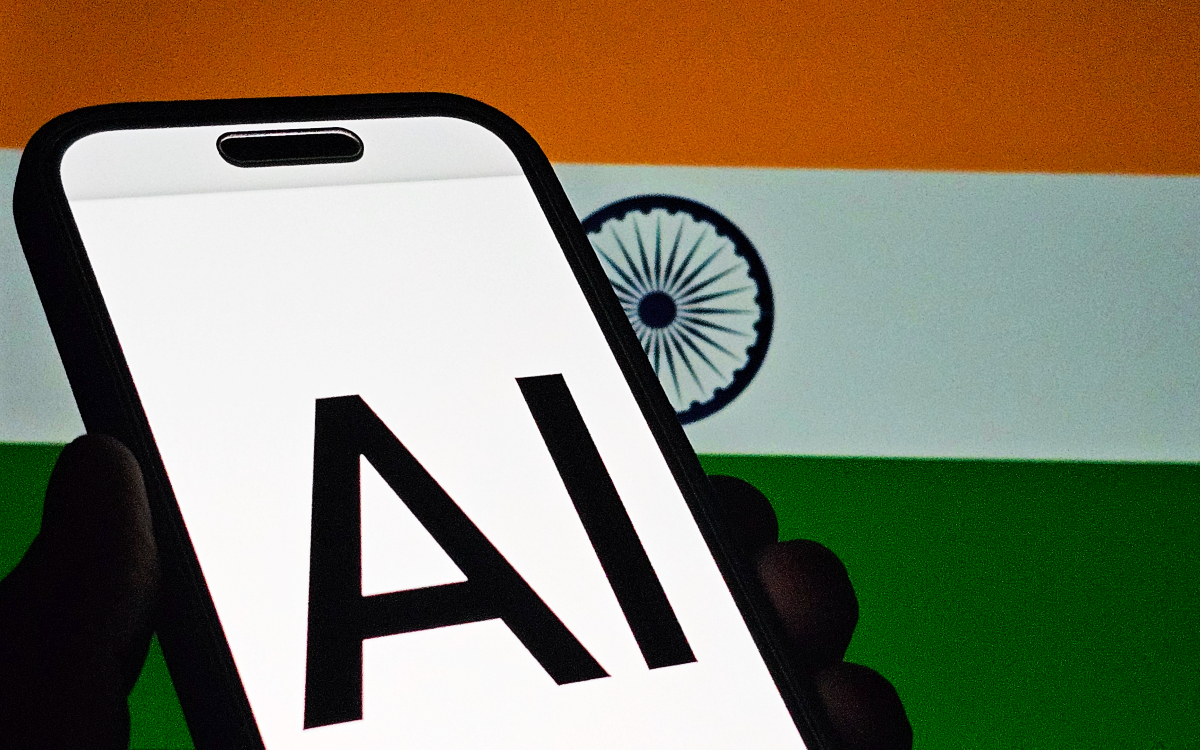
India is currently hosting a monumental four-day AI Impact Summit, an ambitious event designed to attract significant artificial intelligence investment and cement the nation’s position on the global AI map. The high-profile gathering has drawn an impressive roster of executives from leading AI laboratories and technology giants, including OpenAI, Anthropic, Nvidia, Microsoft, Google, and Cloudflare. Beyond the corporate titans, the summit has also seen the participation of heads of state, underscoring its strategic importance on both economic and geopolitical fronts. With an anticipated attendance of 250,000 visitors, the scale of this event reflects India’s profound commitment to becoming a dominant force in the rapidly evolving world of artificial intelligence.
A Nation’s Digital Ascent and AI Ambitions
The India AI Impact Summit is not an isolated event but rather a significant milestone in India’s broader digital transformation journey, which has accelerated dramatically over the past two decades. Historically recognized as a global hub for IT services and software outsourcing, India has progressively shifted its focus towards fostering indigenous innovation and product development. The "Digital India" initiative, launched in 2015, laid foundational infrastructure, promoted digital literacy, and expanded access to online services, creating a vast, digitally connected populace. This groundwork has cultivated an environment ripe for advanced technological adoption, including artificial intelligence.
India possesses a unique advantage in the AI landscape: a massive, young, and increasingly tech-savvy population, coupled with an abundance of data generated across diverse sectors. This demographic dividend, combined with a burgeoning startup ecosystem and robust engineering talent pool, positions the country as a compelling destination for AI research, development, and deployment. The government’s proactive stance, evidenced by various policies aimed at promoting innovation and digital growth, further bolsters this ambition. This summit, therefore, serves as a powerful declaration of intent, signaling India’s readiness to transition from a software services provider to a leader in cutting-edge AI innovation.
Global Tech Convergence: The Stakes of AI Leadership
The attendance of such prominent figures at the summit—including Alphabet CEO Sundar Pichai, OpenAI CEO Sam Altman, Anthropic CEO Dario Amodei, Reliance Chairman Mukesh Ambani, and Google DeepMind CEO Demis Hassabis—highlights the universal recognition of AI’s transformative potential and the critical role India is poised to play. These global tech leaders represent the vanguard of AI development, from foundational models to cloud infrastructure and practical applications. Their presence is a strong indicator of their interest in tapping into India’s vast market, its talent pool, and potentially collaborating on future AI initiatives.
The global race for AI supremacy is well underway, with major powers like the United States and China investing heavily in research, infrastructure, and talent. India aims to carve out its own distinct niche in this competitive landscape, leveraging its democratic values, diverse data sets, and a regulatory approach that seeks to balance innovation with ethical considerations. The summit provides a crucial platform for dialogue between these global players and Indian stakeholders, fostering potential partnerships that could accelerate AI adoption and development within the country. The convergence of such diverse interests underscores the multifaceted nature of AI’s impact, spanning economic growth, social development, and geopolitical influence.
Strategic Partnerships and Diplomatic Engagements
A particularly notable aspect of the summit is the scheduled joint address by India’s Prime Minister Narendra Modi and French President Emmanuel Macron. This high-level diplomatic engagement elevates the summit beyond a purely technological discussion, imbuing it with significant geopolitical and strategic implications. The partnership between India and France has been strengthening across various sectors, including defense, space, and technology. Their joint presence at an AI summit signals a concerted effort to forge alliances in emerging technologies, potentially leading to collaborative research, shared ethical frameworks for AI governance, and joint investments.
Such international collaborations are vital in shaping the global narrative around AI. They allow countries to pool resources, share expertise, and collectively address the complex challenges posed by advanced AI, such as data privacy, algorithmic bias, and the future of work. For India, this engagement with a major European power like France can help diversify its technological partnerships, reducing reliance on any single nation and promoting a more multilateral approach to AI development and regulation. It also reinforces India’s image as a responsible and influential global actor, capable of convening important discussions on the future of technology.
Market Dynamics and Economic Implications
The primary objective of the summit—to lure more AI investment—speaks directly to the immense economic opportunities that AI presents. Analysts project that AI could add trillions of dollars to the global economy over the next decade through increased productivity, the creation of new industries, and the transformation of existing ones. For India, a successful investment drive could translate into a massive influx of capital, fostering a new generation of AI startups, expanding research and development facilities, and creating high-skilled jobs.
The market impact within India could be profound. Sectors such as healthcare, agriculture, finance, and education stand to benefit significantly from AI-driven solutions. For instance, AI can revolutionize healthcare by enabling more accurate diagnostics, personalized treatment plans, and efficient drug discovery. In agriculture, AI can optimize crop yields, predict weather patterns, and manage resources more effectively, benefiting India’s large farming community. The banking and financial services sector can leverage AI for fraud detection, risk assessment, and personalized customer experiences. Furthermore, the presence of major cloud providers and hardware manufacturers like Nvidia suggests potential investments in critical AI infrastructure, which is essential for scaling AI capabilities across the country. The summit is expected to facilitate discussions on these sectoral applications, showcasing India’s readiness to integrate AI into its core economic activities.
Social and Cultural Transformation through AI
Beyond the economic figures, the widespread adoption of AI in India promises significant social and cultural transformations. With a population exceeding 1.4 billion, AI has the potential to enhance public service delivery, improve accessibility, and bridge digital divides. AI-powered tools can facilitate learning in multiple languages, making education more inclusive. Chatbots and virtual assistants can provide government services in remote areas, democratizing access.
However, this transformation also brings inherent challenges. Concerns about job displacement due to automation, the ethical implications of algorithmic decision-making, and the potential for increased surveillance are critical issues that must be addressed. India’s approach to AI development is expected to emphasize responsible AI, ensuring that technological advancements are aligned with societal welfare and ethical principles. The summit is likely to feature discussions on developing robust regulatory frameworks, promoting data privacy, and fostering public trust in AI systems. Culturally, the integration of AI into daily life will necessitate greater digital literacy and adaptation, potentially leading to new forms of interaction and consumption of information.
Navigating the Regulatory Landscape and Ethical AI
A key element of India’s AI strategy, and likely a major theme at the summit, involves establishing a robust yet flexible regulatory framework. Unlike some nations that have opted for stringent, top-down regulation, India appears to be pursuing a more consultative and agile approach, aiming to foster innovation while mitigating risks. Discussions are anticipated to cover areas such as data governance, intellectual property rights in AI-generated content, and standards for AI safety and fairness.
The emphasis on ethical AI is particularly pertinent in a diverse nation like India, where potential biases in algorithms could exacerbate existing social inequalities. Developing AI systems that are transparent, accountable, and fair, especially when dealing with sensitive data or critical decision-making, will be paramount. The summit provides an opportunity for international experts and policymakers to exchange ideas on best practices for ethical AI development, drawing lessons from global experiences while tailoring solutions to India’s unique context. Public-private partnerships will be crucial in this endeavor, bringing together government, industry, academia, and civil society to collectively shape the future of AI regulation and ethics.
Challenges and the Path Forward
Despite the palpable excitement and ambitious goals, India’s AI journey is not without its challenges. While the talent pool is vast, there remains a need for highly specialized AI researchers and data scientists. Gaps in advanced computing infrastructure, though rapidly improving, also need continuous investment. Data privacy and security, especially with the proliferation of personal data, will require robust legal and technological safeguards. Furthermore, navigating the intense global competition for AI talent and resources will demand strategic foresight and sustained commitment.
However, these challenges are outweighed by significant opportunities. India’s large domestic market offers a unique testing ground for AI applications at scale. Its cultural diversity fosters innovation in areas like natural language processing for multiple languages. The government’s strong political will and the presence of a vibrant startup ecosystem create a fertile environment for growth. The India AI Impact Summit serves as a pivotal moment, not just for attracting investment but also for forging the necessary collaborations, talent development initiatives, and policy frameworks that will underpin India’s long-term success in the AI era. It is a clear statement that India intends to be a creator and leader in the global AI landscape, shaping its future rather than merely adapting to it.