Amir Mahmud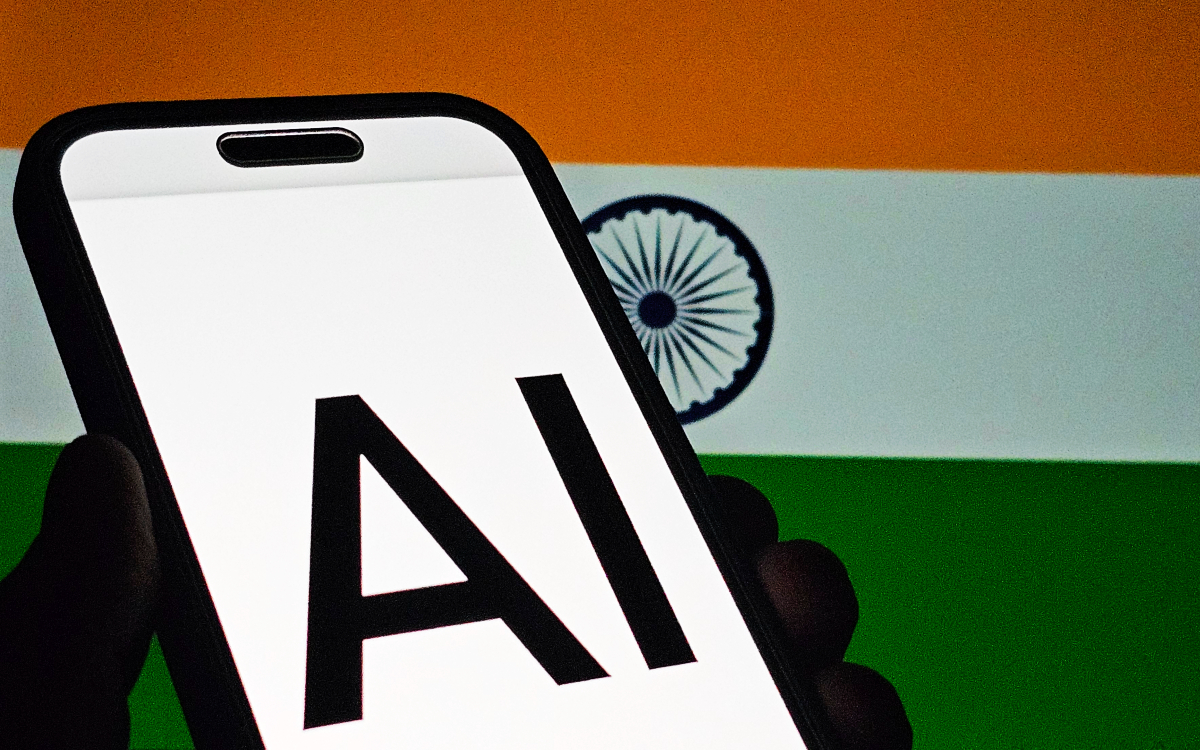
New Delhi has become the epicenter of global artificial intelligence discourse this week, as India hosts a landmark four-day AI Impact Summit designed to position the nation at the forefront of the burgeoning AI revolution. The high-profile event has attracted an unprecedented gathering of executives from leading AI laboratories and Big Tech corporations, alongside prominent heads of state, signaling India’s strategic intent to emerge as a significant player in the global AI landscape and draw substantial foreign investment into its rapidly expanding digital economy.
A Confluence of Global AI Leadership
The summit’s guest list reads like a who’s who of the artificial intelligence world, underscoring the strategic importance attached to India’s technological future. Among the confirmed attendees are Alphabet CEO Sundar Pichai, OpenAI CEO Sam Altman, Anthropic CEO Dario Amodei, Google DeepMind CEO Demis Hassabis, and Reliance Chairman Mukesh Ambani, a towering figure in Indian industry. Their collective presence signifies a strong interest from both global tech giants and domestic powerhouses in shaping and participating in India’s AI journey. The participation extends beyond corporate boardrooms, with India’s Prime Minister Narendra Modi slated to deliver a joint address with French President Emmanuel Macron, highlighting the geopolitical dimensions and international collaborative potential of AI development. With an estimated 250,000 visitors expected to attend, the sheer scale of the summit reflects a national fervor for technological advancement and innovation.
India’s Strategic Pivot Towards AI Dominance
India’s push into artificial intelligence is not an isolated endeavor but a strategic continuation of its broader digital transformation agenda. For years, the nation has invested heavily in digital public infrastructure, from Aadhaar (the biometric identification system) to the Unified Payments Interface (UPI), creating a robust digital backbone that now serves as fertile ground for AI applications. The government’s vision, often encapsulated in the "Digital India" initiative, aims to empower citizens digitally and transform the economy through technology. AI is viewed as the next logical frontier, capable of accelerating progress across diverse sectors, from healthcare and education to agriculture and urban planning. The summit serves as a powerful declaration of this intent, showcasing India’s talent pool, its vast data reserves, and its commitment to fostering an AI-friendly ecosystem. This aggressive outreach seeks to attract not just capital but also knowledge transfer, research collaboration, and the establishment of advanced AI development centers within the country.
The Historical Context of India’s Tech Ambitions
India’s journey in the global technology sector dates back decades, initially establishing itself as a powerhouse in IT services and software development, particularly through the outsourcing boom of the late 20th and early 21st centuries. Cities like Bengaluru (often dubbed the "Silicon Valley of India") became global hubs for software engineering, leveraging a vast pool of English-speaking, technically skilled graduates. This foundational success laid the groundwork for a burgeoning startup ecosystem, attracting venture capital and fostering a culture of innovation.
In recent years, the focus has shifted towards product development, deep technology, and indigenous innovation. Government initiatives like "Make in India" and "Startup India" have actively promoted domestic manufacturing and entrepreneurship. The emergence of AI on the global stage presents both an opportunity and a challenge. India aims to leapfrog traditional industrial development stages by harnessing AI to solve its unique societal problems and to become a net exporter of AI solutions, rather than merely a consumer. The timeline of this ambition can be traced from initial government reports and task forces on AI in the late 2010s, through various policy consultations, to the present summit, which represents a significant milestone in solidifying these aspirations.
Economic and Societal Transformation through AI
The potential market, social, and cultural impact of AI in India is immense and multifaceted. Economically, AI is projected to be a significant driver of growth, potentially adding hundreds of billions of dollars to India’s GDP by enhancing productivity, automating processes, and creating new industries. Sectors like manufacturing, finance, and retail stand to benefit from AI-driven efficiencies and personalized services. However, this growth also brings concerns about job displacement, particularly in routine tasks, necessitating proactive government policies for reskilling and upskilling the workforce.
Socially, AI holds the promise of revolutionizing public services. In healthcare, AI could facilitate early disease detection, personalize treatment plans, and extend medical expertise to remote areas through telemedicine. In education, intelligent tutoring systems could adapt to individual learning paces, bridging educational disparities. For agriculture, AI can optimize crop yields, predict weather patterns, and manage water resources more efficiently. Culturally, the development of AI models capable of understanding and generating content in India’s diverse array of regional languages could democratize access to information and digital services, fostering greater inclusivity. The "Sarvam Kaze" initiative, mentioned during the summit, exemplifies this domestic drive, signaling a move towards integrating Indian-built AI models directly into consumer devices, tailored to local needs and linguistic nuances. This is a critical step in ensuring AI truly serves the "Bharat" (India) rather than being merely an imported technology.
Navigating the Challenges and Ethical Landscape
Despite the immense potential, India’s AI journey is not without its challenges. Developing robust AI infrastructure requires significant investment in data centers, high-performance computing, and reliable energy supply – an area where Sam Altman’s commentary on the energy intensity of AI training, comparing it to the "20 years of life and all of the food you eat" to train a human, resonates deeply. India must also address issues of data privacy and security, establish clear regulatory frameworks for AI, and ensure ethical considerations are embedded in the development and deployment of AI systems. The ethical implications are particularly pertinent in a diverse society like India, where biases in data could perpetuate or even amplify existing societal inequalities. Discussions around responsible AI, fairness, accountability, and transparency are crucial to build public trust and ensure equitable benefits. The presence of global leaders from companies like OpenAI and Anthropic, known for their focus on AI safety and ethical development, suggests that these concerns are part of the summit’s broader agenda.
Domestic Innovation and Global Collaboration
The dual emphasis on fostering domestic innovation, as demonstrated by projects like Sarvam Kaze, and attracting global collaboration is a hallmark of India’s AI strategy. While global tech giants offer advanced research capabilities, capital, and access to cutting-edge models, India recognizes the need to build its own foundational AI capabilities to ensure strategic autonomy and address its specific needs. The collaboration with French President Emmanuel Macron also underscores a broader trend towards international cooperation on AI governance and standards, particularly among democratic nations. This approach allows India to leverage global expertise while simultaneously nurturing a vibrant, self-reliant AI ecosystem. Such partnerships are vital for sharing best practices, establishing common ethical guidelines, and preventing a fragmented global AI landscape.
The Road Ahead for India’s AI Ecosystem
The India AI Impact Summit represents more than just a gathering of tech luminaries; it is a strategic inflection point for a nation determined to shape its technological future. The coming years will reveal the true impact of these discussions and commitments. Success will hinge on India’s ability to translate the enthusiasm generated at the summit into concrete policies, sustained investment, talent development programs, and a regulatory environment that fosters innovation while safeguarding societal interests. By bringing together policymakers, industry leaders, researchers, and startups, India aims to forge a collective path forward, ensuring that artificial intelligence becomes a powerful engine for inclusive growth and global leadership. The world watches as India positions itself not just as a consumer, but as a crucial contributor to the global AI narrative, driving innovation that resonates from local villages to international markets.