Amir Mahmud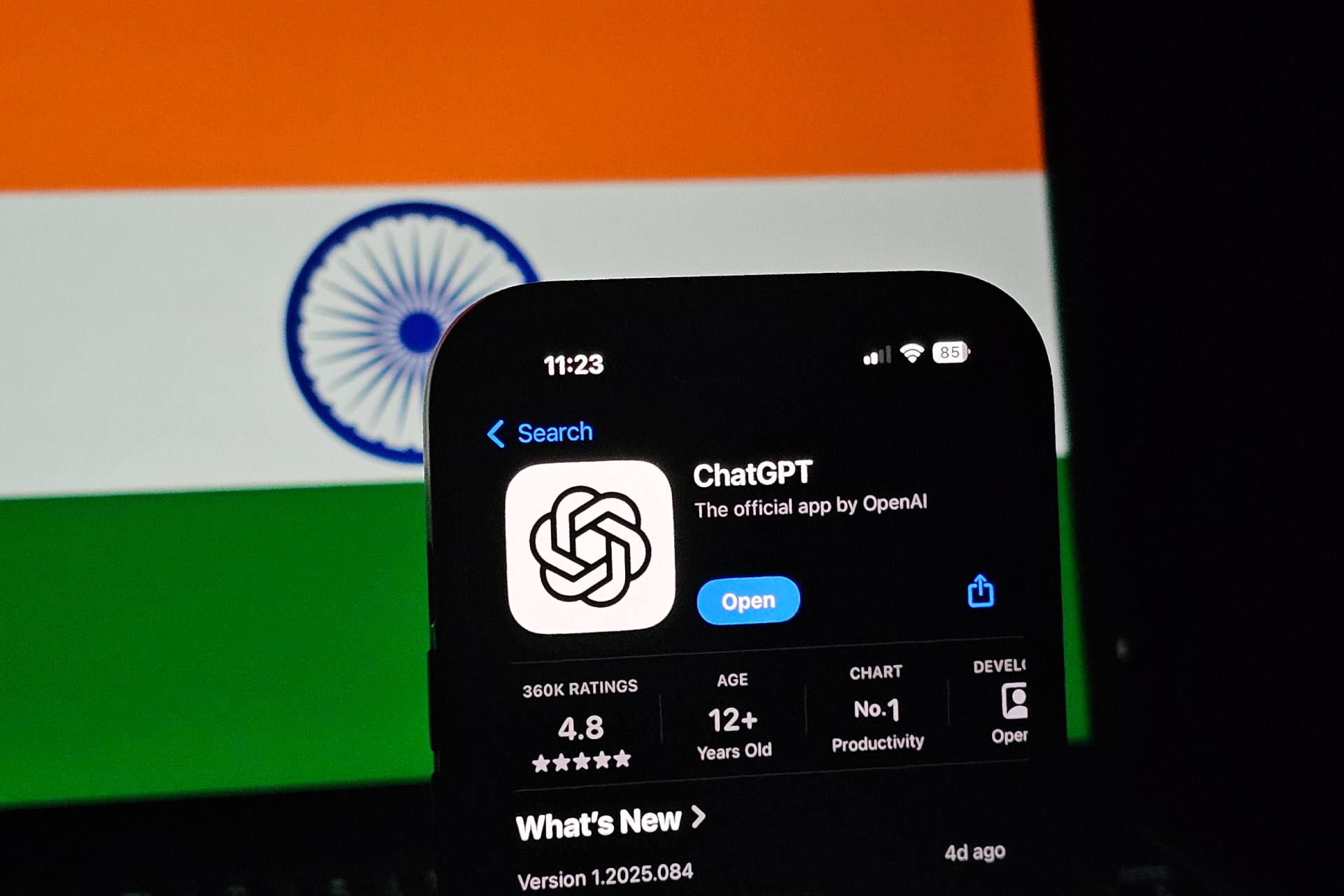
India has emerged as a pivotal market for advanced artificial intelligence, with OpenAI’s CEO Sam Altman announcing that the country now boasts an astounding 100 million weekly active users of ChatGPT. This significant milestone establishes India as one of the largest global user bases for the generative AI platform, underscoring its escalating importance in the international technology landscape. Altman’s revelation, made in an article published by the Indian English daily Times of India, precedes the much-anticipated India AI Impact Summit in New Delhi, where OpenAI is a formal participant alongside other leading AI entities.
The Indian Digital Ascent: A Confluence of Factors
The remarkable surge in ChatGPT’s adoption in India is not an isolated phenomenon but rather a culmination of the nation’s decade-long digital transformation. India, with its colossal population exceeding 1.4 billion people, hosts over a billion internet users, representing an unparalleled demographic opportunity for technology companies. This vast digital footprint has been significantly amplified by initiatives like "Digital India," launched in 2015, which focused on improving online infrastructure and digital literacy. The widespread availability of affordable internet, largely catalyzed by the entry of Reliance Jio in 2016, dramatically lowered data costs and democratized internet access, propelling millions into the digital realm.
This digital groundwork has created fertile ground for advanced technologies like AI. India’s young population, characterized by a strong appetite for technological innovation and digital tools, forms a significant segment of this user base. Furthermore, the country’s robust startup ecosystem, a growing pool of skilled tech talent, and a government increasingly committed to fostering technological self-reliance ("Atmanirbhar Bharat") collectively contribute to an environment ripe for AI proliferation. The rapid adoption of digital payment systems like UPI (Unified Payments Interface) also showcases the Indian populace’s readiness to embrace new digital paradigms, setting a precedent for the quick integration of AI tools into daily life and professional workflows.
OpenAI’s Strategic Focus and Localized Approach
For OpenAI, a company at the forefront of generative AI, India’s burgeoning market represents a critical frontier for global expansion and diversification. The Silicon Valley-based firm’s strategic commitment to India became evident with the establishment of its New Delhi office in August 2025, a move that followed extensive groundwork and market analysis. Recognizing the unique characteristics of the Indian market, particularly its price sensitivity, OpenAI has demonstrated a willingness to adapt its business model.
A notable example of this localized strategy was the introduction of a sub-$5 ChatGPT Go tier, which was subsequently made free for a year for Indian users. This aggressive pricing strategy aimed to lower the barrier to entry significantly, enabling widespread access and encouraging experimentation among a broad user demographic. Such moves are crucial in a market where affordability often dictates adoption rates, even for revolutionary technologies. By making its services accessible, OpenAI not only captures a massive user base but also gathers invaluable data on user behavior, preferences, and potential applications within a diverse cultural and linguistic context, which can inform future product development and refinement.
The Youthful Catalyst: Students Driving AI Adoption
A particularly striking aspect of ChatGPT’s growth in India is the prominent role of its student community. Sam Altman specifically highlighted that India accounts for the largest number of student users globally, a testament to the nation’s vast academic infrastructure and the digital fluency of its youth. Students are leveraging ChatGPT for a myriad of academic purposes, ranging from research assistance and essay drafting to coding support and language learning. This integration into educational workflows is transforming traditional learning methodologies and preparing a future workforce highly adept at interacting with AI.
The significance of this trend extends beyond OpenAI. Other leading AI firms, recognizing the immense potential of the student segment, are similarly vying for market share. Google, for instance, has actively targeted Indian students, offering a free one-year subscription to its AI Pro plan in September 2025. Chris Phillips, Google’s Vice President and General Manager for Education, recently confirmed that India leads the world in the usage of Gemini, Google’s AI chatbot, for learning purposes. This intense competition underscores the strategic importance of embedding AI tools early in the educational journey, cultivating a generation that views AI as an indispensable partner in learning and productivity. The long-term implications for India’s human capital development and innovation capacity are profound, potentially accelerating scientific research, technological advancements, and entrepreneurial endeavors.
India’s Role in Shaping Global AI Governance
Altman’s commentary on India’s potential to shape the future of democratic AI reflects a broader recognition of the nation’s growing influence. He articulated that India, with its focus on widespread access, practical AI literacy, and supporting infrastructure, is uniquely positioned to broaden the beneficiaries of this technology and influence its adoption at scale globally. This perspective aligns with India’s increasing assertiveness on the global stage, particularly in technology and digital governance.
The concept of "democratic AI" implies that the benefits and capabilities of artificial intelligence should be widely distributed, accessible, and developed in a manner that reflects diverse societal values, rather than being concentrated in the hands of a few corporations or nations. India’s large, diverse, and digitally engaged population offers a unique testing ground for equitable AI deployment. The sheer scale of user interaction provides rich datasets that can help develop more robust, less biased AI models, and foster applications relevant to a broader range of human experiences. However, Altman also issued a cautionary note, warning that uneven access and adoption within India could risk concentrating AI’s economic gains, thereby forfeiting a vital opportunity to advance democratic AI models in other emerging markets worldwide. This highlights the crucial need for inclusive policy frameworks and deployment strategies.
Navigating the Path to Economic Impact
Despite the impressive user numbers, a significant challenge for AI companies in India lies in translating widespread adoption into sustainable economic impact. India’s inherent price sensitivity and persistent infrastructure constraints in certain regions make monetization and large-scale, equitable deployment more complex than in developed economies. While free tiers and subsidized access drive user acquisition, converting these users into paying customers or generating substantial revenue remains a nuanced endeavor.
The Indian government is actively addressing these gaps through initiatives like the IndiaAI Mission. This ambitious national program is designed to expand computing capacity, foster a thriving AI startup ecosystem, and accelerate the adoption of AI in public services. By investing in foundational infrastructure and nurturing local innovation, the government aims to ensure that AI’s transformative potential benefits all sectors of society. However, overcoming the digital divide, ensuring robust data privacy, and developing ethical AI guidelines tailored to India’s diverse socio-cultural fabric are critical steps toward realizing AI’s full economic and social promise. The focus on local language support for AI tools, for example, will be paramount in ensuring that the technology genuinely serves all segments of India’s multilingual population.
The India AI Impact Summit: A Global Nexus
The India AI Impact Summit, a five-day event in New Delhi, serves as a powerful testament to India’s burgeoning influence in the global AI discourse. The summit is attracting an unprecedented convergence of global technology and political leaders, signaling the strategic importance of the Indian market. Attendees include prominent figures such as Dario Amodei, CEO of Anthropic; Sundar Pichai, CEO of Google; and influential Indian business leaders like Mukesh Ambani and Nandan Nilekani.
Beyond corporate titans, the summit is also drawing heads of state, including French President Emmanuel Macron, Sheikh Khaled bin Mohamed bin Zayed Al Nahyan, and Brazilian President Luiz Inácio Lula da Silva. This high-level participation underscores India’s ambition to position itself as a central player in shaping the future of AI development, regulation, and ethical deployment. For global AI firms like OpenAI, the summit provides a crucial platform for engagement with policymakers, industry partners, and the vast Indian talent pool, reinforcing how India’s enormous user base is increasingly translating into significant influence over the trajectory and evolution of artificial intelligence worldwide.
Looking Ahead: Partnerships and Future Trajectories
Looking forward, Sam Altman hinted at OpenAI’s plans to deepen its engagement with the Indian government, with upcoming announcements of new partnerships aimed at expanding AI access across the nation. While specific details remain undisclosed, the focus is clearly on broadening reach and empowering more individuals to harness AI tools for practical applications. This collaborative approach, combining technological innovation with governmental support and local market understanding, is vital for realizing the full potential of AI in a country as vast and diverse as India.
The rapid adoption of ChatGPT by 100 million weekly users in India is not merely a statistic; it signifies a profound shift in the global technology landscape. It positions India not just as a consumer of AI, but as a critical contributor to its development, ethical considerations, and democratic application. As the world grapples with the transformative power of artificial intelligence, India’s journey will undoubtedly offer invaluable lessons on scaling technology, fostering inclusive growth, and shaping a future where AI serves humanity on an unprecedented scale.