Amir Mahmud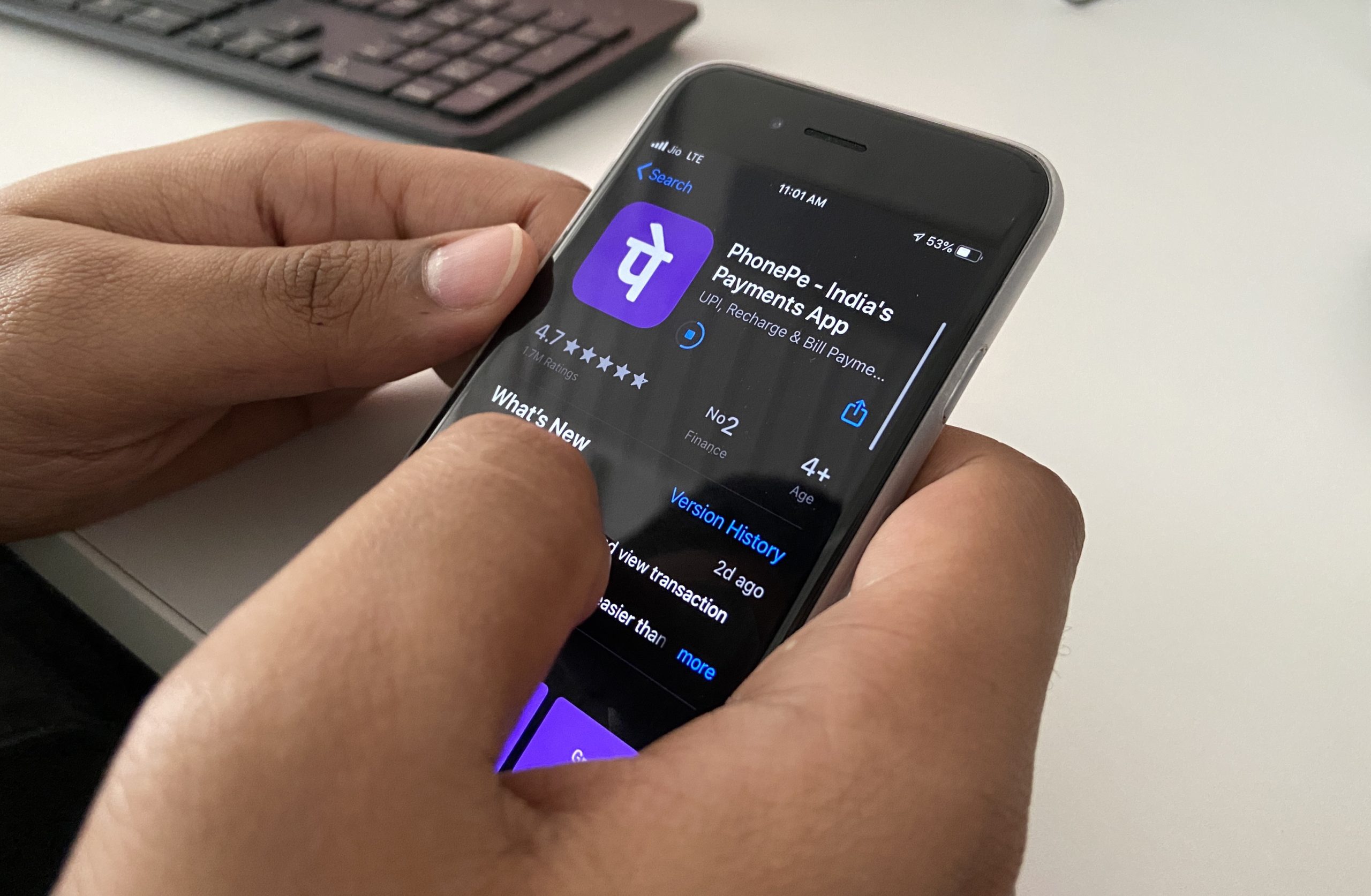
PhonePe, the dominant force in India’s rapidly expanding digital payments sector, has announced the indefinite postponement of its highly anticipated initial public offering (IPO). The decision, communicated on Monday by the Bengaluru-based fintech giant, attributes the halt to a confluence of global geopolitical tensions and the resulting volatility across international stock markets. The company, which is majority-owned by U.S. retail titan Walmart, emphasized its continued commitment to eventually listing on Indian exchanges once market conditions stabilize and become more favorable for a public debut.
A Turbulent Global Market Landscape
The current environment for public market listings is markedly challenging, primarily influenced by escalating geopolitical flashpoints, particularly in the Middle East. These conflicts have sent ripples through global financial arteries, pushing crude oil prices higher and fostering a pervasive sense of risk aversion among investors. Capital markets worldwide have reacted with apprehension, leading to significant retreats from equities. India, a burgeoning economic powerhouse often seen as a resilient investment destination, has not been immune to these pressures. Over the past month, the nation’s benchmark equity indexes, the Nifty 50 and BSE Sensex, have each recorded declines of approximately 9%. Furthermore, hundreds of Indian stocks have experienced double-digit percentage drops since the geopolitical conflict intensified around late February, reflecting a broad-based erosion of investor confidence.
Such market turbulence creates an unfavorable backdrop for IPOs, which typically thrive on stability and a robust appetite for new issuances. Companies seeking to go public aim to maximize their valuation and secure capital from a wide investor base. In volatile times, potential investors often become more cautious, demanding lower valuations or postponing commitments, which can undermine the entire listing process.
PhonePe’s Ascendance in India’s Digital Arena
PhonePe’s journey from a nascent startup to India’s largest digital payments platform is a testament to the nation’s digital transformation. Founded in December 2015 by Sameer Nigam, Rahul Chari, and Burzin Engineer, the company quickly carved out a niche in the burgeoning mobile payments space. Its innovative approach and user-friendly interface caught the attention of e-commerce behemoth Flipkart, which acquired PhonePe in 2016. This acquisition provided PhonePe with significant capital, strategic backing, and a vast user base through Flipkart’s ecosystem, enabling it to rapidly scale operations and expand its market reach.
Under Flipkart’s wing, PhonePe leveraged the widespread adoption of smartphones and increasing internet penetration across India. The company became a crucial component of Flipkart’s broader digital strategy, especially as India transitioned towards a less-cash economy. In 2022, PhonePe was strategically spun out from Flipkart into a separate entity, though Walmart, having acquired Flipkart in 2018, remained its majority shareholder, signaling its long-term commitment to the Indian fintech market. This spin-off allowed PhonePe to pursue its own growth trajectory and financial strategies independently, paving the way for its eventual IPO considerations.
The UPI Revolution and PhonePe’s Dominance
At the heart of PhonePe’s success lies its deep integration with India’s Unified Payments Interface (UPI). Launched by the National Payments Corporation of India (NPCI) in 2016, UPI revolutionized digital payments by offering an instant, real-time payment system that allows users to link multiple bank accounts into a single mobile application. Its interoperability, ease of use, and zero transaction fees for many services quickly propelled it to become the backbone of India’s digital economy.
PhonePe swiftly capitalized on the UPI infrastructure, developing a robust platform that made digital transactions accessible and convenient for millions. The company has consistently outpaced its competitors in transaction volumes within the UPI ecosystem. For instance, in February 2026, PhonePe processed an astounding 9.3 billion transactions, amounting to approximately ₹13.1 trillion (roughly $141.9 billion). This remarkable volume significantly surpassed its closest rival, Google Pay, which recorded 6.8 billion transactions valued at around ₹9 trillion (approximately $97.8 billion) during the same period, according to data from NPCI. This market leadership underscores PhonePe’s critical role in the daily financial lives of Indian consumers and businesses, from small street vendors to large online retailers.
The social and cultural impact of UPI, and by extension PhonePe, cannot be overstated. It has democratized digital payments, bringing financial inclusion to segments of the population previously underserved by traditional banking systems. The ability to make instant payments for everything from groceries to utility bills has transformed daily commerce, fostered a sense of digital literacy, and accelerated India’s journey towards a cashless society.
Strategic Diversification and Future Ambitions
While initially establishing its stronghold in digital payments, PhonePe has actively pursued a strategy of diversification, aiming to become a comprehensive financial services platform. This expansion is critical for sustaining long-term growth and maximizing user engagement beyond mere transactional services. The company has ventured into offering stockbroking and mutual fund investments, enabling users to manage their savings and investments directly through the platform. This move positions PhonePe to compete with traditional financial institutions and a growing number of fintech players in the investment space.
Perhaps one of its most ambitious diversification efforts is the launch of its own Android app store, the "Indus Appstore." Positioned as a direct alternative to Google’s Play Store, this initiative reflects PhonePe’s broader strategic vision to create an independent digital ecosystem. By offering developers a more favorable revenue share and a platform tailored for the Indian market, Indus Appstore seeks to challenge the dominance of global tech giants and foster local innovation. These expansion efforts, however, require substantial capital investment, which is a key reason for the company’s pursuit of public funding.
Valuation Dynamics and Investor Sentiment
The decision to delay the IPO also brings into focus the complex dynamics of valuation in the current market. PhonePe was last valued at approximately $12 billion in January 2023 during a private funding round. For its public offering, the company had reportedly aimed for a market capitalization of around $15 billion, intending to raise up to $1.5 billion. However, recent reports from investment bankers working with PhonePe suggested a potential downward revision of valuation expectations to approximately $9 billion.
While PhonePe explicitly stated that its decision to pause the IPO was solely due to "current market conditions, which are unrelated to PhonePe," and dismissed any claims of valuation concerns as "baseless," the discrepancy between initial targets and revised estimates highlights a broader trend. In a tightening monetary environment and with increased investor scrutiny, particularly for growth-oriented companies that are not yet consistently profitable, public market valuations often come under pressure. Investors become more focused on fundamentals, profitability pathways, and sustainable growth rather than solely on user acquisition and transaction volumes.
For the six months ending September 2025, PhonePe’s revenue from operations increased by 22% to approximately ₹39.19 billion (about $424.4 million). However, its losses also widened during the same period, growing to ₹14.44 billion (around $156.4 million) from ₹12.03 billion (about $130.4 million) a year earlier. This widening loss is consistent with a company in an aggressive expansion phase, investing heavily in new services and market penetration. However, public market investors typically demand a clearer path to profitability, especially in an uncertain economic climate.
Broader Implications for India’s Tech Ecosystem
The postponement of PhonePe’s IPO carries significant implications not just for the company itself but for India’s broader tech and startup ecosystem. A successful listing by a company of PhonePe’s stature, particularly with the backing of a global retail giant like Walmart, would have been a strong signal of confidence in the Indian public markets and its fintech sector. Its delay could potentially dampen enthusiasm among other Indian tech unicorns contemplating their own market debuts, encouraging a more cautious approach.
The IPO was also expected to provide a crucial exit opportunity for several early investors. According to its prospectus, Tiger Global and Microsoft were slated to divest their entire stakes, while Walmart, as the majority owner, planned to offload approximately 45.9 million shares, representing about 9% of the company, while still retaining majority control. These exits are vital for the venture capital and private equity ecosystem, allowing funds to return capital to their limited partners and reinvest in new ventures. The delay means these investors will have to wait for a more opportune moment to realize their gains, potentially impacting future investment cycles.
Looking Ahead: The Path to Public Markets
PhonePe’s decision, while undoubtedly a setback, is not an uncommon occurrence in the volatile world of IPOs. Many companies choose to wait out periods of market instability to ensure a more successful and well-received public offering. For PhonePe, the path forward will likely involve closely monitoring global economic indicators, geopolitical developments, and the performance of public markets.
The company will need to demonstrate sustained growth, a clear trajectory towards profitability, and possibly refine its valuation expectations to align with evolving investor sentiment. Once the dust settles on global tensions and capital markets regain stability, PhonePe, with its dominant market position and diversified offerings, remains a strong candidate for a successful public listing. Its eventual IPO will be a landmark event, not just for the company and its investors, but for the entire Indian digital economy, signaling the maturity and resilience of the nation’s fintech landscape. Until then, the focus will remain on operational excellence and strategic expansion, navigating the currents of an unpredictable global economic environment.