Amir Mahmud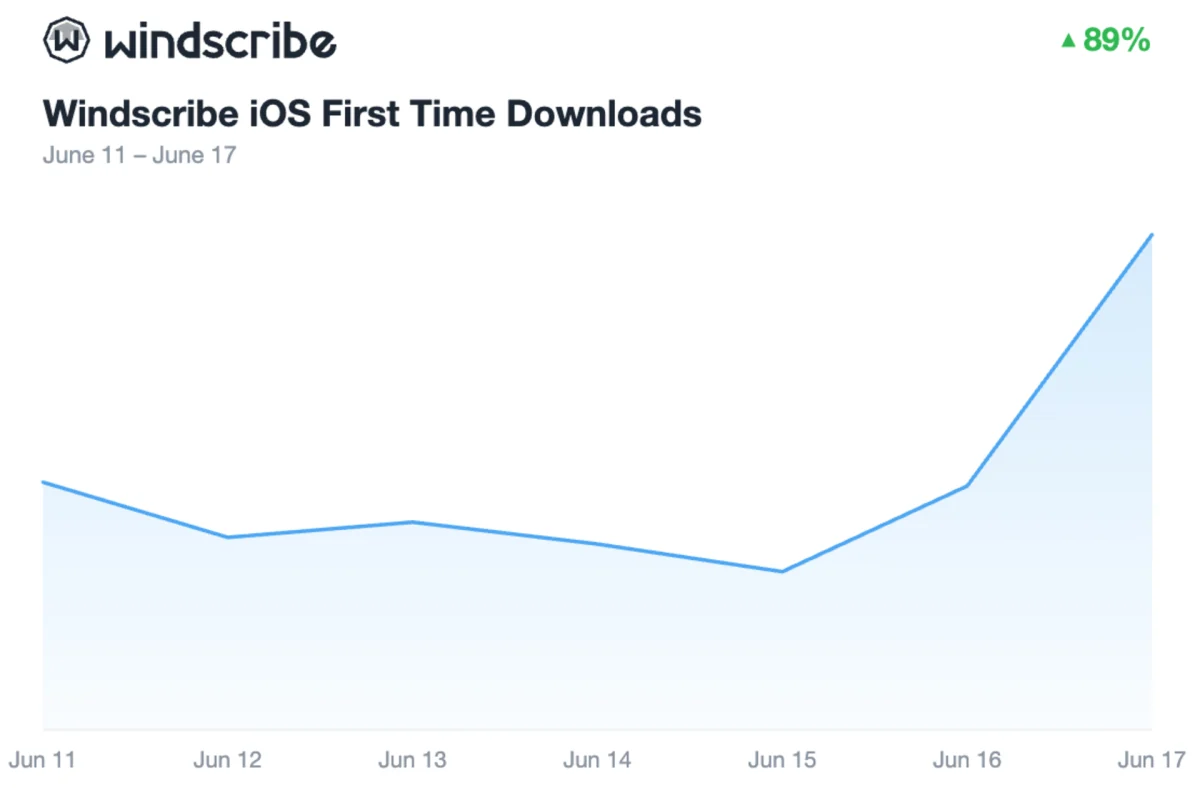
India’s recent decision to impose a temporary restriction on the popular messaging application Telegram has ignited a significant response from the nation’s digital populace, driving an unprecedented surge in the download and utilization of virtual private networks (VPNs) and alternative communication platforms. This week-long blockade, implemented amidst escalating concerns over exam-related fraud, particularly targeting the retest for the crucial National Eligibility cum Entrance Test (Undergraduate), inadvertently highlighted the intricate relationship between government oversight, digital access, and user ingenuity in one of the world’s largest internet markets.
The Catalyst: Exam Fraud Concerns and Government Action
The genesis of the Telegram restriction lies deep within India’s highly competitive education system, where entrance examinations like the National Eligibility cum Entrance Test (NEET) serve as pivotal gateways to higher education, particularly in medical fields. The NEET-UG, attracting millions of applicants annually, is notorious for its intense pressure and, unfortunately, for instances of malpractices, including the leakage of exam papers and various fraudulent schemes. In the lead-up to a critical retest, authorities identified Telegram as a platform being exploited by fraudsters to disseminate fake examination materials and facilitate scams, threatening the integrity of the entire testing process.
The Indian government, citing an urgent need to safeguard the examination’s fairness and prevent widespread deception, issued an order to temporarily cut off access to Telegram. This measure, effective until June 22, was framed as a necessary preventative step to curb the spread of illicit content and protect prospective candidates. The decision underscores the government’s proactive stance against digital platforms perceived as enabling illegal activities, a recurring theme in global internet governance debates.
A Digital Exodus: The Surge in VPN Adoption
The immediate aftermath of the Telegram restriction saw a remarkable and swift digital migration, with millions of Indian internet users actively seeking ways to circumvent the blockade. App intelligence firm Appfigures reported that the day India announced the Telegram restriction marked the highest volume of VPN app downloads in the country since at least the beginning of 2025. This single day witnessed a substantial 49% increase in downloads of major VPN applications, jumping from a recent daily average of approximately 139,000 to an astounding 208,000.
Several prominent VPN providers experienced exponential growth in demand. Proton VPN, known for its strong privacy stance, saw its downloads on Apple’s App Store in India soar by 113%, while Google Play downloads climbed by 64%. Turbo VPN recorded an 85% increase on the App Store and a 35% rise on Google Play. Other industry leaders also reported significant spikes: NordVPN’s App Store downloads increased by 41%, and ExpressVPN’s downloads on Google Play rose by 31%. These figures paint a clear picture of a population determined to maintain its digital connectivity.
The surge in demand was not merely reflected in download numbers but also in the dramatic ascent of these services within India’s app store rankings. Proton VPN, for instance, leaped from 18th to 5th place in Apple’s Utilities category between June 16 and June 18, simultaneously climbing from 8th to 2nd in Google Play’s Tools category. This rapid upward movement signifies widespread adoption and an immediate prioritization of circumvention tools among Indian users. Beyond app store data, Proton confirmed that daily registrations from India rose 120% above baseline levels, with hourly registrations spiking 150% immediately following the restriction, an "extremely noteworthy" increase given their existing user base in the country. Canadian VPN service provider Windscribe reported similar trends, with sign-ups from India peaking roughly 100% above baseline and first-time iOS app downloads rising approximately 89%. Surfshark also noted a roughly 30% increase in connectivity from India. Sensor Tower corroborated this broad trend, reporting a 10% day-over-day increase across the entire VPN app category in India on June 17, reversing a two-week decline.
Circumvention as a Trend: Broader Implications of VPN Use
The rapid embrace of VPNs in India is not an isolated incident but rather a testament to a growing global trend observed whenever digital access is curtailed. As Rebecca Rosenberg, growth operations manager at Windscribe, articulated, "The spike in India follows the same general trend we see in areas that ban specific apps, introduce age bans or verification requirements, or otherwise restrict internet access." This phenomenon highlights a universal human desire for unrestricted information flow and communication, particularly in an increasingly interconnected world.
Experts suggest that such reactions indicate a growing sophistication among internet users regarding digital circumvention tools. Laura Tyrylyte, a privacy advocate at NordVPN, observed, "Spikes in demand for VPNs tend to follow any kind of platform restriction, regardless of the reason behind it. When access to a tool people rely on is suddenly removed, they look for alternatives fast." She further noted that the Indian response suggests users are becoming increasingly familiar with these tools and are reacting more quickly to online restrictions than in the past, reflecting a higher degree of digital literacy and an innate understanding of how to navigate digital barriers.
Seeking Alternatives: The Rise of Secure Messaging Apps
While many users turned to VPNs to regain access to Telegram, a significant segment also explored alternative messaging platforms. This diversification suggests a pragmatic response to potential future restrictions or a desire to discover new, reliable communication channels. Signal, renowned for its end-to-end encryption and strong privacy features, saw its downloads in India surge by 72% on Apple’s App Store and a remarkable 322% on Google Play following the restriction. Viber, another secure messaging app, experienced a 216% increase in App Store downloads.
Perhaps the most dramatic shift was observed by iMe, a Telegram-linked messaging app that leverages Telegram’s API. Its Google Play downloads skyrocketed from a recent daily average of around 827 to an astonishing 50,900 on June 16. This particular surge indicates that users were not just looking for any alternative but often for platforms that offered a similar user experience or connectivity to their existing Telegram network, signaling a strong loyalty to the ecosystem even while seeking bypasses.
The Paradox of Prohibition: Telegram’s Enduring Pull
Intriguingly, despite the government’s efforts to restrict access, the ban did not immediately translate into a decrease in Telegram usage. In a surprising turn of events, Sensor Tower reported that Telegram’s daily active users (DAU) in India actually rose by 17% on the day the measure was announced. This marked the app’s largest day-over-day increase in the country since a widespread outage of Meta’s services in 2021. This paradoxical increase suggests that the restriction might have, in fact, heightened awareness and driven more determined users to find ways to access the platform.
Further data points reinforce this notion of heightened efforts to access Telegram. Cloudflare Radar lead Lai Yi Ohlsen observed a sharp increase in DNS requests for Telegram domains in India over the two days following the announcement. While Cloudflare cautioned that higher DNS traffic does not necessarily equate to successful access, it strongly indicates that users were repeatedly attempting to reach the blocked platform, showcasing their persistence and the integral role Telegram plays in their digital lives. This suggests that for a significant portion of users, Telegram is not easily replaceable, even in the face of governmental blocking.
Legal Battleground: The Delhi High Court’s Stance
The legality and proportionality of the blanket ban on Telegram were immediately challenged in the Delhi High Court. Telegram’s legal representatives argued that authorities should focus on targeting specific illicit content or channels rather than imposing a platform-wide restriction that affects its over 150 million users in India. The company highlighted its efforts to cooperate with authorities, stating it had removed channels identified as problematic, questioning the necessity of such a broad measure.
However, government lawyers, led by Solicitor General Tushar Mehta, vigorously defended the action. They characterized the measure as a temporary, event-linked response directly tied to the NEET retest, arguing it possessed a "logical nexus" to the objective of preventing fraud. While acknowledging that a permanent ban might raise proportionality concerns, the government maintained that the current restriction was justified given the emergency nature of the situation. In its ruling, the Delhi High Court ultimately upheld the restriction on Friday, finding that authorities had followed the prescribed procedure given the urgent and critical nature of the order. This ruling sets a precedent for how temporary digital restrictions can be justified in emergency scenarios in India.
Historical Context and Global Parallels
The situation in India is far from unique. Internet shutdowns and platform restrictions have become increasingly common tools for governments worldwide to manage perceived threats, control information, or maintain public order. According to Surfshark’s Internet Shutdown Tracker, Telegram has faced blockades in 13 countries and disruptions in at least 40 others over the years. These restrictions often stem from concerns ranging from national security and political dissent to the spread of misinformation and, as in India’s case, criminal activity.
Globally, such restrictions have consistently been met with similar surges in demand for circumvention tools. For instance, when TikTok was briefly removed from U.S. app stores in 2025, Sensor Tower reported that VPN downloads in the U.S. rose by more than 40% week-over-week. Windscribe has also observed comparable patterns following restrictions in countries like Iran and Russia, where internet censorship is often more pervasive and prolonged. These historical precedents underscore the resilience of digital users and the increasing availability and awareness of tools to bypass state-imposed digital borders.
Market and Societal Impact
The temporary Telegram ban and the subsequent user response have several significant market and societal implications for India. From a market perspective, it presents both challenges and opportunities for technology companies. While a ban on a major platform like Telegram can be detrimental to its user base and operational continuity, it simultaneously creates a fertile ground for VPN providers and alternative messaging apps to gain traction and expand their reach. This dynamic could lead to a more diverse and competitive landscape for communication tools, fostering innovation in privacy and security features.
Societally, this incident further amplifies the ongoing debate around digital rights, freedom of speech, and government control over the internet in India. The rapid adoption of VPNs suggests a growing public awareness of digital autonomy and the means to protect it. It highlights that users are increasingly unwilling to accept blanket restrictions without seeking alternative avenues. This trend could push for greater transparency from governments regarding internet restrictions and potentially fuel a more robust discourse on balancing national security concerns with individual digital freedoms. The incident also brings into sharper focus the digital literacy of the Indian population, demonstrating their quick adaptation to technical solutions to overcome censorship.
The Future of Digital Access in India
As India continues its rapid digital transformation, the interplay between government regulation, technological innovation, and user behavior will remain a critical area of observation. The temporary Telegram ban, while rooted in specific concerns about exam fraud, serves as a microcosm of broader global tensions between state control and individual digital liberties. It underscores that in an age where communication is inextricably linked to daily life, any attempt to restrict access is likely to be met with sophisticated circumvention efforts. The long-term implications for India’s digital ecosystem, including the sustained growth of VPN usage, the diversification of messaging app preferences, and the ongoing legal and ethical debates surrounding internet governance, will undoubtedly shape the nation’s digital future.