Amir Mahmud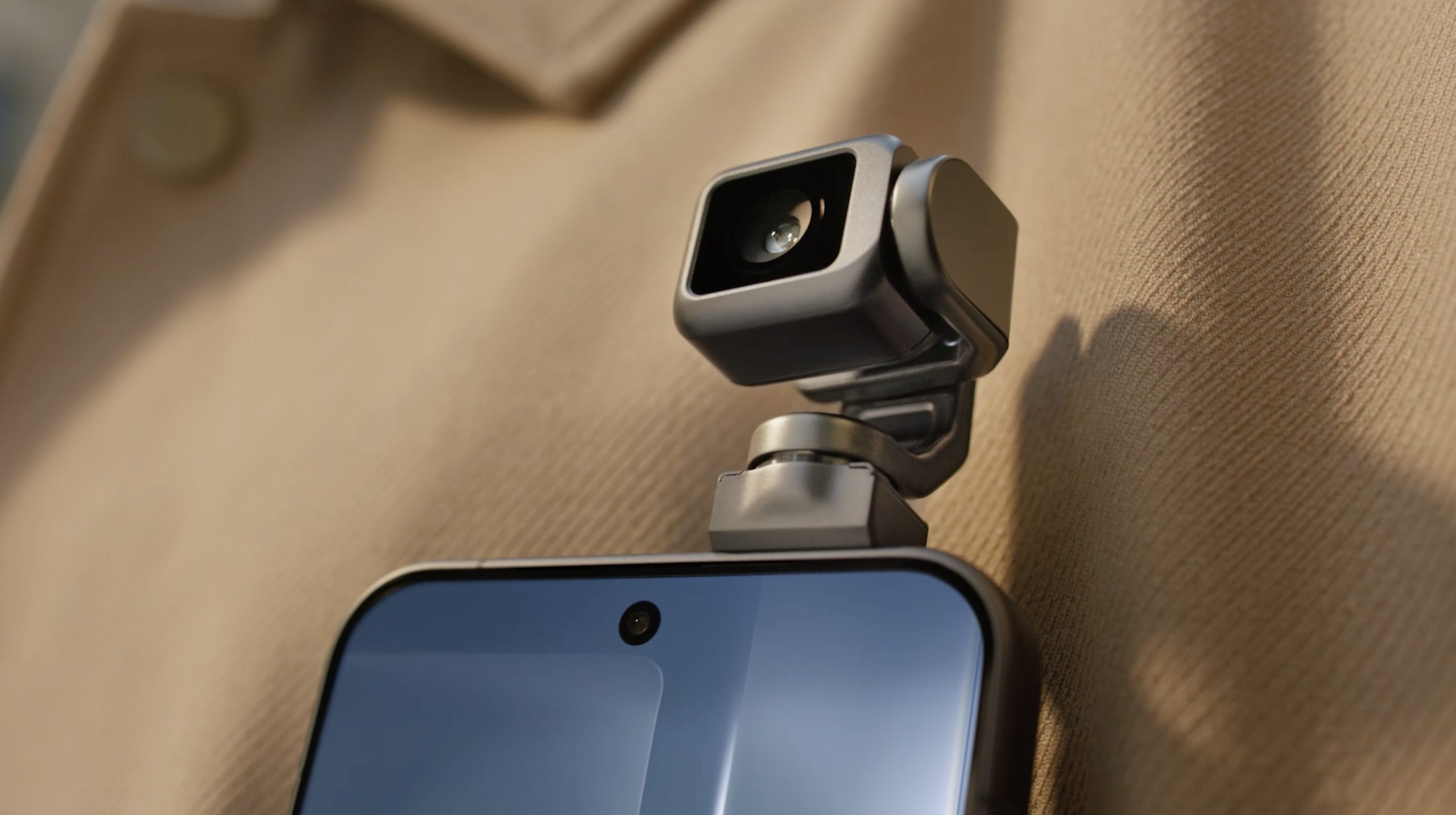
At the Mobile World Congress (MWC) in Barcelona, Honor, the global technology brand, unveiled extensive details about its much-anticipated "Robot phone," a device poised to significantly alter the landscape of mobile photography and user interaction. Initially teased earlier in the year, this innovative smartphone integrates a physically movable camera arm and an artificial intelligence-powered personality, signaling a bold step towards more dynamic and expressive mobile technology. Scheduled for a launch in the latter half of the current year, this device promises a blend of advanced imaging capabilities with an interactive, almost sentient, user experience.
The Dawn of the Intelligent Camera
At the heart of Honor’s new offering is a sophisticated 200-megapixel camera, mounted on an articulating robotic arm. This camera system features a three-axis gimbal, enhanced with advanced stabilization technology, designed to deliver exceptionally smooth videos and crisp, shake-free photographs. Beyond conventional stabilization, the phone incorporates a "Super Steady" mode, further ensuring professional-grade video capture even in dynamic environments. A standout feature, dubbed "Spinshot," allows the robotic camera to rotate by 90 or 180 degrees, enabling users to achieve cinematic shots that would typically require external professional equipment or complex camera maneuvers.
This advanced photographic capability extends to video communication, where the robotic camera truly shines. It leverages AI-powered object tracking, allowing the camera to smoothly follow a subject as they move within the frame during video calls. This functionality elevates the experience beyond static video feeds, akin to Apple’s Center Stage feature, but with the added dimension of physical camera movement. The robotic arm provides an unprecedented level of fluidity, ensuring subjects remain perfectly centered and in focus, making video conferencing, vlogging, and live streaming more engaging and professional without manual adjustments.
A Phone with Personality: The AI Companion
What truly distinguishes Honor’s new device is its integrated AI, which the company describes as having a distinct "personality." This goes beyond typical voice assistants, as the robot can physically respond to user interactions. For instance, it can execute "head shakes" or even "dance to the beat of music," adding a layer of animated expression. Honor demonstrated the device’s ability to respond to inquiries for apparel suggestions, with the robotic element nodding or shaking its "head" to indicate approval or disapproval of an outfit choice.
This fusion of conversational AI with physical, expressive robotics represents a fascinating evolution in human-device interaction. While virtual assistants like Siri, Google Assistant, and Alexa have become commonplace, their interactions are primarily auditory and visual (on-screen). Honor’s approach introduces a tactile and visually engaging dimension, blurring the lines between a mere tool and a companion. This physical manifestation of AI responses could foster a deeper, more intuitive connection between users and their smartphones, moving beyond purely functional interactions to more emotionally resonant ones. The ability of a device to physically react and express "personality" opens new avenues for user engagement, potentially making daily interactions more playful and personalized.
Engineering the Future: Technical Innovations
Developing such a complex, moving mechanism within the confines of a smartphone chassis presented significant engineering challenges. Honor meticulously engineered its own micro motor to precisely control the robotic camera’s movements. To ensure both sturdiness and compact integration, the company drew upon techniques previously employed in the design of foldable phones. This allowed them to incorporate a sophisticated four-degree-of-freedom gimbal system into a device that still retains a practical form factor.
The durability of the robotic arm was a paramount concern. Honor addressed this by utilizing materials identical to those found in the hinge of its Honor Magic V6 foldable phone, boasting an impressive 2800 MPa tensile strength. This choice of robust materials underscores the company’s commitment to creating a reliable and long-lasting mechanism, capable of enduring the rigors of daily use.
Historically, smartphone manufacturers have experimented with moving camera components to optimize screen real estate or enhance camera functionality. Early examples include pop-up selfie cameras seen in devices from OnePlus and Xiaomi, or rotating cameras like the Oppo N3 and Samsung Galaxy A80, which allowed a single high-quality sensor to serve as both front and rear camera. However, Honor’s "Robot phone" takes this concept to an entirely new level, integrating a multi-axis gimbal that provides far greater freedom of movement and stabilization, coupled with an AI that dictates its actions and expresses a personality. This represents a substantial leap in mechanical complexity and intelligent automation within a mobile device.
Market Implications and Competitive Landscape
Honor’s unveiling at MWC, a premier global event for the mobile industry, positions this "Robot phone" as a significant differentiator in an increasingly saturated and competitive market. As smartphone innovation often oscillates between incremental upgrades and radical redesigns, Honor is clearly opting for the latter, aiming to capture consumer attention by pushing the boundaries of what a smartphone can physically do.
The market for premium smartphones is fiercely competitive, dominated by giants like Apple, Samsung, and Huawei, along with rapidly growing contenders such as Xiaomi and Vivo. In this environment, unique features become crucial for standing out. Honor, which re-emerged as an independent entity after its divestiture from Huawei, has been actively seeking to establish its own distinct brand identity through innovation. This robotic camera phone serves as a powerful statement of its technological prowess and ambitious vision.
The potential target audience for such a device would likely include tech enthusiasts, professional and amateur content creators (vloggers, TikTokers, streamers), and early adopters who are eager to experience cutting-edge technology. The integration of advanced photography with an interactive AI persona could carve out a niche for Honor, appealing to users who prioritize both creative expression and novel forms of digital companionship. Competitors will undoubtedly be watching closely to gauge market reception and assess the viability of integrating similar complex mechanical and AI features into their future devices.
The Road Ahead: Challenges and Opportunities
While the concept of Honor’s "Robot phone" is undeniably captivating, its journey to mainstream adoption will involve navigating several practical challenges. Durability remains a primary concern for any device with moving parts. Despite Honor’s use of robust materials, mechanical systems are inherently more prone to wear and tear than static components. Long-term reliability, resistance to dust and water ingress, and the cost of potential repairs will be critical factors for consumers.
Another consideration is battery life. Powering a micro motor and a sophisticated gimbal system, in addition to a high-resolution camera and advanced AI processing, could place significant demands on the phone’s battery. Honor will need to ensure that the device offers competitive battery endurance without compromising its headline features. The form factor itself also presents a challenge; while the company has worked to integrate the system compactly, any added bulk or unconventional design might deter users accustomed to sleek, monolithic smartphones.
Furthermore, the "personality" aspect of the AI, while intriguing, will need to prove its utility beyond novelty. Will users genuinely appreciate a phone that physically expresses itself, or will it be perceived as a gimmick? The practical applications of such an expressive AI, beyond simple apparel suggestions, will be key to its sustained appeal.
Despite these challenges, the opportunities presented by this innovation are substantial. Honor’s "Robot phone" has the potential to redefine content creation, making advanced videography and photography more accessible. It could also pioneer new modes of human-computer interaction, moving us closer to devices that feel more like intelligent companions than mere tools. This device serves as a testament to the ongoing convergence of artificial intelligence, robotics, and mobile computing, hinting at a future where our personal devices are not just smart, but also physically expressive and dynamically responsive.
Broader Context: The Evolution of Mobile Devices
The journey of mobile phones has been one of continuous transformation, from basic communication tools to indispensable multimedia and computing powerhouses. Early innovations focused on miniaturization, battery life, and basic digital features. The advent of smartphones ushered in an era dominated by touchscreens, app ecosystems, and internet connectivity. Over the past decade, camera technology has become a central battleground for innovation, evolving from single, low-megapixel sensors to multi-lens arrays, advanced computational photography, and even integrated optical image stabilization systems, such as the gimbal-stabilized cameras seen in Vivo’s X series.
Honor’s "Robot phone" represents a bold leap, not just in camera technology, but in the physical interactivity of the device itself. It pushes the boundaries of what consumers expect from a smartphone, venturing into the realm of personal robotics integrated directly into a handheld device. This trend aligns with the broader technological push towards ambient intelligence and more natural, intuitive interactions with our digital world.
In conclusion, Honor’s upcoming "Robot phone" is more than just another smartphone; it is a conceptual leap that challenges conventional notions of mobile device design and functionality. By seamlessly integrating a robotic camera arm with an AI personality, Honor is not merely enhancing existing features but creating entirely new paradigms for user interaction and content creation. As the industry anticipates its release in the second half of the year, this device will undoubtedly spark conversations about the future trajectory of mobile technology, balancing groundbreaking innovation with the practical demands of the consumer market.