Amir Mahmud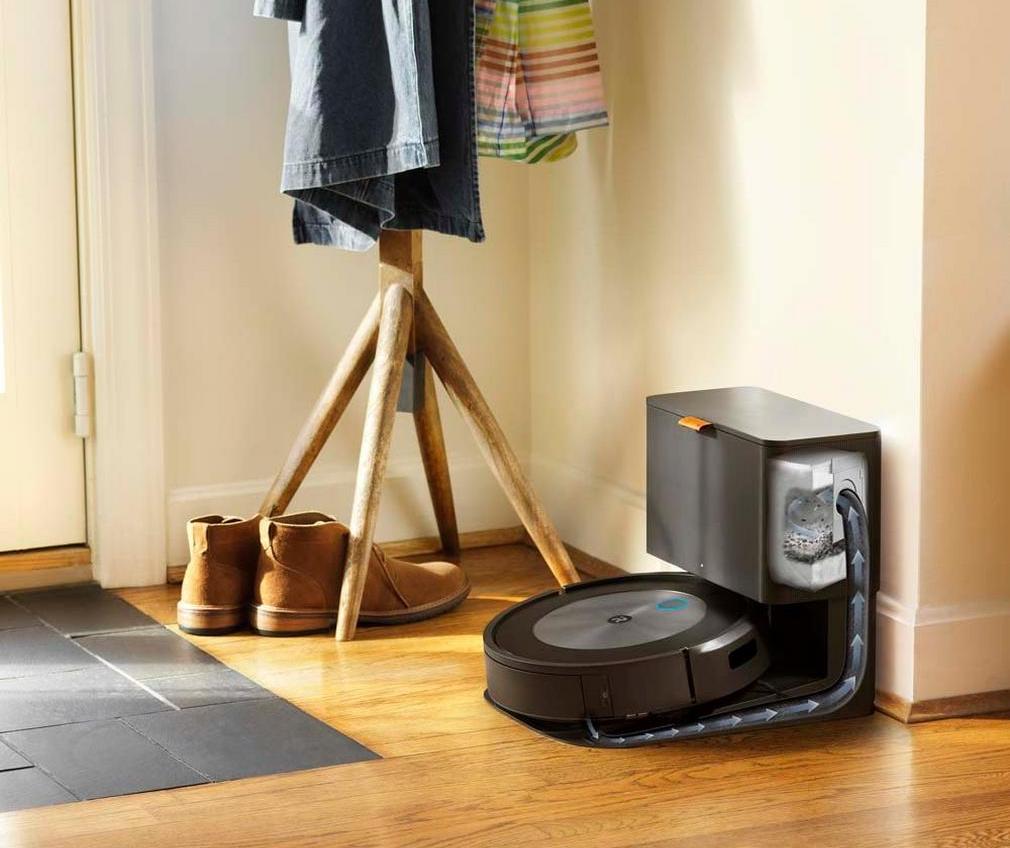
The technology hardware landscape recently witnessed a dramatic downturn as three distinct yet prominent companies – iRobot, Luminar Technologies, and Rad Power Bikes – each initiated bankruptcy proceedings within an astonishingly brief timeframe of just one week. These filings, stemming from sectors as varied as home robotics, autonomous vehicle components, and micromobility, underscore a confluence of formidable challenges impacting even established innovators: intense global competition, complex supply chain vulnerabilities, shifting regulatory environments, and the inherent difficulties of sustaining growth in hardware-intensive industries. While their product offerings range from robotic vacuum cleaners to cutting-edge lidar sensors and electric bicycles, their collective plight serves as a stark reminder of the volatile forces shaping modern tech.
iRobot: The Pioneer’s Plight in a Crowded Market
iRobot, the company synonymous with the Roomba robotic vacuum cleaner, was perhaps the most recognized name among the recent bankruptcy filers. Founded in 1990 by MIT roboticists, iRobot spent years in defense and industrial robotics before pivoting to consumer products with the launch of the Roomba in 2002. This innovative device quickly captured the public imagination, offering an unprecedented level of automation in household chores and effectively creating the category of robotic home cleaning. Its early success cemented iRobot’s reputation as a pioneer in practical home robotics, with the Roomba becoming a cultural touchstone and a dominant player in the nascent smart home ecosystem.
Navigating a Competitive Landscape
However, the very success that propelled iRobot to prominence also sowed the seeds of its later struggles. The initial technological advantage began to erode as the market matured. Competitors, many from Asia, quickly entered the fray, offering increasingly sophisticated and often more affordable alternatives. These rivals frequently leveraged existing manufacturing infrastructure and supply chains to produce devices with comparable or even superior features, such as advanced mapping capabilities and integrated smart home functionality, at lower price points. This fierce competition squeezed iRobot’s profit margins and forced continuous, costly research and development efforts to maintain its edge. The company found itself in a challenging position, needing to innovate rapidly while contending with a race to the bottom on pricing.
The Amazon Deal That Wasn’t
A pivotal moment in iRobot’s recent history was its proposed acquisition by Amazon for approximately $1.7 billion. For iRobot, this deal represented a potential lifeline, offering access to Amazon’s vast resources, global distribution network, and formidable cloud infrastructure, which could have accelerated its technological development and market reach. However, the acquisition faced significant regulatory hurdles. Both the U.S. Federal Trade Commission (FTC) and the European Union expressed concerns about potential antitrust implications. Regulators worried that Amazon, already a dominant force in smart home devices with its Alexa ecosystem, would gain an unfair advantage by integrating Roomba’s extensive home mapping data and consolidating its control over the robotic vacuum market.
Ultimately, regulatory opposition led to the abandonment of the deal, a decision that proved catastrophic for iRobot. The termination not only cost iRobot a substantial breakup fee but also stripped away a much-needed capital injection and strategic partnership, leaving the company vulnerable. While some analysts argue that the blocked merger was the direct cause of its downfall, others contend it merely exposed pre-existing vulnerabilities, including an inability to diversify beyond its flagship product and an over-reliance on a global supply chain increasingly susceptible to geopolitical tensions and tariffs.
Luminar Technologies: The Autonomous Dream’s Reality Check
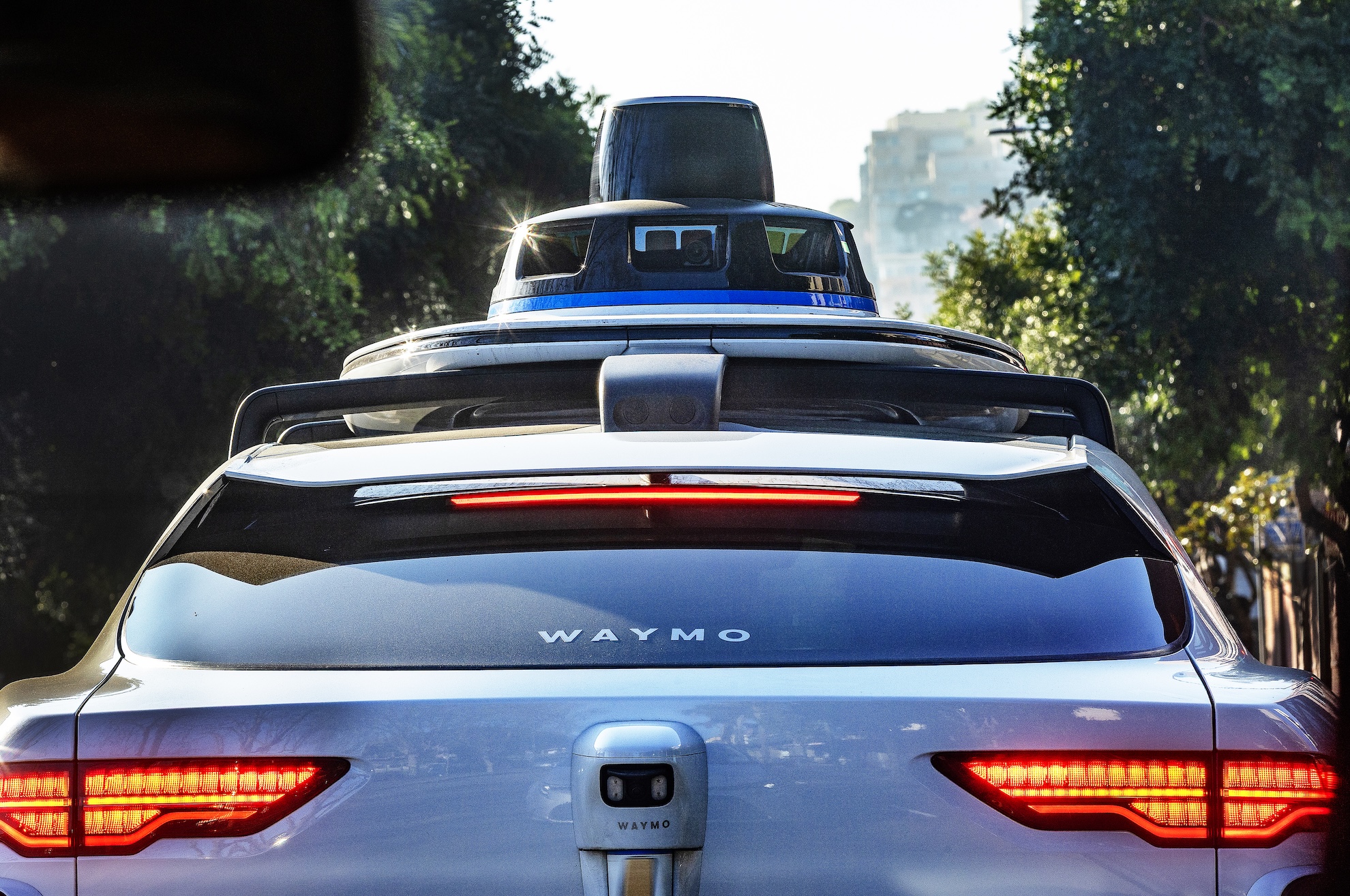
Luminar Technologies, a company dedicated to developing high-performance lidar technology for autonomous vehicles (AVs), represents a different facet of hardware innovation’s challenges. Founded in 2012 by Austin Russell, Luminar emerged from stealth mode in 2017 with a bold vision: to make lidar sensors, traditionally expensive and bulky devices used in defense and specialized industrial applications, affordable and compact enough for mass deployment in consumer vehicles. Lidar, which uses pulsed laser light to measure distances and create detailed 3D maps of the environment, is considered crucial for enabling true Level 4 and Level 5 autonomous driving, providing a critical layer of perception that complements cameras and radar.
The Autonomous Vehicle Hype Cycle
Luminar’s rise coincided with a significant wave of excitement and investment in autonomous driving technology. The mid-2010s saw a proliferation of startups and massive investments from established automotive manufacturers and tech giants, all racing to bring self-driving cars to market. Luminar secured high-profile partnerships with major automakers like Volvo and Mercedes-Benz, validating its technology and positioning it as a key enabler for the future of mobility. These collaborations were crucial for the company, as they provided the validation and volume necessary for further development and scaling.
The Slow Road to Autonomy
Despite the initial enthusiasm and technological promise, the widespread deployment of fully autonomous vehicles has proven to be far more complex and protracted than initially anticipated. Technical challenges, regulatory hurdles, ethical dilemmas, and the sheer cost of developing and deploying robust AV systems have significantly slowed market adoption. This extended timeline had a profound impact on companies like Luminar, which were heavily reliant on the mass production of AVs to achieve profitability. The promised revenue streams from widespread lidar integration did not materialize at the projected pace, leading to prolonged periods of high research and development expenses without corresponding commercial returns.
Luminar’s concentrated focus on the nascent AV market, while strategically sound in theory, ultimately became a significant vulnerability. As the industry grappled with the realities of commercializing self-driving technology, the demand for high-volume lidar units remained relatively low. This, coupled with intense competition from other lidar developers and the continuous improvement of alternative sensing modalities like cameras and radar, put immense pressure on Luminar. The bankruptcy filing highlights the brutal reality that even groundbreaking technology with significant potential can falter if its market adoption curve is too steep or too slow.
Rad Power Bikes: Micromobility’s Unstable Ride
Rad Power Bikes, a leading name in the electric bicycle (e-bike) market, faced a unique set of challenges rooted in its rapid growth and the specific demands of the micromobility sector. Founded in 2007, the company steadily built a reputation for producing high-quality, accessible e-bikes long before the pandemic-induced boom in outdoor activities and alternative transportation. Its direct-to-consumer model, coupled with a focus on practical design and affordability, resonated with a growing segment of consumers seeking sustainable and enjoyable ways to commute or recreate.
Riding and Falling with the Pandemic Wave
The COVID-19 pandemic provided an unprecedented surge in demand for e-bikes and other micromobility solutions. As people sought to avoid public transportation, engage in outdoor activities, and rethink their commuting habits, sales of Rad Power Bikes soared. The company experienced exponential growth, with revenues reaching well over $100 million in 2023. This boom, however, proved unsustainable. As pandemic restrictions eased and consumer spending patterns normalized, the demand for e-bikes began to cool. Rad Power Bikes saw its revenue decline sharply, falling to approximately $100 million in the subsequent year and further plummeting to about $63 million in the year of its bankruptcy filing.
Operational Hurdles and Safety Concerns
Beyond the fluctuating market demand, Rad Power Bikes encountered significant operational and safety challenges. The company, like many in the e-bike sector, relied heavily on global supply chains, particularly from Asia, which made it vulnerable to tariff pressures. The previous administration’s tariffs on Chinese imports significantly increased manufacturing costs, eroding profit margins and making it harder for Rad Power Bikes to compete on price, especially against a burgeoning market of "alphabet soup" brands on e-commerce platforms offering cheaper, albeit sometimes lower-quality, alternatives.
A critical blow came in the form of battery safety issues. Reports of battery fires led to a major fire risk warning and the necessity of product recalls. Recalls are notoriously costly for hardware companies, involving logistics, customer service, and the financial burden of replacing or repairing faulty units. For Rad Power Bikes, the cost of a widespread recall proved to be a "dagger" to its financial stability. The company reportedly faced a dilemma: initiate the recalls and risk bankruptcy, or delay and face further safety and reputational damage. Ultimately, the cumulative pressures, including the recall expenses, contributed to its insolvency.
Overarching Threads: The "Hard" in Hardware Tech
The simultaneous bankruptcies of iRobot, Luminar, and Rad Power Bikes, despite their distinct business models and market segments, illuminate several common structural issues plaguing the hardware technology industry.
The "Hardware is Hard" Mantra: This adage encapsulates the inherent difficulties of the sector. Unlike software, hardware development involves substantial upfront capital expenditure for research, design, prototyping, and manufacturing tooling. Supply chains are complex and global, exposing companies to geopolitical risks, tariffs, and logistics disruptions. Inventory management is critical, as physical products tie up capital and can quickly become obsolete. Moreover, margins are often tighter than in software, making profitability a constant battle, especially in competitive consumer markets.
Supply Chain Vulnerability and Geopolitical Headwinds: All three companies demonstrated a significant reliance on global supply chains, particularly those centered in China. This reliance, while offering cost efficiencies, left them exposed to the volatility of international trade relations. Tariffs imposed by the U.S. government on Chinese imports, for instance, directly increased the cost of goods for companies like Rad Power Bikes and iRobot, eroding their competitiveness. For iRobot, its struggle to build a localized supply chain over the years made it susceptible to these pressures, while simultaneously enabling "copycat" competitors to emerge and thrive. The push for "de-risking" or "friend-shoring" supply chains is a current trend aimed at mitigating these risks, but it comes with its own set of costs and complexities.
The Double-Edged Sword of Specialization and Market Hype: iRobot became synonymous with Roomba, Luminar was deeply embedded in the AV lidar space, and Rad Power Bikes capitalized on the e-bike trend. While deep specialization can lead to market leadership, it also creates vulnerability if that specific market segment shifts, matures, or fails to develop as anticipated. For Luminar, the autonomous vehicle market’s slower-than-expected maturation meant sustained R&D costs without the anticipated revenue scale. For Rad Power Bikes, the pandemic-driven boom proved ephemeral, leading to an unsustainable expansion. iRobot, despite its pioneering status, struggled to diversify effectively or innovate fast enough to fend off agile competitors.
The Regulatory Landscape and Antitrust Scrutiny: The iRobot case starkly illustrates the impact of regulatory intervention. While antitrust bodies aim to protect competition and consumer interests, their decisions can have profound and sometimes fatal consequences for companies seeking strategic acquisitions as a path to survival or growth. The debate over whether such blocks genuinely foster competition or merely accelerate the demise of struggling firms remains a contentious one, particularly when a company’s financial health is already precarious.
Looking Ahead: Lessons from the Downturn
The bankruptcies of iRobot, Luminar, and Rad Power Bikes serve as a cautionary tale for the broader technology hardware sector. They highlight the necessity for robust financial planning, agile supply chain management, continuous innovation beyond initial product success, and a realistic assessment of market adoption curves. For startups and established companies alike, navigating the intricate web of technological advancement, market dynamics, regulatory oversight, and global geopolitical shifts remains an increasingly complex challenge. The industry is likely to see further consolidation, a renewed focus on resilient supply chains, and a more cautious approach to market expansion, as innovators strive to build sustainable businesses in a rapidly evolving and often unforgiving landscape.