Amir Mahmud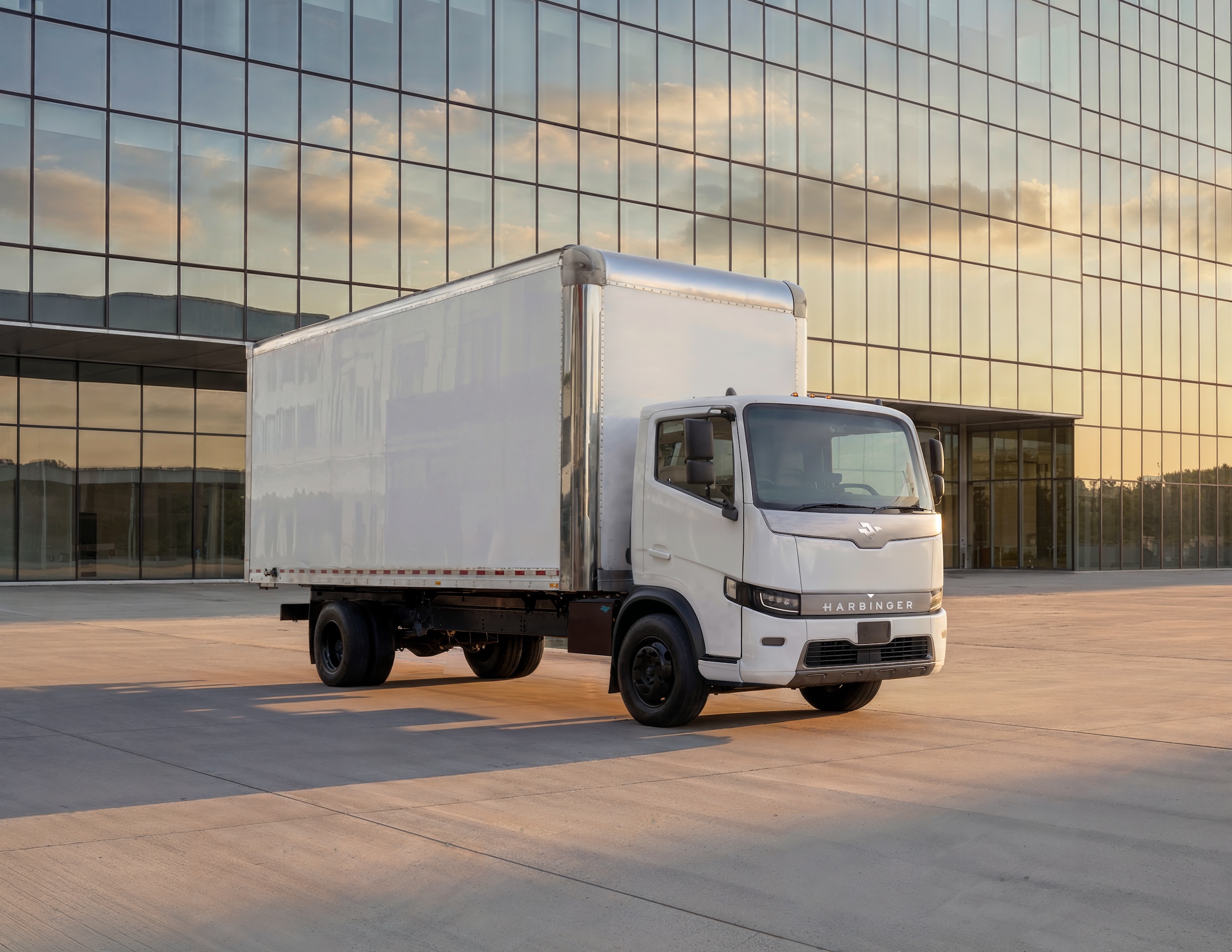
Los Angeles-based electric vehicle (EV) innovator Harbinger has officially introduced its second major product offering, a smaller, medium-duty work truck designed to cater to a diverse range of commercial fleet applications. This new model, dubbed the HC Series Cab, represents a strategic expansion of the company’s portfolio, which initially focused on larger truck chassis, and underscores a broader industry pivot towards more versatile and sustainable logistics solutions.
The unveiling of the HC Series Cab comes at a pivotal moment for the commercial vehicle sector. While the passenger EV market has experienced recent volatility and shifts in consumer demand, the commercial segment continues to present a compelling case for electrification. Businesses are increasingly driven by a combination of regulatory pressures, corporate sustainability mandates, and the promise of reduced total cost of ownership (TCO) through lower fuel expenses and simplified maintenance. Harbinger’s latest entry is poised to tap into this growing demand, offering both a fully electric variant and a range-extended hybrid option, providing flexibility for fleets navigating the transition away from conventional internal combustion engines.
Addressing Fleet Needs with Innovative Design
The design philosophy behind the HC Series Cab emphasizes practicality and operational efficiency, core tenets for any commercial vehicle. Harbinger highlights several key features intended to enhance the daily operations of fleet managers and drivers alike. These include an optimized chassis architecture that facilitates easy entry and exit, crucial for delivery drivers making frequent stops. Furthermore, a tight turning radius has been engineered into the vehicle, a significant advantage for maneuvering in congested urban environments or navigating tight loading docks and construction sites. The modularity of the chassis also stands out, allowing for extensive upfitting capabilities, meaning the base vehicle can be readily adapted with various bodies such as cargo boxes, flatbeds, or specialized utility configurations, depending on the specific operational requirements of the customer. While pricing details for the HC Series Cab were not disclosed during the announcement, the value proposition is expected to center on long-term operational savings and enhanced utility.
John Harris, co-founder and CEO of Harbinger, articulated the company’s vision, stating that traditional fleets have long been forced to make compromises across critical performance metrics such as payload capacity, maneuverability, operational range, and onboard capability. He emphasized that the HC Series platform has been meticulously engineered to surpass the performance benchmarks of existing diesel alternatives, while simultaneously introducing new advantages derived from advanced electrification and their proprietary range-extended hybrid system. This dual approach aims to empower fleets to execute demanding fieldwork more effectively and sustainably.
Harbinger’s Rapid Ascent and Strategic Momentum
Harbinger’s journey from its inception in 2022 has been marked by remarkable speed and strategic foresight in a highly competitive landscape. The company quickly garnered significant investor confidence, evidenced by substantial funding rounds. In January 2025, Harbinger successfully closed a $100 million Series B funding round, followed by an even larger $160 million Series C round in November of the same year. This rapid influx of capital has fueled its aggressive product development and market expansion strategies.
The company has already secured high-profile customers for its initial larger truck chassis products, which also offer both all-electric and range-extended hybrid powertrains. Logistics giant FedEx, a company with extensive fleet operations and ambitious sustainability targets, has chosen Harbinger for its electrification initiatives. Similarly, THOR Industries, a prominent manufacturer in the recreational vehicle sector, has also partnered with Harbinger, underscoring the versatility and appeal of the company’s foundational vehicle platforms across different commercial segments. These early customer acquisitions are critical for an emerging EV manufacturer, providing not only revenue but also invaluable real-world operational data and market validation.
Diversification and Vertical Integration: A Shield Against Volatility
Beyond its core truck chassis offerings, Harbinger has embarked on a deliberate strategy of diversifying its revenue streams and capabilities. This approach is particularly noteworthy in an industry segment where many EV startups have faced significant financial hurdles and even outright failures in recent years. In January, the company ventured into the energy storage market, a natural extension of its expertise in battery technology, securing Airstream as its inaugural customer for off-grid power systems. This move into stationary energy solutions broadens Harbinger’s market reach and leverages its internal battery development capabilities.
Further solidifying its strategic depth, Harbinger announced its first acquisition in February, taking over Phantom AI, a company specializing in autonomous vehicle software. This acquisition signals Harbinger’s ambition to integrate advanced driver-assistance systems (ADAS) and potentially full autonomous driving capabilities into its future commercial vehicles. The move is aligned with the long-term trend towards smarter, more automated logistics, which promises to further enhance safety and operational efficiency for commercial fleets.
John Harris has consistently articulated a philosophy centered on disciplined execution and strategic agility. He has publicly stated Harbinger’s commitment to maintaining a focused approach, ensuring high confidence in stated objectives before making public declarations. This cautious yet ambitious stance contrasts with the "move fast and break things" ethos sometimes associated with tech startups and may contribute to Harbinger’s perceived stability.
The CEO also emphasized the critical role of revenue diversification in building a resilient and stable enterprise. In his view, a broader base of income streams makes the company more robust and tolerant of the inherent "wild swings" that characterize the U.S. market, particularly in emerging technology sectors. This strategic imperative to mitigate risk through diversification is a key element of Harbinger’s long-term business plan.
The Broader Commercial EV Landscape and Economic Rationale
The U.S. electric passenger vehicle market has indeed encountered various headwinds, including fluctuating consumer interest, charging infrastructure limitations, and supply chain disruptions. However, the economic calculus for commercial trucking often differs significantly. Harris has repeatedly asserted that the adoption of EVs and hybrids in commercial applications is fundamentally sound due to their compelling total cost of ownership (TCO) advantages. Commercial vehicles typically accumulate far more mileage than passenger cars, amplifying the savings from lower electricity costs compared to diesel fuel. Moreover, electric powertrains generally require less frequent and less complex maintenance, leading to reduced downtime and lower labor costs over the vehicle’s operational lifespan. These factors collectively contribute to a strong business case for electrification in the commercial sector, even amidst broader market uncertainties.
While Harbinger has not publicly disclosed its specific revenue figures for 2025 – its first year selling the larger truck chassis – Harris did indicate that the company’s sales volume represented a "multiple" of the entire electric truck market in 2024. This suggests a significant market penetration and robust early demand for Harbinger’s offerings, positioning it as a notable player in the burgeoning commercial EV space.
A cornerstone of Harbinger’s long-term strategy is its commitment to vertical integration. Harris elaborated on this approach, describing how the company has cultivated "in-house suppliers" for critical components. This includes dedicated units for battery production, motor manufacturing, suspension systems, and axle development. By bringing these core competencies under the Harbinger umbrella, the company aims to exert greater control over its supply chain, enhance product quality, accelerate innovation, and potentially reduce manufacturing costs. Furthermore, this vertical integration strategy creates additional avenues for revenue generation, as these in-house divisions can also serve as independent suppliers, selling their components to other manufacturers. This model not only strengthens Harbinger’s core business but also diversifies its overall economic resilience.
Outlook and Challenges Ahead
Harbinger’s rapid evolution and strategic moves position it as a significant contender in the commercial vehicle electrification movement. The introduction of the smaller HC Series Cab addresses a critical segment of the market, offering practical solutions for urban logistics, last-mile delivery, and various service industries. The blend of all-electric and hybrid options provides flexibility for fleets with differing range anxieties and infrastructure capabilities, smoothing the transition to greener operations.
However, the path forward is not without challenges. The commercial EV market, while promising, still requires substantial investment in charging infrastructure, particularly for medium and heavy-duty applications. Competition is also intensifying, with established automotive giants and other well-funded startups vying for market share. Sustaining the rapid growth, managing complex manufacturing processes, and navigating evolving regulatory landscapes will be critical for Harbinger. Yet, with a clear focus on commercial applications, a diversified business model, and a vertically integrated approach, Harbinger appears to be building a robust foundation to capitalize on the transformative shift towards electrified work vehicles. The company’s trajectory will be closely watched as the global push for sustainable transportation solutions continues to accelerate.