Amir Mahmud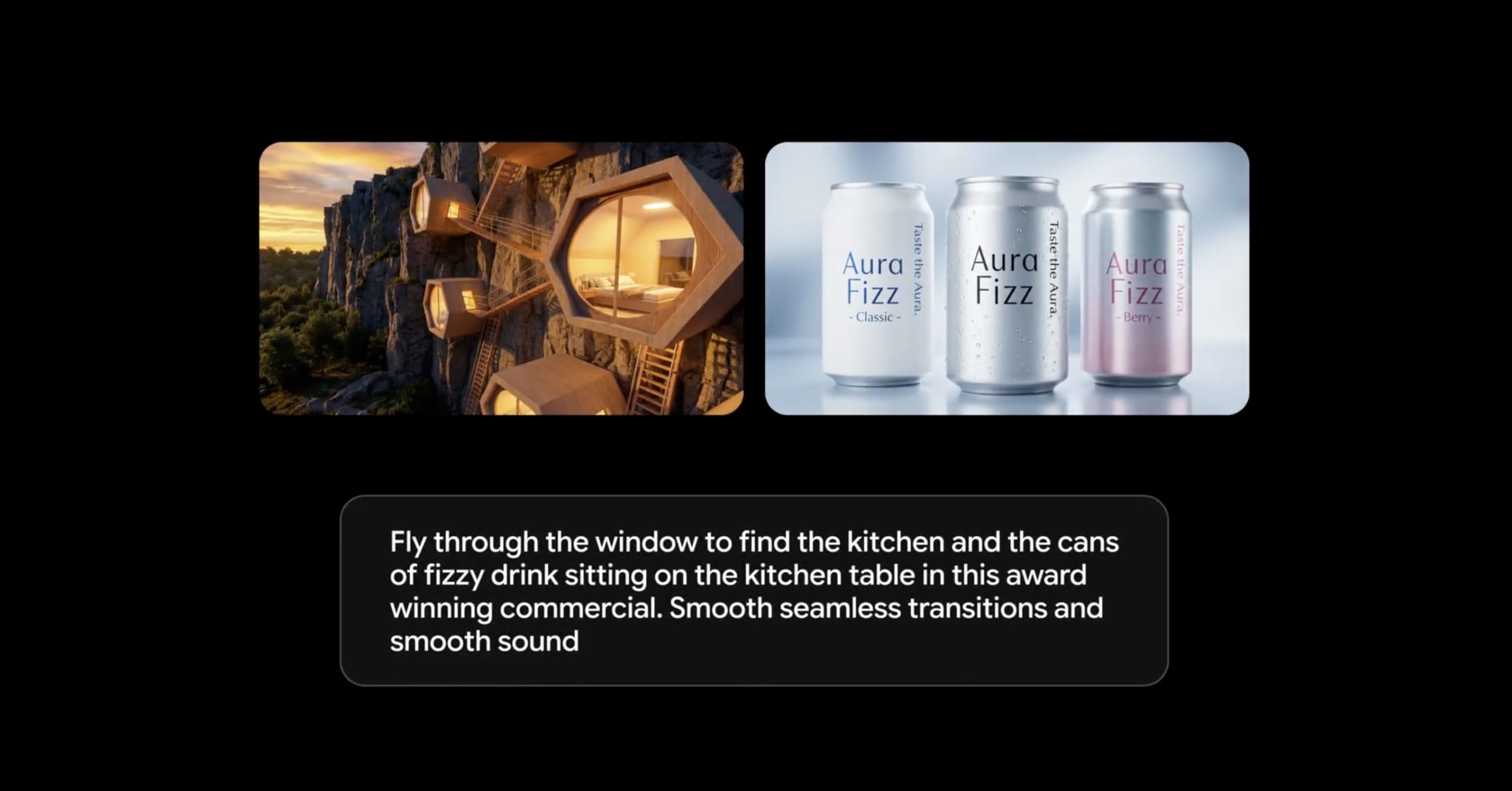
Google’s Veo 3.1 has received a significant update, introducing enhanced capabilities for generating native vertical videos specifically tailored for the burgeoning social media landscape. This latest iteration of Google’s advanced artificial intelligence video creation model empowers users to produce high-quality, vertically-oriented content directly from reference images, marking a pivotal step in the evolution of AI-driven creative tools and content production workflows. The improvements are designed to streamline the creation process for platforms like YouTube Shorts, Instagram Reels, and TikTok, where vertical video dominates user engagement.
The Dawn of AI-Powered Video Creation
The introduction of advanced generative AI models has fundamentally reshaped various creative industries, moving beyond static images to dynamic video content. Google’s Veo, a central component of its broader AI strategy, represents a sophisticated text-to-video and image-to-video generation system. At its core, Veo leverages vast datasets and intricate algorithms to understand prompts and reference visuals, subsequently synthesizing new video sequences that adhere to specified parameters. This technology promises to democratize video production, enabling individuals and small businesses to create compelling visual narratives without extensive technical skills or costly equipment.
The journey towards robust AI video generation has been complex, significantly more challenging than image generation due to the added dimension of time and the need for temporal consistency. Early AI models struggled with maintaining coherent characters, objects, and backgrounds across successive frames, often resulting in jerky, unrealistic, or artifact-laden outputs. However, rapid advancements in neural networks and deep learning architectures have allowed models like Veo to achieve remarkable progress, producing videos that exhibit increasingly lifelike motion, detailed textures, and cohesive storytelling.
A Brief History of Generative Video AI and the Rise of Vertical Content
The landscape of generative AI has seen exponential growth in recent years. Initially, AI breakthroughs were predominantly in static image generation, with models like DALL-E, Midjourney, and Stable Diffusion captivating the public imagination by creating stunning visuals from text prompts. The natural progression was towards video, a medium that demands a deeper understanding of physics, narrative, and temporal dynamics. Companies like RunwayML, Stability AI, and more recently, OpenAI with its groundbreaking Sora model, have pushed the boundaries of what’s possible, demonstrating AI’s capacity to generate intricate, cinematic video sequences.
Google’s entry into this competitive arena with Veo underscores the strategic importance of generative video AI. First unveiled in October 2025, Veo 3.1 initially brought significant improvements in audio output quality and introduced more granular editing controls, allowing users greater precision over their generated content. This initial release positioned Veo as a serious contender, capable of producing visually appealing and sonically rich video assets. Google’s overarching AI ecosystem, encompassing research initiatives like DeepMind and consumer-facing products like Gemini, provides a fertile ground for the continuous innovation and integration of tools like Veo.
Concurrently, the digital media landscape has undergone a profound shift towards vertical video. Driven by the ubiquity of smartphones and the meteoric rise of platforms such as TikTok, Instagram Reels, and YouTube Shorts, content consumption habits have fundamentally changed. These platforms are optimized for mobile viewing, where holding a phone vertically is the natural orientation. As a result, creators and marketers have increasingly adopted the 9:16 aspect ratio, making vertical content not just a trend but a dominant format. This shift necessitated specialized tools, and for AI video generators, the ability to produce native vertical content without awkward cropping or reformatting became a critical feature.
Unpacking Veo 3.1’s Transformative Features
The latest update to Veo 3.1 directly addresses this market demand by enabling native vertical video generation. Users can now explicitly choose the 9:16 aspect ratio when creating AI-generated videos, ensuring that the output is perfectly framed for popular social media feeds. This eliminates the cumbersome step of manually adjusting or cropping horizontally generated content, which often compromises the artistic intent and visual quality. The integration of this feature directly into YouTube Shorts and the YouTube Create app further simplifies the workflow for a vast community of creators, bringing advanced AI capabilities closer to everyday content production.
Beyond format, the update significantly enhances the expressive capabilities of Veo 3.1 when utilizing reference images. By providing a starting visual, users can now generate videos where characters exhibit more nuanced expressions and dynamic movements, even with shorter, less detailed text prompts. This represents a leap in the model’s understanding of human and object motion, allowing for more realistic and engaging animated sequences. Furthermore, the update brings substantial improvements in maintaining consistency across various elements within a video. Characters, objects, and backgrounds now remain more coherent and stable throughout the generated footage, reducing the flickering or morphing artifacts that plagued earlier AI video models.
A particularly powerful new capability is the ability to seamlessly blend diverse characters, backgrounds, objects, and textures. This feature empowers creators to craft complex and imaginative scenes by combining multiple visual elements into a cohesive output. Imagine generating a video where a specific character, drawn from a reference image, interacts within a fantastical background, overlaid with unique textures, all while maintaining visual harmony. This level of creative control opens up new avenues for artistic expression and storytelling.
For professional users and those requiring higher fidelity, Veo 3.1 also introduces an improved upscaling feature. Generated videos can now be enhanced to crisp 1080p and even stunning 4K resolutions. This is particularly valuable for applications where visual quality is paramount, such as high-end marketing campaigns, digital art installations, or professional film pre-visualization. These enhanced resolution capabilities are accessible through Google’s professional video editor Flow, the Gemini API, and Vertex AI within Google Cloud, signaling Google’s commitment to supporting both consumer and enterprise-level AI video production.
Democratizing Content Creation: Impact on Creators and Businesses
The implications of Veo 3.1’s advancements extend across various sectors, most notably impacting content creators and businesses. For individual creators, especially those operating on tight schedules for platforms like TikTok and Instagram, the ability to rapidly generate high-quality vertical videos from simple prompts or reference images is a game-changer. It lowers the barrier to entry for video production, allowing individuals without extensive animation or video editing skills to produce professional-looking content. This newfound efficiency can help creators maintain a consistent posting schedule, experiment with new visual styles, and ultimately grow their audience more effectively.
Small and medium-sized businesses (SMBs) stand to benefit immensely. Crafting engaging video advertisements or promotional content traditionally required significant financial investment in production teams, actors, and equipment. With Veo 3.1, SMBs can now generate compelling video ads quickly and affordably, tailoring messages to specific campaigns or target demographics with unprecedented ease. This capability can level the playing field, allowing smaller enterprises to compete with larger corporations in the digital marketing space.
Broader Market and Cultural Implications
On a broader scale, Veo 3.1’s capabilities contribute to a burgeoning "AI aesthetic" in digital content. As AI-generated videos become more prevalent, they may influence visual trends, introduce new forms of animation, and even challenge traditional notions of authorship and creativity. The sheer volume and speed at which AI can produce content could lead to an oversaturation of certain visual styles, necessitating human creators to innovate further to stand out.
Culturally, the widespread adoption of such tools sparks important conversations around authenticity and media literacy. Distinguishing between human-created and AI-generated content may become increasingly difficult, raising concerns about "deepfakes" and the potential for misinformation. Google, like other leading AI developers, faces the ongoing challenge of embedding ethical safeguards and transparency mechanisms into its tools to mitigate these risks. This includes exploring methods for watermarking AI-generated content or providing clear indicators of its synthetic origin.
The update also highlights the accelerating pace of technological innovation. What was once considered science fiction—generating complex, dynamic video from a few words or an image—is rapidly becoming a mainstream reality. This trajectory suggests a future where AI acts not just as a tool but as a collaborative partner in the creative process, pushing the boundaries of what human imagination alone can achieve.
Google’s Strategic Position in the AI Race
Google’s continued investment in Veo, and its strategic integration across its product ecosystem, underscores its determination to remain a frontrunner in the intensely competitive generative AI market. By focusing on practical applications and direct integration into platforms like YouTube, Google is aiming to make its AI tools indispensable for a broad user base, from casual creators to professional studios. The availability of Veo features through the Gemini app, Google Flow, Gemini API, Vertex AI, and Google Vids demonstrates a comprehensive approach to catering to diverse user needs and technical proficiencies.
The race among tech giants to develop the most capable and accessible generative AI models is fierce. With competitors constantly unveiling new breakthroughs, Google’s move to enhance Veo 3.1 with native vertical video and improved expressiveness is a calculated step to maintain its competitive edge. It showcases an understanding of current market demands and a commitment to refining AI models to meet real-world creative challenges.
Accessibility and the Road Ahead
The accessibility of these advanced features, through familiar platforms like YouTube Shorts and the Gemini app, is crucial for widespread adoption. By embedding sophisticated AI directly into the tools creators already use, Google lowers the learning curve and makes powerful generation capabilities available to millions. Professional users, through APIs and cloud services, gain the flexibility to integrate Veo into custom workflows, further extending its utility in various industries.
Looking ahead, the evolution of AI video generation promises even greater sophistication. We can anticipate models capable of generating longer, more intricate video sequences with even finer control over narrative, character development, and emotional nuance. Real-time generation, seamless integration with virtual and augmented reality environments, and the ability to personalize content on an unprecedented scale are all on the horizon. Veo 3.1’s latest update is not just an incremental improvement; it is a significant marker in the ongoing journey toward a future where AI fundamentally transforms how we create, consume, and interact with video content.