Amir Mahmud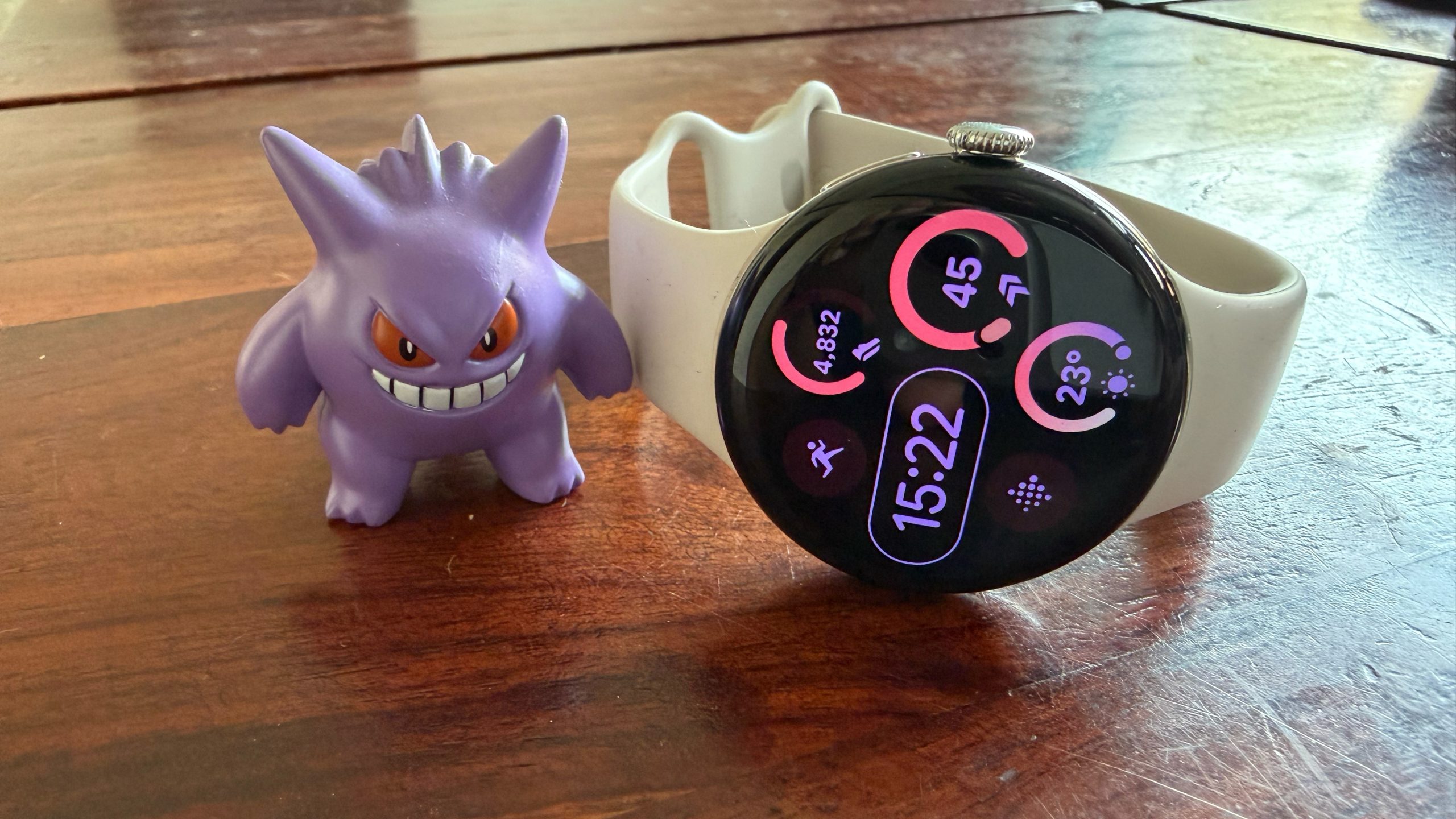
The introduction of the Google Pixel Watch 4 marks a significant moment in the evolving landscape of wearable technology, particularly for Android users. For many consumers, the appeal of smartwatches has often been tempered by concerns over battery longevity, the constant influx of notifications, and the perceived necessity of daily charging routines. This latest iteration from Google, however, appears to be recalibrating these expectations, demonstrating a refined balance of design, functionality, and crucial improvements in user convenience that could draw back those who had previously opted for simpler fitness trackers or traditional analog timepieces.
A Legacy of Wearables: From Novelty to Necessity
The journey of smartwatches has been a fascinating, albeit at times tumultuous, one. Early pioneers like Pebble ignited interest with their focus on simple notifications and long battery life, while more ambitious projects, such as the original Motorola Moto 360, captivated users with their aesthetic appeal and more advanced operating systems. The Moto 360, with its distinctive circular display, became an icon, demonstrating a strong preference among many for a watch that resembled its analog predecessors rather than a miniaturized smartphone on the wrist. Google’s initial foray into the market with Android Wear (later rebranded as Wear OS) faced stiff competition and significant challenges, particularly in battery optimization and ecosystem integration, which often left users wanting more from their wrist-worn companions.
The market shifted dramatically with the advent of the Apple Watch, which quickly established dominance through seamless integration with iOS, comprehensive health tracking, and a robust app ecosystem. This created a chasm between the Apple and Android wearable experiences, leaving many Android users searching for a comparable, high-quality alternative. Google’s strategic acquisition of Fitbit in 2021 signaled a serious intent to elevate its wearable game, leveraging Fitbit’s extensive expertise in health and fitness tracking. This move was pivotal, laying the groundwork for the Pixel Watch series, which aims to merge Google’s software prowess with Fitbit’s health capabilities within a premium hardware package. Each subsequent Pixel Watch generation has been an iterative step, refining the user experience, enhancing performance, and addressing critical feedback from the Android community. The Pixel Watch 4, therefore, arrives not just as a new product, but as a culmination of years of development, strategic acquisitions, and a focused effort to deliver a compelling Android-native smartwatch experience.
Design Philosophy: Blending Aesthetics with Utility
The aesthetic appeal of a smartwatch is often as critical as its technological capabilities, and the Pixel Watch 4 clearly emphasizes this. Its circular form factor, reminiscent of classic timepieces and early Android Wear models like the beloved Moto 360, continues to resonate with a segment of consumers who find square or rectangular displays less appealing. This design choice speaks to a broader cultural preference for traditional watch shapes, allowing the device to integrate more naturally into daily fashion and personal style.
Central to its visual appeal is the curved domed Actua 360 display, a feature that distinguishes it from many competitors. This design not only contributes to a sleek, pebble-like appearance but also enhances the perceived thinness of the bezels, pushing the screen closer to the edge of the device. The display itself is a technical marvel, boasting a peak brightness of 3,000 nits. This exceptional luminosity significantly improves readability in direct sunlight, a common challenge for smartwatch users who often check their devices outdoors. The availability in multiple sizes, such as the 41mm and a larger 45mm option, reflects an understanding of diverse user preferences, allowing individuals to choose a watch that best fits their wrist size and battery life requirements. The larger variant often provides extended battery life and a more expansive canvas for interaction, which can be a deciding factor for power users or those with larger wrists. This meticulous attention to design detail underscores Google’s commitment to creating a wearable that is not just functional but also a desirable accessory.
Powering Through the Day: Battery and Charging Innovations
One of the most persistent hurdles for widespread smartwatch adoption has been battery life. The convenience of a wrist-worn device quickly diminishes if it requires daily, or even more frequent, charging. The Pixel Watch 4 addresses this critical concern head-on, delivering impressive battery performance that challenges previous limitations. Even with the smaller 41mm model, users can consistently achieve more than a day’s use under typical activity levels, a significant improvement that removes a major point of friction for many. This extended endurance allows for continuous wear throughout the day and into the night for sleep tracking, without the anxiety of the device dying prematurely.
Complementing this improved battery life is a sophisticated fast-charging system. While the watch utilizes a proprietary magnetic charging puck, its speed largely mitigates any inconvenience. Google advertises charging from 0% to 50% in approximately 15 minutes and a full charge from 0% to 100% in around 45 minutes. Real-world testing indicates that these figures are remarkably close to actual performance. This rapid charging capability is a game-changer, integrating seamlessly into busy lifestyles. Users can quickly top up their watch during routine activities like showering, making coffee, or performing a quick chore, ensuring enough power to last through the remainder of the day or night. This "charge-as-you-go" philosophy reduces the mental burden of managing battery levels, making the device feel more integrated and less demanding. The combination of extended battery life and lightning-fast charging represents a thoughtful engineering solution to a long-standing user complaint, significantly enhancing the overall value proposition of the Pixel Watch 4.
Fitness and Wellness: A Holistic Approach with Room for Growth
Leveraging the strengths of its Fitbit integration, the Pixel Watch 4 offers a comprehensive suite of fitness and wellness tracking features. For general activities like walking and casual sports such as pickleball, the watch accurately records calorie expenditure and activity duration. However, the depth of insights for specialized sports or gym workouts presents an area for potential enhancement. While it offers modes for treadmill, elliptical, core training, weights, and general workouts, it lacks highly specialized tracking for specific gym equipment or advanced metrics for diverse athletic endeavors. This could be a point of consideration for serious athletes who might seek more granular data or tailored coaching.
Environmental factors, such as the severe air quality index in regions like Delhi, can also impact the practical usability of outdoor fitness features like running tracking. The watch’s ability to automatically detect cardio workouts after 15 minutes of continuous activity is a convenient feature, though its consistency can vary, occasionally missing shorter bursts of elevated heart rate. Similarly, the accuracy of the floor count, a common metric for daily activity, sometimes presents inconsistencies, reporting unusually high numbers for flat walks or undercounting actual climbs.
Perhaps one of the most impactful features for holistic health monitoring is sleep tracking. For users accustomed to removing their watches at night, the Pixel Watch 4’s comfortable design and improved battery life encourage consistent overnight wear. This enables the device to collect vital data on sleep patterns and readiness scores. While the watch provides a daily summary, more detailed or immediately actionable insights related to sleep quality or readiness are predominantly found within the companion Fitbit application rather than directly on the watch face. In an era where competing fitness apps are increasingly incorporating advanced artificial intelligence to offer personalized coaching and predictive health insights, Google has a clear opportunity to further evolve its on-device AI capabilities, potentially through deeper integration with its Gemini platform, to deliver more proactive and personalized health guidance directly on the wrist.
Software Experience: Seamless Integration and Intuitive Interaction
The software experience on the Pixel Watch 4 is a testament to Google’s commitment to a cohesive ecosystem. The updated Material You design language on Wear OS provides a visually refreshing and intuitive interface, seamlessly aligning with the aesthetic of other Pixel devices like the Pixel Fold. This consistent design philosophy enhances the overall user experience, making navigation and interaction feel familiar and fluid. Applications such as the weather app stand out for their clear, visually appealing presentation of hourly and daily forecasts.
While the user interface is generally polished, minor areas for refinement exist. For instance, the exercise app currently limits quick-start access to only three types of workouts, which could be restrictive for users who engage in a wider variety of activities. The integration of Gemini, Google’s advanced AI assistant, is a notable feature, allowing users to activate it with a simple wrist gesture. While useful for tasks like setting timers, checking sports scores, or initiating workouts, its omnipresence isn’t always essential for everyday interactions. However, its potential for future integration into more proactive health and wellness coaching remains significant.
One of the most lauded software enhancements is the introduction of intuitive pinch gestures. This innovation allows users to dismiss notifications, play or pause media, and even reject calls with subtle wrist movements, reducing the need for direct screen interaction. These gestures represent a thoughtful step towards more natural and discreet control, enhancing the overall user experience by making interactions quicker and more fluid, especially when one hand is occupied. Such innovations underscore Google’s dedication to refining the human-computer interaction on a device designed for constant wear.
The Competitive Landscape and Google’s Position
In a highly competitive wearables market, the Pixel Watch 4 carves out a distinct niche, particularly for Android users. While the Apple Watch continues its dominance within the iOS ecosystem, and Samsung offers its robust Galaxy Watch series, Google’s approach with the Pixel Watch 4 is unique. It combines the clean, minimalist design language of the Pixel brand with the extensive health tracking capabilities inherited from Fitbit, all powered by an increasingly refined Wear OS. This blend positions it as a compelling choice for those deeply invested in the Google ecosystem.
The analytical commentary suggests that Google’s strategy is to offer a premium, tightly integrated experience that rivals the seamlessness found in the Apple ecosystem, but tailored for Android. The emphasis on battery life and fast charging directly addresses common criticisms leveled against earlier Wear OS devices, making the Pixel Watch 4 a more practical daily companion. However, Google still faces the challenge of expanding the depth of its fitness insights and fully leveraging AI for actionable health advice, areas where specialized sports watches or even some advanced fitness trackers currently excel. The "hit or miss" accuracy in certain tracking metrics also highlights the ongoing need for sensor and algorithm refinement.
Despite these minor points for improvement, the Pixel Watch 4 represents a mature offering in the Android smartwatch space. Its fantastic display, responsive software, and overall improved fitness experience, coupled with a design that appeals to traditional watch enthusiasts, make it a strong contender. The combination of enhanced battery longevity and rapid charging, in particular, emerges as the most persuasive factor, significantly elevating the user experience and solidifying its position as one of the premier smartwatches available to Android users today. The Pixel Watch 4 not only meets but, in many aspects, exceeds the evolving expectations of consumers seeking a sophisticated, reliable, and stylish wearable.