Amir Mahmud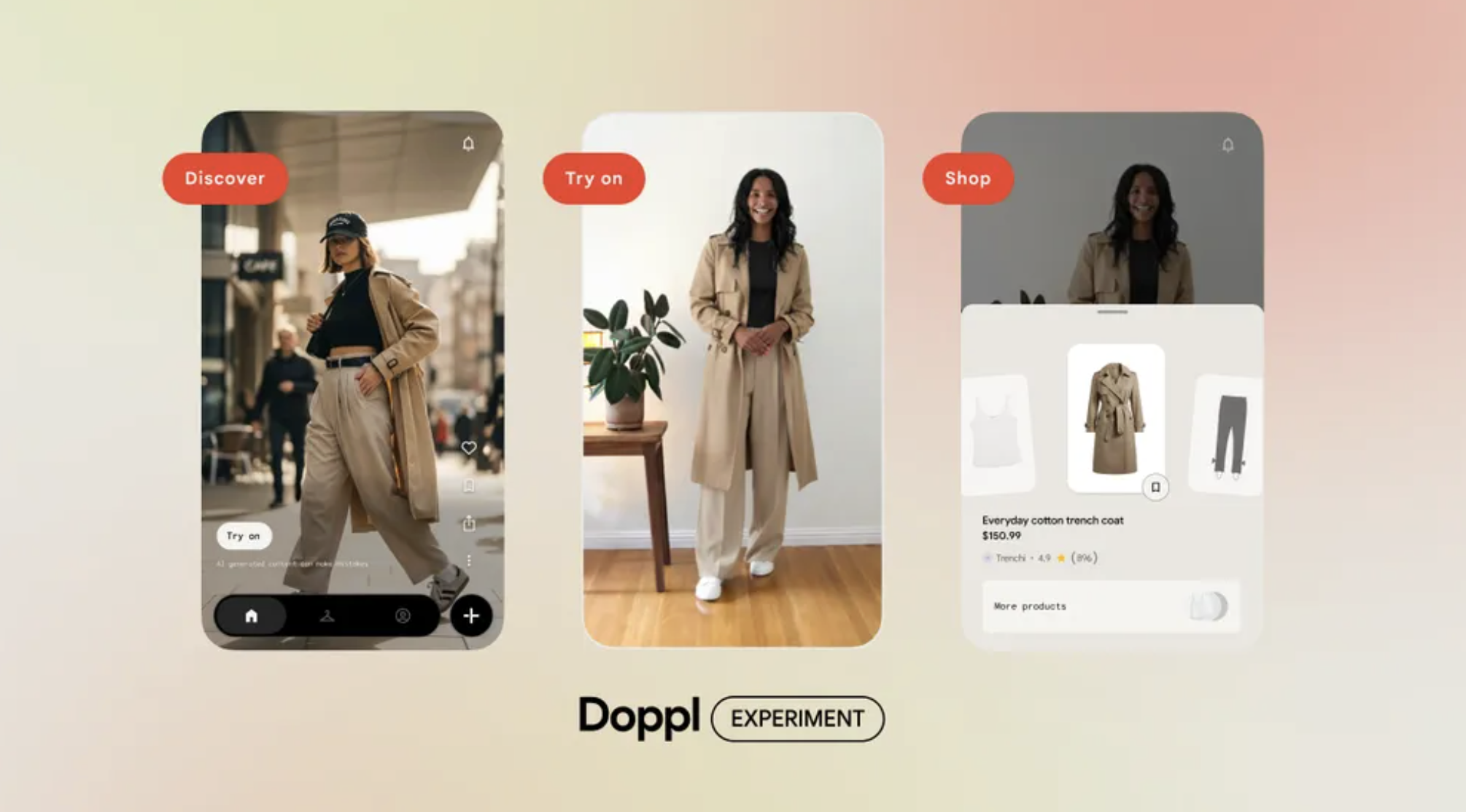
Google has unveiled a significant enhancement to Doppl, its experimental application leveraging artificial intelligence to render virtual outfit visualizations. This new integration introduces a dynamic, shoppable discovery feed, designed to revolutionize how users explore and interact with fashion products online. The strategic move underscores Google’s ongoing commitment to intertwine advanced AI capabilities with e-commerce, aiming to create more immersive and personalized shopping experiences for consumers.
The core premise behind this newly launched feed is to serve users tailored recommendations, enabling them to discover and virtually "try on" an array of new apparel items directly within the application. Almost every product featured in this curated stream is immediately purchasable, complete with direct navigation links to the respective merchant websites. This seamless integration from discovery to purchase represents a concerted effort by Google to streamline the online retail journey, reducing friction points often encountered in traditional e-commerce models.
The Evolution of Virtual Try-On Technology
The concept of virtually trying on clothes is not entirely novel, but its sophistication has dramatically advanced with the advent of powerful AI and augmented reality (AR) technologies. Early iterations of virtual try-on capabilities were often limited to basic filters or rudimentary 2D overlays, offering a far from realistic representation. Over the past decade, however, significant strides in computer vision, 3D modeling, and machine learning have paved the way for more accurate and immersive experiences. Companies across the fashion and technology sectors have invested heavily in this space, recognizing its potential to bridge the experiential gap between online and in-store shopping.
Google, a pioneer in various technological domains, has long explored the intersection of AR and consumer applications. Its past endeavors, such as Google Glass, Project Tango, and the ARCore development platform, showcased early ambitions in bringing digital overlays into the physical world. Doppl represents a more focused application of these underlying technologies, specifically tailored for the fashion retail segment. The initial version of Doppl, launched earlier this year, allowed users to upload their photos and virtually experiment with different clothing combinations, generating static images of themselves in various outfits. The ability to convert these static images into AI-generated videos was an early feature, intended to provide a more dynamic and realistic sense of how garments would drape and move on a person.
Google’s E-commerce Ambitions and AI Strategy
This latest development within Doppl arrives at a crucial juncture for Google, as the company intensifies its efforts to reassert its presence in the fiercely competitive e-commerce landscape. For years, Google has sought to carve out a larger share of the online retail market, traditionally dominated by behemoths like Amazon. While Google’s search engine remains a primary gateway for product discovery, converting that discovery into direct sales on its platforms has been a persistent challenge. Initiatives like Google Shopping, "Buy on Google," and various partnerships with retailers have aimed to create a more integrated shopping ecosystem, though none have fully dislodged established players.
The integration of a shoppable feed into Doppl aligns perfectly with Google’s broader strategic emphasis on artificial intelligence. The company has made AI a cornerstone of its product development across its entire portfolio, from search and cloud services to consumer applications. By embedding AI deeply into Doppl’s new feed, Google leverages its core technological strength to offer a differentiated shopping experience. The AI-generated videos and personalized recommendations are not merely cosmetic additions; they are fundamental to creating an engaging, efficient, and potentially addictive shopping environment. This strategy also serves to gather invaluable data on user preferences, interaction patterns, and purchasing habits, which can then be fed back into Google’s vast AI models to further refine its services and offerings.
Understanding the Doppl Experience
The newly introduced discovery feed in Doppl features videos of actual products, rendered through sophisticated AI algorithms. These videos are designed to simulate how garments might appear on a diverse range of body types and in various contexts, offering a more comprehensive visual understanding than traditional product images alone. What sets Doppl’s feed apart is its deep personalization engine. Google explains that the system analyzes users’ explicit style preferences shared within the app, combined with their implicit interactions – such as items viewed, virtually tried on, or favorited – to curate a highly individualized stream of outfit suggestions. This data-driven approach aims to present users with items they are more likely to be interested in, thereby enhancing the relevance and effectiveness of the shopping experience.
The shift towards dynamic, visual feeds for product discovery is a direct response to prevailing consumer trends. Platforms like TikTok and Instagram have profoundly influenced online shopping behavior, conditioning users to scroll through short-form video content and make impulse purchases based on what they see. These platforms often rely on real-world influencers showcasing products, creating a sense of authenticity and aspirational appeal. Doppl, however, takes a different approach by exclusively featuring AI-generated content. While some consumers may initially harbor reservations about an entirely AI-driven feed, Google likely perceives this as a scalable and cost-effective method to surface a vast catalog of products in a format that has already proven immensely popular with digital-native audiences.
The Rise of AI-Generated Content in Discovery Feeds
The concept of discovery feeds populated solely by AI-generated content, once a speculative notion, is rapidly gaining traction across the tech industry. This trend signifies a broader evolution in how digital content is produced and consumed. For instance, OpenAI, a leading AI research organization, recently launched Sora, a social media platform dedicated exclusively to AI-generated videos. Similarly, Meta, the parent company of Facebook and Instagram, has introduced "Vibes," a short-form video feed composed of AI-generated content within its Meta AI application.
These developments highlight a growing confidence among technology companies in the ability of generative AI to create compelling and engaging visual media at scale. For e-commerce, AI-generated content offers several potential advantages: it can drastically reduce the cost and time associated with traditional product photography and videography, enable hyper-personalization by adapting visuals to individual user preferences, and allow for rapid iteration and experimentation with marketing content. However, this paradigm also raises questions about authenticity, transparency, and the potential impact on human content creators and influencers. The cultural reception of AI-generated models and virtual try-ons, especially in a sector as personal as fashion, will be a critical factor in their long-term success.
Market Implications and Competitive Landscape
Doppl’s enhanced functionality carries significant implications for the broader retail market and Google’s competitive standing. For retailers, partnering with Doppl could offer a new, high-engagement channel for product showcasing and sales. The potential to reduce product returns, a persistent challenge in online fashion retail, is particularly attractive. When consumers can virtually "try on" items and gain a more accurate understanding of fit and style, they are theoretically more likely to make informed purchase decisions, leading to fewer post-purchase disappointments.
In the competitive landscape, Google is vying against a diverse array of players. Beyond Amazon, which offers its own virtual try-on features for select products, social media platforms like Instagram and TikTok continue to expand their shopping capabilities, leveraging their massive user bases and influencer networks. Dedicated AR commerce companies and even virtual reality platforms are also exploring immersive shopping experiences. Doppl’s unique selling proposition lies in its deep AI integration for personalization and its focus on virtual try-on as a primary discovery mechanism, differentiating it from platforms primarily driven by social proof or broad product catalogs.
The Future of Personalized Shopping and AI
The rollout of Doppl’s shoppable discovery feed marks another step towards a future where online shopping is increasingly personalized, interactive, and powered by artificial intelligence. For consumers, this could translate into a more efficient and enjoyable shopping journey, minimizing the guesswork involved in purchasing apparel online. The ability to virtually visualize garments on oneself, combined with AI-driven style recommendations, could foster greater confidence in online purchases and encourage experimentation with new fashion trends.
However, the success of such AI-centric platforms will depend on several factors, including the accuracy and realism of the AI-generated visuals, the breadth and quality of the product catalog, and user adoption rates. Trust in AI-generated content will also be paramount; consumers need to feel confident that what they see virtually accurately reflects the physical product. As AI technologies continue to evolve, the distinction between virtual and reality in online shopping is likely to blur further, paving the way for even more sophisticated and seamless retail experiences.
Challenges and Opportunities Ahead
While the integration of a shoppable feed into Doppl presents a significant opportunity for Google, it also comes with its share of challenges. Ensuring the AI models can accurately represent clothing on diverse body types and skin tones, and handle various fabric textures and lighting conditions, is crucial for maintaining user trust and satisfaction. Privacy considerations related to personal data used for style analysis and recommendation will also need careful management. Furthermore, Google will need to convince retailers of the value proposition, demonstrating that Doppl can drive meaningful sales and customer engagement.
Ultimately, Doppl’s evolution reflects a broader industry trend towards "shoppertainment" – the convergence of entertainment and retail. By transforming product discovery into an interactive, visually rich, and personalized experience, Google is attempting to create a sticky platform that keeps users engaged within its ecosystem. As the application rolls out across iOS and Android in the U.S. for users aged 18 and above, its performance will offer valuable insights into the future trajectory of AI-driven commerce and the shifting dynamics of online retail.