Amir Mahmud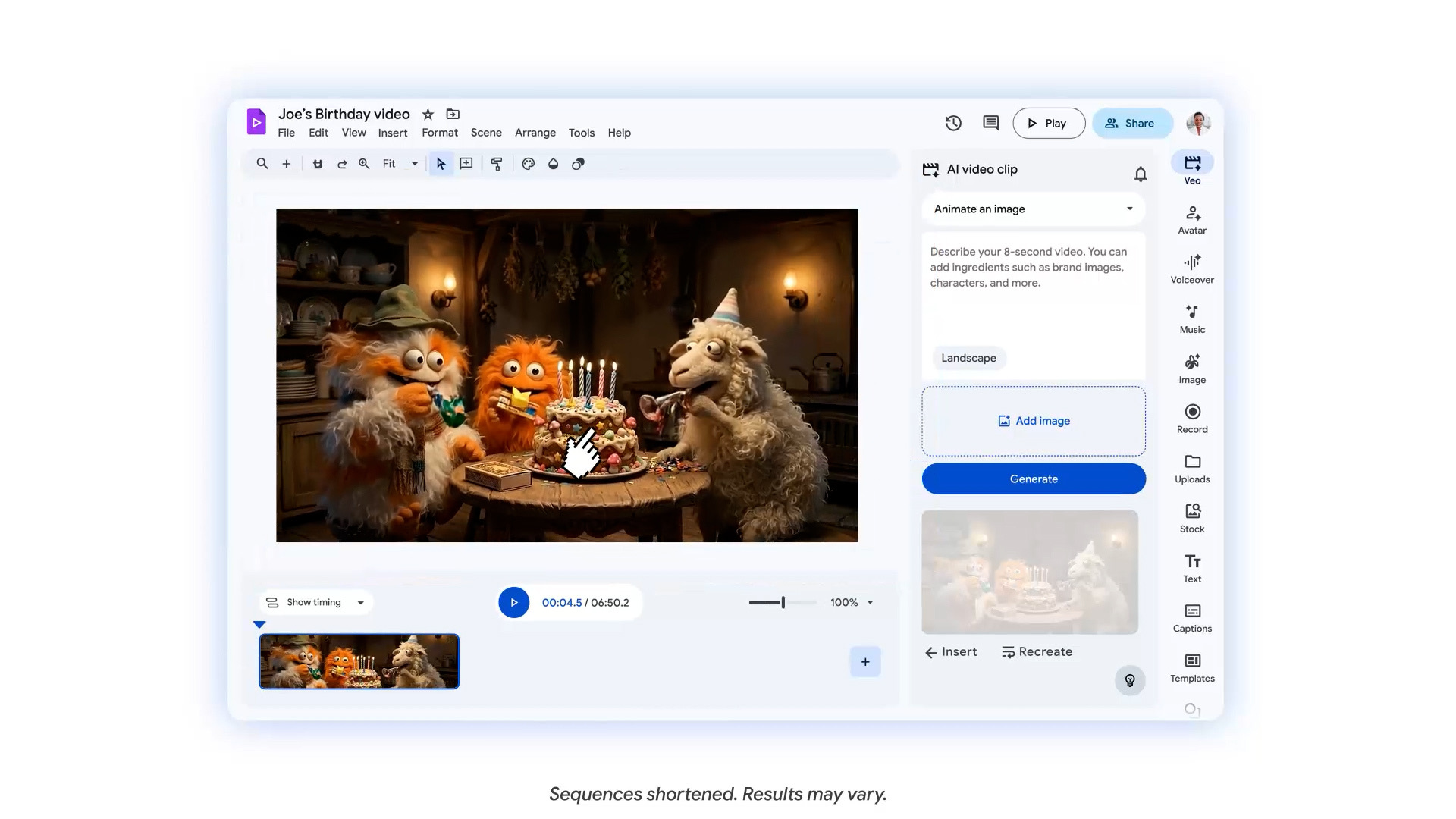
Google has significantly expanded the capabilities of its Vids video editor, introducing a suite of powerful features designed to democratize professional-grade video production through advanced artificial intelligence. The latest update, announced on Thursday, empowers users to direct and customize digital avatars using natural language prompts, integrates the sophisticated Veo 3.1 video generation model, and streamlines the content workflow with direct export options to YouTube and a new Chrome extension for screen recording. This strategic enhancement solidifies Google’s position in the rapidly evolving landscape of generative AI tools, offering creators unprecedented control and efficiency.
Unlocking Dynamic Avatar Interaction with Natural Language
At the heart of Vids’ latest evolution is the ability for users to manipulate AI-generated avatars through intuitive text commands. This innovation allows creators to dictate specific actions for their digital characters within a scene, moving beyond static representations to dynamic interactions. For instance, a user could prompt an avatar to "demonstrate a product," "interact with a piece of equipment," or "showcase a prop" within a custom-designed environment. This leap in functionality leverages advancements in natural language processing (NLP) and generative animation, translating textual descriptions into visual sequences with remarkable fidelity.
A key challenge in AI-driven character generation has historically been maintaining visual consistency across various actions and scenes. Google asserts that Vids addresses this by preserving character integrity, ensuring that the avatar’s appearance and traits remain cohesive throughout the dynamically generated output, regardless of the complexity of the directed actions. Beyond behavior, the platform also grants extensive customization options. Users can modify an avatar’s appearance, change its apparel, and even generate entirely new backgrounds, all through simple text prompts, allowing for an unparalleled degree of creative freedom in tailoring content to specific themes and brand identities. This represents a significant shift from traditional animation workflows, which often require extensive manual input and specialized skills, making sophisticated character animation accessible to a broader audience.
Elevating Video and Audio Production with Generative AI Models
The integration of advanced generative AI models for both video and audio marks another pivotal step for Google Vids. The platform now supports Veo 3.1, Google’s cutting-edge video generation model, enabling users to create short, dynamic video clips, typically up to eight seconds in length, directly within the editing interface. This functionality is particularly valuable for quickly prototyping visual concepts, generating B-roll footage, or crafting engaging micro-content. To encourage adoption, Google is offering all users 10 free Veo video generations per month, with Google AI Ultra and Workspace AI Ultra account holders receiving a substantial allocation of up to 1,000 generations monthly, signaling a clear premium tier for heavy users and enterprise clients.
This builds upon previous integrations, such as the addition of Google’s Lyria 3 and Lyria 3 Pro music creation models last month. These audio generation tools empower users to add bespoke sound effects or background music to their video clips, further enhancing the immersive quality of their productions. The combination of AI-powered video and audio generation significantly accelerates the content creation process. Historically, producing original video and audio assets could be time-consuming and expensive, requiring specialized equipment, actors, musicians, and post-production experts. By automating these elements through generative AI, Vids drastically lowers the barrier to entry, allowing individuals and businesses to produce high-quality, customized multimedia content with unprecedented speed and efficiency. This capability is poised to revolutionize everything from social media marketing to educational content and internal corporate communications.
Streamlined Workflow and Distribution for Creators
Beyond generative capabilities, Google Vids is also enhancing the practical aspects of video production and distribution. A significant quality-of-life improvement is the newfound ability to export finished videos directly to YouTube. This seamless integration eliminates the multi-step process of downloading a file from Vids and then manually uploading it to a YouTube channel, saving creators valuable time and reducing potential friction in their workflow. Recognizing the importance of review and control, all exported videos are set to private by default, allowing creators to thoroughly review their content before making it publicly accessible. This feature ensures content quality and adherence to brand guidelines or privacy considerations before a wider audience sees it.
Further augmenting the content creation toolkit, Google has introduced a new screen recording Chrome extension. This addition allows users to effortlessly capture screen activity, complete with audio or video narration, and integrate it directly into their Vids projects. This feature is particularly beneficial for creating tutorials, software demonstrations, presentations, or educational content, where showing on-screen actions is crucial. By bundling these distribution and capture tools within the Vids ecosystem, Google is positioning the app as a more comprehensive, end-to-end solution for digital content creators, from initial concept and asset generation to final editing and platform distribution. The emphasis on integrated workflows reflects a broader industry trend towards consolidated creative suites that minimize the need for users to switch between multiple applications.
The Evolution of Google Vids and Google’s AI Ambition
The recent updates to Vids are part of a continuous development cycle for the application, reflecting Google’s aggressive push into the generative AI space. Google Vids was initially unveiled in 2024, primarily targeting enterprise content creation needs, providing businesses with an accessible tool for producing engaging video communications without extensive technical expertise or budgets. Recognizing the broader appeal and potential of AI-powered video, Google expanded access to consumers last year, making sophisticated video creation tools available to a wider audience.
Prior to the current enhancements, Vids had already seen substantial feature additions. In February, for instance, Google introduced both 2D and 3D cartoon-style avatars, offering more diverse aesthetic options for character creation. Simultaneously, the platform expanded its language support for voiceovers to include seven new languages: French, German, Italian, Korean, Portuguese, Spanish, and Japanese. These developments highlight Google’s commitment to making Vids a globally accessible and versatile tool. The rapid evolution of Vids is emblematic of Google’s overarching strategy to weave advanced AI capabilities, like those powered by its Gemini models, into its entire suite of Workspace applications. This strategy aims to enhance productivity, foster creativity, and redefine how users interact with digital tools across various professional and personal contexts, establishing Google as a leader in practical AI application.
Navigating a Competitive Landscape
The burgeoning market for AI-powered video generation and avatar technology is highly competitive, with numerous innovative companies vying for market share. Google Vids faces competition from established players and nimble startups alike, each offering unique features and specializations. Companies like Synthesia, known for its realistic AI-generated presenters and extensive language support, have achieved significant valuations by catering to enterprise clients seeking scalable video production. Similarly, HeyGen has gained traction with its user-friendly interface for creating AI-generated videos with customizable avatars and voiceovers.
Other notable competitors include D-ID, which focuses on bringing still images to life with animation and expressive avatars, and Lemon Slice, an emerging player in digital avatar technology. These competitors often specialize in particular niches, such as hyper-realistic digital humans, specific animation styles, or specialized use cases for marketing and training. Google’s approach with Vids appears to be a broader, more integrated offering, leveraging its vast AI research capabilities and extensive ecosystem (Workspace, YouTube) to provide a comprehensive solution. The rapid pace of innovation in this sector means that features and capabilities are constantly evolving, pushing companies to continually develop and integrate cutting-edge AI to stay relevant and attract users in a dynamic market. The competitive pressure ultimately benefits users, as it drives continuous improvement and diversification of AI video tools.
Broader Implications: Reshaping Content Creation and Beyond
The advancements in Google Vids, and generative AI video tools in general, carry profound implications for the content creation industry and society at large. One of the most significant impacts is the democratization of high-quality video production. What once required significant technical skills, expensive equipment, and large teams can now be achieved by individuals or small businesses with a few text prompts and clicks. This opens up new avenues for entrepreneurship, education, and personal expression, allowing a wider range of voices to produce and share compelling visual stories.
From a market perspective, this technology enables unprecedented scalability in content production. Businesses can generate personalized marketing videos for individual customers, educators can rapidly create tailored learning modules, and content creators can experiment with diverse narratives and visual styles at a fraction of the traditional cost and time. However, this transformative power also brings with it important analytical and ethical considerations. The increasing realism of AI-generated avatars and video content raises questions about authenticity and potential misuse, such as the creation of deepfakes or the spread of misinformation. Industry leaders and policymakers are grappling with the need for clear guidelines and technological safeguards to ensure responsible deployment of these powerful tools.
Culturally, the proliferation of AI-generated media may shift audience perceptions of what constitutes "real" or "authentic" content. While AI can automate many aspects of production, the role of human creativity, emotional intelligence, and ethical judgment remains paramount for conceptualizing compelling narratives, guiding the AI, and ensuring that content is meaningful and responsible. The emergence of new roles, such as "prompt engineers" and "AI content supervisors," reflects this evolving relationship between human ingenuity and artificial intelligence.
In conclusion, Google’s latest enhancements to Vids represent a significant stride in making advanced AI-powered video creation tools accessible and efficient. By integrating sophisticated avatar control, generative video and audio models, and streamlined workflow features, Google is not merely adding new functionalities but reshaping the very landscape of digital content production. As these technologies continue to mature, they promise to unlock unprecedented creative potential, democratize access to high-quality media, and fundamentally alter how stories are told and consumed across the globe, while simultaneously prompting crucial discussions about ethics, authenticity, and the future of human creativity in an AI-driven world.