Amir Mahmud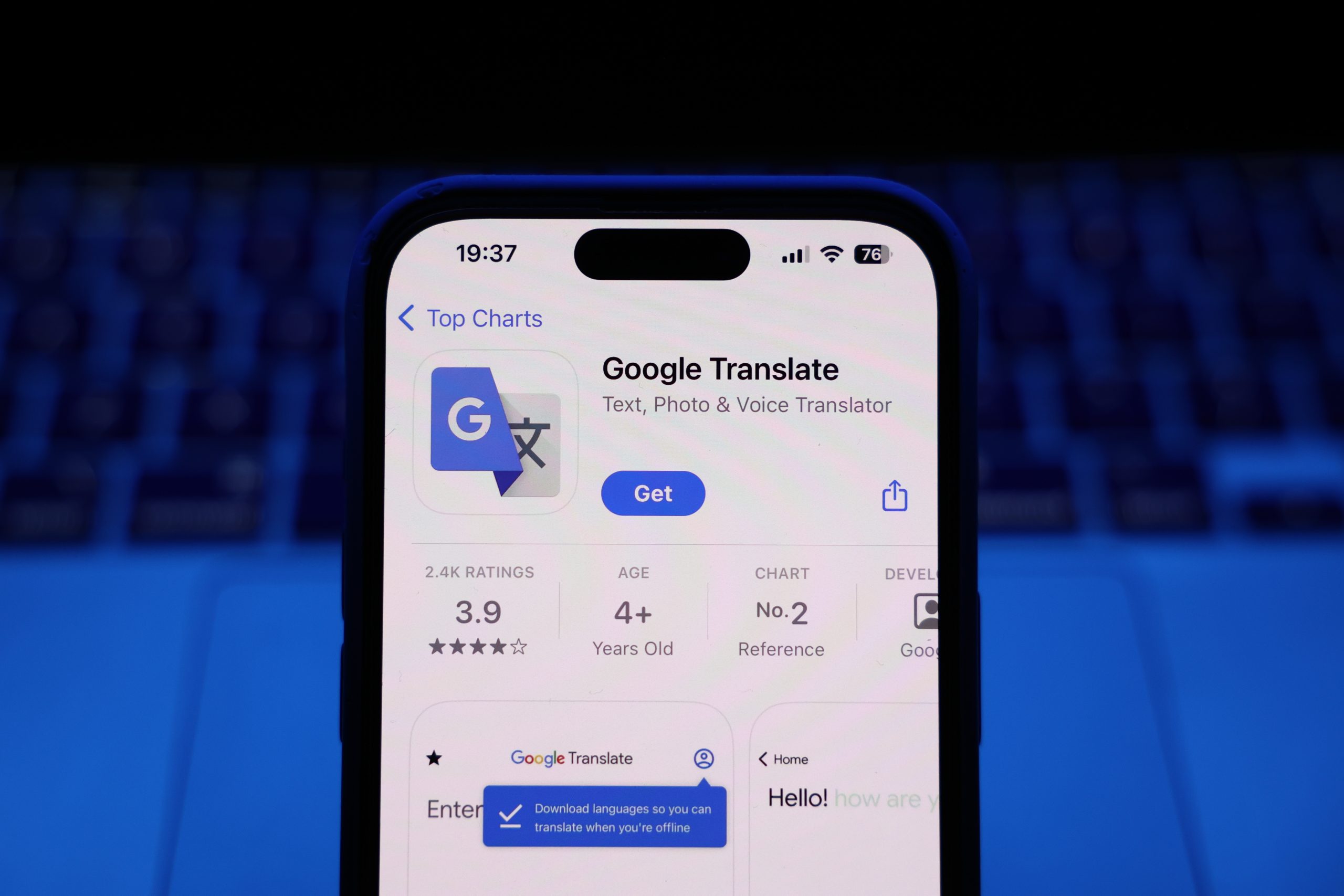
A significant stride in breaking down linguistic barriers has been announced by Google, as its AI-powered "Live Translate" feature for real-time headphone translations is now accessible to a much broader global audience. This advanced capability, which transforms ordinary headphones into a personal interpreter, is expanding its reach to include iOS devices and a wider array of countries, signaling a pivotal moment in the quest for seamless cross-cultural communication.
The expansion means that users in key markets previously excluded can now leverage this innovative technology. Specifically, Live Translate is now available on both iOS and Android platforms across the United States, India, Mexico, Germany, Spain, France, Nigeria, Italy, the United Kingdom, Japan, Bangladesh, and Thailand. This marks a substantial increase from its prior availability, which was limited to Android users in just the U.S., India, and Mexico. The move underscores Google’s commitment to making cutting-edge AI tools universally accessible, fostering a more interconnected world.
The Evolution of Machine Translation
The journey toward instant, accurate language translation has been a long and intricate one, rooted deeply in the history of computer science and artificial intelligence. Early attempts at machine translation in the mid-20th century were largely rule-based, relying on vast dictionaries and grammatical rules to convert text from one language to another. These systems, while foundational, often produced stiff, unnatural, and sometimes inaccurate translations due to the inherent complexities and nuances of human language.
The late 20th and early 21st centuries saw the advent of statistical machine translation (SMT), which moved away from rigid rules to analyze large corpora of human-translated texts. SMT identified patterns and probabilities of word and phrase translations, leading to significantly improved output. Google Translate, initially launched in 2006, began with an SMT engine, rapidly expanding its language support and improving quality over time. Its initial offerings included text translation, then expanded to website translation, image translation via camera, and voice input.
However, the real revolution arrived with neural machine translation (NMT) in the mid-2010s. NMT systems utilize deep learning neural networks, processing entire sentences rather than individual words or phrases. This holistic approach allows NMT to better understand context, generate more fluent and natural-sounding translations, and even handle idiomatic expressions with greater proficiency. Google’s transition to NMT significantly enhanced the quality of its Translate service, paving the way for the sophisticated real-time applications we see today. The aspiration for a "universal translator," once a staple of science fiction narratives like Star Trek, is steadily moving closer to reality, driven by these relentless advancements in AI.
How Live Translate Bridges Linguistic Divides
At its core, Google’s Live Translate feature leverages the formidable power of Gemini AI, Google’s advanced artificial intelligence model. This sophisticated AI is instrumental in enabling the real-time processing required for instant audio translation. When activated, the system captures speech, converts it into text, translates the text into the target language, and then converts the translated text back into speech, all within milliseconds. What truly sets this feature apart is its ability to retain the original speaker’s tone, emphasis, and cadence. This preservation of natural speech patterns is crucial for fostering more authentic and comprehensible conversations, allowing users to discern who is speaking and to grasp the emotional context behind their words, rather than just a robotic rendition of the text.
The functionality essentially transforms any standard pair of headphones into a personal, one-way interpretation device. When someone speaks in a foreign language, the user wearing the headphones hears a real-time translation directly in their ear. This offers a discreet and highly efficient method of understanding conversations without the need for constant screen interaction or the awkwardness of passing a device back and forth. The interface is designed for simplicity: users open the Google Translate application, select the "Live Translate" option, and connect their preferred headphones. With support for over 70 languages, the feature promises extensive utility across diverse linguistic landscapes.
Transformative Social, Cultural, and Market Impact
The expansion of Live Translate carries profound implications across various facets of society, commerce, and personal interaction. Its potential to break down communication barriers could fundamentally alter how individuals interact globally.
For Travelers and Tourists: International travel, often fraught with linguistic challenges, stands to be significantly transformed. Tourists can now navigate foreign cities, understand public announcements (such as train or airport information), and engage in basic conversations with locals with newfound ease. This can lead to richer, more immersive travel experiences, reducing anxiety and fostering a deeper appreciation for local cultures. For business travelers, it facilitates smoother negotiations and networking in international settings, potentially opening up new markets and partnerships.
In Business and Global Commerce: The implications for international business are immense. Companies engaging in cross-border trade, remote collaboration, or managing diverse global teams can benefit from instantaneous translation. Meetings, conference calls, and casual workplace interactions between multilingual colleagues can become more fluid, reducing the need for expensive human interpreters for routine communication. This democratizes access to global markets for small and medium-sized enterprises (SMEs) that may not have the resources for dedicated translation services.
Enhancing Social and Personal Connections: On a personal level, Live Translate can bridge gaps within families separated by language or those with relatives who speak different tongues, allowing for more inclusive family gatherings and deeper connections. For immigrants and expatriates, it can ease the transition into new linguistic environments, facilitating daily tasks, social integration, and access to essential services. Moreover, it subtly promotes cultural exchange by making interactions with people from different backgrounds less intimidating and more rewarding. While not primarily an accessibility tool, it could also indirectly assist individuals with certain communication challenges by simplifying verbal understanding.
Educational Implications: The feature could also serve as a valuable tool for language learners, providing real-time immersion and contextual understanding, complementing traditional learning methods. Students can engage with native speakers or foreign media and receive immediate translations, enhancing their comprehension and pronunciation skills.
However, it is also important to acknowledge potential limitations and ethical considerations. The reliance on internet connectivity means the feature may not be fully functional in remote areas. While highly accurate, AI translation is not infallible; nuances, sarcasm, and highly specific domain-specific jargon might still pose challenges, leading to potential misinterpretations in critical conversations. Privacy concerns regarding real-time audio processing and data handling also warrant ongoing discussion and robust safeguards.
Geographic Significance and Broader AI Strategy
The strategic choice of countries for this expansion reflects a thoughtful approach to maximizing impact. India, with its vast population and linguistic diversity (hundreds of languages and dialects), represents a massive market where such a tool can have profound societal benefits. European economic powerhouses like Germany, France, Italy, and the UK are crucial hubs for international business and tourism. Japan, a technologically advanced nation with a unique language, is a key target for both tourism and global engagement. The inclusion of Nigeria, Bangladesh, and Thailand further emphasizes a commitment to expanding AI access in developing and emerging markets.
The integration of Live Translate into iOS is equally significant. Apple’s ecosystem commands a substantial global user base, and making this feature available on iPhones and iPads ensures that a vast segment of the technologically savvy population can now benefit from real-time communication. This multi-platform approach is essential for any technology aiming for widespread adoption and universal utility.
This expansion of Live Translate arrives concurrently with another major Google AI announcement: the global rollout of "Search Live." Launched in July 2025, Search Live allows users to point their phone cameras at objects to receive real-time assistance and engage in back-and-forth conversations that draw upon the visual context from the camera feed. Previously limited to the U.S. and India, Search Live is now available globally in over 200 countries and territories where AI Mode is supported. Users can access it by opening the Google app on Android or iOS and tapping the Live icon beneath the search bar.
These two developments—Live Translate and Search Live—represent a cohesive strategy from Google to deeply integrate advanced AI capabilities into everyday user experiences. Both features aim to make information and interaction more immediate, intuitive, and contextual. While Live Translate focuses on overcoming spoken language barriers, Search Live extends conversational AI into the visual world, allowing users to understand and interact with their physical environment through their devices. Together, they illustrate a broader vision of ambient computing, where AI seamlessly assists users across various modalities, making technology a more natural extension of human perception and communication.
The Road Ahead for AI and Communication
The ongoing advancements in AI, particularly in natural language processing and understanding, continue to push the boundaries of what’s possible in communication. Companies like Google are at the forefront of this transformation, moving from simple translation tools to sophisticated real-time interpreters that aim to preserve the richness and nuance of human interaction. This shift underscores a broader trend where AI is no longer a niche technology but an embedded utility designed to enhance daily life.
As these technologies mature, the conversation will increasingly turn towards their long-term societal implications. Ethical considerations around data privacy, algorithmic bias in translation, and the potential impact on human language learning remain critical. However, the immediate benefit is clear: by making real-time communication more accessible and seamless, innovations like Live Translate are fostering greater understanding and connection in an increasingly interconnected world. The aspiration for a truly universal communication device, once confined to the realm of science fiction, appears ever closer to becoming a tangible reality, reshaping how we interact across cultures and continents.