Amir Mahmud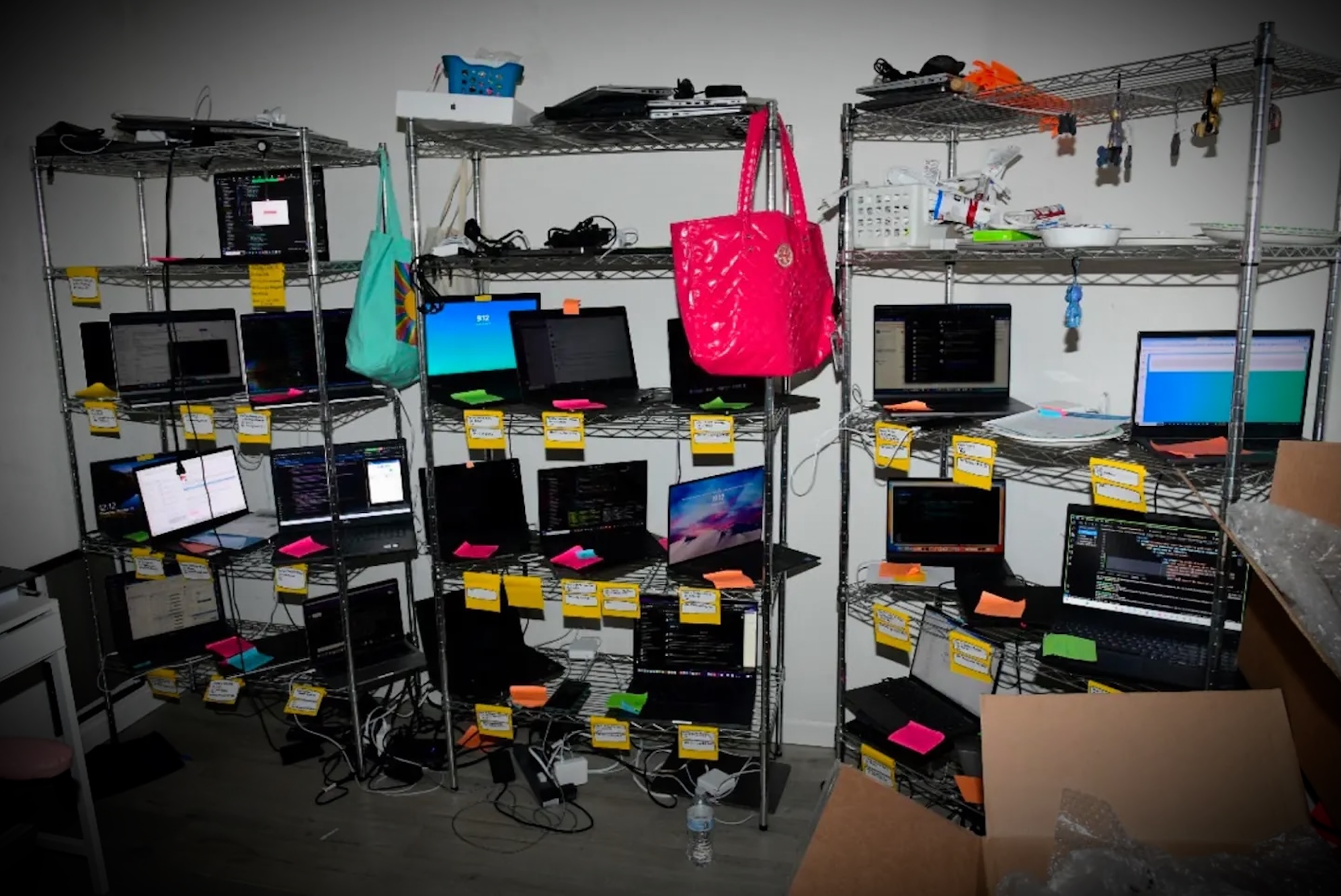
A U.S. federal court has handed down a five-year prison sentence to a Ukrainian national for his instrumental role in a sophisticated, long-running identity theft operation. This illicit enterprise was meticulously designed to facilitate the fraudulent employment of overseas North Korean workers within numerous American companies, with their earnings ultimately siphoned to Pyongyang to finance its internationally sanctioned nuclear weapons program. The conviction underscores the persistent efforts of rogue states to circumvent global financial restrictions through elaborate cybercriminal schemes, posing significant challenges to international security and corporate integrity.
The Architect of Deception: Oleksandr Didenko’s Scheme
Oleksandr Didenko, a 29-year-old resident of Kyiv, Ukraine, found himself at the center of a federal investigation that culminated in charges brought against him in 2024. Didenko’s criminal contribution involved operating a digital platform named "Upworksell," a clandestine marketplace where individuals abroad, including operatives from North Korea, could acquire or lease stolen identities belonging to legitimate U.S. citizens. These pilfered credentials served as the key to unlocking employment opportunities within American firms, creating a deceptive facade of legitimate remote workers. According to the U.S. Department of Justice, Didenko managed access to more than 870 distinct stolen identities, highlighting the significant scale and reach of his operation.
The sophistication of Didenko’s scheme extended beyond mere identity brokering. He also orchestrated what federal investigators termed "laptop farms." These were physical locations, typically private residences in U.S. states such as California, Tennessee, and Virginia, where individuals were paid to host racks of open laptops. These devices served as proxies, allowing North Korean workers, operating remotely from thousands of miles away, to connect and perform their jobs as if they were physically present on American soil. This elaborate setup was crucial for bypassing geographical IP restrictions and other digital safeguards employed by U.S. companies to verify the location of their remote workforce. The scheme effectively cloaked the true origin and identity of the North Korean operatives, enabling them to integrate into corporate networks and potentially access sensitive information.
Pyongyang’s Pursuit: Fueling a Nuclear Ambition
The broader context of Didenko’s activities is inextricably linked to North Korea’s desperate need for foreign currency to sustain its reclusive regime and its ambitious, yet internationally condemned, weapons programs. For decades, North Korea has faced a comprehensive web of international sanctions imposed by the United Nations Security Council, the United States, and other nations. These sanctions target the country’s access to conventional financial systems, technology, and luxury goods, all aimed at curbing its nuclear and ballistic missile development.
In response to this economic isolation, Pyongyang has cultivated a diverse portfolio of illicit activities to generate revenue. Historically, these have included counterfeiting currency, drug trafficking, and arms sales. However, in the 21st century, the regime has increasingly pivoted towards cybercrime, leveraging its highly skilled but underemployed IT workforce. These state-sponsored cyber operations range from large-scale cryptocurrency heists to sophisticated ransomware attacks and, critically, the infiltration of foreign companies through fraudulent employment schemes. The revenue generated from these activities is directly funneled into state coffers, providing critical funding for the military-industrial complex responsible for advancing North Korea’s nuclear arsenal and missile capabilities, directly undermining international non-proliferation efforts.
The evolution of North Korea’s cyber capabilities has been a significant concern for global security agencies. Reports from various cybersecurity firms and government bodies consistently highlight the regime’s growing proficiency in digital espionage and financial theft. This strategic shift reflects a calculated adaptation to the modern global economy, where digital assets and information are as valuable as traditional commodities, and where the anonymity of the internet offers new avenues for illicit gain.
The "Triple Threat" Unpacked: Risks to U.S. Enterprises
Security researchers have aptly characterized North Korean workers infiltrating Western businesses as a "triple threat," a multifaceted danger that extends far beyond mere financial fraud. The first layer of this threat involves the direct violation of U.S. and international sanctions. By employing individuals linked to a sanctioned regime, companies inadvertently become complicit in providing financial support to an adversary, exposing themselves to severe legal penalties, including hefty fines and reputational damage.
The second dimension is the risk of intellectual property theft and corporate espionage. Once embedded within a company’s network, these operatives, often posing as legitimate IT developers or software engineers, gain privileged access to proprietary information, trade secrets, customer data, and other sensitive assets. This stolen data can be used for various purposes, including enhancing North Korea’s own technological capabilities, selling to rival nations, or simply accumulating intelligence. The long-term impact on affected businesses can be devastating, leading to competitive disadvantages, loss of market share, and erosion of trust.
Finally, the "triple threat" encompasses the potential for extortion. North Korean actors have demonstrated a willingness to leverage stolen corporate secrets or vulnerabilities discovered during their tenure to extort victim companies. The threat of publicly releasing sensitive data or exploiting system weaknesses creates immense pressure on businesses, forcing them into difficult decisions that can further compromise their security and standing. This tactic transforms initial infiltration into a continuous mechanism for extracting value, compounding the initial damage caused by the fraudulent employment.
The Digital Front: Anatomy of the "Laptop Farms"
The "laptop farm" component of Didenko’s operation represents a particularly insidious innovation in cyber-fraud, designed to circumvent geographical detection mechanisms. Most remote employment platforms and corporate IT departments utilize IP address tracking and other digital forensics to verify the physical location of their workers. By housing arrays of laptops in U.S. homes, Didenko created a network of physical proxies, ensuring that the North Korean operatives’ digital footprints consistently appeared to originate from within the United States.
The individuals hosting these laptop farms were often unsuspecting or vulnerable parties, lured by offers of easy money for what seemed like minimal effort. They received, set up, and maintained these devices, allowing remote access to the North Korean workers. This logistical layer added a significant degree of complexity and resilience to the scheme, making it exceptionally difficult for companies to detect the true nature of their remote employees. The hosts, often unaware of the ultimate purpose or the gravity of the criminal enterprise they were enabling, inadvertently became cogs in a global machine funding a nuclear weapons program. This highlights a critical social impact: how individuals, often seeking supplemental income, can be unknowingly co-opted into sophisticated international criminal networks.
A Global Web: Law Enforcement’s Response
The dismantling of Didenko’s operation is a testament to the increasing sophistication and global coordination of law enforcement agencies in combating transnational cybercrime. The FBI’s seizure of the Upworksell website in 2024 was a pivotal moment, effectively shutting down a crucial pipeline for stolen identities and redirecting its traffic to agency servers, allowing for intelligence gathering. This digital takedown was followed by a physical apprehension, with Polish authorities arresting Didenko, who was subsequently extradited to the United States to face justice. His guilty plea underscores the weight of evidence against him and the efficacy of international collaboration in bringing cybercriminals to account.
This case is not an isolated incident but rather the latest in a series of convictions related to North Korean IT worker schemes. Over recent years, law enforcement agencies have made significant strides in identifying and disrupting these networks, apprehending various facilitators and exposing the methods used. These successes reflect a growing understanding within the intelligence and law enforcement communities of the unique threats posed by state-sponsored cybercrime and the imperative to forge robust international partnerships to counter them.
Wider Implications and Future Challenges
The Didenko case illuminates several broader implications for the global digital landscape. For one, it underscores the persistent vulnerability of identity verification systems in the digital age. As more work transitions to remote and hybrid models, the reliance on digital credentials and remote access creates new vectors for exploitation. Businesses are compelled to invest more heavily in advanced cybersecurity measures, including multi-factor authentication, robust identity management, and continuous monitoring for unusual network activity.
Furthermore, the case serves as a stark reminder of the interconnectedness of cybercrime, national security, and geopolitical stability. The illicit financial gains from such schemes directly empower regimes that threaten international peace and security. This blurring of lines between traditional criminal activity and state-sponsored actions presents a formidable challenge for policymakers and security experts alike.
Looking ahead, the battle against these sophisticated networks is expected to intensify. North Korea and other sanctioned entities will undoubtedly continue to evolve their tactics, seeking new vulnerabilities and innovative ways to circumvent detection. This necessitates ongoing vigilance from companies, heightened awareness among the public about identity theft risks, and continuous investment in intelligence gathering and international cooperation by governments. The fight against illicit financial networks that underpin hostile state activities remains a critical frontier in global security, demanding a proactive and collaborative approach to safeguard digital economies and national interests.