Amir Mahmud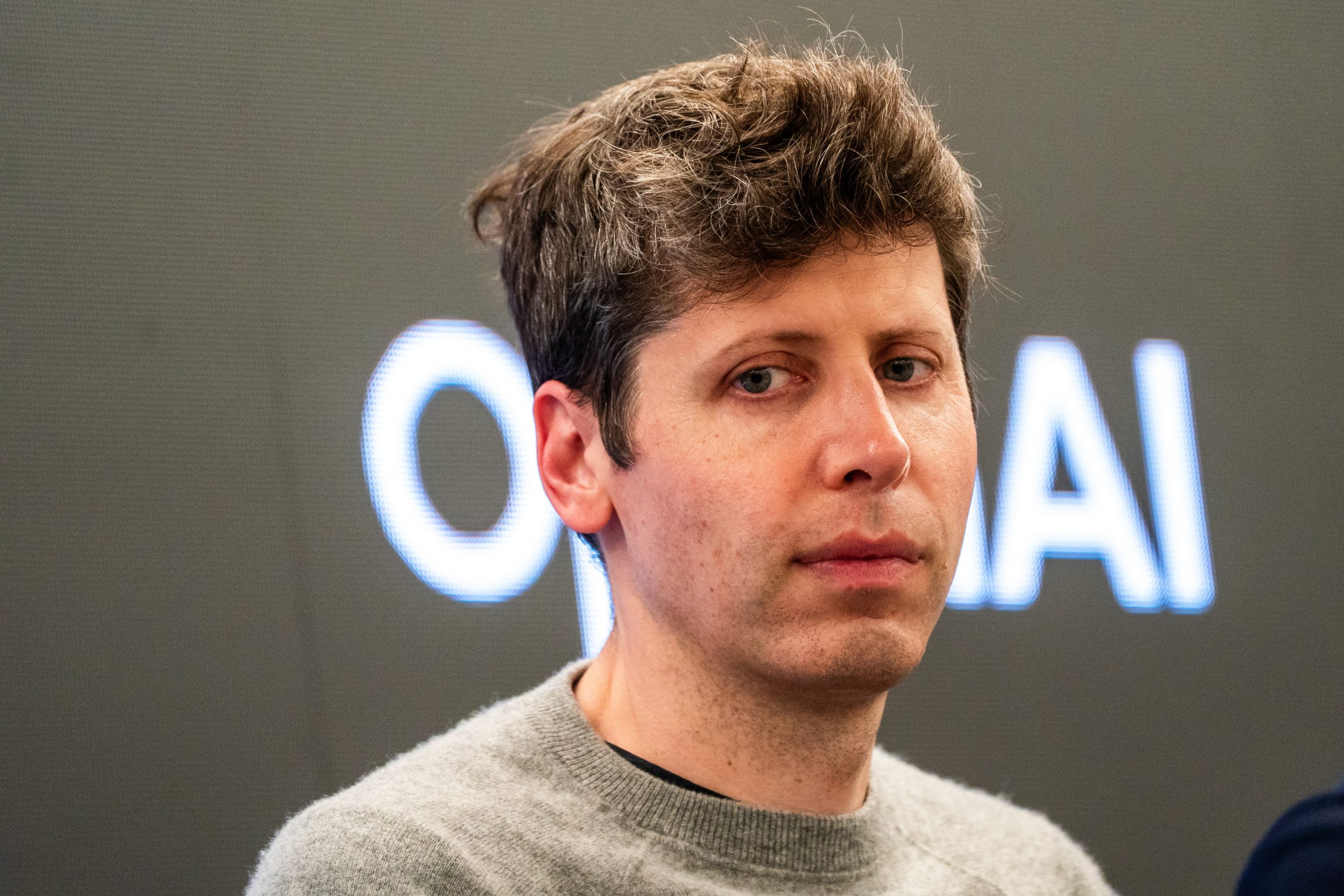
Recent weeks have seen significant internal shifts within leading artificial intelligence firms, particularly xAI and OpenAI, as high-profile talent departures underscore profound strategic and ethical dilemmas at the cutting edge of technological development. The burgeoning AI sector, characterized by its rapid innovation and immense potential, is simultaneously grappling with a burgeoning "talent war" and fundamental disagreements over the responsible deployment of increasingly powerful systems. These internal challenges are not merely corporate reorganizations but symptomatic of a broader existential debate shaping the future trajectory of artificial intelligence.
The High-Stakes AI Landscape
The current era is often dubbed the "AI gold rush," a period of unprecedented investment and innovation driven by the emergence of large language models (LLMs) and other generative AI technologies. Companies like OpenAI, Google DeepMind, Anthropic, and xAI are at the forefront, competing fiercely to build the most advanced AI systems, often termed Artificial General Intelligence (AGI). This race is fueled by billions in capital and a global scramble for the most brilliant minds in machine learning, computer science, and ethics. The demand for specialized AI talent far outstrips supply, leading to lucrative compensation packages and intense recruitment battles. However, beyond financial incentives, many researchers are drawn to the field by a profound sense of purpose – to contribute to a technology that could redefine human civilization, while also navigating its immense risks.
xAI’s Foundational Shifts
Elon Musk’s xAI, launched in July 2023 with the stated mission to "understand the true nature of the universe," has experienced a particularly notable churn among its initial ranks. Reports indicate that approximately half of its founding team has departed the company since its inception. These exits reportedly occurred through a combination of voluntary resignations and internal "restructuring" initiatives. While specific names and detailed reasons for each departure are often kept confidential, such significant turnover at an early-stage, high-profile startup can signal several underlying pressures.
For a company like xAI, founded by a visionary leader known for his ambitious and often unconventional management style, alignment of vision is paramount. Early employees, especially founding members, often commit to a startup based on a shared understanding of its core mission, technological approach, and cultural values. Discrepancies in these areas, particularly concerning the pace of development, the prioritization of certain research avenues, or the overall strategic direction, can lead to irreconcilable differences. The intense pressure to deliver groundbreaking results in a highly competitive field, coupled with the inherent uncertainties of pioneering advanced AI, can also contribute to burnout or a re-evaluation of personal career paths. The impact of losing such a substantial portion of its foundational technical talent could necessitate a re-evaluation of xAI’s immediate research roadmap and potentially delay its progress in an already fast-moving environment.
OpenAI’s Internal Upheaval
OpenAI, widely recognized for bringing ChatGPT to the mainstream, has also navigated a turbulent period marked by internal dissent and significant leadership changes. The company’s journey began as a non-profit dedicated to ensuring AGI benefits all of humanity, a mission that later evolved to include a capped-profit structure to attract the necessary capital and talent. This shift, while enabling rapid advancement, has continually fueled internal debates about the balance between commercialization and safety.
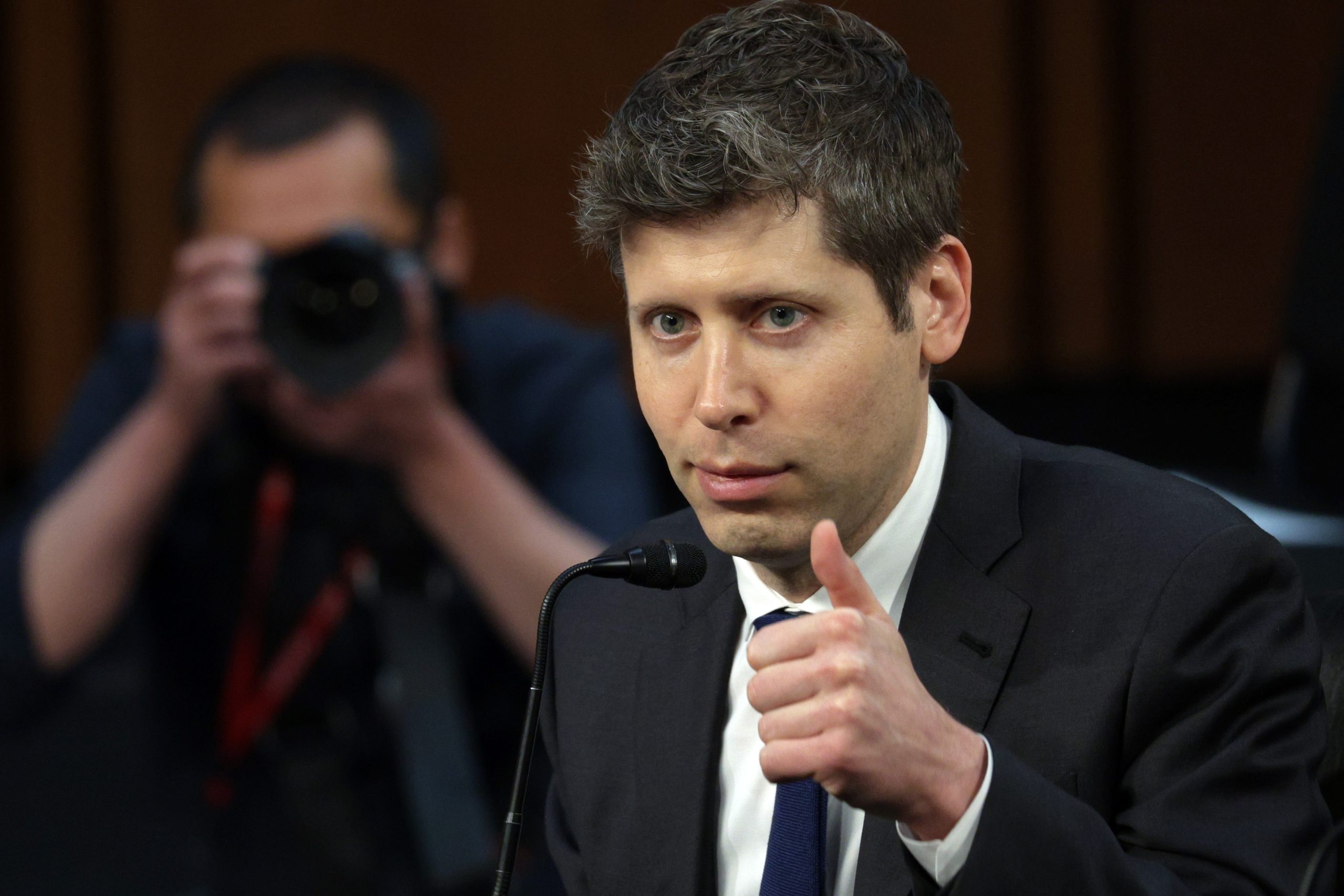
The most public manifestation of this tension was the dramatic ouster and subsequent reinstatement of CEO Sam Altman in late 2023, which stemmed from a disagreement between the board and leadership over the pace and safety of AI development. In the wake of that crisis, the company has continued to face scrutiny over its commitment to responsible AI. A recent development involved the disbanding of its "Superalignment" or "mission alignment" team. This team, co-led by Ilya Sutskever (who has since left OpenAI) and Jan Leike (who also departed), was specifically tasked with researching and developing methods to control and align future superintelligent AI systems with human intentions and values. Its dissolution, followed by the departures of its leaders, sparked widespread concern within the AI safety community and beyond. Critics argue that this move signals a de-prioritization of long-term safety research in favor of accelerating product development and deployment. OpenAI, however, maintains that alignment research remains a core priority and is being integrated more broadly across its research teams.
Further exacerbating internal tensions was the reported firing of a policy executive who opposed the implementation of an "adult mode" feature. While details surrounding this feature remain sparse, the incident highlights a deeper conflict regarding content moderation, ethical boundaries, and the types of applications OpenAI is willing to support. The development and deployment of AI models capable of generating diverse content raise complex questions about what constitutes acceptable use, how to prevent misuse, and the company’s responsibility in shaping the digital landscape. Decisions about features like an "adult mode" touch upon societal values, regulatory compliance, and the potential for reputational damage, making internal dissent on such matters particularly acute. These events collectively paint a picture of an organization wrestling with its foundational principles amidst intense commercial pressures and the rapid evolution of its technology.
The Ethics vs. Acceleration Dilemma
The internal conflicts at xAI and OpenAI are not isolated incidents but reflect a broader, industry-wide struggle between the imperative to "move fast and break things" – a Silicon Valley mantra – and the growing demand for "responsible innovation." Many top AI researchers are deeply motivated by the transformative potential of AI but also acutely aware of its profound risks, including bias, misuse, job displacement, and even existential threats from unaligned superintelligence.
When researchers perceive a disconnect between a company’s stated commitment to safety and its operational decisions, it can lead to disillusionment and departures. The ethical considerations around AI are complex and multifaceted, ranging from the immediate concerns of algorithmic fairness and data privacy to the long-term challenges of AI alignment and control. Companies that appear to prioritize commercial gains or rapid product launches over robust safety protocols risk alienating talent who view ethical development as non-negotiable. This tension is further complicated by the competitive nature of the AI race, where being first to market with new capabilities can confer significant advantages.
The Global Talent War in AI
The departures from these prominent AI firms also highlight the intense competition for specialized talent across the entire AI ecosystem. The global market for AI researchers, engineers, and ethicists is exceptionally tight. Experts with deep knowledge in machine learning, neural networks, and AI safety are in high demand, allowing them significant leverage in choosing where they work. This mobility means that internal disputes, a perceived lack of alignment with leadership’s vision, or concerns over a company’s ethical compass can quickly translate into an exodus of valuable personnel.
Companies are not just competing on salary and equity; they are also vying for the opportunity to work on the most exciting problems, with the best resources, and within a culture that aligns with a researcher’s values. A company’s reputation regarding its commitment to safety, open research, or specific technological approaches can be a major draw or deterrent. This dynamic means that internal shake-ups can have ripple effects, potentially strengthening rival firms or leading to the formation of new ventures founded on alternative principles.
Implications for AI’s Future
The talent flux and internal strife observed at leading AI companies carry significant implications for the future direction of the entire industry.
Firstly, it may lead to a further fragmentation of the AI landscape. Disillusioned researchers might gravitate towards organizations with a stronger emphasis on safety and open science, potentially bolstering non-profit initiatives or academic research. Conversely, some might seek environments that prioritize rapid deployment and commercial impact, creating a more diverse array of development philosophies.
Secondly, these events inevitably impact public trust. As AI systems become more integrated into daily life, transparency about their development and the ethical considerations guiding their creators becomes crucial. Reports of internal disagreements, especially concerning safety and responsible use, can erode public confidence and fuel calls for increased regulation. Policymakers globally are already grappling with how to govern AI, and internal industry turmoil will likely intensify these discussions.
Lastly, the ongoing debate within these companies reflects a broader societal conversation about humanity’s relationship with advanced AI. The decisions made today by a handful of influential organizations and individuals will profoundly shape how this powerful technology is developed, deployed, and ultimately impacts global society, economies, and culture.
In conclusion, the recent talent departures and internal reorganizations at xAI and OpenAI are more than just corporate headlines; they are potent indicators of the fundamental challenges and philosophical crossroads facing the burgeoning field of generative AI. The tension between accelerating technological progress and ensuring its responsible, ethical, and safe deployment is a defining characteristic of this era. As the industry matures, how these leading firms navigate these complex internal dynamics will likely determine not only their individual success but also the collective trajectory of artificial intelligence and its ultimate impact on humanity.