Amir Mahmud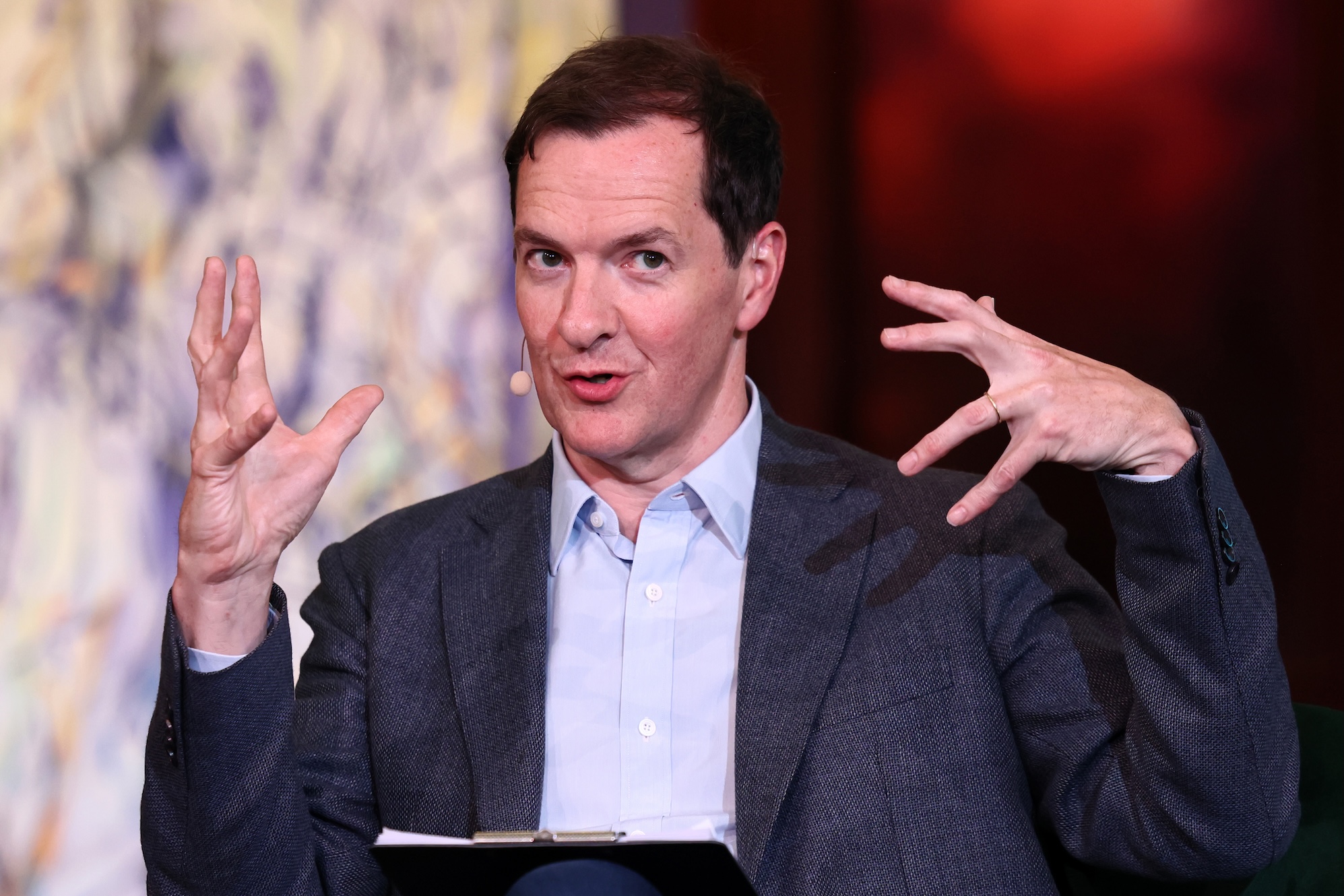
The fierce competition for talent in the artificial intelligence sector shows no signs of abating, with technology companies consistently making headlines for their strategic hires. While the battle often centers on engineers and innovative researchers, a notable and increasingly frequent trend involves securing senior executives and high-profile political figures to guide these rapidly expanding enterprises. This strategic pivot highlights a growing understanding within Silicon Valley that scaling a global tech operation requires more than just technical prowess; it demands sophisticated navigation of geopolitical landscapes, regulatory frameworks, and international partnerships.
Less than ten days after Denise Dresser, formerly CEO of Slack, assumed the role of Chief Revenue Officer at OpenAI, the artificial intelligence powerhouse announced another significant addition: George Osborne, the former British finance minister. His appointment as managing director and head of OpenAI for Countries, based in London, quickly followed. Almost simultaneously, the prominent cryptocurrency exchange Coinbase revealed Osborne would lead its internal advisory council, signifying a dual high-profile entry into the American tech sphere. These announcements have resonated particularly strongly within the United Kingdom, where observers have noted Osborne’s integration into a lengthening roster of former British political leaders now contributing their expertise to major U.S.-based technology companies.
A Veteran Statesman’s Evolution
George Osborne’s journey into the tech world represents the latest chapter in a distinguished and often controversial career. A former Conservative Member of Parliament, Osborne served as Chancellor of the Exchequer from 2010 to 2016, a pivotal period that saw the United Kingdom grapple with the aftermath of the 2008 financial crisis and implement significant austerity measures. This role is functionally equivalent to that of a finance minister or treasury secretary in other national governments, wielding immense influence over economic policy. His tenure was characterized by a commitment to fiscal consolidation, aiming to reduce the national debt, which sparked widespread public debate and economic reforms.
Following the resignation of Prime Minister David Cameron in the wake of the 2016 Brexit referendum, Osborne eventually stepped down from public office in 2017. His transition out of frontline politics did not, however, signal a retreat from public life or high-level engagement. Instead, it marked a diversification of his professional portfolio. He undertook a part-time advisory role for the global investment management firm BlackRock, a move that foreshadowed his subsequent involvement in finance. From 2017 to 2020, he held the editorship of the Evening Standard, a prominent London newspaper, demonstrating his continued influence in media and public discourse. During this period, Osborne also co-founded 9yards Capital, a venture capital firm, alongside his brother Theo and brother-in-law David Fisher. This foray into venture capital provided him with direct exposure to the burgeoning tech startup ecosystem, with several companies in 9yards’ portfolio, including Robinhood, Toast, and Coinbase, later achieving public listings. This diverse career trajectory, blending high-level government experience with finance, media, and venture capital, positioned Osborne uniquely for his current roles in the tech sector.
OpenAI’s Global Ambitions: The "Countries" Initiative
Osborne’s role at OpenAI is highly strategic, focusing on the company’s ambitious “OpenAI for Countries” initiative. Announced in May 2025, this program aims to forge partnerships with governments worldwide, assisting them in developing in-country data center capabilities and customizing ChatGPT for local languages and cultural nuances. Osborne’s mandate, as he announced on X (formerly Twitter), is to expand existing collaborations and cultivate new ones, working from OpenAI’s London base. Chris Lehane, OpenAI’s chief global affairs officer, emphasized on LinkedIn that Osborne’s expertise would be crucial in this expansion.
This initiative is a significant extension of the monumental "Stargate project," a half-trillion-dollar endeavor through which OpenAI, in collaboration with Oracle and SoftBank, is establishing five new data centers across the United States. Beyond mere infrastructure development, "OpenAI for Countries" carries a profound geopolitical dimension, explicitly aiming to "support countries around the world that would prefer to build on democratic AI rails." As OpenAI approaches its tenth anniversary, its strategic evolution demands talent capable of navigating intricate international relations, shaping global policy, and building trust with diverse governmental entities. Osborne’s background, with his extensive network, deep understanding of statecraft, and diplomatic acumen, aligns perfectly with these objectives. His intellectual pedigree as an Oxford graduate and his established political connections, further underscored by his popular podcast "Political Currency" with former Labour shadow chancellor Ed Balls, make him a valuable asset in this global outreach.
Coinbase and the Cryptocurrency Regulatory Landscape
Osborne’s concurrent appointment at Coinbase is equally indicative of the critical need for political and regulatory expertise within the tech industry. He was already advising the crypto exchange and will now assume a more active role in guiding Coinbase’s interactions with policymakers globally. Faryar Shirzad, Coinbase’s chief policy officer, highlighted Osborne’s anticipated contributions in helping the company engage with regulatory bodies around the world.
For cryptocurrency exchanges like Coinbase, maintaining a compliant and favorable regulatory environment is paramount. The volatile and rapidly evolving nature of digital assets has attracted intense scrutiny from governments worldwide, leading to a patchwork of regulations that can significantly impact operations and market access. Coinbase has been proactive in its efforts to influence policy discussions in the U.S. and beyond, advocating for clear, innovation-friendly regulatory frameworks. Osborne’s experience in crafting financial policy, including his instrumental role in positioning the U.K. as a global fintech leader through initiatives like the open banking regime and the Financial Conduct Authority’s regulatory sandbox, directly addresses this need. His ability to interpret and influence regulatory landscapes makes him an invaluable asset in a sector constantly grappling with legal and ethical challenges.
The Broader "Revolving Door" Debate
Osborne’s latest appointments underscore a discernible pattern of high-ranking British politicians transitioning into roles with major U.S. technology firms. This trend is not isolated to Osborne; it includes other prominent figures such as Nick Clegg, former U.K. Deputy Prime Minister and Liberal Democrat leader, who served as Meta’s policy chief for over six years. More recently, reports have emerged of former Prime Minister Rishi Sunak taking on advisory capacities with tech giants like Microsoft and AI firm Anthropic, reflecting a growing appetite within the industry for political counsel.
This phenomenon, commonly referred to as the "revolving door," describes the movement of individuals between government positions and roles in the private sector. While not new, its manifestation within the rapidly expanding tech industry, particularly involving powerful U.S. firms and foreign governments, has intensified scrutiny. Critics voice concerns about active politicians potentially advocating for corporate interests while still holding public office, or, in the case of former officials like Osborne, leveraging their government experience and networks to secure lucrative private sector positions. The perceived blurring of lines between public service and private gain raises questions about transparency, potential conflicts of interest, and the erosion of public trust in democratic institutions.
In Europe, the practice has drawn particular attention, especially when controversial foreign companies – ranging from tech giants to fast-fashion retailers like Shein – hire former government officials to navigate complex regulatory environments and influence policy outcomes. Such appointments can be seen as an attempt to gain preferential access or shape legislation in ways that benefit corporate interests, potentially at the expense of broader public good or fair competition.
Ethical Quandaries and Public Scrutiny
From one perspective, the hiring of former politicians is a pragmatic move to leverage valuable skills and experience. Tech companies operate in a globalized, highly regulated environment where understanding the intricacies of governmental processes, international diplomacy, and public policy is crucial for expansion and innovation. As Osborne’s venture capital firm, 9yards Capital, highlights in his bio, he "devised many regulations that positioned the U.K. as a global fintech leader," demonstrating a proven track record of shaping policy that benefits technological advancement. His deep institutional knowledge and extensive network are undeniably attractive assets for companies seeking to scale globally and engage effectively with diverse national governments.
However, many observers view Osborne’s career transitions, and the broader trend, through a more critical lens. His controversial austerity policies as Chancellor continue to be a subject of intense debate, and his post-parliamentary career has not been without ethical challenges. For instance, his appointment as editor of the Evening Standard in 2017 drew criticism when he failed to seek prior approval from the Advisory Committee on Business Appointments (ACoBA), the government’s ethics watchdog. This incident highlighted perceived weaknesses in the U.K.’s regulatory oversight of the "revolving door." Osborne’s declared sentiment at the time – "At the age of 45, I don’t want to spend the rest of my life just being an ex-chancellor" – succinctly captures a drive to remain influential and engaged, which often translates into highly compensated private sector roles.
This mindset, characterized by a swift transition from public service to high-paying private positions, is precisely what concerns ethics watchdogs. The potential for former officials to use privileged information or access gained during their public tenure for private benefit, or to influence policy in favor of their new employers, poses a significant risk to the integrity of governance. As AI becomes an increasingly critical global infrastructure, and cryptocurrencies continue to challenge traditional financial systems, the early decisions regarding their development, governance, and deployment will profoundly shape future economics and geopolitics. The involvement of seasoned political figures like Osborne in these crucial discussions underscores the urgent need for robust ethical frameworks and transparent oversight to ensure that the public interest remains paramount amidst the strategic ambitions of global tech giants. The ongoing influx of political leaders into these powerful corporate roles signifies a profound shift in the nexus of power, influence, and technological advancement, demanding continuous vigilance and public discourse.