Amir Mahmud
A transformative wave is sweeping through the artificial intelligence landscape, emanating directly from the intellectual crucible of OpenAI. Much like the legendary "PayPal Mafia" of the early 2000s, whose alumni went on to found titans such as Tesla, LinkedIn, YouTube, and SpaceX, a new generation of entrepreneurs is now emerging from the ranks of the ChatGPT creator. These former OpenAI employees are not merely seeking new roles; they are establishing a constellation of their own startups, collectively attracting billions in venture capital and setting the stage for the next epoch of technological advancement. With OpenAI itself reportedly in discussions to finalize a monumental deal that could value the company at over $850 billion, its influence extends far beyond its direct operations, seeding innovation across diverse sectors of the global economy.
OpenAI’s Foundational Role and Evolving Mission
OpenAI was established in 2015 with a bold, ambitious mission: to ensure that artificial general intelligence (AGI) benefits all of humanity. Initially structured as a non-profit, its founding members included prominent figures like Elon Musk, Sam Altman, Ilya Sutskever, and Greg Brockman. The vision was to create a research environment free from commercial pressures, fostering open collaboration and prioritizing safety in AI development. This commitment attracted some of the brightest minds in machine learning and computer science, eager to tackle the profound challenges of creating and managing advanced AI.
Over the years, OpenAI’s structure evolved, transitioning to a "capped-profit" model in 2019 to secure the immense capital required for large-scale AI research and development. This shift, while controversial to some purists, proved instrumental in accelerating its progress, culminating in the public release of ChatGPT in November 2022. The conversational AI’s unprecedented capabilities captivated the world, demonstrating the immense potential of large language models and igniting a global race in AI innovation. This period of rapid growth and intense intellectual activity served as a unique training ground, imbuing its researchers and engineers with cutting-edge knowledge, practical experience in deploying advanced AI systems, and a profound understanding of the technology’s implications.
The "Mafia" Effect: A Silicon Valley Tradition
The phenomenon of a "mafia" or alumni network is deeply ingrained in Silicon Valley lore, representing a powerful confluence of shared experience, trust, and ambition. The PayPal Mafia, originating from the online payments company PayPal, is perhaps the most celebrated example. Its members—Peter Thiel, Elon Musk, Reid Hoffman, Chad Hurley, Steve Chen, Jawed Karim, Jeremy Stoppelman, Russel Simmons, and others—leveraged their collective insights and capital to build an astonishing array of successful companies. This network effect provided a significant advantage, offering access to capital, talent, and strategic advice, accelerating the growth of their new ventures.
The emerging OpenAI alumni network mirrors this tradition, albeit within the context of the highly specialized and capital-intensive field of artificial intelligence. Former employees carry with them not only a deep technical understanding of advanced AI models but also firsthand experience with the challenges of scaling, safety, and ethical deployment. This shared heritage creates a powerful bond, fostering collaboration and competition alike. Investors, acutely aware of the value of this pedigree, actively seek out individuals who have navigated OpenAI’s demanding research environment, viewing their entrepreneurial endeavors as highly promising bets in the burgeoning AI market.
Venture Capital’s Keen Eye on OpenAI Alumni
The venture capital community has been quick to recognize the immense potential embedded within the OpenAI alumni pool. Firms like Andreessen Horowitz, Sequoia Capital, Benchmark, and Felicis, among others, are actively scouting and funding these new ventures. The "deal flow" from this network has become a significant source of investment opportunities, often leading to substantial valuations even for companies in their nascent stages. Aliisa Rosenthal, OpenAI’s inaugural sales leader who transitioned into venture capital, publicly stated her intention to leverage this network for investment prospects, underscoring the strategic importance placed on these connections. Similarly, Peter Deng, OpenAI’s former head of consumer products and now a general partner at Felicis, has already invested in alumni-led startups.
This aggressive funding landscape reflects the high stakes in the AI race. Investors are betting on the expertise and insights gained at OpenAI to translate into disruptive products and services across various industries. The ability of some alumni ventures to raise hundreds of millions, or even billions, of dollars without a public product underscores the confidence in their foundational knowledge and the perceived urgency of capturing market share in this rapidly evolving domain. This dynamic also highlights the intense competition for top AI talent, where the entrepreneurial path offers significant autonomy and potentially higher rewards.
Pioneering New AI Frontiers: Key Alumni Ventures
The diverse array of startups founded by OpenAI alumni showcases the breadth of innovation stemming from the parent company’s influence. These ventures are tackling everything from building direct rivals to OpenAI’s core offerings to developing specialized AI agents for specific industries.
Forging AI Rivals and Safety Paradigms
Perhaps the most prominent example of an OpenAI spin-off challenging its former home is Anthropic. Co-founded in 2021 by siblings Dario and Daniela Amodei, along with OpenAI co-founder John Schulman, Anthropic has made AI safety a cornerstone of its mission. The company’s Claude series of large language models is a direct competitor to OpenAI’s GPT, and it has attracted substantial investment, recently raising a $30 billion Series G round, pushing its valuation to $380 billion. Rumors of an impending IPO suggest a direct market battle with OpenAI.
Another highly anticipated venture is Safe Superintelligence (SSI), launched in 2024 by OpenAI co-founder and former chief scientist Ilya Sutskever. Following his departure from OpenAI amidst leadership turmoil, Sutskever’s new company explicitly states its sole focus as "one goal and one product: a safe superintelligence." Despite a lack of public product details or revenue, SSI has reportedly garnered $2 billion in funding, with a valuation soaring to $32 billion, demonstrating the profound investor confidence in Sutskever’s vision and expertise in AI safety.
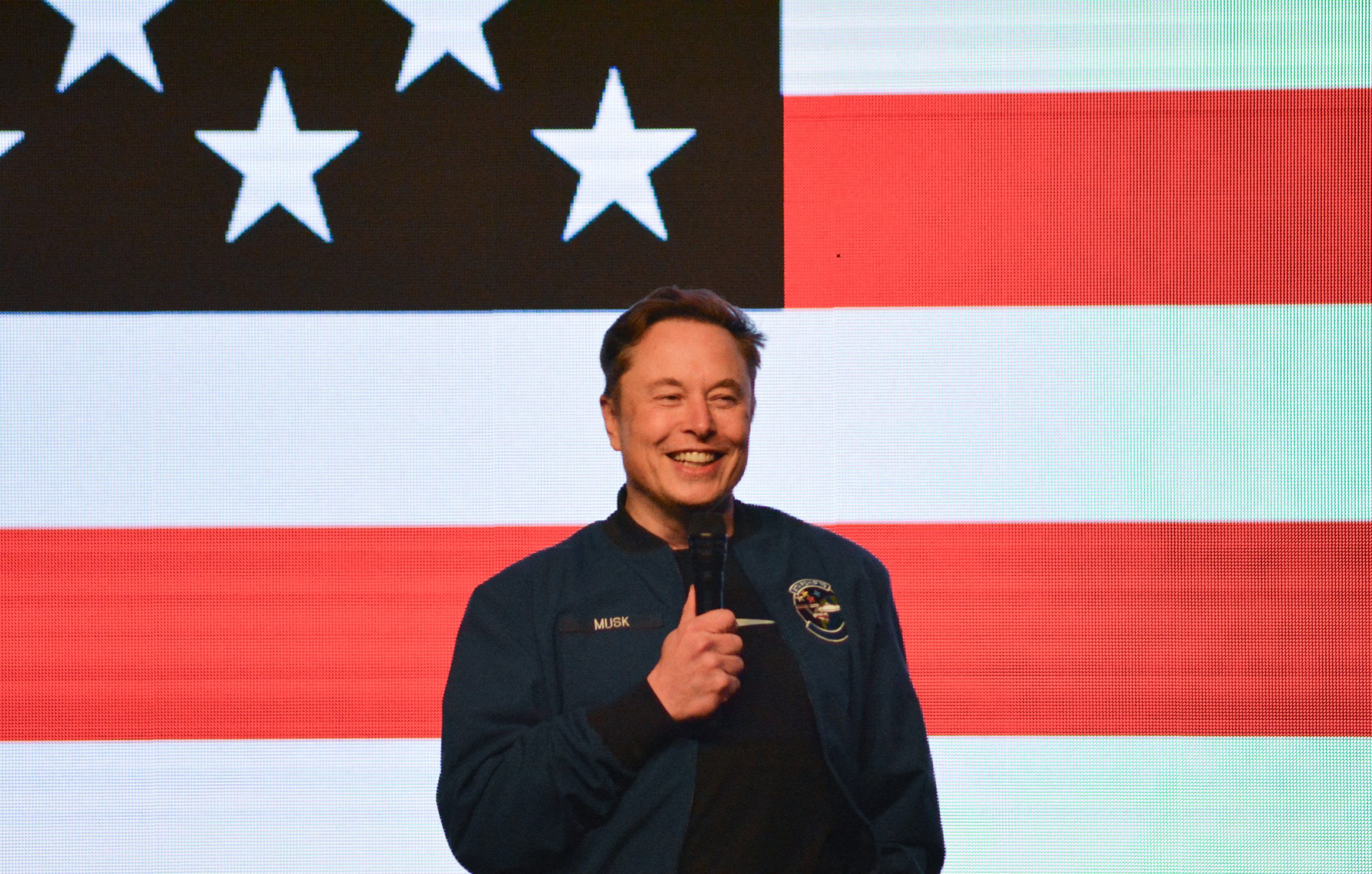
Elon Musk’s xAI, founded in 2023, also counts former OpenAI talent among its ranks, with Kyle Kosic initially joining as co-founder and infrastructure lead before returning to OpenAI. xAI’s Grok chatbot is a direct competitor in the conversational AI space, and its integration with Musk’s broader X (formerly Twitter) ecosystem signals ambitions to reshape social media and information access. The company’s reported acquisition by SpaceX, pushing its valuation to $1.25 trillion, underscores the audacious scale of its aspirations.
Transforming Enterprise and Business Operations
Many alumni are leveraging their AI expertise to revolutionize enterprise solutions. Adept AI Labs, co-founded by David Luan (former OpenAI engineering VP), focuses on building AI tools to assist employees across various tasks. Though Luan later moved to Amazon to lead its AI agents lab, the initial success of Adept, which raised $350 million at a valuation exceeding $1 billion, highlights the demand for such applications.
Cresta, founded by early OpenAI member Tim Shi, is an AI contact center startup that has raised over $270 million from top-tier VCs. It applies advanced AI to enhance customer service operations, demonstrating the practical application of AGI principles in specific business verticals. Similarly, Kindo, co-founded by Margaret Jennings, aims to provide secure AI chatbot solutions for enterprises, having raised over $27 million.
Other ventures like Applied Compute, founded by Rhythm Garg, Linden Li, and Yash Patil, secured $20 million to help enterprises train and deploy custom AI agents. Worktrace AI, launched by Angela Jiang, focuses on using AI to streamline business operations and automate workflows, attracting backing from OpenAI’s startup fund and key OpenAI figures. Even seemingly traditional businesses are getting an AI overhaul; Pilot, co-founded by Jeff Arnold (former OpenAI head of operations), leverages AI for accounting services for startups, achieving a $1.2 billion valuation.
Advancing Robotics and Manufacturing
The intersection of AI and robotics is another fertile ground for alumni innovation. Covariant, founded by Pieter Abbeel, Peter Chen, and Rocky Duan, all former OpenAI research scientists, develops foundation AI models for robots. The company’s talent was later acquired by Amazon, reflecting the tech giant’s strategic interest in this domain. Daedalus, co-founded by Jonas Schneider (former lead of OpenAI’s robotics team), is building advanced factories for precision components, marrying AI with manufacturing processes and securing $21 million in funding. Prosper Robotics, founded by Shariq Hashme, is focused on developing home robot assistants, tapping into the burgeoning market for personal robotics.
Innovating in Science, Education, and Climate
Beyond core business applications, OpenAI alumni are also channeling their skills into broader societal challenges. Periodic Labs, co-founded by Liam Fedus (former OpenAI VP of post-training research), aims to automate scientific discovery, particularly in material science, with a staggering $300 million seed round from investors including Jeff Bezos. Eureka Labs, Andrej Karpathy’s (founding OpenAI research scientist and former Tesla Autopilot lead) latest venture, is building AI teaching assistants, seeking to transform education through personalized learning.
Addressing climate change, Living Carbon, co-founded by Maddie Hall, is engineering plants to enhance carbon sequestration, demonstrating how advanced biological and AI research can be combined for environmental impact.
Research and Emerging Paradigms
Some alumni ventures are delving back into fundamental research or exploring new AI paradigms. StemAI (rebranded as Softmax), founded by Emmett Shear (OpenAI’s interim CEO during the brief leadership crisis), is a research company backed by Andreessen Horowitz, indicating a focus on pushing the boundaries of AI capabilities. Thinking Machines Lab, launched by Mira Murati (OpenAI’s CTO who briefly departed), aims to build more "customizable" and "capable" AI, focusing on fine-tuning language models via API, though it recently saw two co-founders return to OpenAI, highlighting the fluid talent landscape.
Furthermore, several former OpenAI employees are operating in stealth mode, indicating a pipeline of future AI innovations yet to be unveiled, as evidenced by researchers like Danilo Hellermark and Lucas Negritto.
The Broader Impact and Future Outlook
The proliferation of OpenAI alumni-led startups signifies a crucial phase in the evolution of artificial intelligence. This "brain drain" from OpenAI, rather than weakening the parent company, has effectively broadened its ecosystem, disseminating its foundational expertise and accelerating innovation across the industry. The collective impact is multifaceted: it fosters intense competition, drives diverse applications of AI, and ensures a dynamic marketplace of ideas.
However, this rapid expansion also presents challenges. The sheer volume of well-funded AI startups could lead to market saturation in certain areas, intense talent wars, and increased scrutiny over ethical AI development. The focus on safety, as championed by Anthropic and SSI, underscores a growing awareness within the AI community of the profound responsibilities accompanying powerful technology.
The future relationship between OpenAI and its former employees will be complex, characterized by both rivalry and indirect collaboration. Some alumni may eventually return to OpenAI, bringing back fresh perspectives and external market experience, as seen with Kyle Kosic and the co-founders of Thinking Machines Lab. Others will continue to forge independent paths, becoming formidable competitors or critical partners in the broader AI landscape.
Ultimately, the emergence of this "OpenAI Mafia" is more than just a trend; it’s a testament to the transformative power of a singular organization to inspire and empower a generation of entrepreneurs. As these ventures mature, they are poised to shape the technological and societal fabric of the coming decades, extending OpenAI’s legacy far beyond its own corporate walls and into every corner of the global economy.