Amir Mahmud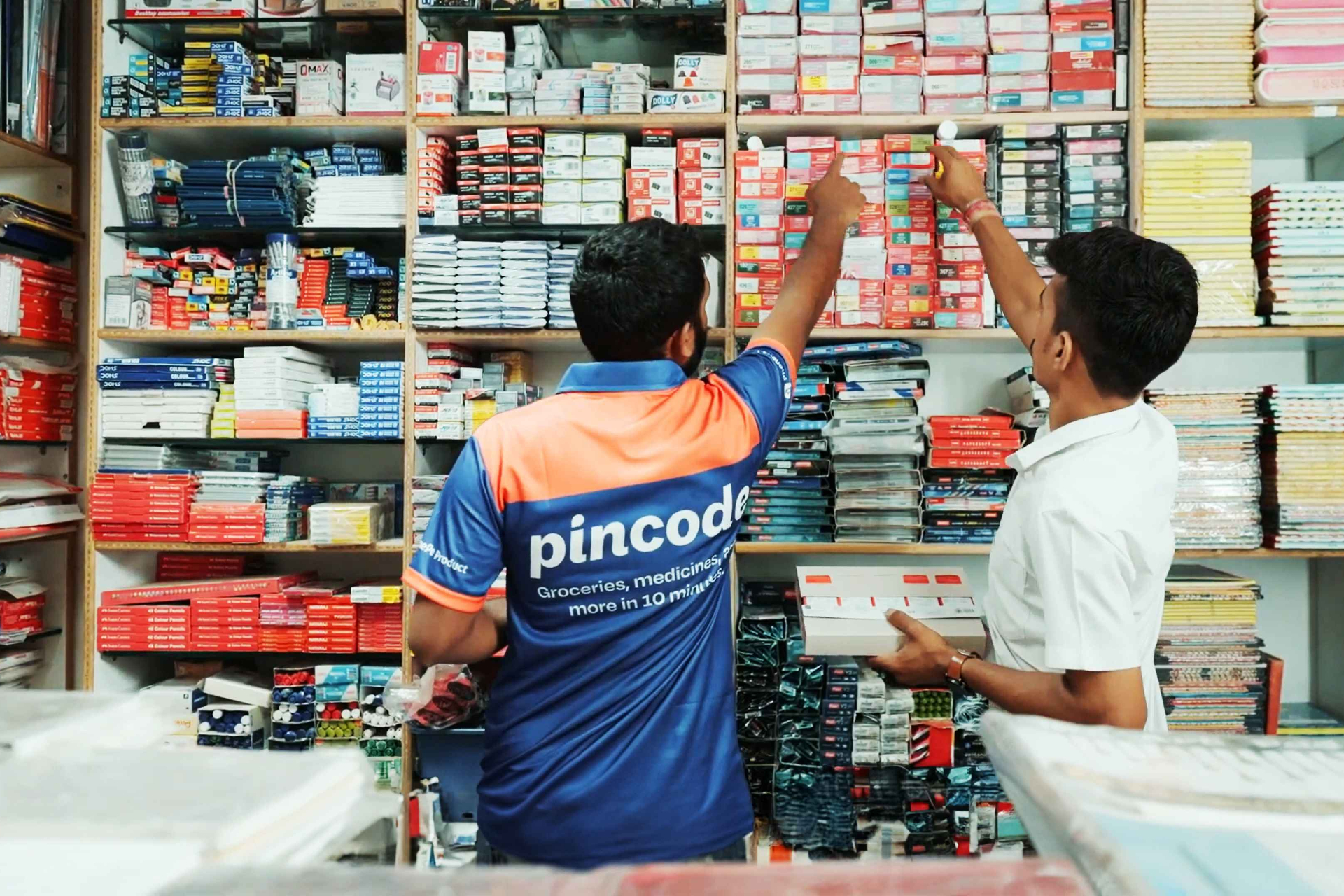
In a significant strategic realignment within India’s intensely competitive digital landscape, PhonePe, the fintech giant backed by Walmart, has announced the discontinuation of its consumer-facing e-commerce application, Pincode. This move signals a deliberate pivot away from direct-to-consumer retail, redirecting the company’s formidable resources toward bolstering its business-to-business (B2B) services for offline merchants across the nation. The decision underscores a broader industry trend of companies refining their core competencies amidst the challenging economics of India’s fast-growing, yet often capital-intensive, digital markets.
A Strategic Reassessment
The winding down of Pincode, which offered hyperlocal deliveries of groceries, medicines, food, electronics, and home décor, marks PhonePe’s latest retreat from the direct e-commerce segment. Sameer Nigam, PhonePe’s founder and group CEO, openly acknowledged that operating a consumer quick-commerce app had become a "distraction" from the company’s foundational commitment to supporting India’s vast network of small retailers. Instead, PhonePe’s renewed focus will be on equipping these businesses with tools to "achieve operational efficiency, improved margins and visibility," he stated, highlighting this as the company’s primary objective going forward. This strategic recalibration arrives as PhonePe prepares for a highly anticipated public listing in India, aiming for a mid-2026 debut, and seeks to solidify its business model beyond its dominant position in the Unified Payments Interface (UPI) ecosystem.
PhonePe’s E-commerce Journey: A Retrospective
PhonePe’s foray into e-commerce is not a recent endeavor, nor is Pincode its first experiment in this space. The company, originally spun off from Flipkart, itself an e-commerce behemoth, has a history of exploring various digital retail avenues. In 2019, PhonePe launched "Switch," an ambitious super-app layer integrated within its main payments application. Switch aimed to provide users with seamless access to a multitude of services, including food delivery, grocery shopping, travel bookings, and other retail options, all accessible without leaving the PhonePe environment. This initiative was part of a wider industry trend attempting to replicate the success of "super apps" seen in markets like China, where platforms offer a comprehensive suite of digital services. While Switch allowed PhonePe to test the waters of various consumer-facing digital services, it primarily functioned as an aggregator, connecting users to third-party applications rather than building out its own logistics and inventory infrastructure.
The experience gained from Switch, coupled with the evolving digital landscape, likely informed the subsequent launch of Pincode in April 2023. Pincode represented a more direct and substantial commitment to e-commerce, built upon the Indian government-backed Open Network for Digital Commerce (ONDC). The initial vision for Pincode was expansive, aiming to bring neighborhood shops online and offer a wide array of products. It commenced operations in Bengaluru, a hub of technological innovation and early digital adoption, and quickly expanded its footprint to other major Indian cities. However, the journey was marked by rapid adjustments. Within a little over a year of its launch, Pincode significantly pared down its offerings, exiting most categories except food. Earlier this year, it further refined its model, shifting to a quick-commerce service, promising 10-minute deliveries through local kirana stores and retailers in key metropolitan areas. This included the expansion into 10-minute medicine deliveries in specific cities, showcasing PhonePe’s agility in adapting to market demands and competitive pressures. Yet, even these agile shifts proved insufficient to carve out a sustainable niche in a segment saturated with well-funded competitors.
The Lure and Limits of Quick Commerce
India’s quick commerce sector has witnessed explosive growth, fueled by increasing urbanization, rising disposable incomes, and a consumer base demanding instant gratification. Companies like Swiggy Instamart, Zomato-owned Blinkit, and Zepto have invested heavily in establishing "dark stores"—small warehouses strategically located within urban areas—to facilitate rapid deliveries. This model allows for optimized inventory management and faster fulfillment times, giving these players a significant edge in speed and efficiency. The market is characterized by intense competition, aggressive pricing strategies, and substantial marketing expenditures, all contributing to high customer acquisition costs and often razor-thin profit margins.
Pincode attempted to differentiate itself by leveraging existing local shops and retail stores for its quick deliveries, a model that contrasted sharply with its rivals’ reliance on dark stores. While this approach held the promise of empowering traditional retail and potentially reducing capital expenditure on new infrastructure, it also introduced complexities. Integrating numerous independent kirana stores into a seamless quick-commerce network presented challenges in terms of inventory standardization, real-time stock updates, order fulfillment consistency, and last-mile delivery logistics. Ensuring a consistent customer experience and meeting stringent 10-minute delivery promises across a diverse network of small, independent merchants proved to be a formidable operational hurdle. The inability to gain significant traction despite these strategic shifts ultimately led PhonePe to conclude that direct consumer quick commerce, at least in its current form, was not aligned with its long-term vision.
Leveraging the ONDC Framework
Pincode’s foundation on the Open Network for Digital Commerce (ONDC) was a notable aspect of its strategy. ONDC is an ambitious initiative by the Indian government aimed at democratizing e-commerce by creating an open-source protocol that connects buyers, sellers, and logistics providers, effectively breaking down the monopolistic tendencies of large platforms. The idea is to enable interoperability and foster a more inclusive digital commerce ecosystem. PhonePe’s early adoption of ONDC for Pincode demonstrated its commitment to government-backed digital initiatives and its belief in the network’s potential.
The shutdown of Pincode, however, does not necessarily signify a failure of ONDC itself. Rather, it highlights the challenges individual participants face in executing their business models within any framework, no matter how promising. While ONDC provides the rails, the commercial viability and operational execution remain the responsibility of the businesses operating on it. PhonePe’s decision could be interpreted as a strategic choice to utilize its ONDC experience to build B2B tools, rather than a consumer-facing app, thereby still contributing to the network’s broader goals of digitizing merchants and enabling seamless transactions. The insights gained from Pincode’s operations on ONDC will undoubtedly inform PhonePe’s future B2B offerings, especially in integrating small merchants into digital supply chains.
A Pivot to B2B: Empowering India’s Retail Backbone
With the discontinuation of Pincode, PhonePe is now channeling its efforts into expanding its B2B offerings, specifically targeting India’s vast and resilient network of offline retailers. This strategic pivot is a natural evolution for PhonePe, which has already established deep relationships with millions of merchants through its dominant UPI payments platform. The company’s QR codes are ubiquitous across India, from bustling urban markets to remote village shops, forming a foundational trust layer with small businesses.
PhonePe’s existing B2B portfolio includes inventory and order-management tools, as well as various enterprise resource planning (ERP) software solutions tailored for small businesses. It also provides direct sourcing and replenishment services in certain product categories. The experience with Pincode, which reportedly digitized over 1,000 local stores across multiple cities, giving them access to digital storefronts, inventory tools, and last-mile delivery services, provides a solid base for this expansion. Vivek Lohcheb, CEO of Pincode, articulated this new direction, stating, "As part of this strategic decision, we will now focus the entire Pincode team’s resources towards accelerating the build-out and scale-up of a suite of B2B business solutions for offline businesses across India."
This shift positions PhonePe not as a competitor to these local shops, but as an enabler. By offering robust digital tools, PhonePe can help kirana stores and other small businesses streamline their operations, manage inventory more effectively, access wider markets, and enhance their overall efficiency and profitability. This model aligns with a global trend where technology companies empower traditional businesses to thrive in the digital age, providing the "picks and shovels" for the digital gold rush. For PhonePe, it represents a less capital-intensive, potentially higher-margin business avenue that leverages its existing merchant network and technological prowess.
The Road Ahead: IPO and Ecosystem Expansion
The strategic pivot also comes at a crucial juncture for PhonePe as it gears up for its highly anticipated public listing in India. The company, having completed its separation from Flipkart nearly three years ago, filed draft papers with the Securities and Exchange Board of India through a confidential pre-filing route in September, targeting a mid-2026 listing. For potential investors, a clear, focused, and scalable business model is paramount. Divesting from a capital-intensive, competitive, and often low-margin consumer e-commerce venture allows PhonePe to present a more streamlined narrative centered on its profitable payments business and the high-growth potential of its B2B merchant solutions.
PhonePe’s ambition extends beyond being merely the country’s dominant payments app on UPI. The company aims to build a comprehensive digital ecosystem that serves both consumers and businesses across various financial and commercial needs. Its B2B expansion can create deeper engagement with merchants, fostering loyalty and potentially opening doors for cross-selling other financial products and services, such as lending, insurance, or wealth management, directly to small business owners. This integrated approach could solidify PhonePe’s position as a foundational digital partner for millions of Indians, driving sustainable growth and enhancing its valuation ahead of its IPO. The company’s silence on the detailed performance of Pincode and the exact timing of its shutdown, while typical for companies undergoing strategic shifts, underscores the decisive nature of this pivot. Ultimately, PhonePe is betting that by focusing on enabling the backbone of India’s retail economy, it can forge a more sustainable and profitable path forward.