Amir Mahmud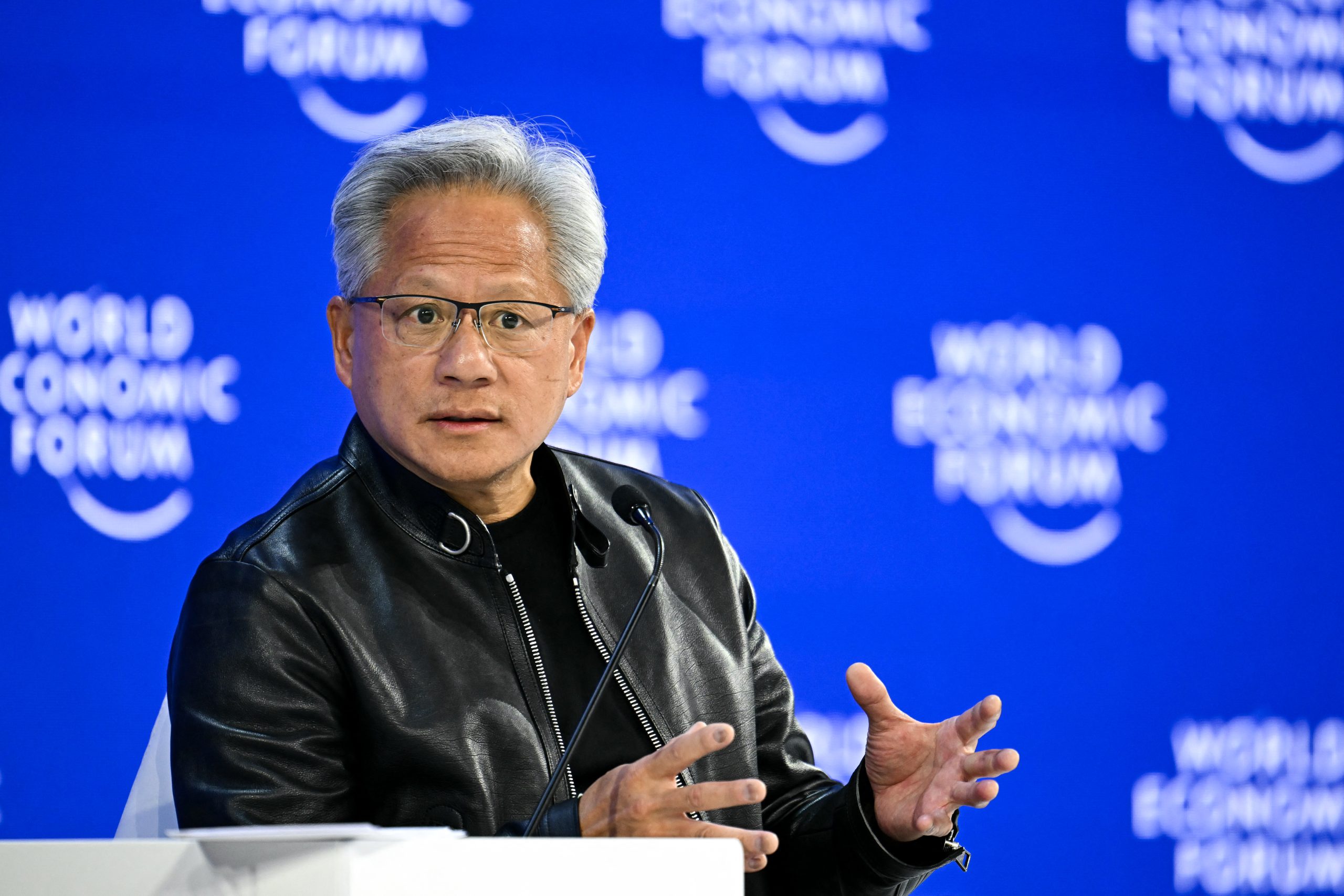
The latest annual gathering of the World Economic Forum (WEF) in Davos, Switzerland, concluded with a palpable shift in its traditional discourse, one that underscored the profound influence of technology on global priorities. This year’s event, customarily a crucible for discussions on geopolitics, economic policy, and humanitarian crises, saw artificial intelligence (AI) emerge as the undisputed focal point, overshadowing long-standing concerns such as climate change and global poverty. The transformation was not merely thematic; it was physically evident, with tech behemoths like Meta and Salesforce prominently occupying storefronts along the main promenade, a clear departure from the more understated presence of previous years.
The Genesis of Global Dialogue: A Brief History of Davos
To fully appreciate the recent metamorphosis, it is crucial to understand the origins and evolution of the World Economic Forum. Founded in 1971 by Klaus Schwab, a German-born engineer and economist, the organization was initially conceived as the European Management Forum. Its inaugural meeting, held in Davos, a picturesque ski resort town in the Swiss Alps, brought together European business leaders to discuss how to adopt American management practices. The vision was to foster a global mindset among business executives, promoting collaboration across borders and industries.
Over the decades, the forum’s scope expanded significantly. In 1987, it was renamed the World Economic Forum, reflecting its growing international reach and the broadening of its agenda beyond purely economic concerns. The annual meeting in Davos became an exclusive gathering point for heads of state, prime ministers, CEOs of multinational corporations, leaders of international organizations, academics, and prominent figures from civil society. Its mission evolved to "improve the state of the world" by engaging political, business, cultural, and other leaders of society to shape global, regional, and industry agendas.
Throughout the late 20th and early 21st centuries, Davos gained a reputation as a unique platform for informal diplomacy, networking, and the exchange of ideas on pressing global challenges. Topics like globalization, free trade, sustainable development, health pandemics, and geopolitical conflicts consistently dominated the discussions. The forum aimed to bridge divides, foster understanding, and catalyze initiatives addressing complex, interconnected issues that transcended national borders.
The Slow Infiltration: Tech’s Ascent to the Main Stage
While technology has always played a role in shaping the global economy and society, its direct influence on the Davos agenda has been a gradual, yet accelerating, process. In the early days, discussions might have touched upon industrial innovation or infrastructure development. The rise of personal computing in the 1980s and the advent of the internet in the 1990s marked the initial waves of tech’s impact, primarily discussed as tools for economic growth or as new industries to regulate.
The dot-com boom and bust at the turn of the millennium brought a new cohort of tech entrepreneurs and investors to the fore, signaling the growing financial power of the sector. However, these figures often remained on the periphery, seen as disruptors rather than integral parts of the global establishment that Davos typically represented. Over time, as companies like Microsoft, Apple, Google, and Amazon achieved unprecedented market capitalization and societal penetration, their leaders began to command more attention.
The 2010s saw the digital transformation accelerate across all sectors, making technology an unavoidable topic. Discussions shifted from "how to regulate tech" to "how tech is fundamentally changing everything." The rise of social media, the gig economy, and the proliferation of smartphones meant that technological innovation was no longer confined to specialized panels but began to permeate discussions on labor markets, governance, privacy, and even democracy. Tech leaders, once outsiders, became indispensable voices, their perspectives sought after on everything from economic growth to societal cohesion. The visible corporate branding of tech giants at Davos storefronts in recent years, as noted in the latest meeting, symbolizes this complete integration – a physical manifestation of their pervasive influence.
AI Takes Command: The 2024 Davos Dialogue
The most recent WEF meeting distinguished itself by positioning artificial intelligence not merely as a significant topic, but as the overarching theme that framed almost every other discussion. While climate change, global poverty, and geopolitical tensions remained on the agenda, they often served as backdrops against which the potential and perils of AI were debated.
CEOs of major technology firms and AI startups were particularly vocal, engaging in candid and often provocative discussions. There was widespread public criticism of prevailing trade policies, particularly those impacting the technology sector, with some leaders advocating for more open cross-border collaboration while others warned against the dangers of protectionism stifling innovation. The specter of an "AI bubble" was also frequently raised, echoing historical anxieties about speculative market surges, prompting discussions on sustainable growth models and realistic valuations within the rapidly expanding AI landscape.
Beyond economic concerns, the conversations delved deep into the societal implications of AI. Participants explored the transformative potential of advanced AI systems in fields ranging from healthcare and scientific research to education and creative industries. Simultaneously, there were robust debates about the ethical frameworks necessary to govern AI development, the potential for job displacement across various sectors, and the imperative to ensure equitable access to AI’s benefits while mitigating its risks. The dialogue highlighted a collective recognition that AI is not just another technological advancement, but a foundational shift that will redefine human interaction, economic structures, and geopolitical power dynamics. The outspoken nature of the industry leaders underscored a growing sense of responsibility—and perhaps, urgency—to shape the trajectory of this powerful technology.
Market, Social, and Cultural Reverberations of AI Dominance
The pronounced focus on AI at Davos reflects its profound and multifaceted impact on global markets, societies, and cultures. Economically, AI is projected to add trillions of dollars to the global economy in the coming decade, driving unprecedented productivity gains and creating new industries. This potential fuels intense competition among nations and corporations, leading to massive investments in research, development, and infrastructure. The market’s excitement is palpable, but so are the concerns about market concentration, monopolistic tendencies, and the equitable distribution of wealth generated by AI.
Socially, AI’s implications are equally transformative. While it promises breakthroughs in medicine, personalized education, and environmental monitoring, it also presents formidable challenges. The automation of tasks through AI raises legitimate fears about large-scale job displacement, necessitating urgent discussions about workforce reskilling, universal basic income, and new social safety nets. Ethical considerations surrounding AI bias, privacy, surveillance, and autonomous decision-making are no longer abstract philosophical debates but immediate, practical concerns demanding robust regulatory frameworks and international cooperation.
Culturally, AI is already reshaping how we create, communicate, and perceive reality. From generative AI creating art and music to sophisticated algorithms influencing media consumption and political discourse, the technology is blurring the lines between human and machine creativity, raising questions about authenticity, intellectual property, and the very nature of human agency. The cultural impact extends to how societies trust information, interact with digital entities, and adapt to increasingly intelligent systems embedded in daily life. This pervasive influence means that any global forum seeking to address the "state of the world" must now place AI at the core of its agenda.
Neutral Analytical Commentary: Davos’s Evolving Mandate
The prominent role of AI at the World Economic Forum prompts critical reflection on the institution’s evolving mandate. Is Davos, traditionally a forum for broad global challenges, becoming overly specialized, or is it merely adapting to the undeniable reality that technology is now the primary driver and shaper of these very challenges?
One perspective suggests that this shift is a necessary modernization. In an increasingly interconnected and technologically driven world, ignoring the profound implications of AI would render the forum irrelevant. If AI is poised to disrupt labor markets, reshape geopolitical power, and offer solutions (or create new problems) for climate change and poverty, then placing it center stage is not just appropriate but imperative. From this viewpoint, Davos is merely reflecting the contemporary landscape where tech giants wield economic and societal influence comparable to, or even exceeding, that of nation-states.
Conversely, some might argue that an excessive focus on a single technological domain risks diluting the forum’s original, broader mission. Traditional topics like climate change, global health, and humanitarian crises require attention irrespective of technological solutions. There’s a danger that the allure of "cutting-edge" tech might distract from fundamental, often intractable, socio-political issues that demand human-centric, rather than purely technological, interventions. The challenge for Davos, therefore, is to integrate technological discussions deeply into broader societal contexts, ensuring that AI is viewed not as a standalone phenomenon, but as a powerful tool (or threat) that must be managed within a holistic framework of human values and global equity. The forum must strive to maintain a delicate balance, leveraging technological insights while rigorously scrutinizing their ethical, social, and environmental consequences. The outspoken criticism of trade policy and warnings about AI bubbles indicate a growing awareness among participants of the need for balanced, responsible innovation.
The Future of Global Governance in a Tech-Dominated Era
The transformation witnessed at Davos signals a new era for global governance and problem-solving. The forum’s shift towards a tech-centric agenda reflects a broader realization that many of the world’s most pressing issues—from economic inequality to climate resilience—are now inextricably linked to technological advancement and its responsible deployment. As AI continues its rapid evolution, discussions at high-profile gatherings like Davos will increasingly grapple with questions of international AI governance, data sovereignty, digital ethics, and the role of corporations in shaping public policy.
This paradigm shift underscores the growing influence of non-state actors, particularly technology companies, in shaping global discourse and outcomes. Their innovations, market power, and access to vast datasets position them as crucial stakeholders in addressing complex challenges. However, it also highlights the urgent need for robust regulatory frameworks, transparent accountability mechanisms, and inclusive dialogues that ensure technological progress serves humanity’s collective well-being rather than exacerbating existing inequalities or creating new forms of digital divide. The future of Davos, and indeed of global cooperation, will depend on its ability to foster a collaborative environment where technological prowess is harmonized with a deep commitment to ethical considerations and societal betterment.