Amir Mahmud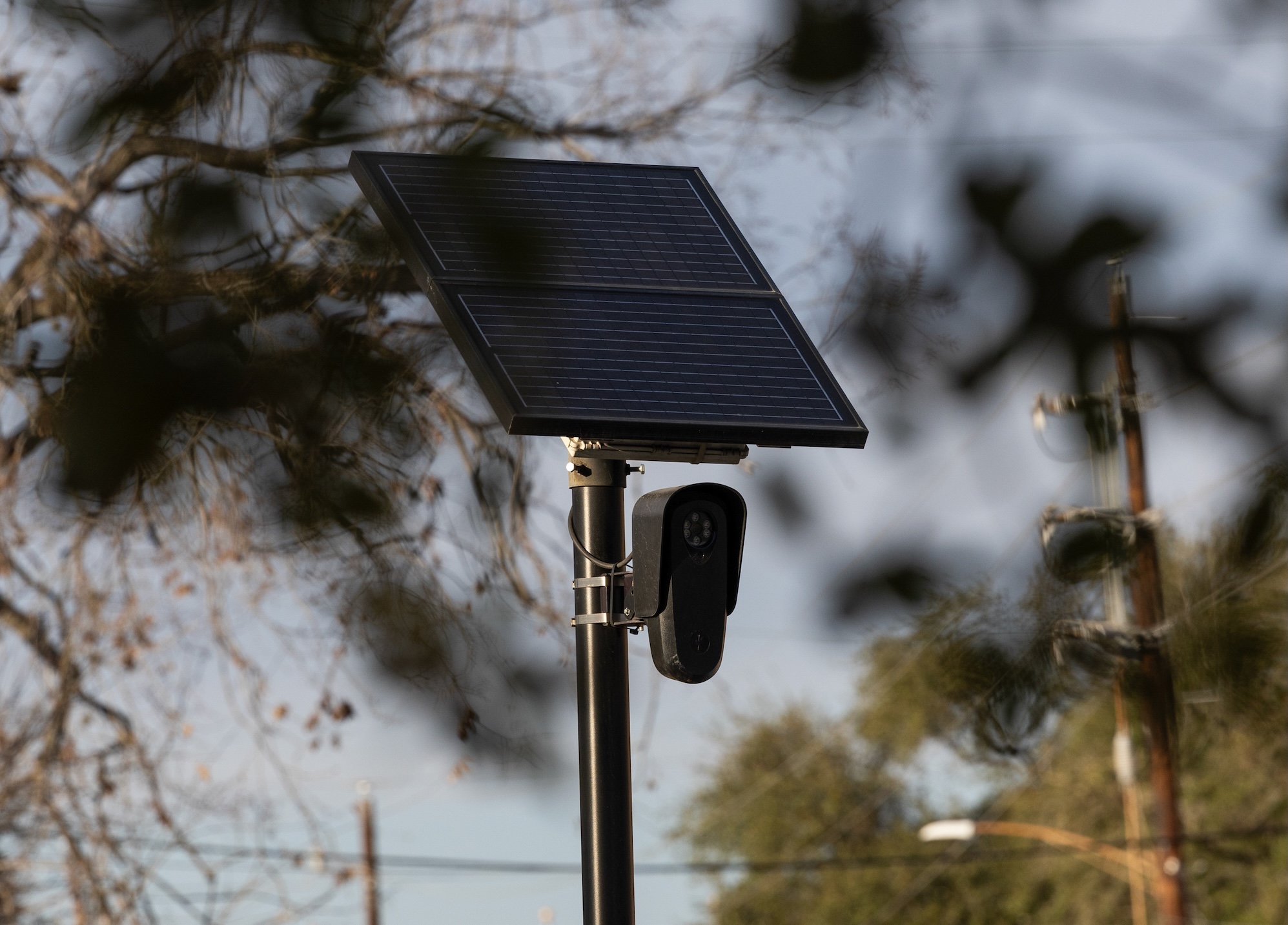
A discernible trend of physical resistance is emerging across the United States, targeting surveillance cameras deployed by Flock Safety. This surge in vandalism reflects a deepening public anger, fueled by pervasive privacy concerns and specific allegations that the automated license plate readers (ALPRs) facilitate data sharing with U.S. immigration authorities, potentially aiding deportations. The escalating conflict underscores a critical juncture where technological advancement in public safety intersects with civil liberties and community trust.
Flock Safety’s Pervasive Network
Headquartered in Atlanta, Flock Safety has rapidly ascended as a prominent player in the surveillance technology sector, achieving a valuation of $7.5 billion just a year ago. The company specializes in a suite of surveillance tools, most notably its extensive network of ALPRs. Beyond license plate readers, Flock Safety’s offerings include camera-equipped drones, gunshot detection devices, and sophisticated software designed to integrate and analyze the vast amounts of data collected. The company boasts an impressive reach, with over 6,000 customers spanning law enforcement agencies, homeowners’ associations, and businesses in nearly every U.S. state, excluding Alaska. Estimates from projects like "DeFlock," dedicated to mapping ALPRs, suggest the presence of close to 80,000 Flock cameras nationwide, forming a dense web capable of tracking vehicular movement across vast geographies. These devices are typically mounted on poles, buildings, or traffic lights, capturing images of license plates and vehicle characteristics, which are then fed into a centralized database. The company markets its technology as a crucial tool for crime deterrence, aiding in the investigation of everything from stolen vehicles to Amber Alerts, thereby enhancing public safety and security.
The Immigration Data Nexus
Despite Flock Safety’s public assertions that it does not directly share data with U.S. Immigration and Customs Enforcement (ICE), reports indicate a more complex reality. Local police departments, acting as direct customers of Flock Safety, have reportedly shared their access to the camera network and its associated databases with federal immigration authorities. This indirect data pipeline has ignited significant controversy, especially in the context of the Trump administration’s heightened focus on immigration enforcement and its increased reliance on data-driven strategies for raids and deportations. For many, this perceived collaboration between local law enforcement, private surveillance companies, and federal immigration agencies represents a profound breach of trust and a direct threat to civil liberties, particularly within immigrant communities. The concern is that data collected for general public safety purposes could be repurposed to identify and target individuals for immigration enforcement, creating a chilling effect on freedom of movement and daily life for undocumented residents and even citizens in mixed-status families.
Historically, the debate over surveillance technologies has often revolved around the balance between security and privacy. However, the involvement of immigration enforcement introduces an additional layer of complexity, intertwining the discussion with issues of human rights, community integration, and federal versus local jurisdiction. This dynamic has amplified the scrutiny on companies like Flock Safety, pushing them into the uncomfortable intersection of technological innovation and contentious social policy.
Direct Action: Vandalism as Protest
The rising discontent is manifesting not only in public debates and calls for policy changes but also in direct, often destructive, acts against the surveillance infrastructure itself. Communities are moving beyond simply urging their local governments to terminate contracts with Flock Safety; some individuals are taking matters into their own hands, targeting the physical cameras.
One notable instance occurred in La Mesa, California. Weeks after the city council voted to continue the deployment of Flock cameras, despite significant public opposition at the meeting, several devices were found broken and smashed. Local reports detailed strong resident concerns over privacy, arguing that the technology constituted an unwarranted intrusion into their daily lives. These acts of vandalism, while illegal, symbolize a profound frustration with perceived governmental unresponsiveness and a desperate attempt to reclaim personal privacy.
Similar incidents have been documented across various states, indicating a widespread, albeit decentralized, movement of resistance. In Oregon, for example, six license plate scanning cameras were severed from their poles, with at least one also defaced with spray paint. A note discovered at the base of the damaged poles explicitly articulated the sentiment behind the acts: "Hahaha get wrecked ya surveilling fucks." This defiant message underscores the visceral opposition many feel towards ubiquitous surveillance. Further reports detail similar acts of vandalism stretching from California to Connecticut, Illinois, and Virginia, suggesting a nationwide pattern of physical pushback.
These acts of direct action are often accompanied by, or inspired by, organized efforts to counter the expansion of surveillance. Projects like "DeFlock" not only map the locations of these cameras but also serve as a hub for information and advocacy, empowering communities to understand and resist the technology. While some communities resort to vandalism, others have successfully lobbied their cities to reject new Flock contracts outright. Furthermore, some police departments, recognizing the political and social sensitivities, have proactively blocked federal authorities, including ICE, from accessing their Flock resources, demonstrating an internal acknowledgment of the controversy and an attempt to mitigate its impact on community relations.
The Broader Debate: Privacy Versus Public Safety
The conflict surrounding Flock Safety cameras is a microcosm of a larger, ongoing societal debate concerning the appropriate balance between public safety and individual privacy in an increasingly digitized world. Proponents of ALPR technology, primarily law enforcement agencies, argue that these cameras are invaluable tools for crime prevention and investigation. They cite numerous instances where ALPR data has led to the apprehension of criminals, the recovery of stolen vehicles, and the location of missing persons. From this perspective, the technology provides an undeniable advantage in deterring illicit activities and ensuring community security. The vast datasets generated, they contend, are crucial for identifying patterns, tracking suspects, and responding efficiently to emergencies.
However, civil liberties advocates and privacy proponents raise significant alarms. They argue that the widespread deployment of ALPRs creates a de facto mass surveillance system, transforming public spaces into constantly monitored environments. Every vehicle’s movement, whether belonging to a suspect or an innocent citizen, is recorded, stored, and potentially analyzed. This creates a detailed digital footprint of individuals’ daily lives, raising concerns about the potential for misuse, mission creep, and the erosion of fundamental rights. The fear is that such comprehensive data could be used to target political dissidents, track journalists, or disproportionately impact marginalized communities. The concept of a "chilling effect" is often invoked, suggesting that constant surveillance can deter individuals from exercising their rights to free assembly or expression, knowing their movements are being cataloged.
The market for surveillance technology, driven by both governmental and private security needs, continues to expand rapidly. This growth often outpaces the development of robust legal and regulatory frameworks designed to govern the collection, storage, and sharing of such sensitive data. Current laws may not adequately address the intricate web of private-public partnerships that characterize the modern surveillance landscape, leaving significant gaps in accountability and oversight. The analytical commentary often highlights this legislative lag, pointing to the urgent need for clear policies that protect privacy while acknowledging legitimate security concerns.
Navigating the Future of Surveillance
The ongoing destruction of Flock Safety cameras serves as a stark indicator of escalating public frustration and a desperate plea for greater control over personal data and privacy. It highlights a deep-seated distrust in how technology, ostensibly deployed for public good, can be repurposed or indirectly accessed for other, more contentious, objectives. For companies like Flock Safety, this presents a significant challenge: how to balance their business model and perceived public safety mission with the imperative of maintaining community trust and addressing profound ethical concerns.
The trajectory of this conflict remains uncertain. Will acts of physical resistance continue to proliferate, or will the primary battleground shift towards legislative and policy reforms? The call for increased transparency and accountability from both technology providers and law enforcement agencies is growing louder. Communities demand clear guidelines on data retention, access protocols, and oversight mechanisms to prevent abuse.
Ultimately, the unfolding saga of Flock Safety cameras represents a critical juncture in society’s adoption of pervasive surveillance technologies. It forces a fundamental re-evaluation of the social contract between citizens and the state, and between individuals and the corporations that mediate their digital existence. As technology continues to advance, the tension between security and privacy will only intensify, making the development of ethical guidelines, robust regulations, and public dialogue more crucial than ever before.