Amir Mahmud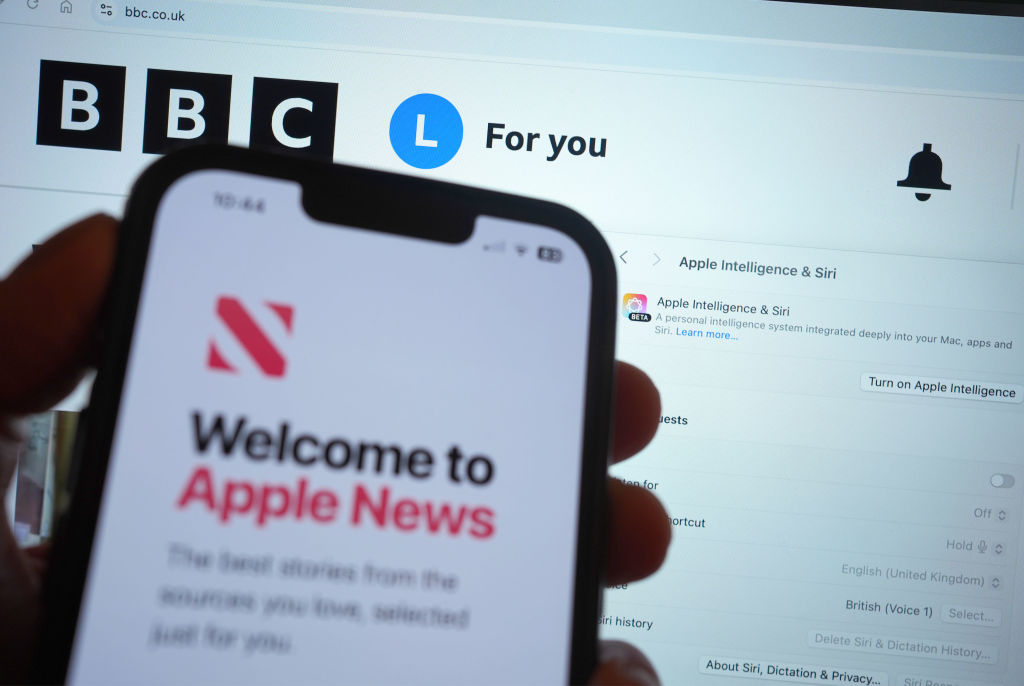
The U.S. Federal Trade Commission (FTC) has formally voiced significant concerns regarding allegations that Apple is engaging in censorship of conservative viewpoints within its widely utilized Apple News application. This move escalates the ongoing governmental examination of content moderation practices across major technology platforms, particularly those with substantial influence over public discourse and information dissemination.
The Heart of the Allegations
Andrew Ferguson, the chairman of the FTC and a prominent critic of large technology companies, addressed a detailed letter to Apple CEO Tim Cook. This communication directly referenced reports from the Media Research Center (MRC), a conservative media watchdog organization, which contend that Apple News systematically excludes right-leaning news outlets from its prominently featured "top 20 articles" section. The MRC’s analysis suggests a pattern where ideologically conservative sources are underrepresented or entirely absent from these highly visible slots, raising questions about algorithmic neutrality and editorial fairness.
In his correspondence, Ferguson articulated profound reservations, stating that these reports "raise serious questions about whether Apple News is acting in accordance with its terms of service and its representations to consumers." He underscored a personal stance against content censorship driven by ideology, declaring, "I abhor and condemn any attempt to censor content for ideological reasons." While acknowledging the FTC’s lack of direct authority to mandate Apple’s adoption of specific ideological or political positions in its news curation, Ferguson emphasized that if Apple’s operational practices diverge from its stated terms of service or violate the "reasonable expectations of consumers," such conduct could constitute a violation of the FTC Act. This legal framework empowers the FTC to prevent unfair methods of competition and unfair or deceptive acts or practices in commerce.
Reinforcing this regulatory stance, Brendan Carr, the chairman of the Federal Communications Commission (FCC) and another appointee known for his critical view of Big Tech, publicly supported Ferguson’s position. Carr asserted that "Apple has no right to suppress conservative viewpoints in violation of the FTC Act," echoing the sentiment that platform behavior, even in content curation, must adhere to established consumer protection laws.
Apple News: A Digital Newsstand with Broad Reach
Apple News, launched in 2015, serves as a pre-installed application on Apple’s vast ecosystem of devices, including iPhones, iPads, and Macs. It aggregates articles from a diverse array of publishers, presenting them in a streamlined, personalized format for users. The platform combines algorithmic curation, which learns user preferences and trending topics, with human editorial oversight, particularly for its "Top Stories" and curated sections. Its broad distribution across hundreds of millions of devices makes it a significant conduit for news consumption, influencing what a substantial segment of the population reads and perceives as important. Publishers often see Apple News as a crucial channel for reaching new audiences and generating revenue, though the terms of engagement and revenue sharing have occasionally been a point of contention. The power inherent in such a platform to prioritize certain news sources or narratives, whether intentionally or inadvertently through algorithmic design, is at the core of the current regulatory scrutiny.
Historical Context of Tech and Content Moderation
The FTC’s inquiry into Apple News is not an isolated incident but rather a continuation of a broader, intensified examination of content moderation practices across the technology industry. For years, major digital platforms have faced accusations from various political factions regarding perceived bias in their content algorithms and moderation policies. Conservatives, in particular, have frequently alleged that platforms disproportionately suppress right-leaning voices and content, leading to a "shadow banning" or de-platforming effect.
This narrative gained significant traction during the Trump administration. Former President Donald Trump repeatedly accused "Big Tech" companies of censorship and anti-conservative bias, often using his social media platforms to amplify these claims. These accusations frequently targeted companies like Twitter (now X), Facebook (Meta), and Google (Alphabet) over issues ranging from fact-checking to account suspensions. The debate around Section 230 of the Communications Decency Act, which shields online platforms from liability for user-generated content and gives them broad discretion in moderating it, became a focal point of this discussion. Critics, including many conservatives, argued for reforms to Section 230, believing it granted platforms too much power without sufficient accountability.
The relationship between the Trump administration and Apple, while generally less confrontational than with other tech giants, has seen its fluctuations. While Trump publicly criticized Apple for manufacturing its devices primarily in China, pressuring the company to increase domestic production, relations warmed after CEO Tim Cook committed to substantial investments in U.S. manufacturing. Apple’s successful lobbying efforts also helped it avoid planned tariffs on smartphones imported into the U.S. from overseas. This complex interplay highlights the significant economic and political influence wielded by large tech companies and the delicate balance they must strike with governmental bodies.
Previous Regulatory Action and the FTC’s Mandate
The current letter to Apple is built upon earlier initiatives by the FTC under Ferguson’s leadership. The commission had previously launched a broader investigation into "censorship by tech platforms" in the preceding year. That inquiry sought public input from individuals who felt their voices were suppressed due to their political ideologies or affiliations on digital platforms. At the time, Ferguson stated, "Tech firms should not be bullying their users. This inquiry will help the FTC better understand how these firms may have violated the law by silencing and intimidating Americans for speaking their minds." This earlier probe laid the groundwork for the current, more targeted investigation into specific allegations against Apple News.
The FTC’s mandate extends beyond traditional antitrust enforcement to include consumer protection. This means the agency can investigate and act against companies engaging in unfair or deceptive practices. If Apple News explicitly or implicitly assures users and publishers of a neutral, comprehensive, or fair news aggregation service, and its actual practices deviate significantly, especially by systematically de-emphasizing certain political viewpoints, it could be seen as a deceptive practice. The "reasonable expectations of consumers" clause is key here, as many users might assume a major news aggregator aims for journalistic impartiality or at least algorithmic fairness, regardless of political leaning.
The Broader Challenge of Algorithmic Transparency and Bias
The allegations against Apple News underscore the profound challenges inherent in content curation within a digital age dominated by algorithms. While algorithms are designed to personalize user experiences and efficiently sort through vast amounts of information, they are not inherently neutral. Their design reflects the biases, priorities, and data inputs of their creators. An algorithm might inadvertently favor certain types of content (e.g., highly engaging, frequently shared, or from mainstream sources) over others, which could unintentionally lead to the underrepresentation of niche or ideologically distinct outlets.
The debate over "algorithmic bias" extends across various sectors, from hiring tools to credit scoring, but it takes on particular urgency in the context of news and information. The lack of transparency in how these algorithms operate makes it difficult for external observers, including regulators and the public, to ascertain whether perceived biases are deliberate, accidental, or merely a reflection of user behavior and engagement patterns. Calls for greater algorithmic transparency have grown louder, with advocates pushing for platforms to disclose more about their ranking criteria, content moderation policies, and the data used to train their systems.
Market, Social, and Cultural Impact
The implications of alleged content suppression on a platform like Apple News are far-reaching. On a market level, publishers, particularly smaller or ideologically specific ones, depend on these aggregators for traffic and visibility. If certain outlets are systematically marginalized, it can impact their reach, revenue, and overall sustainability, potentially leading to a less diverse media landscape.
Socially and culturally, the concerns touch upon fundamental questions of free speech, information access, and the potential for digital echo chambers. If users are consistently presented with news that aligns with or reinforces a particular worldview, it can limit exposure to alternative perspectives, potentially exacerbating societal polarization. Trust in media institutions and the platforms that distribute them is already at a low point in many parts of the world. Allegations of censorship or bias, regardless of their veracity, further erode this trust, making it harder for the public to discern reliable information from misinformation.
For Apple, a company that prides itself on user experience and brand loyalty, these allegations pose a reputational risk. Maintaining consumer trust, particularly in a product that delivers news, is crucial. If the perception of bias becomes widespread, it could deter users from relying on Apple News, potentially impacting its competitive standing against other news aggregators and social media platforms.
The Path Forward
In his letter, FTC Chairman Ferguson urged Apple to undertake a "comprehensive review" of its terms of service and ensure that the content curation within Apple News is fully consistent with its stated policies. He also called for "swift corrective action" if any inconsistencies are identified. This demand suggests that the FTC is seeking an internal audit and, if necessary, adjustments to Apple’s content management practices rather than immediate punitive measures.
The ball is now in Apple’s court. The company has not yet issued a public response to the FTC’s letter. Their options include conducting the requested review, publicly detailing their content curation processes, engaging in discussions with the FTC, or pushing back against the allegations. Any comprehensive review would likely involve an examination of the algorithms used to rank and recommend articles, the role of human editors in selecting "Top Stories," and the criteria applied to partner publishers. The outcome of this regulatory challenge could set a precedent for how government agencies scrutinize content moderation on major tech platforms, potentially influencing the future of digital news distribution and the ongoing debate over free speech in the online realm.