Amir Mahmud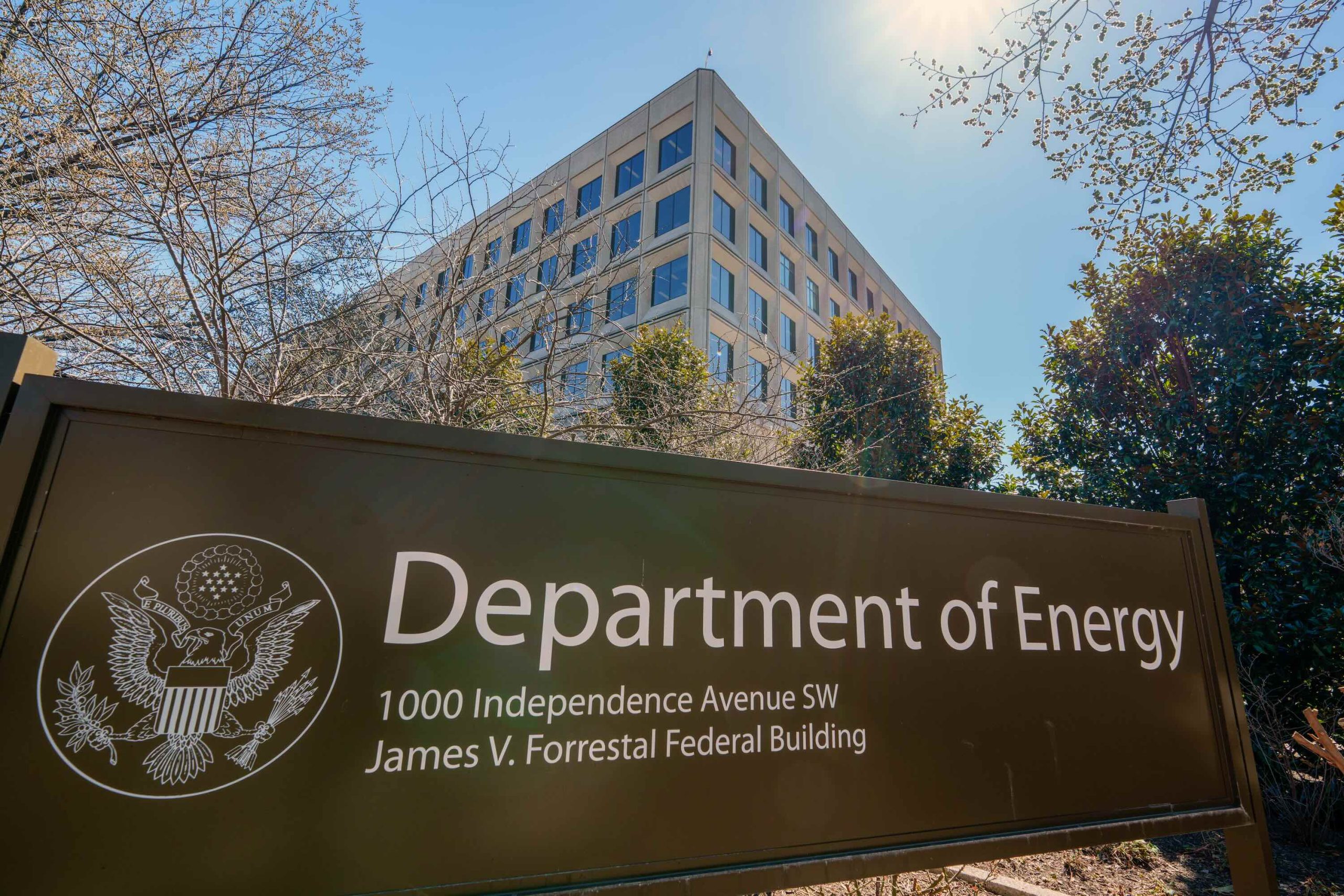
The United States Department of Energy (DOE) has recently unveiled a significant organizational overhaul under the current administration, signaling a pronounced strategic pivot in federal energy priorities. This comprehensive realignment conspicuously diminishes the institutional framework supporting several renewable energy initiatives, concurrently elevating nuclear fusion technology to a distinct, commercialization-focused division. The move, announced this week, marks a definitive shift away from previous governmental emphasis on established clean energy sources and toward a long-term, high-risk, high-reward energy solution, while also consolidating traditional fossil fuel operations.
A Sweeping Reorganization
At the core of this departmental transformation is the dissolution of several key offices that previously spearheaded the nation’s efforts in sustainable energy development and deployment. Among those eliminated are the Office of Energy Efficiency and Renewable Energy (EERE), a long-standing pillar of renewable research and development; the Office of Clean Energy Demonstrations (OCED), crucial for scaling nascent clean technologies; the Office of Manufacturing and Energy Supply Chains, vital for bolstering domestic production and resilience; the Office of State and Community Energy Programs, instrumental in local-level energy transitions; the Grid Deployment Office, responsible for modernizing the nation’s electrical infrastructure; and the Office of Federal Energy Management programs, which focused on improving energy efficiency within federal operations.
Conversely, the reorganization establishes a new Office of Fusion, a clear indication of the administration’s intent to accelerate the transition of fusion power from theoretical research to practical application. This newly independent office is designed to foster the commercial viability of fusion technology, a significant departure from its previous placement under the broader, research-oriented Office of Science. Additionally, the department has consolidated geothermal energy initiatives, merging them with fossil fuels under a newly formed Hydrocarbons and Geothermal Energy Office, a pairing that has drawn attention given the distinct environmental profiles of these energy sources.
Historical Context of US Energy Policy
The Department of Energy, established in 1977 in the wake of the 1973 oil crisis, has historically served as a critical agency addressing the nation’s energy security, environmental cleanup, scientific research, and nuclear weapons stewardship. Its mandate has evolved over decades, often reflecting prevailing geopolitical realities, economic pressures, and scientific advancements.
Throughout its history, U.S. energy policy has swung between various priorities. The 1970s saw a strong focus on energy independence and conservation following supply shocks. The 1980s emphasized deregulation and market-driven solutions. More recently, successive administrations have navigated the complex interplay of economic growth, national security, and environmental stewardship. The George W. Bush administration promoted an "all-of-the-above" energy strategy, which included renewables alongside traditional sources. The Obama administration placed a significant emphasis on clean energy, investing heavily in solar, wind, and electric vehicles, and setting ambitious climate targets. The first Trump administration championed "energy dominance," prioritizing fossil fuel production and rolling back environmental regulations, while still supporting some advanced energy research. The Biden administration, in contrast, pushed for an aggressive transition to a clean energy economy, aiming for net-zero emissions by 2050 and allocating substantial resources to renewable energy and energy efficiency through landmark legislation.
This latest reshuffle under the current administration represents another inflection point, potentially redirecting the federal government’s influence and funding toward specific technological pathways and away from others that have seen significant investment and policy support in recent years.
The Ascent of Fusion Energy
The elevation of nuclear fusion to its own dedicated office highlights a concentrated effort to expedite the commercialization of this highly anticipated energy source. Fusion power, the process that powers the sun and stars, promises a virtually limitless, clean, and safe energy supply, generating minimal long-lived radioactive waste. Unlike nuclear fission, which splits atoms, fusion combines light atomic nuclei, releasing vast amounts of energy. For decades, it has been the "holy grail" of energy research, perpetually "30 years away" due to immense technical challenges in achieving and sustaining the extreme temperatures and pressures required for a net energy gain.
Historically, federal funding for fusion research has primarily been channeled through the DOE’s Office of Science, focusing on fundamental scientific breakthroughs at national laboratories and universities. This new organizational structure signals a strategic shift from pure research to practical development and deployment. Proponents argue that a dedicated office can streamline funding, foster public-private partnerships, and accelerate the engineering and regulatory pathways necessary for commercial fusion reactors. The move aligns with a growing global interest and private sector investment in fusion technology, which has seen significant breakthroughs in recent years, albeit still far from grid-scale deployment.
Dismantling Renewable Energy Infrastructure
The dismantling of offices like EERE and OCED represents a significant rollback of federal engagement in established and emerging renewable energy sectors. EERE, for example, has been instrumental in funding research, development, and demonstration projects for solar, wind, geothermal, hydropower, and bioenergy, alongside initiatives for energy efficiency in buildings and transportation. Its work has helped drive down the cost of renewable technologies and integrate them into the national energy mix.
The Office of Clean Energy Demonstrations (OCED) was a creation of the Bipartisan Infrastructure Law (BIL), passed with significant congressional support. Its mission was to de-risk and accelerate the deployment of advanced clean energy technologies, including carbon capture, hydrogen, advanced nuclear, and long-duration energy storage, by funding large-scale demonstration projects. The elimination of OCED and other offices established or heavily supported by congressional action raises questions about executive authority and legislative intent, potentially undermining efforts to scale up technologies deemed critical for climate goals and energy security by a bipartisan coalition. The consolidation of geothermal energy, a renewable resource, with hydrocarbons, under a single office, further underscores a shift in how the department categorizes and prioritizes energy sources.
Legal and Legislative Scrutiny
This organizational reshuffle is expected to face considerable legal and legislative challenges, particularly regarding offices explicitly authorized and funded by Congress. As noted by experts like Donald Kettl, a professor emeritus at the University of Maryland School of Public Policy, the authority of Cabinet secretaries to unilaterally reorganize major departmental functions, especially those established by congressional action, is often limited. Federal law typically requires either direct congressional approval or a specific period for congressional review before such changes can take effect.
The Bipartisan Infrastructure Law, which authorized offices like OCED, represents a clear legislative mandate. Critics argue that dismantling such offices through executive action could be seen as an overreach, potentially leading to lawsuits from environmental groups, industry stakeholders, or even members of Congress. Such legal battles could create uncertainty, delay project funding, and disrupt ongoing initiatives crucial for the nation’s energy transition. The legal precedent for challenging executive branch reorganizations of congressionally mandated offices is complex, but the potential for protracted disputes is high, potentially diverting resources and attention from the department’s core missions.
Broader Implications for Energy Transition
The reorganization signals a fundamental shift in the administration’s approach to the broader energy transition. While previous administrations, particularly the Biden administration, emphasized a rapid transition away from fossil fuels towards a clean energy economy driven by renewables and electrification, the current changes suggest a different strategy. By de-emphasizing established renewable programs and elevating nascent fusion technology, the administration appears to be betting on a distant, potentially transformative energy source rather than incremental improvements and deployment of existing clean technologies.
This approach carries significant risks and opportunities. On one hand, investing heavily in fusion could yield a game-changing solution to global energy and climate challenges if successful. On the other hand, it could divert critical resources and attention away from more immediate and scalable solutions offered by renewables and energy efficiency, potentially slowing the pace of decarbonization and hindering the U.S.’s ability to meet climate targets. The consolidation of geothermal with fossil fuels also suggests a move towards integrating some renewable elements within a broader, more traditional energy framework, rather than treating renewables as a distinct and primary growth area.
Market and Societal Repercussions
The implications of this DOE reorganization extend far beyond internal departmental structure, impacting markets, social dynamics, and the nation’s cultural narrative around energy.
Market Impact: The move could send mixed signals to investors in the renewable energy sector. While private investment in solar, wind, and battery storage continues to grow, federal policy signals play a crucial role in de-risking new technologies and guiding long-term capital deployment. A perceived reduction in federal support could slow the pace of renewable energy infrastructure development, affecting job creation in these rapidly expanding industries. Conversely, the explicit focus on fusion could stimulate private sector investment in fusion research and development, although the timelines for returns on such investments are exceptionally long. The shift might also create uncertainty in global clean energy markets, where the U.S. has often been seen as a leader in technological innovation and policy support.
Social and Cultural Impact: Environmental advocacy groups are likely to voice strong opposition, viewing the changes as a setback for climate action and a prioritization of speculative technologies over proven solutions. Communities that have benefited from federal programs supporting local renewable energy projects or energy efficiency upgrades might experience disruptions. Culturally, the debate over energy policy often reflects deeper societal divisions regarding economic priorities, environmental protection, and the role of government in shaping technological futures. This realignment could intensify the ongoing discourse between proponents of immediate climate action through existing technologies and those who favor long-term, transformative breakthroughs. It also underscores the cyclical nature of energy policy, often influenced by the political leanings of the party in power.
Looking Ahead
As the Department of Energy moves forward with this new organizational chart, the focus will be on the practical implementation of these changes and their real-world consequences. The legal challenges are likely to emerge swiftly, testing the boundaries of executive authority. Congressional oversight committees will undoubtedly scrutinize the rationale and legality of these actions, potentially leading to legislative pushback or attempts to restore funding and mandates for the dissolved offices.
The success of the new Office of Fusion will depend on its ability to attract talent, secure substantial funding, and foster breakthrough innovations that overcome decades of scientific hurdles. Meanwhile, the nation’s trajectory in renewable energy deployment, energy efficiency gains, and grid modernization will be closely watched, as the absence of dedicated federal offices may shift more responsibility to state governments, private industry, and international partnerships. This reorganization represents not merely a bureaucratic adjustment but a profound redefinition of America’s federal energy strategy, with potentially far-reaching impacts on its economic future, environmental commitments, and technological leadership.