Amir Mahmud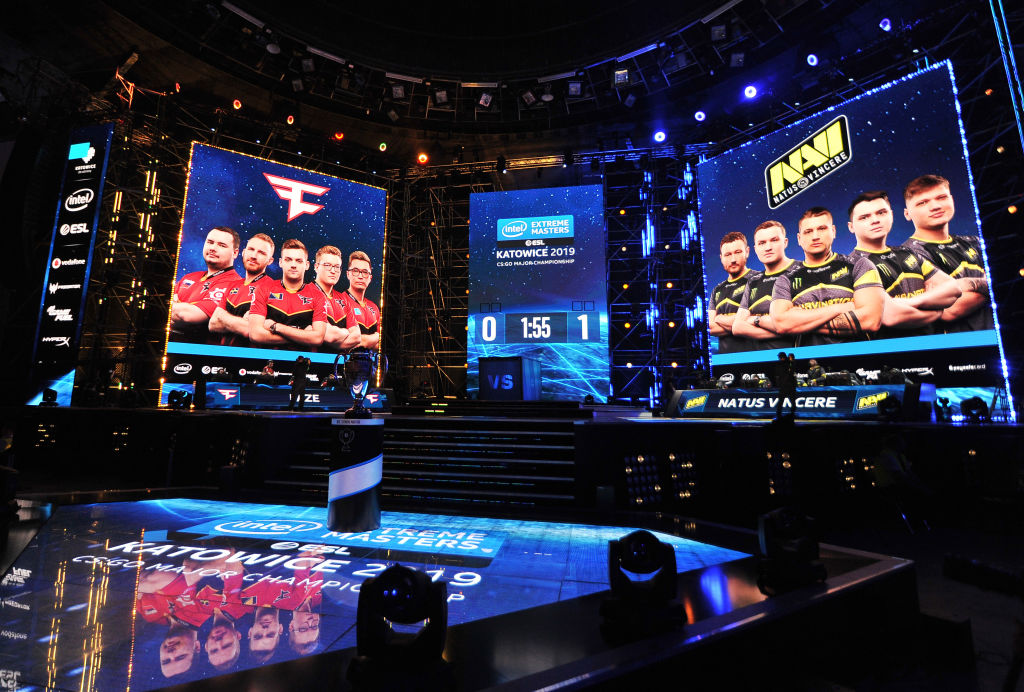
A significant shake-up is underway at FaZe Clan, the renowned esports and entertainment organization, as six prominent content creators recently announced their departure following protracted contract negotiations with its new management. The exodus of these key influencers – known to their millions of followers as Adapt, Jason, Ronaldo, Lacy, Rage, and Silky – marks a critical juncture for the brand, signaling a potential shift in its core identity and operational strategy. This wave of departures comes at a time when FaZe Clan, once a symbol of digital youth culture, is striving to redefine its path amidst financial restructuring and a changing ownership landscape.
A Dynasty Forged in Digital Content
To fully grasp the magnitude of these recent departures, it is essential to understand FaZe Clan’s meteoric rise and its foundational reliance on individual personalities. Founded in 2010 by a group of gamers initially focused on creating elaborate Call of Duty trick-shot videos, FaZe Clan quickly evolved beyond a simple gaming collective. It tapped into the nascent power of YouTube and social media, transforming into a lifestyle brand that blended competitive gaming with mainstream entertainment. Its members, who were often charismatic and highly skilled, cultivated massive personal followings, blurring the lines between professional athletes, entertainers, and digital entrepreneurs.
During its formative years, FaZe Clan’s appeal was multifaceted. It wasn’t just about winning tournaments; it was about the personalities, the camaraderie, the aspirational lifestyle, and the consistent stream of engaging content that resonated deeply with a young, digitally native audience. The organization expanded into multiple esports titles, fielding competitive teams in Counter-Strike: Global Offensive, Fortnite, Valorant, and others, while simultaneously nurturing a sprawling network of content creators. This dual approach allowed FaZe Clan to capture both the hardcore esports fan and the broader entertainment consumer, establishing itself as a cultural touchstone within the gaming world and beyond. Its business model, therefore, was heavily reliant on the star power of its influencers, leveraging their reach for brand partnerships, merchandise sales, and audience engagement, essentially building an empire on the backs of individual digital celebrities.
From Public Listing to Private Acquisition
The current situation is deeply rooted in FaZe Clan’s tumultuous journey through the public markets and subsequent privatization. In 2022, FaZe Clan made headlines by going public through a Special Purpose Acquisition Company (SPAC) merger, an ambitious move that valued the company at an estimated $725 million. This decision was heralded by some as a testament to the burgeoning power of the creator economy and esports, promising a new era of mainstream legitimacy and financial growth for digital-native brands.
However, the reality proved far more challenging. The company’s stock performance struggled significantly post-IPO, plagued by declining revenues, escalating operational costs, and a broader downturn in the tech and entertainment sectors. The initial hype quickly faded, replaced by concerns over its financial sustainability and business model. Less than a year after its public debut, FaZe Clan’s valuation plummeted, and by 2023, it was acquired by GameSquare Holdings, a leading esports and gaming marketing firm, for a mere $17 million. This dramatic reduction in valuation underscored the volatile nature of the influencer-driven business model when subjected to the scrutiny of public market expectations.
The acquisition by GameSquare, through its subsidiary HardScope, ushered in a new era of management, spearheaded by individuals like Matt Kalish. This transition was accompanied by significant leadership changes, including the firing of the previous CEO. The new management’s mandate was clear: stabilize the company’s finances, streamline operations, and find a sustainable path forward. This strategic pivot, aimed at corporate efficiency and profitability, inevitably led to a reevaluation of existing contracts and a more stringent approach to talent management, setting the stage for the current disagreements with its long-standing content creators.
The Influencer Divide
The recent announcements confirm that six key influencers – Adapt, Jason, Ronaldo, Lacy, Rage, and Silky – have chosen to sever ties with FaZe Clan. These individuals, some of whom have been integral to the organization for over a decade, reportedly found themselves at an impasse during renegotiations with HardScope and its CEO, Matt Kalish. The core of the dispute appears to center on contract terms that the influencers found unfavorable or restrictive, contrasting with their long-held expectations and the autonomy they once enjoyed.
One of the departing members, Adapt, expressed profound sentiment on X (formerly Twitter), stating he had spent "14 years as part of FaZe Clan: Over half of my life, I’d be lying if I said this didn’t hurt, but it had to be done." His words encapsulate the emotional weight of leaving an organization that was not just a brand, but a significant part of his personal and professional identity. This personal connection underscores the deep-seated nature of these relationships, which often began as informal collectives before morphing into structured business entities.
The sentiment of discontent is not new. An unnamed FaZe Clan member who departed earlier in the year had previously articulated a feeling of disempowerment, describing the situation as one where influencers felt they had "no control, and it’s like we’re puppets." This powerful analogy highlights a fundamental tension between the entrepreneurial spirit of individual content creators and the corporate structure of a large organization. Influencers, by nature, thrive on authenticity and direct engagement with their audience, often feeling constrained by rigid corporate guidelines or contractual obligations that may not align with their personal brand or creative freedom.
From the management’s perspective, Matt Kalish offered his interpretation of the situation. He told Bloomberg that "My best guess is they’re all good kids and have a lot of people in their ear and are confused." Kalish also unequivocally stated that the group’s current financial structure is "unsustainable," implying that the changes were a necessary step towards long-term viability. This perspective suggests that the new management is prioritizing fiscal responsibility and a more traditional corporate model over the looser, more talent-centric arrangements that characterized FaZe Clan’s earlier days. The divergence between these two viewpoints illustrates a classic conflict: the need for financial discipline versus the desire for creative autonomy and perceived fair compensation in a rapidly evolving digital economy.
The Evolving Landscape of Digital Influence
The mass departure of these influencers from FaZe Clan carries significant implications for the broader creator economy and the future of organizations built around digital personalities. This event serves as a potent case study in the ongoing evolution of how digital influence is monetized and managed. In an era where individual creators can often build massive followings and directly engage with their audience independent of a larger brand, the traditional value proposition of joining a collective like FaZe Clan is constantly being reevaluated.
For FaZe Clan itself, the immediate impact is a challenge to its brand identity. Much of FaZe Clan’s appeal and cultural resonance stemmed directly from the personalities of its members. Their gaming prowess, lifestyle content, and interactions formed the core of what "FaZe Clan" meant to millions of fans. With the departure of a significant portion of its content-creating roster, the organization faces the task of either cultivating a new generation of talent that can uphold its legacy or pivoting its focus entirely. This shift could test the loyalty of its fanbase, many of whom might follow their favorite creators to new ventures rather than remaining steadfast to the FaZe brand alone.
More broadly, this situation highlights a critical issue for the entire esports and content collective industry: how to balance the need for corporate structure and financial stability with the unique demands and entrepreneurial spirit of high-profile digital talent. As the creator economy matures, influencers are increasingly savvy about their market value and seek terms that offer greater control, equity, or more favorable revenue-sharing models. The "puppet" analogy speaks volumes about the desire for agency and a seat at the table, not just a paycheck. This incident could signal a trend where creators are less willing to cede significant control to organizations, preferring to build their independent brands or join collectives that offer more equitable partnerships. The ability of esports organizations and content houses to adapt to these evolving expectations will be crucial for their long-term success.
A Reimagined Future for FaZe Clan?
As FaZe Clan moves forward without a significant portion of its established influencer roster, the organization faces both daunting challenges and potential opportunities. The immediate task for Matt Kalish and HardScope will be to stabilize the brand, articulate a clear vision for its future, and either attract new talent or re-emphasize its competitive esports divisions. The financial restructuring undertaken by GameSquare suggests a pivot towards a more sustainable business model, potentially one less dependent on the unpredictable nature of individual influencer contracts and more focused on core esports operations, brand partnerships, and potentially new content formats.
This period of transition could force FaZe Clan to redefine its core mission. Will it lean more heavily into professional competitive gaming, investing in top-tier teams across various titles? Or will it seek to rebuild its content empire with a new generation of creators, perhaps under different contractual terms that ensure greater corporate control and financial predictability? The analytical commentary from industry experts often points to the inherent volatility when a brand’s value is inextricably tied to individual personalities. The shift from a loosely affiliated collective to a publicly traded company, and subsequently a privately acquired entity, fundamentally alters the dynamics of these relationships.
For FaZe Clan, this moment of reckoning is not just about replacing departed talent; it’s about reimagining what the brand represents in a rapidly evolving digital landscape. It is an opportunity to streamline operations, potentially focus on more scalable revenue streams, and establish a more robust organizational structure. However, the success of this pivot will depend heavily on the new management’s ability to navigate the delicate balance between corporate necessity and the unique culture of digital entertainment that FaZe Clan once epitomized. The coming months will undoubtedly reveal whether FaZe Clan can successfully adapt and thrive in its next chapter, or if this influencer exodus marks the beginning of a prolonged struggle for relevance.
The departure of these influential figures signifies a major turning point for FaZe Clan, forcing the organization to confront fundamental questions about its identity, financial viability, and its place in the increasingly competitive world of esports and content creation. The stakes are high, not just for FaZe Clan, but for the entire industry as it grapples with the complexities of managing digital talent and building sustainable businesses around online influence.