Amir Mahmud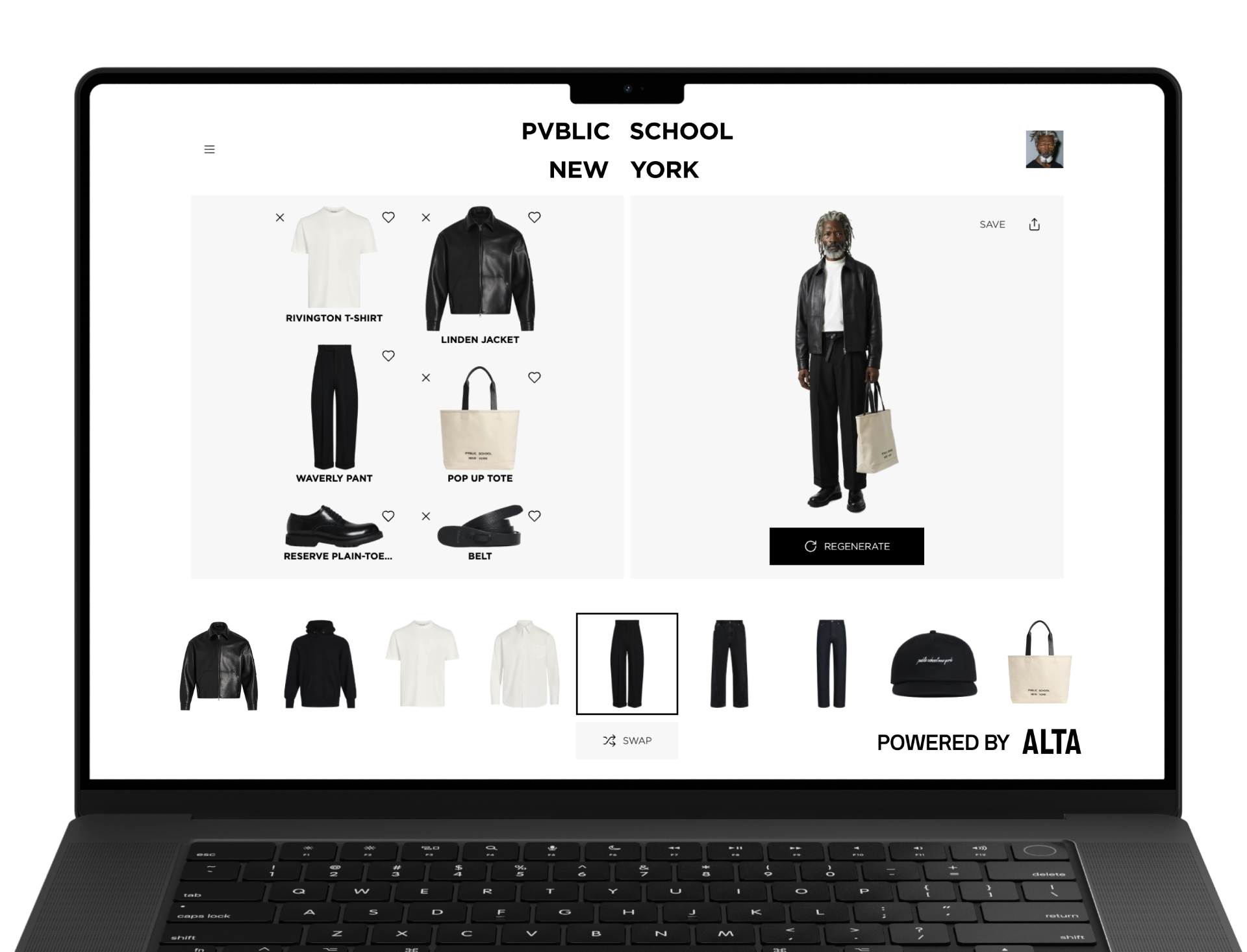
Jenny Wang, the visionary founder behind Alta, has significantly advanced the integration of cinematic fashion technology into everyday retail, transforming a beloved pop culture fantasy into a tangible digital experience. What began as an ambitious endeavor to translate the iconic digital wardrobe from the film "Clueless" into a real-world application has now culminated in a pivotal collaboration that embeds sophisticated styling tools directly into brand e-commerce platforms.
The Vision: From Silver Screen to Digital Closet
The concept of a virtual closet, where outfits could be effortlessly assembled and previewed with a few clicks, captivated audiences when it was depicted in the 1995 film "Clueless." Cher Horowitz’s on-screen digital wardrobe, a marvel of futuristic convenience at the time, symbolized an aspirational blend of technology and personal style. For decades, this remained largely in the realm of science fiction. However, the rapid evolution of artificial intelligence, computer vision, and avatar technology has finally brought this dream within reach. Alta, under Wang’s leadership, set out to bridge this gap, aiming to empower consumers with similar capabilities for managing their personal style and making informed purchasing decisions online. The company’s core offering allows users to construct personalized digital avatars and virtually "try on" garments, mimicking the intuitive, visual styling process envisioned in the movie. This addresses a long-standing challenge in online retail: the inability to physically interact with clothing before purchase, which often leads to uncertainty and high return rates.
Alta’s Ascent: Funding, Recognition, and Scale
Alta’s journey from concept to market leader has been marked by significant milestones. Last year, the company successfully secured an impressive $11 million in a funding round spearheaded by Menlo Ventures. This substantial investment underscored investor confidence in Alta’s disruptive potential within the fashion technology landscape. The funding round also attracted a constellation of high-profile backers, including supermodels Jasmine Tookes and Karlie Kloss, signaling strong endorsement from within the fashion industry itself. Further validating Alta’s innovative approach were investments from Anthropic’s venture capital arm, Anthology Fund, and Jenny Fleiss, co-founder of the successful fashion rental service Rent the Runway, indicating a broad recognition of Alta’s technological and market viability.
Since its inception and official launch in 2023, Alta has rapidly gained traction. The application is now widely available on app stores, allowing a broad consumer base to access its advanced styling features. Its innovation has not gone unnoticed by leading media outlets; both Time and Vogue recognized Alta as one of the standout innovations of the past year. Demonstrating robust user engagement, Wang revealed that the platform has facilitated the generation of over 100 million distinct outfits since its debut. This metric highlights not only the platform’s user-friendliness but also the significant demand for such sophisticated styling tools. Furthermore, Alta has forged strategic alliances with key industry players, including Poshmark, a prominent resale marketplace, and the Council of Fashion Designers of America (CFDA), an influential trade association, with plans for additional partnerships slated for future announcement. The Alta app itself boasts an extensive catalog, featuring thousands of brands from which users can explore and shop.
Pioneering Partnerships: Public School’s Digital Re-Debut
The latest evolution in Alta’s strategy involves building direct integration experiences for brands on their own e-commerce platforms. This initiative allows customers to engage with a designer’s collection using their bespoke Alta Avatars directly on the brand’s website, streamlining the virtual try-on process. This week marked the unveiling of Alta’s inaugural integration collaboration with Public School, a celebrated New York City-based fashion label renowned for its distinctive streetwear-infused luxury aesthetic. This partnership enables shoppers to virtually style looks from Public School’s latest collection on their individual Alta avatars, offering an unprecedented level of personalized interaction with the brand’s offerings.
The genesis of this collaboration stemmed from a mutual connection. Wang was introduced to Public School’s creative directors, Dao-Yi Chow and Maxwell Osborne, through the founder of Poshmark, who also serves as an angel investor in both companies. Chow and Osborne, who had been actively seeking an AI partner and a robust virtual try-on avatar solution for their brand, found a natural fit with Alta. Notably, Dao-Yi Chow himself was already a user of the Alta app, underscoring his personal conviction in the technology’s utility and potential.
The timing of this partnership is particularly significant for Public School. The brand, which had taken a hiatus from the fashion scene for several years, chose this New York Fashion Week for its highly anticipated re-debut. This return to the spotlight signifies a thoughtful re-evaluation of their brand identity and strategic direction.
The Strategic Embrace of Technology in Fashion
Dao-Yi Chow articulated the brand’s updated philosophy regarding technology, stating that in today’s landscape, tech must be viewed as an indispensable business partner. He emphasized that the fashion industry has moved far beyond the technological landscape of 2015, making it imperative for brands to leverage the most current advancements. Public School’s founders expressed a desire to integrate technology and AI judiciously and thoughtfully. Rather than employing AI purely as a design tool, their intent is to utilize it as a mechanism to amplify their brand storytelling and foster deeper, more engaging interactions with consumers. This allows customers to experience the brand’s ethos and products virtually, even when a physical presence or in-person try-on is not feasible.
This strategic move places Public School at the forefront of digital innovation in luxury fashion. The integration is seamlessly embedded within Public School’s e-commerce presence. For instance, a distinctive "Style by Alta" icon is prominently featured near the bottom of product pages. Clicking this icon transports the customer to the Alta platform, where they can then style their avatars and visualize how Public School garments would appear on them, aiding in their purchasing decisions. Concurrently, users of Alta’s standalone app can also access Public School’s collections directly through the Alta interface, ensuring a comprehensive brand experience across both platforms. Wang’s overarching objective is to proliferate these direct website integration experiences across a broader spectrum of brands, allowing Alta users to virtually try on clothing on various brand websites without needing to navigate back to the Alta app for every potential purchase. This aims to create a more fluid and integrated online shopping journey, bringing a brand’s community onto a novel path of engagement and retail interaction.
Beyond the Avatar: Redefining the Online Shopping Experience
The concept of digital avatars in fashion is not entirely new. Major global brands such as Zara and high-fashion houses like Balmain have previously experimented with digital models and virtual try-on features. However, Alta differentiates itself through its superior technological capabilities and user experience. Wang highlighted that Alta’s avatars can seamlessly incorporate at least eight clothing items within seconds, a stark contrast to some competitors, such as Zara, whose avatars might accommodate only four items and require approximately two minutes for processing. This efficiency and capacity significantly enhance the utility and appeal of Alta’s platform, offering a more dynamic and realistic styling environment.
The increasing demand for virtual avatars underscores a broader societal shift towards digital identities and enhanced online personalization. Wang conceptualizes Alta not just as a continuation of the "Clueless" fashion tech dream, but also as a foundational digital avatar business. The consumer-facing Alta app embodies the essence of the "Clueless" digital closet, offering a personalized styling and outfit planning tool. In parallel, the enterprise-level Alta experience empowers shoppers to style various pieces and virtually try on outfits using their pre-existing Alta avatar directly on brand websites. Wang envisions Alta evolving into the "personal identity layer for the future of consumer AI and shopping."
Competitive Edge and Future Aspirations
The competitive landscape for virtual try-on and digital fashion tools is growing, with various startups and established tech companies vying for market share. Alta’s strategic advantage lies not only in its technical prowess, such as speed and capacity, but also in its focus on creating a comprehensive "identity layer." This goes beyond merely visualizing clothing; it aims to build a deep understanding of a shopper’s unique style preferences, encompassing their existing wardrobe, past purchases, and precise avatar likeness and body dimensions. This rich data layer is what Wang believes is essential for the future of "agentic commerce"—a paradigm where AI agents can proactively understand and fulfill a shopper’s needs with minimal direct input.
The implications of Alta’s technology extend beyond individual consumer convenience. For brands, such integrations promise to significantly enhance the online shopping experience, potentially leading to higher conversion rates, reduced product returns (a major cost and sustainability issue for retailers), and deeper customer engagement. By allowing consumers to visualize how garments fit and style on their unique avatars, brands can foster greater confidence in online purchases and cultivate stronger brand loyalty. From a sustainability perspective, reducing returns through better virtual visualization can decrease the carbon footprint associated with shipping and repackaging.
The partnership with Public School serves as a crucial proof of concept, demonstrating the viability and value of embedding advanced virtual styling directly into a brand’s digital storefront. As Alta continues to forge new partnerships and refine its technology, it stands poised to redefine how consumers interact with fashion online, transforming browsing into an immersive, personalized, and efficient styling journey. The vision is clear: to make every online shopping experience as intuitive and delightful as Cher Horowitz’s iconic digital closet, making fashion more accessible, personalized, and sustainable for the digital age.