Amir Mahmud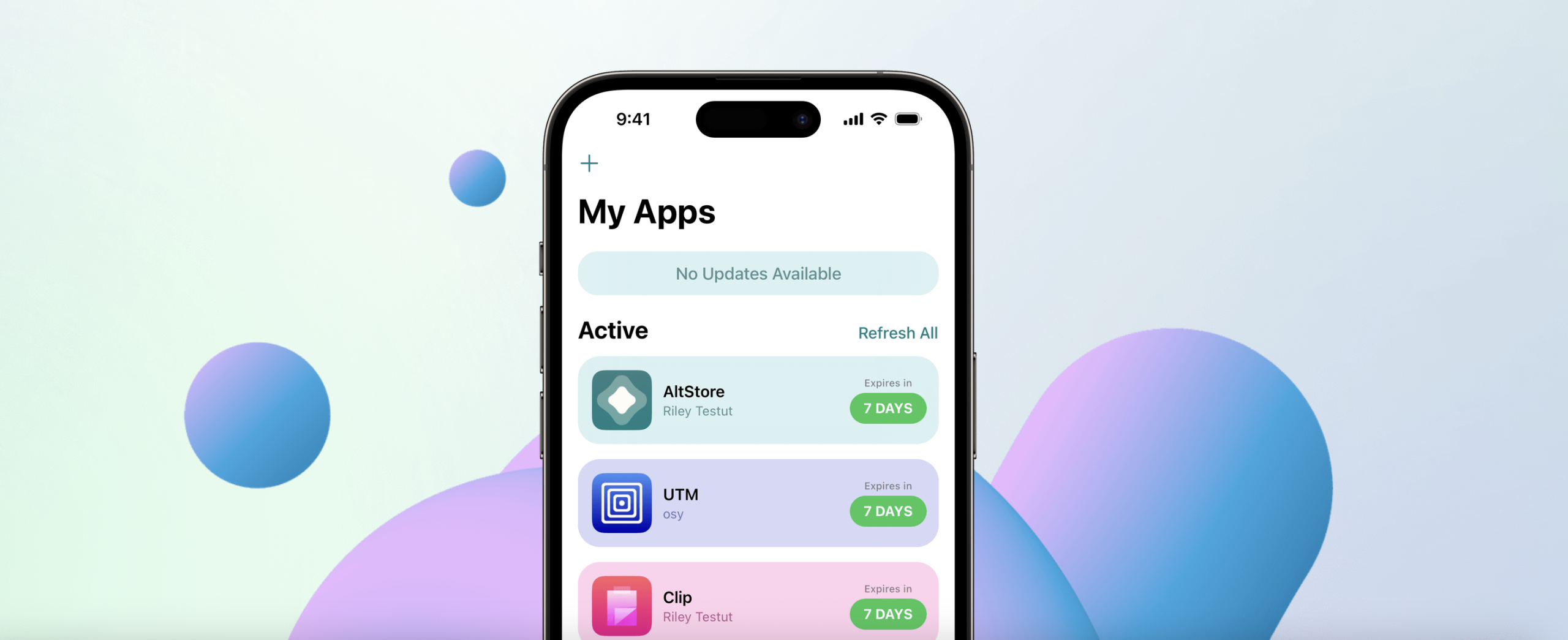
The landscape of mobile application distribution for Apple’s iOS devices is undergoing a profound transformation, particularly within the European Union, where new regulatory frameworks are dismantling long-standing monopolies. This pivotal shift, primarily driven by the Digital Markets Act (DMA), has ushered in an unprecedented era, allowing users in the EU to access and install applications from alternative app marketplaces beyond Apple’s tightly controlled App Store. This move promises to reshape developer economics, enhance consumer choice, and foster a more competitive digital ecosystem, with ripples extending to other global markets like Japan.
The Genesis of Change: Understanding the Digital Markets Act
For over a decade, Apple has maintained singular control over app distribution on its iOS platform, dictating terms, policies, and a significant commission structure that often reached 30% of app and in-app purchase revenues. While this centralized model offered a streamlined user experience and robust security, it increasingly drew criticism from developers and regulatory bodies concerned about its anti-competitive implications. Developers argued that Apple’s "walled garden" approach stifled innovation, limited competition, and imposed unfair revenue shares, leading to numerous high-profile disputes, most notably with Epic Games.
The European Union, long a proponent of digital fairness and consumer protection, responded to these concerns with the Digital Markets Act (DMA). Enacted to curb the power of large online platforms deemed "gatekeepers," the DMA aims to ensure a level playing field for businesses and greater choice for users. For Apple, designated a gatekeeper under the Act, compliance meant fundamentally altering its long-established App Store policies within the EU. The DMA came into full effect, mandating changes that allow for third-party app stores and alternative payment systems on iOS devices operating within the Union. This legislative action represents a significant milestone in the global effort to regulate powerful tech companies and promote a more open digital economy.
Apple’s Response and the New Business Terms
In response to the DMA, Apple introduced a revised set of business terms for developers distributing apps in the EU. These terms, while complying with the letter of the law, have been met with mixed reactions. Under the new framework, alternative app marketplaces are permitted, but applications distributed through them must still undergo Apple’s "notarization process." This process, according to Apple, ensures a baseline of platform integrity and security, primarily focused on detecting malware and meeting core technical standards. However, the ultimate responsibility for app review, approval, customer support, and refunds falls to each individual alternative store, shifting a significant burden from Apple to these new entrants.
A contentious aspect of Apple’s new terms is the "Core Technology Fee" (CTF). Developers operating alternative marketplaces, or even individual apps distributed outside the App Store, are required to pay €0.50 for each first annual install of their app, even if they haven’t yet reached the traditional 1 million install threshold that applies to apps distributed via Apple’s App Store under DMA-compliant terms. This fee has sparked considerable debate, with many developers and industry analysts arguing that it creates a new financial barrier that could hinder the growth of smaller developers and alternative platforms, potentially undermining the DMA’s goals of fostering competition. The complexity and potential cost implications of these new terms have created a cautious environment for many aspiring marketplace operators.
Global Ripples: Japan’s Mobile Software Competition Act
The regulatory push for greater openness in mobile ecosystems is not confined to Europe. Other nations are also enacting legislation to address concerns about market dominance by tech giants. Japan, for instance, introduced the Mobile Software Competition Act (MSCA), which mirrors many of the DMA’s objectives. In December 2025, Apple announced its compliance with the MSCA, signifying a broader global trend towards mandating alternative app distribution and payment options.
Apple’s terms for developers in Japan also represent a departure from its traditional model, albeit with different specifics than those in the EU. Japanese developers can now benefit from reduced App Store commissions, ranging from 10% to 21%, depending on various factors. Additionally, new fees include a 5% payment processing charge for Apple-facilitated in-app purchases, a 5% Core Technology Fee, and a 15% store services commission on sales initiated through web links within apps. These varied approaches across different jurisdictions highlight the ongoing, complex negotiations between governments and platform holders, and suggest that a truly uniform global standard for app distribution remains a distant prospect. Nevertheless, the actions in Japan reinforce the notion that the era of monolithic app store control is drawing to a close in key markets.
Pioneers of the New Frontier: Alternative iOS Marketplaces Emerge
Despite the complexities and evolving fee structures, several developers and companies have seized the opportunity to launch alternative app stores in the EU and, in some cases, beyond. These pioneering platforms offer diverse approaches to app discovery, distribution, and monetization, aiming to carve out their niche in the newly opened iOS ecosystem.
AltStore PAL (EU)
Co-founded by developer Riley Testut, known for the popular Nintendo game emulator app Delta, AltStore PAL has emerged as an officially approved alternative app marketplace in the EU. Distinguishing itself with an open-source ethos, AltStore PAL allows independent developers to self-host their applications. This unique model requires developers to download an alternative distribution packet (ADP), upload it to their own servers, and then create a "source" that users can add to the AltStore to access their apps. This decentralized approach means that users primarily see applications they have explicitly chosen to add, fostering a curated, community-driven experience. Beyond AltStore’s flagship apps like Delta and Clip (a clipboard manager), the platform hosts a growing collection of popular independent tools, including the virtual machine app UTM, the iOS 4 re-creation OldOS, the dictionary app Kotoba, torrenting client iTorrent, qBittorrent remote client qBitControl, and the social discovery platform PeopleDrop. AltStore PAL represents a grassroots effort to empower indie developers and users seeking greater control and access to niche software.
Setapp Mobile (EU – Closed Feb. 2026)
MacPaw’s Setapp, a well-established subscription service for curated Mac applications, was among the first to embrace Apple’s new DMA business terms for an iOS alternative store in the EU. Setapp Mobile offered a subscription-based model, providing a collection of high-quality, ad-free apps without in-app purchases under a single recurring fee. However, its journey was short-lived. The company announced the closure of Setapp Mobile service by February 16, 2026, citing Apple’s "still-evolving" and complex business terms as the primary reason. This unfortunate development underscores the significant challenges and uncertainties faced by developers attempting to navigate the nascent alternative app store landscape, particularly regarding the financial viability of Apple’s new fee structures. While Setapp Desktop remains unaffected, the mobile venture serves as a poignant reminder of the difficulties in establishing a sustainable alternative.
Epic Games Store (EU)
The long-standing antagonist in the app store debate, Fortnite creator Epic Games, made a significant entry by launching its alternative iOS app store in the EU in August 2024. This move enables users to directly download games like Fortnite, Rocket League Sideswipe, and Fall Guys, with plans for further expansion. This launch marks a symbolic victory for Epic, coming more than four years after Apple initially removed Fortnite from its App Store due to policy violations, igniting the infamous legal battle over alleged monopolistic practices. While U.S. courts did not fully side with Epic on antitrust claims, the lawsuit did pressure Apple to allow developers to link to external payment methods, setting a precedent for broader changes. Epic is also strategically partnering with other alternative stores, including AltStore PAL and Aptoide, to distribute its titles, signaling a multi-pronged approach to breaking free from Apple’s traditional distribution model.
Aptoide (EU)
Lisbon-based Aptoide, already a prominent alternative to Google Play on Android, has extended its open-source app distribution solution to iOS users in the EU. Launched initially as an invite-only beta in June 2024 before a wider rollout, Aptoide positions itself as a free-to-use game store that actively scans apps for safety. Aptoide’s business model for iOS involves taking a 10% to 20% commission on in-app purchases, depending on whether the marketplace generates the sale, and importantly, it does not directly charge its users to cover Apple’s Core Technology Fee. With over 1 million apps and more than 430 million users across various platforms (Android, web, car, TV), Aptoide brings considerable experience and scale to the burgeoning iOS alternative market.
Mobivention Marketplace (EU)
Targeting a specialized segment, Mobivention offers a B2B-focused app marketplace in the EU. This platform caters to companies needing to distribute internal applications for employee use that are either unsuitable or unnecessary for public listing on Apple’s main App Store. Mobivention also provides options for businesses to develop highly customized app marketplaces tailored to their specific corporate needs, or to license Mobivention’s underlying technology for deeper integration. This solution highlights a critical but often overlooked aspect of enterprise mobile management, offering businesses greater control and flexibility over their proprietary software deployment.
Skich (EU)
Skich entered the EU alternative app store scene in March, offering a novel approach to app discovery. Its distinguishing feature is a "Tinder-like" interface, where users can swipe right on apps they find appealing and left on those they don’t, fostering a highly interactive and personalized discovery experience. Users can also create app playlists and view what their friends are playing. Skich plans to take a 15% commission on all purchases made through its store and actively markets to developers, particularly at events like the Game Developers Conference (GDC), aiming to populate its unique platform with engaging titles.
Onside (EU and Japan)
Demonstrating the global reach of these regulatory shifts, Onside operates an alternative iOS app store available in both the EU and, as of February 2026, Japan. Onside pledges lower rates for developers while prioritizing security and user privacy, particularly concerning payment information. The store currently supports bank card payments and Apple Pay, with plans to integrate additional local payment methods such as iDeal and Klarna. For consumers, Onside aims to provide a familiar app store experience, complete with editorial collections, ratings, reviews, and automatic updates, featuring a blend of popular apps and exclusive content not found elsewhere. Its dual-market presence positions Onside as a key player in the expanding multi-store environment.
The Future of Mobile Software Distribution
The emergence of these alternative app stores marks a pivotal moment in the history of mobile computing. The regulatory interventions in the EU and Japan have initiated a grand experiment, challenging the long-held dominance of platform gatekeepers and potentially ushering in an era of greater competition and innovation. While the current landscape is still nascent and fraught with complexities—particularly concerning Apple’s imposed fees and compliance requirements—the existence of diverse marketplaces like AltStore PAL, Epic Games Store, Aptoide, and others offers developers more avenues for reaching users and provides consumers with increased choice.
The long-term impact on Apple’s ecosystem, developer revenue models, and the overall user experience remains to be fully seen. The ongoing tension between regulatory bodies pushing for openness and tech giants seeking to maintain control will likely continue to shape this evolving market. However, the current trajectory suggests a future where mobile software distribution is less centralized, more diverse, and potentially more dynamic, fostering a richer and more varied app ecosystem for users worldwide.