Amir Mahmud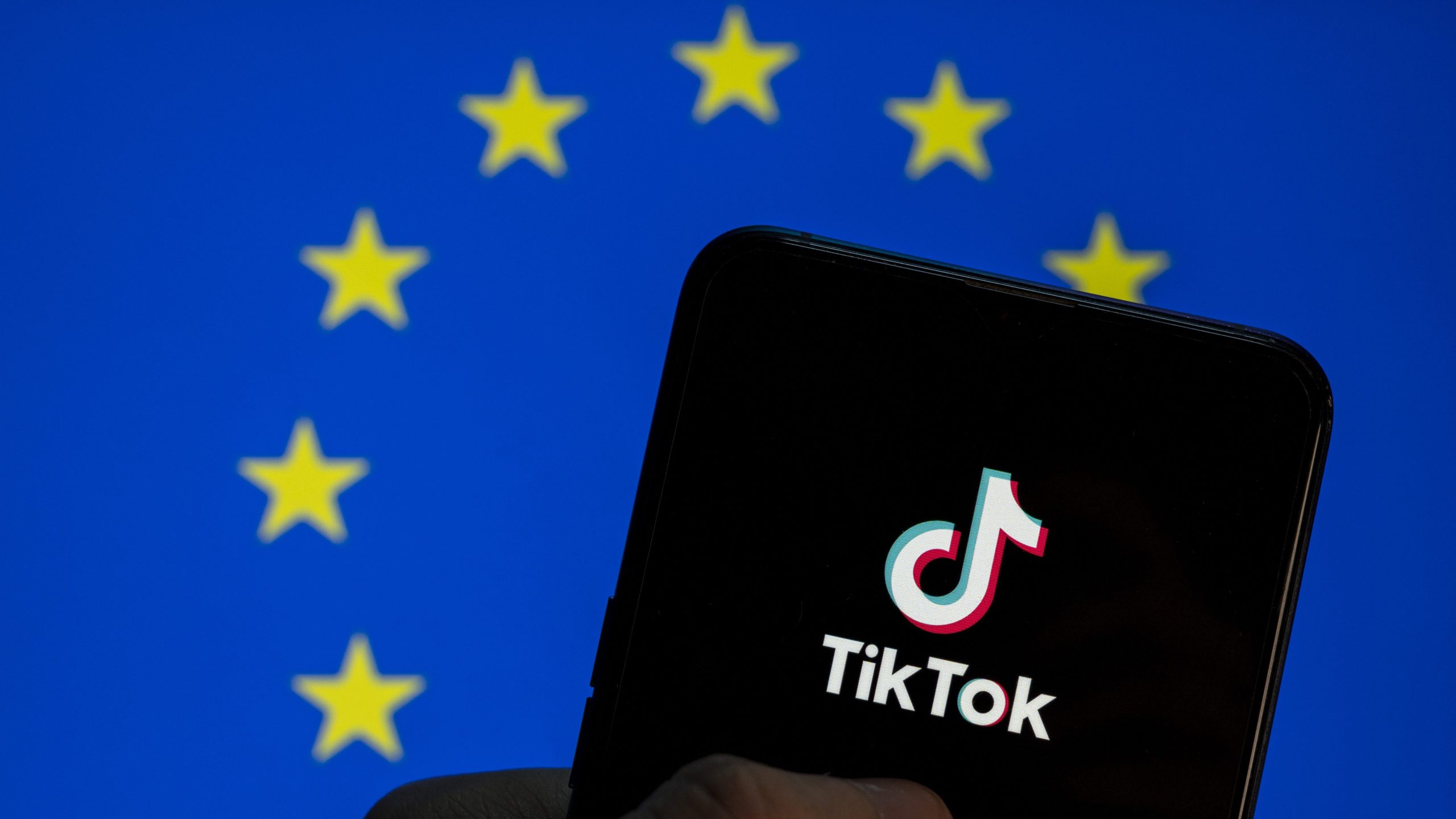
The European Commission has formally accused TikTok of intentionally designing its platform with features that foster addictive behavior, initiating a significant challenge under the bloc’s pioneering Digital Services Act (DSA). The preliminary findings, announced recently, highlight specific design elements such as the infinite scroll, autoplay functionality, push notifications, and the underlying recommendation algorithm, all of which are alleged to exploit user vulnerabilities and encourage compulsive usage. This move signals a resolute stance from European regulators against digital practices perceived as detrimental to user well-being, particularly among younger and more susceptible demographics.
The Digital Services Act: A New Era of Online Accountability
This regulatory action against TikTok is a direct consequence of the Digital Services Act (DSA), a landmark piece of legislation enacted by the European Union. The DSA, which came into full effect for Very Large Online Platforms (VLOPs) and Very Large Online Search Engines (VLOSEs) in August 2023, aims to create a safer, more transparent, and accountable online environment across the 27-member bloc. It represents a fundamental shift in how digital platforms are regulated, moving beyond content moderation to address systemic risks posed by their design and operational choices.
Before the DSA, regulations often focused on specific types of illegal content or data privacy. However, the DSA introduces a broad framework that compels VLOPs, identified by their substantial user bases (over 45 million monthly active users in the EU), to proactively assess and mitigate systemic risks. These risks include the spread of illegal content, the manipulation of electoral processes, the impact on fundamental rights, and, crucially for TikTok, the negative effects on mental and physical health. Platforms like TikTok are now legally obliged to conduct thorough risk assessments and implement measures to counteract identified harms, or face severe penalties. The Commission’s investigation into TikTok is one of the most high-profile applications of this powerful new regulatory tool, underscoring the EU’s commitment to holding tech giants responsible for their societal impact.
Anatomy of Alleged Addiction: TikTok’s Design Under Scrutiny
The European Commission’s preliminary findings assert that TikTok failed to adequately evaluate how its fundamental design decisions could inflict harm on the psychological and physical well-being of its users, with a particular emphasis on minors and other vulnerable individuals. Regulators cited a disregard for "important indicators of compulsive use," such as the duration users spend on the application late at night and the frequency with which they access the platform throughout the day.
The specific features drawing the EU’s ire are integral to TikTok’s user experience. The "infinite scroll," for instance, allows users to continuously swipe through an endless stream of content without encountering a natural stopping point. This design choice, combined with "autoplay" features that automatically move to the next video, creates a frictionless consumption loop. Push notifications, meanwhile, are designed to pull users back into the application, often at psychologically opportune moments. The most sophisticated element under scrutiny is TikTok’s recommendation engine, a powerful algorithm that learns user preferences with remarkable speed and precision, serving up highly personalized content feeds that are designed to maximize engagement and keep users hooked.
According to the Commission’s statement, these design elements actively "reward" users with fresh content, thereby fueling a persistent urge to continue scrolling. This constant stimulation, regulators argue, can shift users’ brains into an "autopilot mode," a state where conscious self-control is diminished. Referencing scientific research, the Commission highlighted that such mechanisms are known to contribute to compulsive behaviors, potentially eroding users’ ability to regulate their app usage. The neurological basis for this often involves the release of dopamine, a neurotransmitter associated with reward and motivation, creating a feedback loop that reinforces the desire for more content. The concern is that these meticulously engineered pathways bypass conscious decision-making, leading to habitual and often excessive engagement that users find difficult to control.
TikTok’s Rebuttal and the Efficacy of Existing Controls
In response to these serious allegations, TikTok vehemently denied the Commission’s preliminary findings. A company spokesperson issued a statement asserting that the accusations present a "categorically false and entirely meritless depiction of our platform," vowing to "take whatever steps are necessary to challenge these findings through every means available." This strong denial indicates that the company is preparing for a robust legal and regulatory defense, setting the stage for a protracted battle over the interpretation of platform design and user impact.
TikTok currently offers a suite of features intended to promote digital well-being, including screen-time management tools and parental controls. These include options to set daily time limits, receive reminders to take breaks, and enable restricted modes. Parental controls allow guardians to link their accounts to their children’s, providing oversight on screen time, direct messages, and content filters. However, the European Commission has expressed skepticism regarding the effectiveness of these measures. Regulators contend that the existing time management tools are insufficient because they are "easy to dismiss and introduce limited friction," implying that users can bypass them with minimal effort, thus failing to genuinely curb compulsive behavior. Similarly, the Commission suggested that parental controls might not be effective due to the "additional time and skills from parents" required to implement and monitor them, placing an undue burden on caregivers who may already be stretched for time and technical literacy. This critique underscores a key point of contention: whether a platform’s responsibility extends beyond merely offering tools to ensuring those tools are genuinely effective in mitigating harm, especially when the underlying design is alleged to be inherently addictive.
A Global Reckoning: The Broader Social and Cultural Impact
The EU’s action against TikTok is not an isolated event but rather a significant development within a growing global movement to address the pervasive influence and potential harms of social media. The debate surrounding "addictive" technology has intensified over recent years, fueled by mounting concerns about its impact on mental health, particularly among adolescents. Studies and anecdotal evidence increasingly link excessive social media use to increased rates of anxiety, depression, body image issues, and sleep disturbances among young people. The constant pressure to present an idealized self, the fear of missing out (FOMO), and exposure to cyberbullying all contribute to a complex landscape of psychological challenges.
Beyond individual well-being, the rise of platforms like TikTok has profound societal and cultural implications. The dominance of short-form video has fundamentally altered attention spans and information consumption patterns, favoring rapid, visually stimulating content over longer, more in-depth engagement. This shift has also given rise to a new "creator economy," empowering individuals to build audiences and careers, but also creating new forms of digital labor and pressure to constantly produce engaging content. The algorithms driving these platforms not only shape individual experiences but also influence cultural trends, political discourse, and even consumer behavior on a mass scale. Regulators worldwide are grappling with how to balance the innovative potential and economic benefits of these platforms with their considerable societal costs, especially as the lines between entertainment, information, and commercial influence become increasingly blurred.
A Wave of Global Scrutiny and Regulatory Action
The European Commission’s scrutiny of TikTok aligns with a broader international trend of governments and legislative bodies taking a harder look at social media platforms. Across the globe, there is increasing pressure to implement stricter age verification, content moderation, and design regulations. In November, Australia passed a law mandating social media sites to deactivate accounts belonging to users under the age of 16, a bold step to shield younger demographics from perceived online harms. The United Kingdom and Spain are reportedly exploring similar legislative measures, signaling a concerted European effort beyond the EU’s collective framework.
Further afield, France, Denmark, Italy, and Norway have also been actively working on various age-restriction measures for social media platforms, reflecting a widespread recognition that current safeguards are insufficient. In the United States, despite a more fragmented regulatory landscape compared to the EU’s unified approach, at least 24 states have already enacted their own age-verification laws, often targeting specific types of content or aiming to restrict minors’ access to social media entirely. This patchwork of state-level legislation highlights the urgency of the issue even in the absence of comprehensive federal action. Moreover, TikTok recently settled a major social media addiction lawsuit in the U.S., a development that underscores the growing legal and public pressure the company faces regarding its design practices and their impact on users. These global actions collectively demonstrate a growing consensus that the era of largely self-regulated digital platforms is drawing to a close, replaced by an increasingly assertive regulatory environment.
The Stakes: Billions in Fines and a Precedent for Digital Design
The European Commission’s preliminary findings are not merely a warning; they carry the weight of substantial potential penalties. Confirmed breaches of the Digital Services Act can result in significant sanctions, including fines that can amount to as much as 6% of a company’s global annual turnover. For a global entity like TikTok, whose parent company ByteDance generates tens of billions in revenue annually, such a fine could translate into billions of dollars, representing a severe financial blow. Beyond the monetary penalties, a definitive finding of non-compliance would also inflict considerable reputational damage, potentially eroding user trust and making it more challenging for TikTok to expand into new markets or maintain its current user base.
The immediate next step for TikTok is to formally respond to the European Commission’s preliminary findings. This period allows the company to present its defense, challenge the evidence, and propose remedies. Should the Commission remain unconvinced, it can then issue a formal decision, which could include a mandate for TikTok to fundamentally alter the "basic design" of its user interface. This could involve disabling features like infinite scroll, implementing mandatory screen time breaks that cannot be easily dismissed, and significantly redesigning its recommendation system to prioritize user well-being over maximum engagement. The outcome of this investigation is poised to set a crucial precedent, not only for TikTok but for all Very Large Online Platforms operating within the EU. It will likely influence how other social media companies design their products and manage their algorithms, potentially ushering in a new era where user protection and digital well-being are paramount considerations, rather than secondary concerns, in the relentless pursuit of engagement and profit. The EU’s bold move underscores an evolving global understanding of digital rights and responsibilities, pushing the boundaries of what platforms can and cannot do in the intricate architecture of the online world.