Amir Mahmud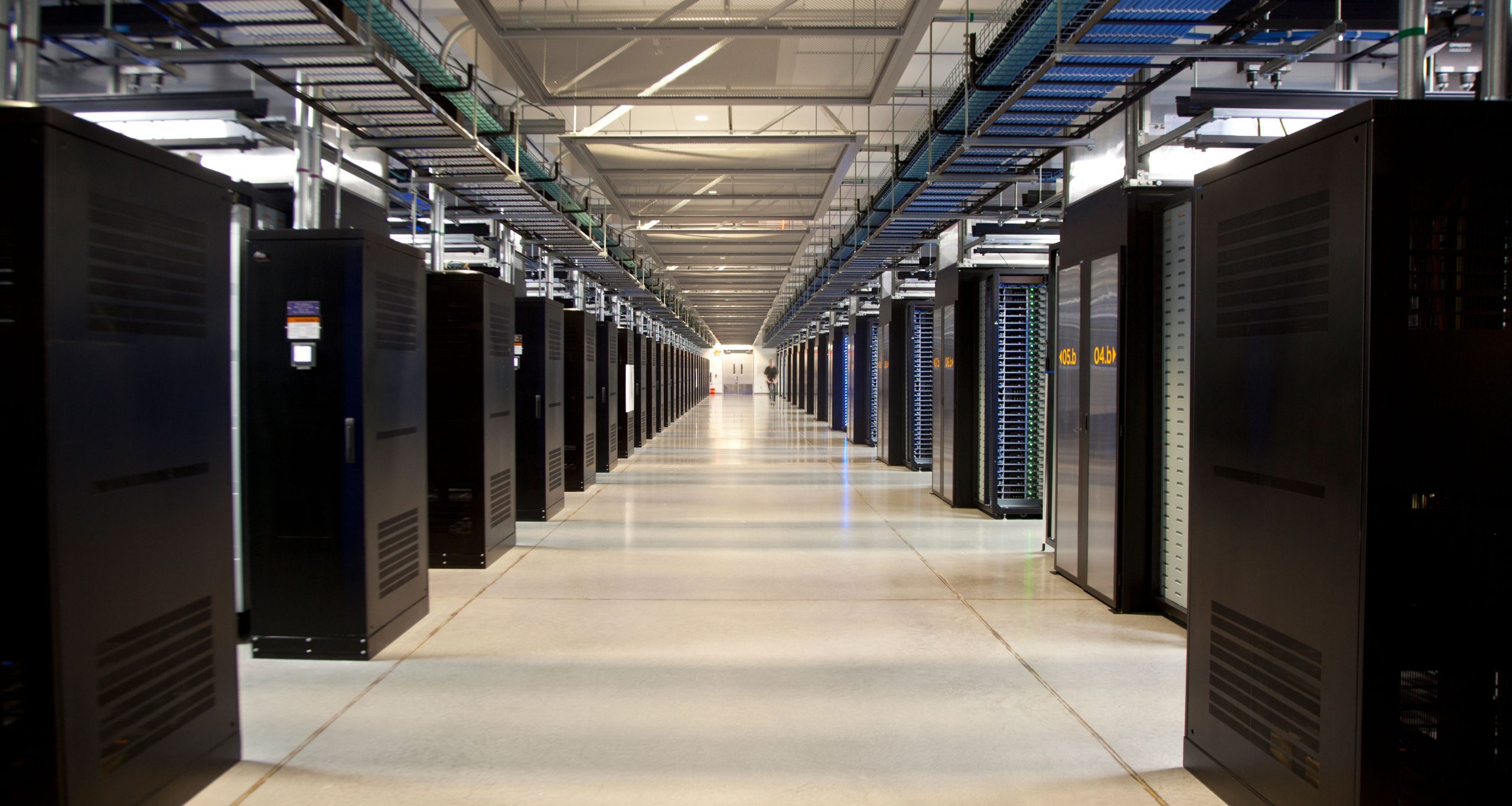
A coalition of over 230 environmental organizations, including prominent groups like Food and Water Watch, Friends of the Earth, and Greenpeace, is urging the U.S. Congress to implement a nationwide moratorium on the approval and construction of new data centers. This urgent appeal comes amidst growing concerns over the escalating electricity and water consumption attributable to these facilities, particularly those fueling the rapid expansion of artificial intelligence (AI) and cryptocurrency operations. The groups contend that the current, largely unregulated proliferation of data centers poses significant threats to communities across the country, jeopardizing economic stability, environmental health, climate goals, and water security.
The call for a moratorium highlights a critical tension between the accelerating digital transformation of society and the finite nature of natural resources. As the digital economy becomes increasingly central to daily life, the physical infrastructure supporting it — specifically, data centers — demands a closer examination of its environmental footprint and societal impact.
The Escalating Demand for Digital Infrastructure
Data centers are the unseen engines of the modern digital world, housing vast arrays of servers, storage devices, and networking equipment that store, process, and transmit the enormous volumes of data underpinning everything from social media and streaming services to e-commerce, cloud computing, and advanced scientific research. Historically, these facilities were often contained within corporate buildings, but the exponential growth of the internet and digital services led to the development of massive, purpose-built "hyperscale" data centers. These sprawling complexes, sometimes covering millions of square feet, are designed for maximum efficiency and redundancy, operating 24/7 to ensure uninterrupted digital access.
The current surge in demand for data center capacity is driven primarily by two transformative technological trends: artificial intelligence and cryptocurrency. AI models, especially large language models and generative AI, require immense computational power for both training and inference. Training a single sophisticated AI model can consume as much electricity as hundreds of homes over several months. Similarly, the energy-intensive "proof-of-work" consensus mechanisms used by some major cryptocurrencies, like Bitcoin, demand specialized hardware operating continuously, contributing substantially to global electricity consumption.
This unprecedented demand has triggered a construction boom in the data center industry. Energy demand for these facilities is projected to nearly triple in the coming decade, soaring from an estimated 40 gigawatts (GW) today to 106 GW by 2035. This dramatic increase is equivalent to powering tens of millions of additional homes and places immense strain on existing power grids. A significant portion of this expansion is slated for rural areas, where land is often cheaper and power infrastructure can be more readily developed, albeit sometimes at the expense of local communities and ecosystems.
Environmental and Economic Ripples
The environmental consequences of this expansion are multi-faceted. The primary concern revolves around energy consumption. Data centers require vast amounts of electricity not only to power their servers but also to cool them, as overheating can lead to system failures. This cooling often involves sophisticated HVAC systems, which themselves are energy-intensive, and in many cases, rely on significant quantities of water for evaporative cooling. The energy required to run these facilities frequently comes from fossil fuel-based power plants, contributing to greenhouse gas emissions and exacerbating climate change. While many tech giants have committed to powering their data centers with renewable energy, the sheer scale of new construction often outpaces the development of new renewable sources, leading to continued reliance on the existing, often carbon-intensive, grid.
Beyond energy, water consumption is a critical issue. Data centers can draw millions of gallons of water annually for cooling, particularly in hot climates or where evaporative cooling towers are employed. This can strain local water supplies, especially in drought-prone regions, and compete with agricultural, residential, and ecological needs. The discharge of heated wastewater can also impact aquatic ecosystems.
Economically, the influx of data centers can significantly impact local utility bills. Numerous studies have established a direct correlation between the arrival of new data centers in a region and subsequent increases in electricity prices for consumers. This phenomenon is driven by the added demand on the grid, which can necessitate upgrades to infrastructure or the activation of more expensive peak power plants. A recent survey commissioned by solar installer Sunrun revealed that eight out of ten consumers are apprehensive about data centers negatively affecting their household utility expenses. This concern is underscored by recent trends, with electricity prices already climbing by 13% this year, marking the largest annual increase in a decade.
The economic impact is particularly acute in states targeted for significant data center capacity increases, including Virginia, Pennsylvania, Ohio, Illinois, and New Jersey. These regions, often chosen for their strategic location, fiber optic networks, and relatively affordable power, face the challenge of balancing economic development opportunities with the rising cost of living for their residents.
Community Resistance and Local Impacts
The rapid deployment of data centers has not gone unnoticed by local communities, often sparking organized resistance and public outcry. Residents frequently express concerns about the strain on public services, the alteration of local landscapes, and the quality of life impacts that accompany these large-scale industrial developments.
Protests have become increasingly common flashpoints. Just last week, activists marched outside the Detroit headquarters of utility DTE, opposing the company’s request for approval to supply electricity to a proposed 1.4 GW data center for tech giants OpenAI and Oracle. Local residents voiced worries that the facility would inflate electricity bills, consume excessive fresh water, and exacerbate traffic congestion. Similarly, in Port Washington, Wisconsin, a common council meeting addressing a proposed 902-megawatt data center — reportedly part of the ambitious "Stargate" project by OpenAI and Oracle — saw three individuals arrested amidst heated public debate. These incidents underscore the growing tension between technological expansion and community well-being.
Beyond direct resource consumption, data centers can bring other localized issues. They are typically massive, windowless buildings that can alter rural aesthetics. While they create some high-paying jobs, the overall employment impact for the scale of the investment is often modest once construction is complete, leading some communities to question the trade-offs. Noise pollution from cooling systems and increased traffic from construction and maintenance vehicles are also common grievances. The social stability and economic concentration concerns raised by environmental groups point to broader anxieties about the implications of AI development, including potential job displacement in other sectors.
The Policy Vacuum and Future Outlook
The environmental groups’ letter to Congress points to a "largely unregulated rise" of data centers, suggesting a significant policy vacuum at both federal and state levels. Currently, data center development is primarily governed by local zoning and permitting processes, which often lack the comprehensive frameworks needed to assess and mitigate the cumulative regional impacts on energy grids, water resources, and air quality. A national moratorium, as proposed, would provide a pause for policymakers to develop such frameworks, fostering a more sustainable and equitable approach to digital infrastructure growth.
There is a pressing need for a holistic strategy that balances technological innovation with environmental stewardship. While the essential role of data centers in the global economy is undeniable, their expansion cannot be limitless or unchecked. Industry stakeholders are exploring various solutions, including:
- Renewable Energy Integration: Accelerating the transition to 100% renewable energy sources for data center operations, coupled with investments in grid modernization and storage solutions.
- Efficiency Improvements: Developing more energy-efficient server hardware, advanced cooling technologies (e.g., liquid cooling), and intelligent workload management systems to reduce overall consumption.
- Water Conservation: Implementing closed-loop cooling systems, using treated wastewater, or exploring air-cooled alternatives where feasible.
- Location Optimization: Strategic placement of data centers in regions with abundant renewable energy resources, cooler climates, or less water stress, rather than solely based on land cost.
- Policy and Regulation: Establishing national standards for energy and water efficiency, requiring comprehensive environmental impact assessments, and incentivizing sustainable development practices.
- Carbon Neutrality: Exploring technologies like carbon capture or nature-based solutions to offset unavoidable emissions.
The debate surrounding data center expansion is a microcosm of the larger challenge facing society: how to harness the transformative power of technology while ensuring ecological balance and social equity. The call for a moratorium serves as a stark reminder that the "cloud" is not an ethereal concept but a tangible infrastructure with profound real-world consequences, demanding careful consideration and proactive governance as humanity navigates the digital frontier. As technology continues its relentless advance, the imperative to build a sustainable digital future becomes ever more critical.