Amir Mahmud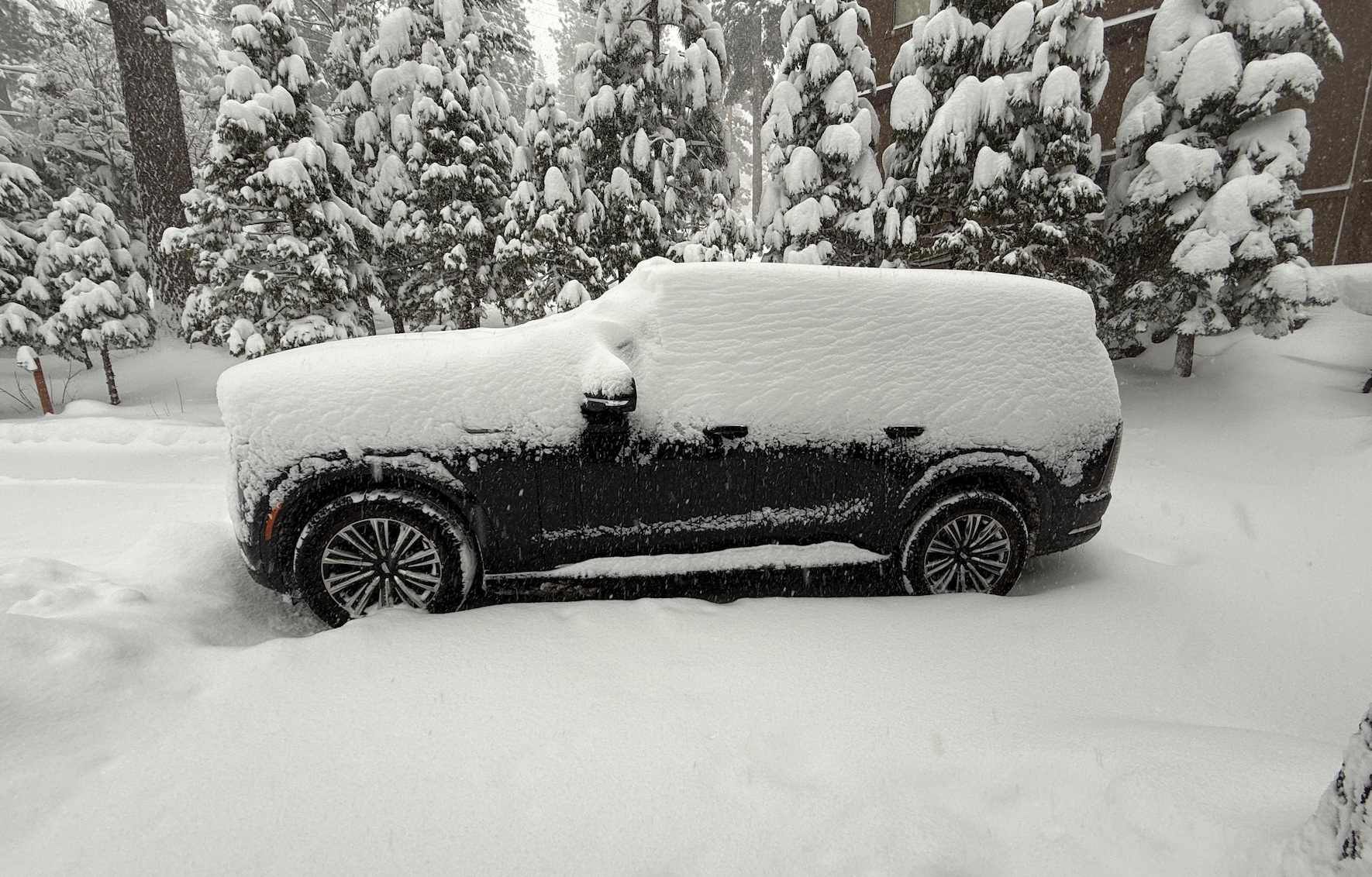
The advent of the Cadillac Escalade IQL, General Motors’ formidable electric SUV, recently provided a unique test-driving opportunity, challenging a seasoned car enthusiast’s initial reservations during a week-long excursion to Tahoe. Offered the use of this monumental vehicle, which commands a starting price exceeding $130,000, the individual embarked on a journey that began with skepticism about its colossal dimensions and culminated in a surprising appreciation for its capabilities, particularly under extreme weather conditions. This experience highlights a broader shift in the automotive landscape, where iconic luxury brands are navigating the transition to electric powertrains while retaining their established appeal.
The Escalade’s Legacy and Electric Evolution
The Cadillac Escalade has long stood as a definitive symbol of American luxury and aspiration since its introduction in 1999. It rapidly carved out a niche as the vehicle of choice for large families, celebrities, and anyone desiring an opulent, commanding presence on the road. Its robust design, spacious interior, and powerful engines solidified its status as a cultural icon, representing excess and prestige. The decision by General Motors to electrify this flagship model with the IQL variant is a strategic move, reflecting the industry’s rapid pivot towards sustainable mobility while attempting to preserve the core identity that has made the Escalade so successful. The IQL leverages GM’s Ultium battery platform, a modular architecture designed to underpin a wide range of electric vehicles across its brands, signaling a significant investment in its electric future. This electrification is not merely an adaptation but an ambitious redefinition, aiming to integrate cutting-edge EV technology with the uncompromised luxury and performance expected of an Escalade.
First Encounters: Size and Initial Discomfort
Upon its delivery, the IQL’s sheer scale was immediately striking. Measuring 228.5 inches in length and 94.1 inches in width, its physical presence dwarfed other vehicles, making personal cars appear almost miniature in comparison. This initial impression evoked a sense of "monstrosity" rather than grandeur for the reviewer, who noted that a previous San Francisco apartment had been smaller than the vehicle. Navigating residential driveways presented an immediate challenge; the height of the hood, coupled with the vehicle’s overall length, created blind spots that made maneuvering uphill an unnerving experience. The first few days involved a conscious effort to acclimate to its dimensions, with the driver feeling compelled to justify its presence to friends, acknowledging the vehicle’s imposing nature. This early sentiment underscored a common societal perception that such large vehicles, particularly in urban or environmentally conscious areas like the Bay Area, might be viewed as an ostentatious display of "excess."
Digital Maximalism: Inside the Cabin
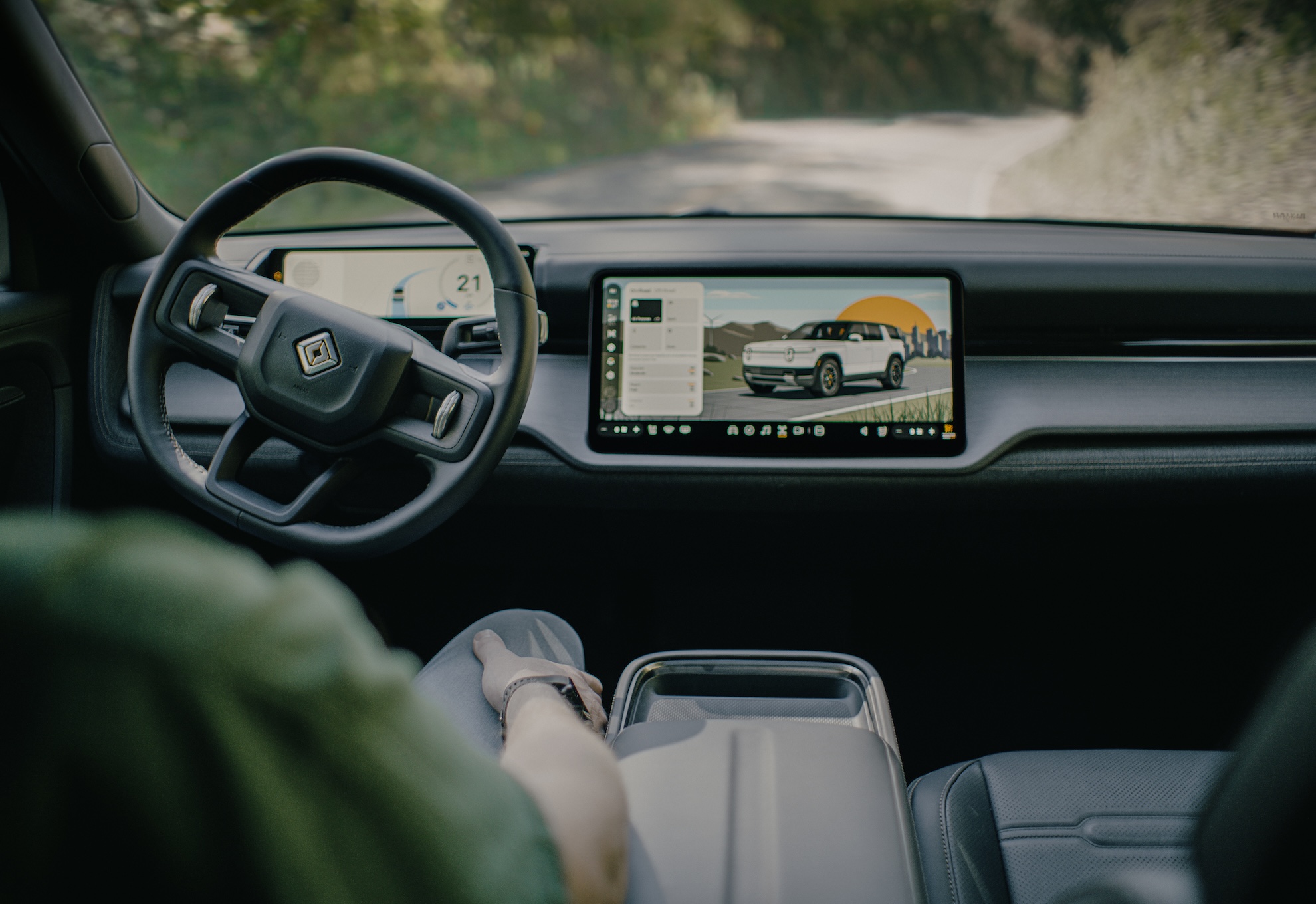
Stepping inside the Escalade IQL, however, quickly begins to reshape perceptions. The interior is a testament to digital maximalism, transforming the cabin into a sophisticated command center. A sweeping 55-inch curved LED display with 8K resolution dominates the dashboard, offering an expansive visual interface that surpasses typical automotive screens. This colossal display, more akin to a sophisticated control panel than a mere infotainment system, provides an immersive experience for the driver and front passenger, who also benefits from a dedicated screen. Rear passengers are treated to 12.6-inch personal screens, complemented by stowable tray tables, dual wireless chargers, and in premium configurations, even massage seats. This array of features is designed to create an environment where occupants might "forget they’re in a vehicle at all," emphasizing comfort and entertainment.
The cabin’s design prioritizes unparalleled spaciousness. With 45.2 inches of front legroom, 41.3 inches in the second row, and a generous 32.3 inches for the third row, the IQL comfortably accommodates seven adults, mitigating the typical discomfort associated with extended journeys in the rear. Standard amenities include heated and ventilated leather seats with 14-way power adjustment in the first two rows, and the entire system operates on 5G Wi-Fi, ensuring seamless connectivity. The audio experience is elevated by a 38-speaker AKG Studio sound system, lauded for its immersive quality.
Advanced Driver Assistance and Software Interface
The Escalade IQL also integrates GM’s Super Cruise, a hands-free driving assistance system. While highly praised by many professional reviewers, the test driver’s experience highlighted the learning curve associated with such advanced technology. The system’s "driver takeover request" sequence, involving visual alerts, haptic seat pulses, and auditory chimes, was encountered during instances where the vehicle’s lane-keeping felt less precise than expected. This interaction underscores the evolving relationship between human drivers and increasingly autonomous vehicle systems, where trust and familiarity are built over time.
In terms of overall software performance, the IQL’s interface was described as "absolutely fine," yet it faced an implicit comparison to the seamlessness often associated with Tesla’s ecosystem. This observation reflects a broader sentiment within the EV community, where Tesla’s software integration often sets a benchmark for intuitive design and responsive execution. For other automakers, bridging this perceived gap in user experience remains a significant challenge as they develop their proprietary operating systems.
Exterior Presence and Design Philosophy
Beyond its technological prowess, the Escalade IQL’s exterior design strikes a balance between imposing size and refined aesthetics. Despite its "handsome giant" appearance, the non-functional grille, characteristic of many EVs adapting traditional designs, initially felt "comically imposing." However, the vehicle’s overall proportions were noted to "just work," conveying a sense of restrained power. The IQL also boasts an elaborate "advanced, all-LED exterior lighting system," featuring an illuminated "crystal shield" grille, vertical headlamps, and "choreography-capable tail lamps" that activate with an elaborate light show upon driver approach. This visual spectacle, designed to convey a sense of welcome and technological sophistication, immediately captivated the reviewer, adding to the vehicle’s unique allure. It contributes to the vehicle’s overall statement, projecting an image of authority and executive presence, a key aspect of the Escalade’s brand identity.
Driving Dynamics and Practical Challenges
Despite its substantial 9,000-pound curb weight, the Escalade IQL exhibited unexpected agility, defying expectations of a cumbersome driving experience. While not comparable to a sports car, its handling was surprisingly responsive for a vehicle of its dimensions, a characteristic often attributed to the low center of gravity afforded by its large underfloor battery pack.
However, the experience was not without its frustrations. The "frunk" (front trunk) and rear trunk operations proved idiosyncratic, requiring specific, counter-intuitive button presses and hold durations that differed from each other and from standard industry practices. Furthermore, the vehicle twice refused to power down correctly, requiring a peculiar sequence of opening/closing the frunk, shifting gears, and exiting to resolve the issue. These minor operational quirks point to areas where user interface design could be streamlined for a more intuitive experience.
The Charging Conundrum: A Major Hurdle
Perhaps the most significant challenge encountered was the charging experience, particularly in the winter conditions of Tahoe. The Escalade IQL, with its enormous 205 kWh battery pack, is a "thirsty machine," consuming approximately 45 kWh per 100 miles, which is notably higher than many comparable electric SUVs. While Cadillac estimates a theoretical 460 miles of range in ideal conditions, cold weather, elevation changes, and unplanned detours significantly impact real-world performance.
The search for reliable charging infrastructure became a critical test of the EV ecosystem. Attempts to use a seemingly compatible Tesla Supercharger in Tahoe City were unsuccessful, with a GM representative later clarifying that non-Tesla vehicles are often throttled to a mere 6 kilowatts per hour, if they connect at all. This highlights the ongoing fragmentation of charging networks, despite recent moves towards NACS standardization. A nearby EVGo station had been decommissioned, and two ChargePoint units were either non-functional or failed to initiate charging. This "charging desert" scenario underscored the critical importance of robust and reliable infrastructure, especially for large, high-consumption EVs operating in less populated or tourist-heavy regions. Ultimately, a 12-mile drive through gathering snow led to a functioning Electrify America station, but the incident highlighted the significant planning and potential anxiety associated with long-distance EV travel outside of well-served corridors.
Another practical issue surfaced with significantly reduced tire pressure in cold weather, necessitating manual inflation. The sheer weight of the vehicle places considerable demands on its tires, making proper maintenance crucial for safety and performance, especially in challenging environments.
The Turning Point: A Fortress in the Storm
Despite the initial trepidation and logistical hurdles, the Escalade IQL’s true value became undeniable when a severe snowstorm descended upon Tahoe, dumping eight feet of snow. What would typically be a terrifying driving scenario transformed into a serene experience due to the vehicle’s formidable presence. Its 9,000-pound weight, previously viewed as a liability, became its greatest asset, providing exceptional stability and traction, akin to "driving a tank through the snow." This unexpected performance in adverse conditions triggered a profound shift in the driver’s perception. The initial self-consciousness about the vehicle’s size gave way to a sense of empowerment and security. The Escalade IQL transcended its role as a mere mode of transport, becoming a reliable sanctuary against the elements, a "fortress" for the family.
This transformation in perception is a critical aspect of understanding the modern luxury SUV market. Beyond performance figures and technology, the emotional connection and sense of security a vehicle provides, particularly in challenging situations, can override initial critiques. The social statement of driving such a large vehicle, initially a source of mild discomfort for the reviewer, evolved into an appreciation for its protective capabilities and commanding presence.
Enduring Appeal and Future Considerations
Even after the snow subsided and the IQL reverted to being "just a very dirty car," its unexpected appeal lingered. The experience affirmed the vehicle’s luxurious appointments, the immersive sound system, and the commanding driving position. While acknowledging its persistent drawbacks—the counter-intuitive frunk operation, the persistent challenges of charging infrastructure, and the inherent difficulties of parking such a large machine—the reviewer’s initial skepticism had been replaced by a genuine desire to retain the vehicle.
The Cadillac Escalade IQL embodies a complex paradox: a vehicle of undeniable luxury and technological sophistication that simultaneously confronts the practical realities of EV infrastructure and the evolving societal perceptions of automotive excess. It represents Cadillac’s bold step into the electric future, retaining the grandeur of its iconic nameplate while navigating the demands of sustainability. For consumers, the IQL offers a glimpse into a future where luxury, immense capability, and electric power converge, albeit with a reminder that the ecosystem supporting these powerful machines is still very much under construction.