Amir Mahmud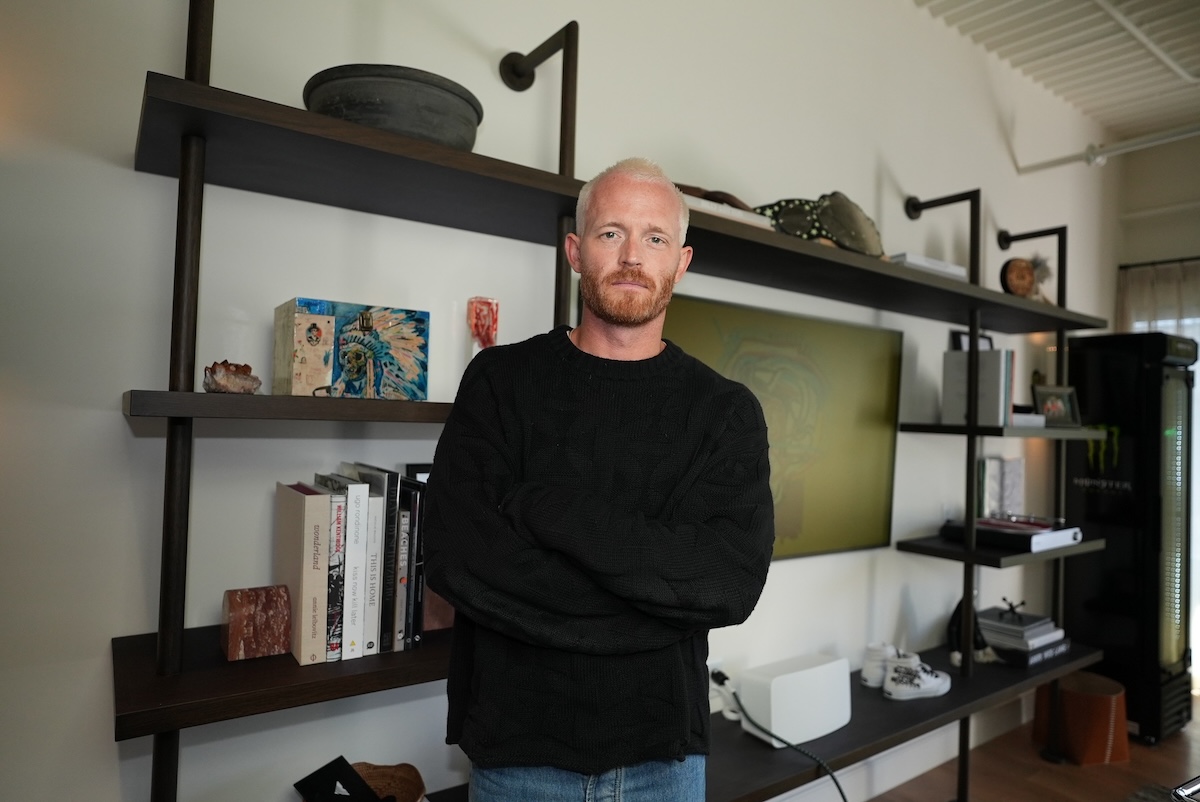
A pioneering educational technology firm dedicated to guiding young individuals toward fulfilling, unconventional professional paths has successfully concluded a Series A funding round, raising $5 million. This latest capital infusion elevates Find Your Grind’s total funding to $8 million, earmarked for significantly broadening its distinctive "career readiness" initiatives across the United States. The platform, co-founded by entrepreneur and musician Nick Gross, aims to bridge the widening gap between traditional academic instruction and the dynamic realities of the modern global workforce, empowering students to identify and cultivate skills for professions often overlooked by conventional guidance systems.
The Genesis of a New Educational Paradigm
Nick Gross, widely recognized for his musical endeavors as the drummer for the punk-rock band Goldfinger and his earlier work with Open Air Stereo, which gained prominence through MTV’s reality series "Laguna Beach," brings a unique perspective to educational innovation. His journey, commencing at the age of 17 within the music industry, underscored the critical need for alternative career pathways and comprehensive mentorship for young people. Gross observed firsthand the limitations faced by students in exploring diverse professional options, often constrained by a lack of exposure to emerging fields or non-linear career trajectories within traditional schooling environments. This personal revelation catalyzed the vision for Find Your Grind: a platform designed to illuminate a spectrum of careers that resonate with individual passions and contemporary opportunities, moving beyond the familiar blueprints of doctor, lawyer, or engineer.
The company’s mission addresses a profound shift in societal values and economic structures. For decades, the path from high school to college and then into a stable, often corporate, job was the idealized trajectory. However, the dawn of the 21st century brought with it an acceleration of technological advancement, globalization, and cultural evolution that fundamentally reshaped the world of work. Traditional industries have contracted or transformed, while entirely new sectors, driven by digital innovation and creative economies, have emerged. This has left many educational institutions struggling to adapt their curricula and career guidance models to adequately prepare students for a future that is increasingly fluid and unpredictable.
Navigating a Shifting Professional Landscape
The global economy is in a perpetual state of flux, characterized by rapid technological advancements, the rise of the gig economy, and the burgeoning creator economy. This dynamic environment presents both immense opportunities and significant challenges for young people entering the workforce. Conventional career counseling, often rooted in industrial-era models, frequently prioritizes job stability, salary potential, and linear advancement within established hierarchies. While these factors remain important, they often fail to capture the holistic aspirations of a new generation that values purpose, flexibility, and alignment with personal values as much as, if not more than, purely financial incentives.
According to various economic forecasts, including reports from the World Economic Forum, millions of jobs are projected to become obsolete within the next decade due to automation and evolving market demands, while entirely new roles will simultaneously emerge. This necessitates a fundamental re-evaluation of how societies prepare their youth for economic participation. The skills gap—the disparity between the skills employers need and those job seekers possess—is a persistent global concern. Moreover, the psychological aspect of career choice, including self-awareness, emotional intelligence, and resilience, has gained increasing recognition as crucial for long-term professional satisfaction and adaptability. Students today are less inclined to pursue careers solely based on societal expectations, instead seeking roles that genuinely align with their interests, strengths, and desired lifestyles. This cultural shift underscores the urgency for innovative platforms like Find Your Grind to offer a more nuanced and individualized approach to career exploration.
Find Your Grind’s Innovative Framework
Find Your Grind’s platform is meticulously designed to move beyond simplistic career matching, focusing instead on cultivating a deeper understanding of self and the professional landscape. It emphasizes four core competencies: self-awareness, career awareness, social awareness, and action awareness. This holistic framework aims to equip students not just with knowledge of various professions, but also with the introspective tools to understand how those professions might align with their inherent talents, personality traits, and life goals.
A cornerstone of the platform is its "Lifestyle Assessment." This proprietary tool guides students through a series of reflective questions and scenarios to help them identify potential lifestyle paths that resonate with their preferences. For instance, a student might discover a natural alignment with the roles of an entertainer, a creator, or a humanitarian, based on their responses. Following this assessment, students receive a personalized "next-step plan," offering actionable guidance on how to pursue these identified paths post-graduation. This bespoke approach departs significantly from generic career aptitude tests, focusing instead on the lived experience and personal fulfillment aspects of a chosen profession.
The platform also offers a rich multimedia learning experience, featuring video content and interactive lessons that delve into the realities of diverse professions. Critically, it integrates a robust mentorship program, providing students direct access to insights from successful individuals across various fields. Notable mentors include skateboarding icon Tony Hawk, BMX athlete Tony Hoffman, and music innovator will.i.am. These mentors share their personal journeys, detailing their initial career steps, challenges overcome, and the strategies they employed to achieve success. Such firsthand accounts offer invaluable practical advice and inspiration, demystifying the path to unconventional achievements.
In a nod to cutting-edge educational technology, Find Your Grind incorporates an AI-powered "Reflective Coach." This intelligent assistant provides personalized feedback on student responses and encourages deeper introspection, prompting users to explore the motivations and implications behind their choices. The AI coach acts as a non-judgmental guide, facilitating a more profound self-discovery process, which is essential for informed decision-making regarding future career trajectories.
Market Impact and Expansion Trajectory
The $5 million Series A funding round, spearheaded by Echo Investment Capital with additional backing from Gross Labs, will be instrumental in fueling Find Your Grind’s expansion efforts. The company plans to significantly scale its "career readiness" programs across the United States, reaching a broader student population. This expansion is not merely about increasing user numbers but also about deepening the platform’s impact within local communities.
Find Your Grind is actively engaged in workforce development initiatives, including organizing "lifestyle fairs" that provide students with immersive, real-world experiences. These events connect students with local employers and professionals, offering tangible insights into job opportunities within their hometowns that align with the lifestyle preferences identified through the platform. The inaugural program in Oklahoma City exemplifies this localized approach, working in collaboration with local schools and training centers to forge direct pathways between student aspirations and regional economic needs. The company intends to replicate this successful model in numerous other cities, fostering community-specific career ecosystems.
To date, Find Your Grind has already made a significant impact, having assisted approximately 100,000 students in their career exploration journeys. Nick Gross expresses ambitious goals for the future, articulating a vision for "over a million students" to leverage the platform, becoming "more future-ready" and better equipped to navigate the complexities of the evolving professional landscape.
The Broader Social and Cultural Implications
The success and expansion of platforms like Find Your Grind have profound social and cultural implications. In an era where digital literacy and adaptability are paramount, providing students with tools to explore and understand diverse career options early on can significantly reduce anxiety about the future and foster a more entrepreneurial mindset. It can also help democratize access to career guidance, particularly for students in underserved communities who may lack access to comprehensive traditional counseling services or networks.
By highlighting professions such as content creation, social media management, and professional esports, Find Your Grind validates careers that might be dismissed by older generations but hold immense appeal and economic potential for younger demographics. This validation is crucial for fostering self-belief and encouraging students to pursue paths that align with their authentic interests, rather than conforming to outdated expectations. The platform’s emphasis on lifestyle alignment also speaks to a broader cultural shift towards prioritizing work-life balance and personal fulfillment, reflecting a generation that seeks more than just a paycheck from their professional lives.
As educational institutions grapple with preparing students for jobs that may not yet exist, collaboration with innovative EdTech solutions like Find Your Grind becomes increasingly vital. Such partnerships can enrich existing curricula, provide supplementary resources, and expose students to a wider array of possibilities, ultimately cultivating a more adaptable, resilient, and purpose-driven workforce for the future. The investment in Find Your Grind signals a growing recognition of the urgent need to redefine career readiness for the 21st century, moving beyond traditional paradigms to embrace a more personalized, dynamic, and future-oriented approach.