Amir Mahmud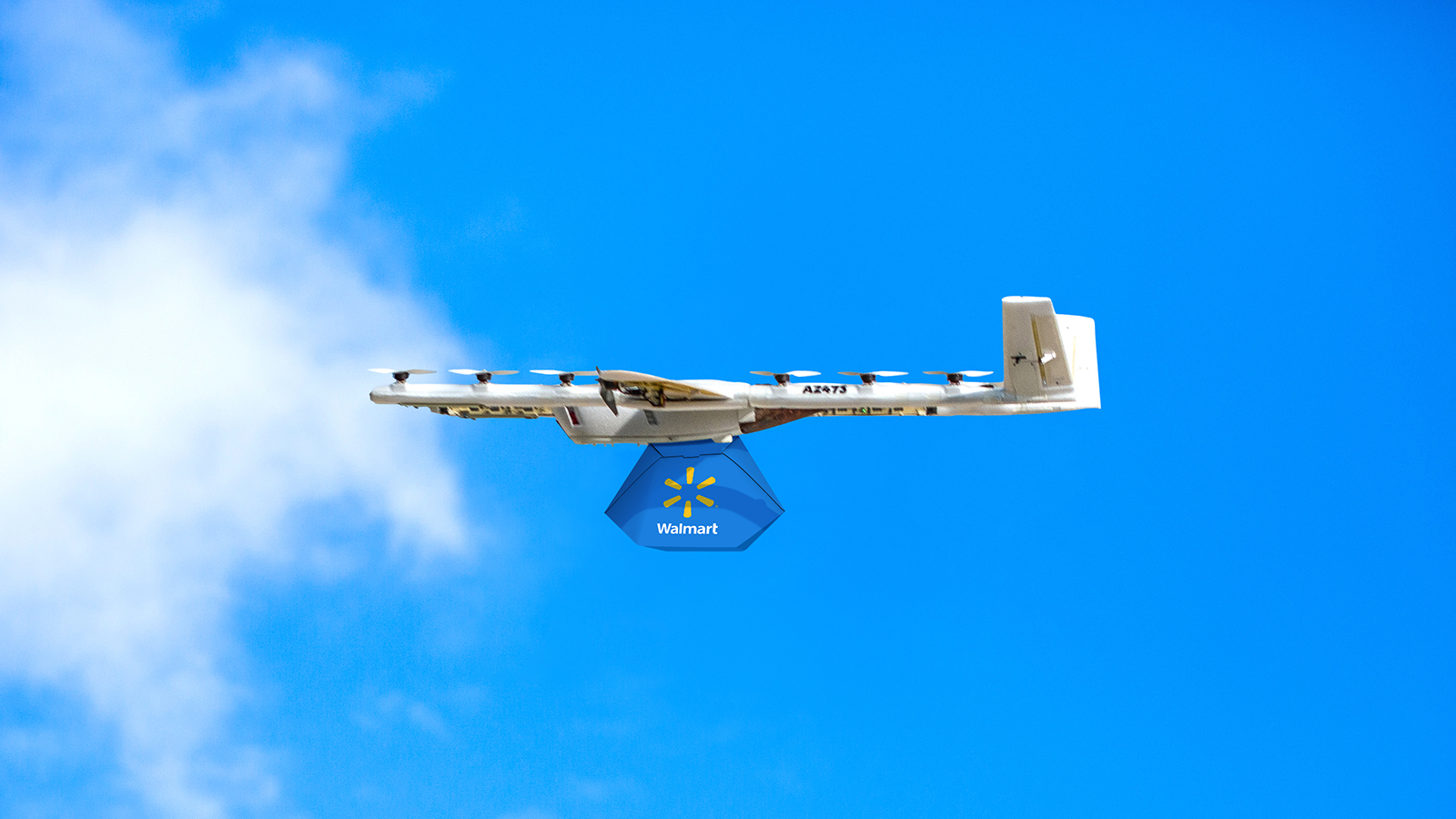
Wing, the autonomous drone delivery service owned by Alphabet, is significantly broadening its strategic alliance with retail giant Walmart, announcing plans to extend its on-demand aerial delivery network to an additional 150 Walmart stores across the United States. This substantial expansion, which will unfold through 2027, marks the second major growth initiative between the two companies in less than a year, underscoring a deepening commitment to the nascent but rapidly evolving drone delivery sector. The initiative is set to build upon successful existing operations in the Dallas-Fort Worth metropolitan area and Atlanta, bringing convenient, rapid delivery of everyday essentials directly to consumers’ homes via the skies.
A Trajectory of Growth and Innovation
The journey of Wing, initially incubated within Google’s experimental X division, has been a testament to Alphabet’s long-term vision for autonomous technology. What began as a research project focused on developing a safe and efficient drone delivery system has matured into a commercial enterprise, operating in multiple countries. Wing’s early trials in Australia and Finland provided invaluable data on operational logistics, regulatory navigation, and consumer acceptance before its formal launch in the United States. These international proving grounds allowed the company to refine its autonomous aircraft technology, optimize flight paths, and develop robust safety protocols, paving the way for its ambitious domestic rollout.
Walmart, a retail behemoth continuously seeking innovative ways to enhance its last-mile delivery capabilities and compete in an increasingly digital marketplace, first partnered with Wing in 2023. This collaboration commenced with a pilot program at two stores in the Dallas metro area, reaching approximately 60,000 homes. The success of this initial phase prompted a rapid expansion to 18 Walmart Supercenters within the Dallas-Fort Worth region, followed by a strategic move into Atlanta. The current announcement of 150 more stores signifies a critical inflection point, transitioning drone delivery from an experimental novelty to a scalable, integral component of Walmart’s extensive logistics network. This rapid escalation reflects a positive reception from consumers and a clear business case for further investment. The rollout includes previously announced launches in major markets such as Houston (starting January 15), Orlando, Tampa, and Charlotte, with future operations planned for Los Angeles, St. Louis, Cincinnati, and Miami. Upon completion of this expansion, Wing anticipates operating from more than 270 Walmart stores, collectively serving an estimated 10% of the U.S. population.
Innovating the Last Mile: Technology and Operations
Wing’s drone technology represents a sophisticated blend of aerospace engineering and artificial intelligence. Its aircraft are designed for vertical takeoff and landing, allowing them to operate from compact spaces, such as designated areas within Walmart parking lots. Once airborne, they transition to horizontal flight, efficiently covering distances to customer homes. The drones are entirely autonomous, navigating pre-programmed flight paths, avoiding obstacles, and safely lowering packages via a tether system without needing to land. This hands-off approach minimizes human intervention and maximizes delivery efficiency.
A significant technological advancement highlighted by Heather Rivera, Wing’s new chief business officer, is the recent completion of commercial flights for its larger aircraft, capable of carrying a five-pound payload. This increased capacity is crucial for broadening the range of items that can be delivered, moving beyond small convenience items to include heavier groceries or multiple products in a single order. The focus for Wing, according to Rivera, is on co-locating its service directly at Walmart sites and seamlessly integrating its operations into the retailer’s existing infrastructure. This strategy leverages Walmart’s extensive footprint and supply chain, reducing the need for separate fulfillment centers and streamlining the entire delivery process.
Operational scaling also involves strategic deployment. Wing has adopted an approach of clustering store openings, as demonstrated by the simultaneous launch of six stores in Atlanta last year. This method allows for efficient resource allocation, centralized maintenance, and optimized flight path management across a localized network of delivery points. While the logistical complexities of integrating autonomous aerial vehicles into congested airspace and local communities are considerable, Wing’s emphasis on safety, quiet operation, and customer convenience remains paramount.
Shaping Consumer Expectations and Retail Futures
The expansion of drone delivery services is poised to have a profound impact on consumer behavior and the future of retail. For consumers, the allure of drone delivery lies in its unparalleled speed and convenience. The ability to order an item – be it a forgotten ingredient for dinner, over-the-counter medicine, or a quick snack – and have it arrive within minutes offers a new level of instant gratification. Rivera noted that Wing’s top 25% of customers are utilizing the service as frequently as three times a week, indicating a strong integration into their daily routines. The most commonly ordered items, such as eggs, ground beef, fresh tomatoes, avocados, limes, Lunchables, and Takis, highlight a blend of essential groceries and popular impulse buys, demonstrating the service’s versatility. This immediate access to goods can significantly alter shopping patterns, potentially reducing reliance on larger, less frequent grocery runs and fostering a culture of hyper-convenience.
For retailers like Walmart, drone delivery represents a strategic imperative in a fiercely competitive e-commerce landscape. It offers a distinct advantage in the "last mile," often the most expensive and challenging segment of the delivery chain. By leveraging drones, Walmart can potentially reduce delivery times and costs, enhance customer loyalty, and expand its reach to areas that might be less efficiently served by traditional road-based delivery methods. The partnership also allows Walmart to experiment with its physical store locations as micro-fulfillment centers, where orders are picked and prepared for drone dispatch, thereby optimizing existing assets. This innovation positions Walmart not just as a traditional retailer but as a forward-thinking logistics provider.
Beyond immediate convenience, the broader social and cultural implications are significant. As drone delivery becomes more commonplace, it could influence urban planning, infrastructure development, and even noise ordinances. The environmental benefits of electric drones, which produce zero tailpipe emissions compared to gasoline-powered delivery vans, also contribute to sustainability goals, though the energy consumption for charging and manufacturing remains a consideration. The increasing visibility of drones in the sky may also gradually normalize autonomous technologies, fostering greater public acceptance and paving the way for other applications.
Navigating the Regulatory Landscape
One of the most critical aspects of scaling drone delivery operations is navigating the complex regulatory environment. In the United States, the Federal Aviation Administration (FAA) governs airspace and drone operations. While initial regulations, such as Part 107, permitted commercial drone flights under certain conditions (e.g., within visual line of sight), widespread drone delivery requires more advanced approvals, particularly for Beyond Visual Line of Sight (BVLOS) operations. Wing, along with other drone delivery providers, has been actively working with the FAA to develop and secure these necessary waivers and certifications, which are essential for operating autonomously over larger areas and without human observers.
The process involves rigorous safety assessments, demonstration of reliable technology, and adherence to strict operational protocols. The FAA’s willingness to grant these approvals, coupled with ongoing collaboration with industry leaders, is a strong indicator of the agency’s commitment to safely integrating drones into the national airspace system. However, regulatory frameworks are continually evolving, and staying ahead of these changes while ensuring compliance is an ongoing challenge for companies like Wing. State and local governments also play a role, particularly concerning ground operations, launch sites, and local community acceptance.
The Economic Imperative and Future Outlook
While Wing’s new chief business officer, Heather Rivera, did not disclose profitability figures or timelines, she explicitly stated her mandate to scale the business. Her assertion that "volume is definitely powering our flywheel" underscores the fundamental economic principle guiding Wing’s strategy: achieving economies of scale through widespread adoption is critical for long-term viability. The significant upfront investment in drone technology, infrastructure, and regulatory compliance necessitates a massive customer base and high order volumes to become profitable.
The strategic partnership with Walmart is pivotal to this economic imperative. By leveraging Walmart’s vast network of stores and millions of customers, Wing gains immediate access to the volume needed to drive down per-delivery costs, optimize its operational efficiencies, and justify further technological advancements. This collaboration is far more than a simple vendor-client relationship; it’s a symbiotic alliance aimed at reshaping the future of retail logistics. While Wing does maintain a partnership with DoorDash, its primary and most robust path to commercial success appears firmly anchored in its alliance with Walmart.
Looking ahead, the drone delivery market is poised for continued growth, fueled by technological advancements, regulatory progress, and increasing consumer demand for speed and convenience. The expansion by Wing and Walmart serves as a powerful signal to the industry and investors that drone delivery is moving beyond niche applications and into mainstream commercial operations. Challenges remain, including public perception, environmental factors (e.g., extreme weather), and the continuous need for innovation to handle diverse payloads and delivery scenarios. However, with significant investment from technology giants and the strategic backing of retail leaders, the skies above American suburbs are increasingly becoming a new frontier for commerce, promising a future where goods arrive not just quickly, but directly from the sky.