Amir Mahmud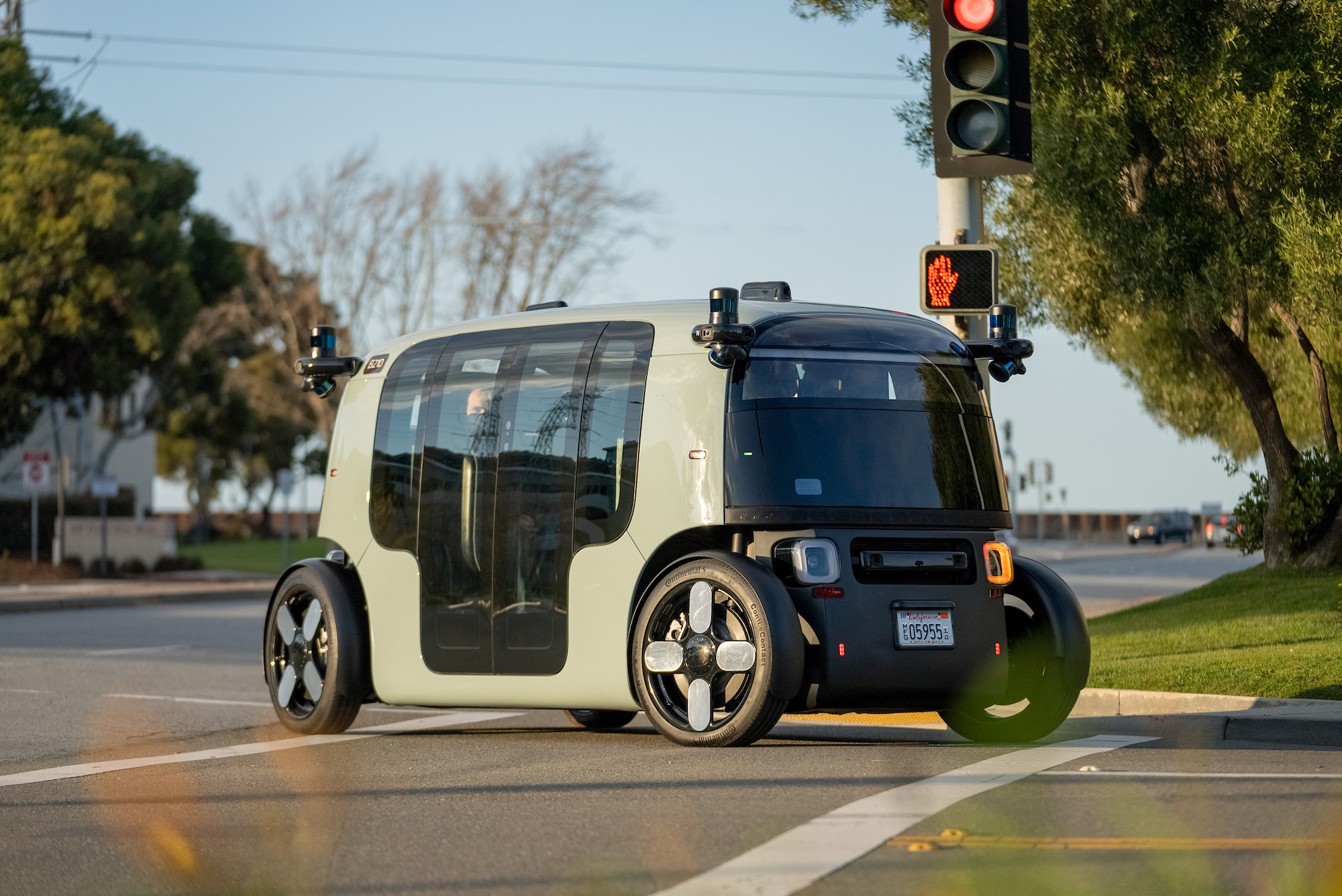
The landscape of urban transportation is poised for a significant transformation as Amazon-owned Zoox prepares to integrate its distinctive robotaxis onto the Uber ride-hailing platform in Las Vegas later this year. This collaboration, unveiled recently by both companies, marks a pivotal moment for Zoox, signifying its first major third-party partnership, and further solidifies Uber’s expansive strategy in the burgeoning autonomous vehicle (AV) sector. The ambitious plan, however, is contingent upon securing crucial federal regulatory approvals, a process that is currently underway with the National Highway Traffic Safety Administration (NHTSA).
The Road to Commercial Deployment: Regulatory Hurdles
At the heart of Zoox’s immediate challenge lies the need for exemptions from several Federal Motor Vehicle Safety Standards (FMVSS). Unlike conventional vehicles, Zoox’s purpose-built robotaxis are designed without traditional human controls such as a steering wheel or pedals, a feature that necessitates a re-evaluation of existing safety regulations. On a recent Wednesday, the NHTSA initiated a 30-day public comment period concerning Zoox’s application for these specific exemptions. While Zoox currently operates under an exemption that permits demonstration rides in certain cities, this new application seeks the broader authorization required for full commercial deployment. The requested exemptions reportedly cover eight distinct FMVSS provisions, including those pertaining to windshield defrosting systems and windshield wipers, underscoring the unique design philosophy of these fully autonomous vehicles. The timeline for NHTSA’s final ruling remains uncertain, yet the agency’s leadership has expressed a clear intent to advance a more defined regulatory framework for self-driving cars. Jonathan Morrison, NHTSA’s chief, recently articulated a desire to move "past the hand-waving and hype" towards "necessary, hard policy work" to establish robust oversight while simultaneously fostering innovation. This statement signals a federal commitment to navigating the complex regulatory terrain that is critical for the widespread adoption of autonomous technologies.
Zoox’s Vision and Amazon’s Influence
Zoox, founded in 2014, emerged with an audacious vision: to create a completely reimagined, bidirectional autonomous vehicle from the ground up, specifically for dense urban environments. Their distinctive "carriage-style" vehicle design, which allows for movement in either direction without turning around, embodies this commitment to purpose-built autonomy. The company’s trajectory took a significant turn in 2020 when it was acquired by Amazon for an estimated $1.2 billion. This acquisition provided Zoox with substantial capital, technological resources, and strategic backing from one of the world’s largest corporations, accelerating its development and expansion efforts. Amazon’s foray into autonomous driving through Zoox is seen as a strategic play, potentially extending beyond ride-hailing to logistics and last-mile delivery in the long term, leveraging its vast e-commerce ecosystem.
Prior to making its vehicles available on the Uber platform, Zoox intends to launch its own commercial ride-hailing service in Las Vegas. The company has already been offering complimentary rides to the public in both Las Vegas and San Francisco, gathering invaluable real-world data and refining its autonomous driving system. Beyond these initial operational hubs, Zoox is actively mapping and establishing a presence in at least eight additional U.S. cities, including key markets like Dallas and Phoenix, signaling a methodical, multi-city rollout strategy. The multi-year partnership with Uber also outlines plans to expand services to Los Angeles by 2027, indicating a clear, phased approach to market penetration in major metropolitan areas.
Uber’s Evolving Autonomous Strategy
For Uber, this alliance with Zoox represents another calculated move in its long-standing, yet evolving, engagement with autonomous vehicle technology. The ride-hailing giant initially pursued an aggressive in-house development strategy, investing heavily in its Advanced Technologies Group (ATG). However, after facing significant challenges, including a fatal accident in Arizona involving one of its test vehicles in 2018, and substantial financial outlays, Uber divested ATG to Aurora Innovation in 2020, taking a stake in Aurora in return. This strategic pivot marked a shift from direct development to a partnership-centric model, positioning Uber as a platform for various AV developers rather than a primary creator.
This current partnership with Zoox is far from Uber’s first foray into integrating third-party autonomous fleets. The company boasts an impressive network of over 25 partnerships with autonomous vehicle companies globally. Notable collaborations include Waymo, Google’s self-driving car unit, whose robotaxis are already accessible via the Uber app in cities such as Austin and Atlanta. Uber has also established alliances with Chinese autonomous driving leaders like Baidu and Pony.ai, with plans to test Baidu’s self-driving cars in London. Further strengthening its diverse portfolio, Uber has partnered with Volkswagen and May Mobility, underscoring its commitment to being the leading aggregator for autonomous mobility solutions worldwide.
To further bolster these partnerships and ensure seamless integration, Uber has been building out dedicated infrastructure. In a significant move earlier this year, the company launched an "AV Labs" division, specifically designed to collect and analyze real-world driving data, providing crucial feedback and reinforcement for its partners’ autonomous systems. This was followed by the creation of "Uber Autonomous Solutions," a division focused on offering operational, software, and support services to its AV partners, demonstrating a comprehensive approach to facilitating the deployment and scaling of autonomous ride-hailing.
Las Vegas: A Proving Ground for Driverless Tech
Las Vegas has emerged as a particularly attractive market for autonomous vehicle companies, making it a logical choice for Zoox’s initial commercial launch and Uber integration. The city’s unique characteristics—a high volume of tourists, relatively predictable routes around major attractions, and a strong appetite for innovative technologies—create an ideal proving ground for robotaxi services. The self-contained nature of the Strip and surrounding areas, coupled with a dense network of hotels, casinos, and entertainment venues, offers a rich environment for autonomous operations without the complex, sprawling urban challenges of, for instance, a city like New York. Waymo, for example, already operates a fully driverless service in parts of Phoenix, Arizona, and has been actively expanding its footprint in Las Vegas as well. The competitive landscape in cities like Las Vegas is intensifying, with multiple players vying for market share and public acceptance.
Broader Market Dynamics and Competition
The autonomous vehicle industry is a high-stakes, capital-intensive race, characterized by intense competition and significant technological hurdles. Companies like Waymo and Cruise (though currently facing significant operational challenges and regulatory scrutiny) have been at the forefront, investing billions in research, development, and deployment. The entry of Zoox, backed by Amazon’s vast resources, and its strategic partnership with Uber, a global leader in ride-hailing, introduces a formidable new dynamic. This collaboration could accelerate the mainstream adoption of robotaxis by leveraging Uber’s immense user base and operational expertise, while Zoox provides a distinct, purpose-built autonomous vehicle.
The market impact of such partnerships extends beyond mere convenience. It has the potential to redefine urban mobility, reduce the environmental footprint of transportation, and, critically, improve road safety by mitigating human error, which is responsible for the vast majority of traffic accidents. However, the path to widespread adoption is not without its obstacles, including technological maturity, cost-effectiveness, and, perhaps most importantly, public trust and acceptance.
Societal Implications and the Path Forward
The promise of autonomous vehicles extends far beyond just replacing human drivers. It envisions a future with reduced traffic congestion, optimized vehicle utilization, and enhanced accessibility for individuals who cannot drive. The social and cultural implications are profound. While the prospect of job displacement for human drivers remains a significant concern, the emergence of new roles in AV maintenance, fleet management, and remote assistance could partially offset these losses. The societal benefits, particularly in terms of safety, could be transformative, yet they must be carefully balanced with ethical considerations, data privacy, and robust regulatory oversight.
The ongoing dialogue between innovators like Zoox and Uber, and regulators like NHTSA, is crucial. Morrison’s emphasis on developing a clear, explicit regulatory scheme reflects a growing understanding that consistent, adaptable federal guidelines are essential to foster innovation while safeguarding public safety. As Zoox seeks to clear these regulatory hurdles and integrate its advanced robotaxis into Uber’s ecosystem, the world watches a critical step in the journey towards a truly autonomous future, starting in the bright lights of Las Vegas. The success of this partnership will undoubtedly serve as a bellwether for the broader commercial viability and societal acceptance of driverless technology across the globe.