Amir Mahmud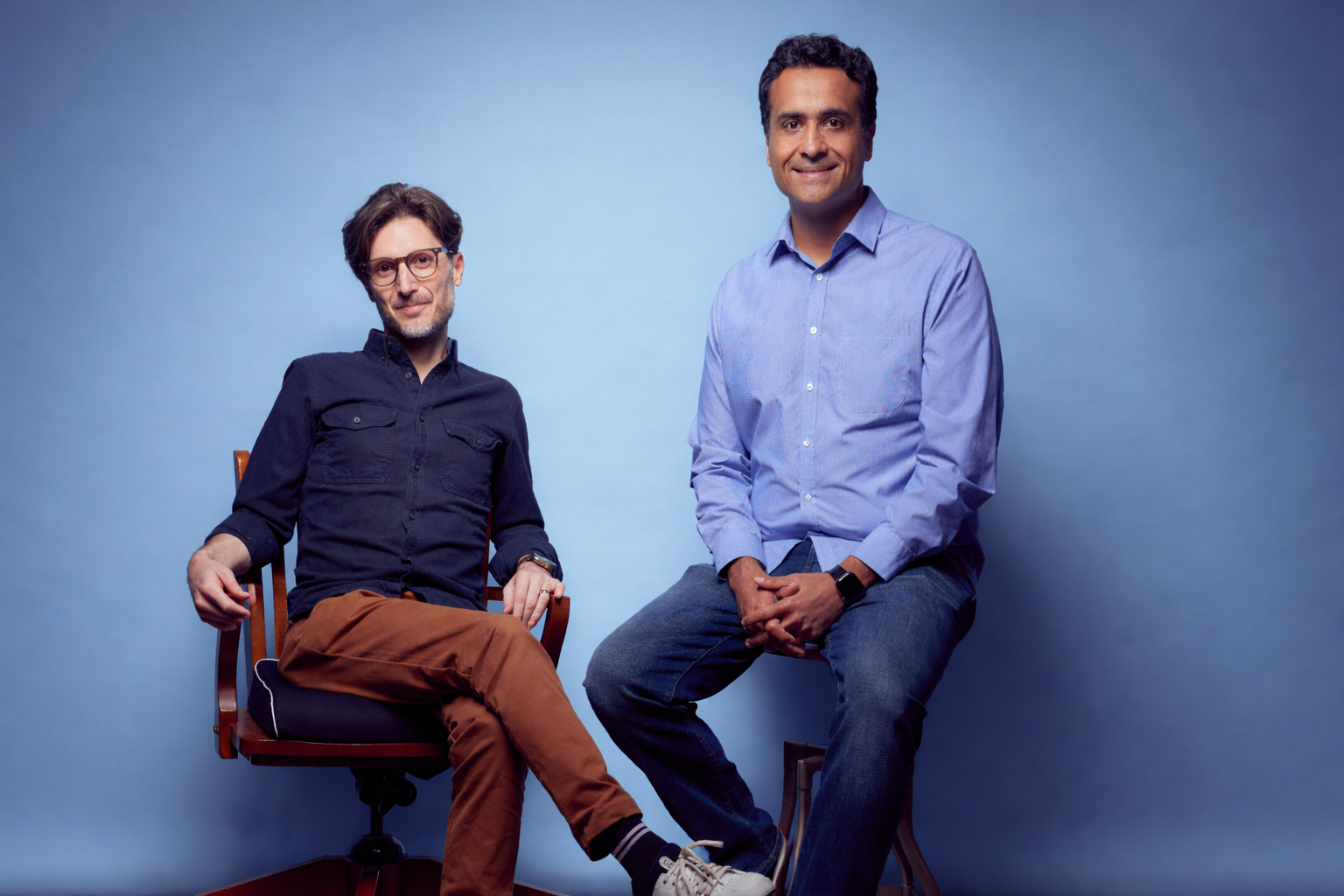
Moonbounce, an emerging force in the content moderation technology sector, has successfully raised $12 million in funding, signaling a pivotal moment in the ongoing battle against harmful online content. This significant investment, co-led by Amplify Partners and StepStone Group, is set to propel the company’s mission to revolutionize digital safety by leveraging advanced artificial intelligence. At the heart of Moonbounce’s innovative approach is the concept of "policy as code," a system designed to transform static content guidelines into dynamic, executable logic capable of real-time enforcement across diverse digital platforms.
The Genesis of a Solution: From Facebook’s Frontlines to AI’s Horizon
The journey to Moonbounce began with its founder, Brett Levenson, a veteran of the tech industry who arrived at Facebook in 2019 to lead business integrity. His tenure coincided with a period of intense scrutiny for the social media behemoth, reeling from the repercussions of the Cambridge Analytica scandal. This watershed moment had exposed the profound vulnerabilities in how user data was handled and, by extension, how content on the platform was managed. Levenson initially believed that technological enhancements alone could resolve Facebook’s pervasive content moderation challenges.
However, he quickly confronted a far more intricate reality. The existing system relied heavily on human reviewers, often tasked with memorizing extensive, 40-page policy documents that had been subjected to machine translation into various languages. These reviewers were then expected to make critical judgments on flagged content, typically within a mere 30 seconds. Their responsibilities extended beyond simply identifying policy violations; they also had to determine the appropriate course of action, whether blocking content, banning users, or limiting distribution. The accuracy of these rapid decisions, according to Levenson, hovered just above 50 percent—a figure he likened to "flipping a coin." This reactive, often inaccurate, and delayed approach was proving unsustainable against a backdrop of sophisticated, well-resourced adversarial actors constantly exploiting platform vulnerabilities.
A Deep Dive into the Content Moderation Crisis: A Historical Perspective
The issues Levenson encountered at Facebook were not isolated but emblematic of a systemic crisis that had been brewing across the internet for years. The proliferation of user-generated content platforms in the early 2000s, from forums and blogs to social networks, brought with it an unprecedented challenge: how to police the vast, diverse, and often volatile output of billions of users. Initially, platforms adopted a largely hands-off approach, believing in the self-regulating nature of online communities. This quickly proved naive.
The mid-to-late 2000s saw the rise of more organized forms of online harm, including hate speech, cyberbullying, and the spread of extremist propaganda. By the 2010s, with the explosion of social media, content moderation became a critical, yet largely invisible, function. Companies like Facebook, Twitter, and YouTube scaled up their human moderation teams dramatically, often outsourcing these roles to third-party vendors in countries with lower labor costs. These moderators, often under immense psychological strain, were exposed to the darkest corners of human expression—violence, child abuse, self-harm, and misinformation—without adequate support or recognition. The sheer volume of content made any human-centric system inherently flawed, prone to errors, and glacially slow compared to the speed at which harmful content could propagate globally. The Cambridge Analytica scandal, which revealed how personal data could be weaponized to influence elections, underscored the profound societal implications of inadequate platform governance and content oversight. It was a stark wake-up call that the digital public square, left unchecked, could become a breeding ground for manipulation and societal division.
The AI Revolution and the Intensification of Threats
The advent of generative artificial intelligence, particularly large language models (LLMs) and advanced image generators, has dramatically compounded the content moderation challenge. No longer is the primary concern solely about user-generated content; now, the very AI systems themselves can generate harmful, deceptive, or dangerous material at unprecedented speed and scale. Incidents where chatbots have provided self-harm guidance to teenagers, or where AI-generated imagery has been used to create non-consensual deepfakes, have become alarmingly frequent. These high-profile failures highlight a critical vulnerability: the internal safety filters of AI companies are often insufficient, leading to significant legal, ethical, and reputational liabilities.
The speed at which AI can produce convincing text, images, and even video means that traditional, reactive moderation systems are simply outmatched. A human reviewer, even with advanced tools, cannot possibly keep pace with an AI capable of generating millions of pieces of content in minutes. This new era demands a proactive, intelligent, and real-time defense mechanism. Governments and regulatory bodies worldwide are increasingly scrutinizing AI companies, pushing for greater accountability and demanding robust safety measures, further emphasizing the urgent need for external, specialized solutions.
Moonbounce’s Paradigm Shift: Policy as Code and Real-time Enforcement
Levenson’s frustration with the limitations of existing moderation models led him to conceive of "policy as code"—a transformative approach that underpins Moonbounce’s operations. This concept entails converting complex, often ambiguous, policy documents into precise, executable logic that can be directly applied to content enforcement. Moonbounce achieves this by training its own sophisticated large language model on a customer’s specific policy documents. This allows the system to understand the nuances and intent behind the rules, rather than simply matching keywords.
When content is generated, whether by a user or an AI, Moonbounce’s system evaluates it at runtime, delivering a response in an astonishing 300 milliseconds or less. This near-instantaneous analysis enables immediate action. Depending on customer preferences, this action could involve slowing down the distribution of potentially problematic content while it awaits a more thorough human review, or, in high-risk scenarios, blocking the content outright. This proactive, preventative capability stands in stark contrast to the delayed, reactive model Levenson witnessed at Facebook. By acting as a third-party safety layer, Moonbounce’s system avoids being "inundated with context" in the same way a chatbot itself might be, allowing it to focus solely on enforcing rules efficiently and objectively. The company’s unique position outside the primary content generation flow provides a crucial layer of unbiased oversight.
Market Impact and Diverse Applications
Moonbounce is strategically positioned to serve three critical verticals grappling with complex content safety issues. The first comprises platforms dealing with user-generated content, such as dating apps, where issues like harassment, inappropriate imagery, and privacy violations are constant threats. By integrating Moonbounce’s technology, these platforms can significantly enhance user safety and trust. Tinder, for example, has publicly reported a tenfold improvement in the accuracy of its content detections using similar LLM-powered services, underscoring the tangible benefits of such systems.
The second vertical includes AI companies building character-based or companion applications. These platforms face unique challenges related to preventing harmful interactions, emotional manipulation, or the generation of inappropriate responses by AI characters. Moonbounce provides the necessary guardrails to ensure these AI companions remain safe and constructive. Finally, AI image and video generators represent a rapidly evolving frontier for content moderation. With the ease of creating photorealistic deepfakes and other synthetic media, the potential for misuse—from non-consensual imagery to sophisticated disinformation campaigns—is immense. Moonbounce offers a crucial defense against such abuses, helping these platforms mitigate their legal and ethical risks.
Moonbounce’s rapid adoption is evident in its current scale: the company supports over 40 million daily content reviews and serves more than 100 million daily active users across its client base. Its customer roster already includes notable names like AI companion startup Channel AI, image and video generation company Civitai, and character roleplay platforms Dippy AI and Moescape. This broad appeal highlights the universal need for sophisticated, AI-driven content safety solutions across the burgeoning digital ecosystem. The company’s success also points to a shift in industry perception, where safety is no longer merely a compliance burden but a tangible product benefit and a key differentiator in a crowded market. As Lenny Pruss, General Partner at Amplify Partners, noted, "Content moderation has always been a problem that plagued large online platforms, but now with LLMs at the heart of every application, this challenge is even more daunting. We invested in Moonbounce because we envision a world where objective, real-time guardrails become the enabling backbone of every AI-mediated application."
The Next Frontier: Iterative Steering and Empathetic AI
Looking beyond real-time blocking, Moonbounce is already developing its next generation of capabilities, spearheaded by a feature called "iterative steering." This initiative is a direct response to some of the most tragic incidents involving AI, such as the widely reported 2024 case of a 14-year-old Florida boy who tragically took his own life after becoming obsessed with a Character AI chatbot. Instead of merely issuing a blunt refusal or block when harmful topics arise, iterative steering aims to intercept problematic conversations and actively redirect them.
The system would modify user prompts in real-time, subtly guiding the chatbot toward a more actively supportive and helpful response. This represents a significant evolution in AI safety, moving beyond passive detection to active intervention. Levenson envisions a future where AI not only identifies risk but also "steers the chatbot in a better direction to, essentially, take the user’s prompt and modify it to force the chatbot to be not just an empathetic listener, but a helpful listener in those situations." This nuanced approach could prove crucial in handling sensitive topics like mental health crises, offering a path towards therapeutic and supportive AI interactions rather than abrupt terminations that can exacerbate user distress.
Leadership and Vision for an Independent Future
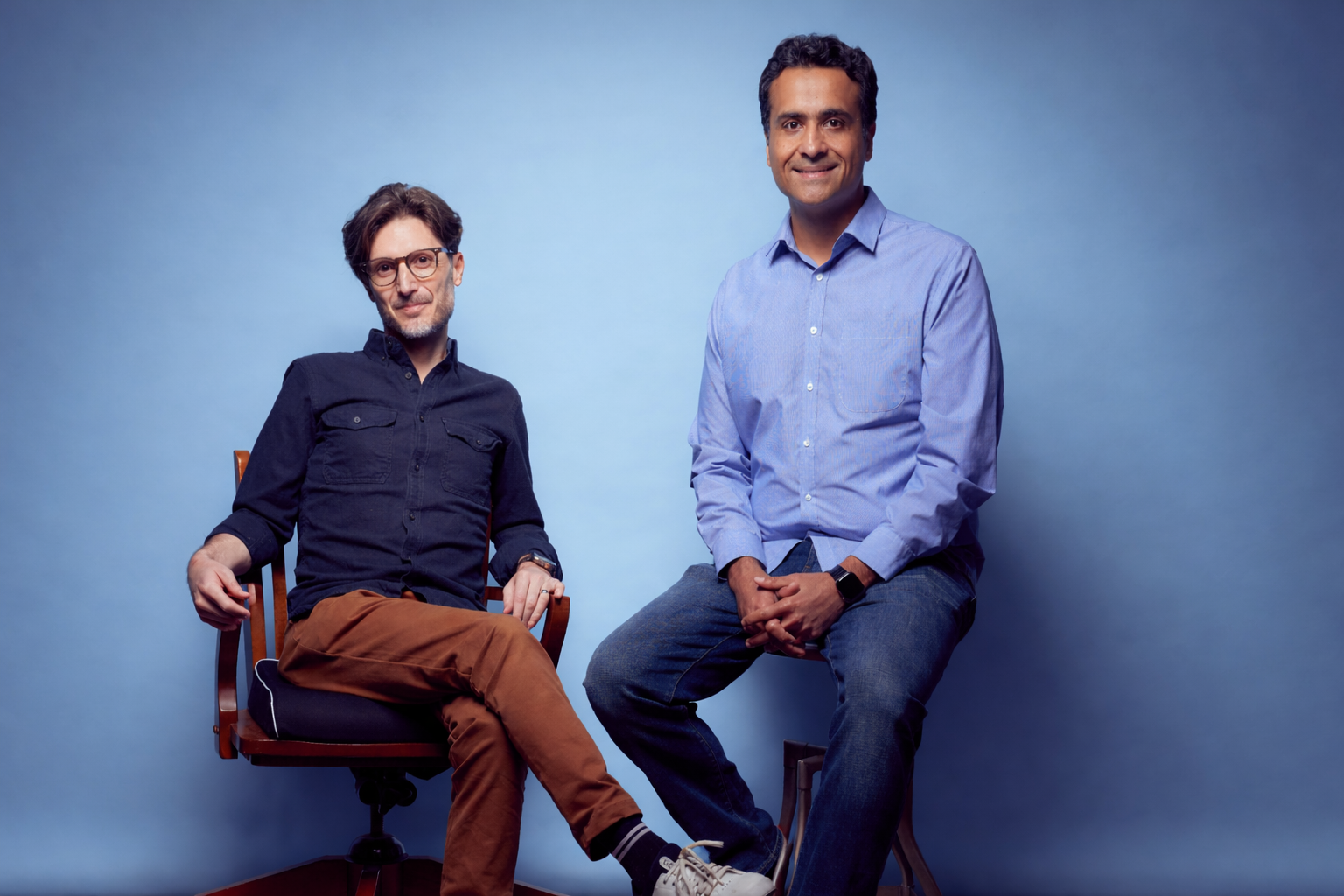
Moonbounce is led by Brett Levenson and his former Apple colleague, Ash Bhardwaj, who previously honed his expertise building large-scale cloud and AI infrastructure for the iPhone-maker’s core offerings. This combination of business integrity insight and deep technical expertise forms a formidable leadership team.
While Levenson acknowledges that Moonbounce’s technology would seamlessly integrate into the infrastructure of a major player like Meta, his vision for the company leans towards independence. Despite his fiduciary duties as a CEO, he expresses a strong desire to prevent Moonbounce’s technology from being acquired and subsequently restricted, thereby limiting its widespread benefit. This sentiment underscores a broader concern within the tech community about consolidation and the potential for proprietary solutions to stifle innovation and broader access to critical safety tools. Levenson’s commitment to ensuring that Moonbounce’s advancements can benefit the widest possible array of platforms reflects a dedication to a safer, more open digital future.
In an increasingly complex digital landscape, where the lines between human and artificial content blur, companies like Moonbounce are not just building tools; they are constructing the foundational infrastructure for a safer, more responsible internet. Their work signals a crucial shift from reactive damage control to proactive, intelligent guardianship, offering a glimmer of hope for navigating the ethical and safety challenges of the AI era.